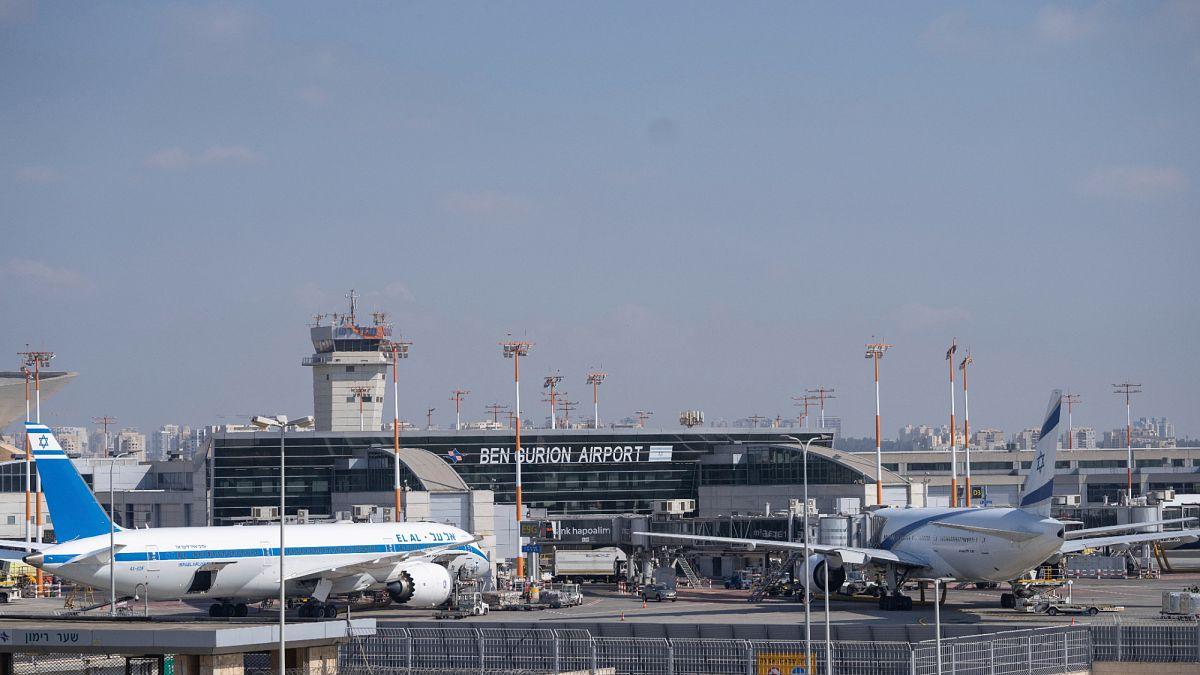
Houthis Fire Missiles At Israel, Threaten Closure Of Bab Al-Mandeb
Key Takeaways
- Houthis launched ballistic missiles at southern Israel, entering the Iran war.
- The attack occurred as US-Israel strikes on Iran intensified, widening regional conflict.
- Houthis claimed responsibility, saying missiles targeted sensitive Israeli military sites.
Houthis join the Israel front
The single most important new development is the Houthis’ direct missile attack on Israel, marking their first entry into the US-Israel war on Iran and signaling a new front that could reshape West Asia’s strategic calculus and the Red Sea’s shipping security.
“The Houthis’ recent missile activity marks a potential expansion of the Middle East conflict, raising concerns over Red Sea security and global trade routes Tehran: The recent missile launch by Yemen’s Iran-backed Houthi group towards Israel signals a possible widening of the ongoing Middle East conflict”
The group said the operation was their first military action against Israel since the broader conflict began, and Israel reported interceptions of missiles aimed at southern Israel.

Houthi spokesman Yahya Saree described the strike as targeting ‘sensitive Israeli military sites’ in the south, framing it as a step in solidarity with Iran and its regional allies.
Analysts say the move could widen the conflict rather than contain it, introducing a new front that intersects with Iran’s broader strategy and proxy networks.
The development comes as chokepoints like Bab al-Mandeb face renewed risk, with potential spillovers into global energy markets and shipping routes.
Houthi intervention conditions
The Houthis signaled conditional entry, outlining thresholds for further intervention should new alliances join the US-Israel effort or if the Red Sea becomes a battlefield.
Mohammed Mansour explicitly said that closing the Bab al-Mandeb Strait is among their options, highlighting a potential disruption to global shipping if the situation worsens.

Euronews framed the stance as being on standby for direct intervention depending on battlefield developments and warned against using the Red Sea for hostile operations.
Analysts said the messaging appears designed to deter further U.S.-led operations while signaling willingness to disrupt critical chokepoints if escalations persist.
The statements collectively reflect an intent to leverage regional proxies to shape the strategic environment without committing to a broad, direct confrontation.
US response and shipping risk
The development comes amid a convulsive shift in U.S. posture and regional security calculations: Washington has begun deploying assets and signaling readiness to deter Iran’s broader regional aims.
“Tehran, Iran – Heavily armed state forces continue to control Iran’s streets, despite the United States and Israel launching more strikes and preparing for a potential ground attack, as the nearly one-month war proceeds with no clear end point on the horizon Checkpoints, roadblocks and patrols, some manned by masked forces wielding assault rifles and machine guns mounted on pick-up trucks, have become a common sight in Tehran”
The Houthis’ entry coincides with Israeli strikes on Iranian targets and Iranian retaliatory actions across the Gulf, intensifying a broader West Asia security challenge.
Analysts warn that any escalation could strain U.S. defense resources as ships and aircraft are tasked with multi-front defense, complicating the protection of critical chokepoints like Bab al-Mandeb.
Energy markets react to the disruption, with navigation through Hormuz and the Red Sea affected by the broader confrontation and the potential for shipping reroutes.
Regional context and trade
TeleSUR English emphasizes a broader escalation linked to Iran and its allies.
An Anadolu Agency report emphasizes that this is the Houthis' first ballistic strike on Israeli targets in the current phase.

France 24 notes the economic toll and trade-route disruptions that accompany regional expansion of the conflict.
Euronews highlights conditional readiness for direct intervention tied to battlefield developments.
Across these outlets, the central concern remains the security of chokepoints like Bab al-Mandeb and Hormuz and the global ripple effects on energy and trade.
More on Yemen

Houthis Pledge Direct Military Intervention In Israel–Iran War, Threaten Red Sea Chokepoint
15 sources compared
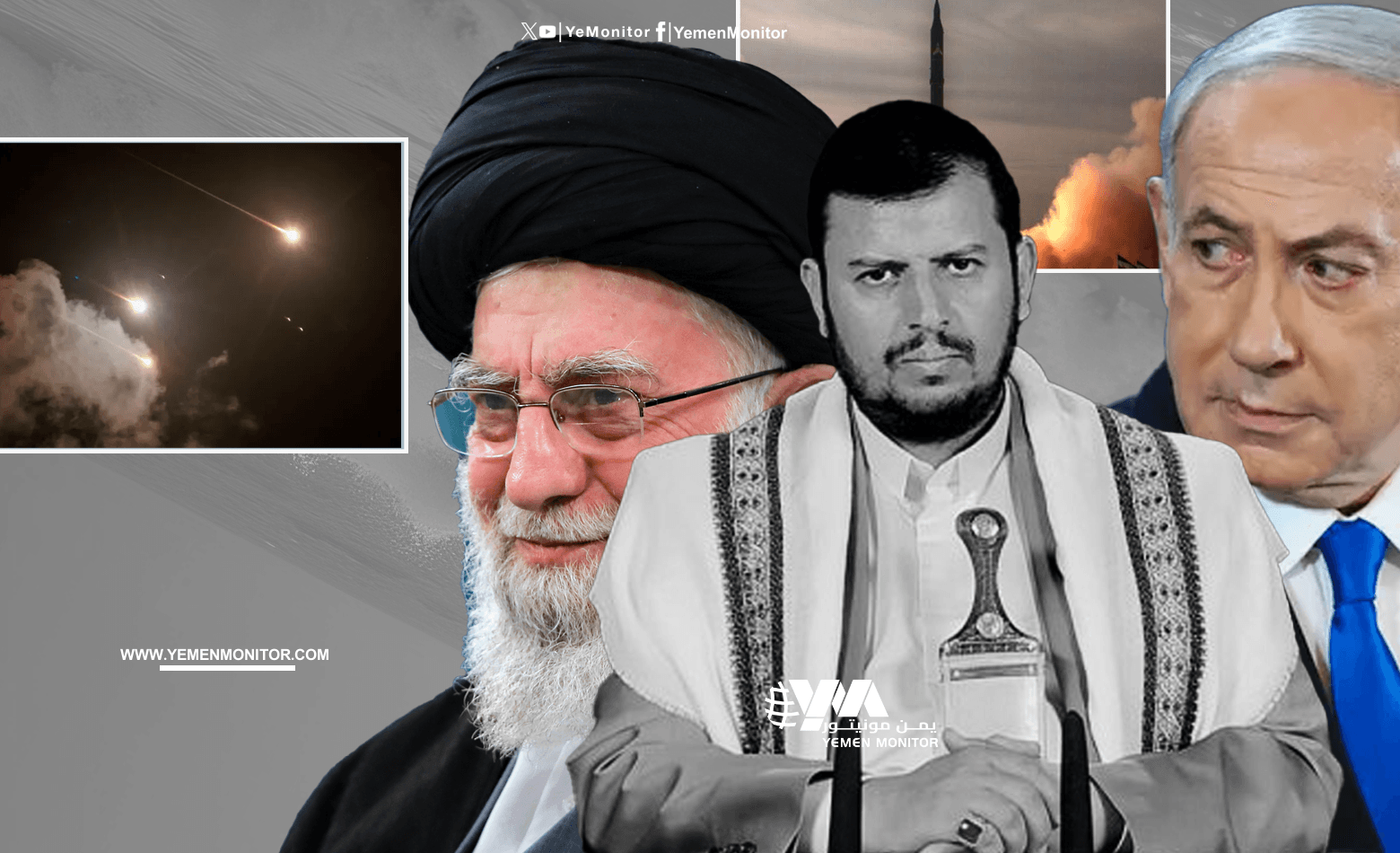
Houthis Launch First Ballistic Missile Strike On Israel, Demand Gaza Ceasefire And Yemen Siege Lift
32 sources compared

Iran Fires Missiles; Debris Injures At Least Five Indian Nationals Near KEZAD Abu Dhabi
15 sources compared

Houthis Launch First Direct Ballistic Missile Strike On Israel, Opening New Regional Front
16 sources compared