Full story
Houthis target Saudi tankers
The Houthis announced they targeted two Saudi oil tankers in the Red Sea, naming the ships Ansilia and Leila, while the BBC reported that the Houthis said the tankers were hit with drones and missiles because they had violated the Houthis' declared naval blockade.
“Escalation looms in the Red Sea”
The BBC also reported that Saudi Arabia's state news agency said the tanker Ansilia caught fire after an attack while passing through the Red Sea, and that all crew members were safe.

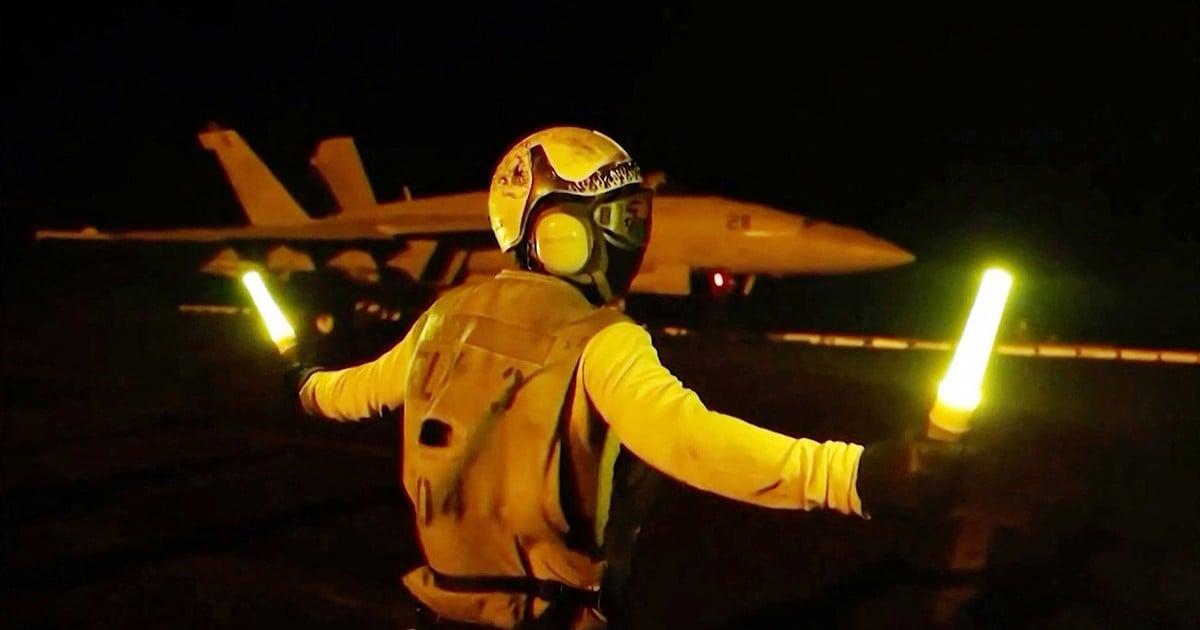
In parallel, the United States carried out strikes against targets in Iran for the twelfth consecutive night, with CENTCOM saying the strikes began at 9:30 p.m. on July 22 (Greenwich Mean Time, 4:30 a.m. July 23 Vietnam time) and aimed "to further degrade Iran's ability to threaten civilian and commercial ships passing through the region."
The BBC framed the Houthi action as coming simultaneously with the twelfth consecutive night of U.S. strikes on Iran, and it added that if the Houthis' attack on ships in the Red Sea is confirmed, it would be their first action since they announced a 'naval blockade' against Saudi Arabia.
Trump, Rubio, and mediation
U.S. President Donald Trump said that if something like the Houthis' Red Sea ban happens, "we will have to deal with the situation," and the same reporting described the Houthis' threat to target two Saudi oil tankers as raising fears of disrupting a second route for global oil supplies.
Marco Rubio, the U.S. Secretary of State, told reporters that he hoped the parties would de-escalate because he believed the Houthis have been misled by the Iranians, saying the Houthis have been "misled by the Iranians in this matter."
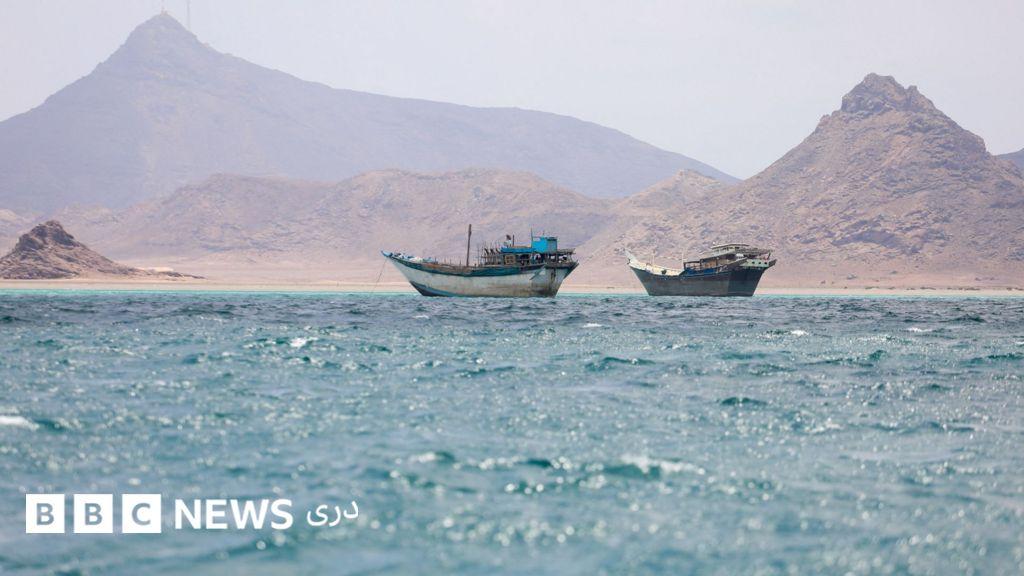
Reuters, as cited by Iran International, reported that Pakistan demands Iran stop attacks on Gulf states before resuming any negotiations, with Pakistani sources saying stopping Iran's attacks on other Gulf countries has become a precondition for resuming talks.
The same Reuters-cited reporting said the closure of the Strait of Hormuz harms Chinese interests, and it quoted a Pakistani government official saying the Chinese are unhappy because Iran's attacks on Gulf states and the closure of the Strait of Hormuz harm their interests.
Shipping, leverage, and escalation
The International Crisis Group said the Iranian motives behind reactivating the Yemen front cannot be ruled out, and it added that the justifications the Houthis put forward to justify their escalation in the Red Sea are not new, with Ahmed Nagi telling Sky News Arabia that "it is likely that reactivating the Yemen front at this stage serves Iranian interests as much as it serves the Houthis' calculations."
“International gold prices are facing a double blow from surging oil prices and rising rate hike expectations, putting the critical support level of $4,000 per ounce (approximately NT$130,000) at risk once again”
Nagi said the escalation so far remains in its early stages and that what they are seeing is a calibrated escalation that has not yet reached the point of fully disrupting navigation in the Red Sea and Bab al-Mandeb, while he warned that if attacks escalate toward nearly complete or complete stoppage of navigation, the response is likely to be different and more severe.
Euronews reported that Mohammed Abdul-Salam denied on Friday that the naval blockade announced by the Yemeni armed forces was aimed at closing Bab al-Mandeb Strait, stressing that it targets the Saudi side exclusively, and he said via Telegram: "There is no closure of Bab al-Mandeb as some promote."
Euronews also reported that after the blockade’s announcement, the Houthis sent warning messages to ships navigating in the region, with a message recorded by a vessel in the Bab al-Mandeb Strait stating: "We warn all ships belonging to the Saudi enemy not to sail through the Red Sea and the Gulf of Aden."