Full story
Yemen-linked Red Sea escalation
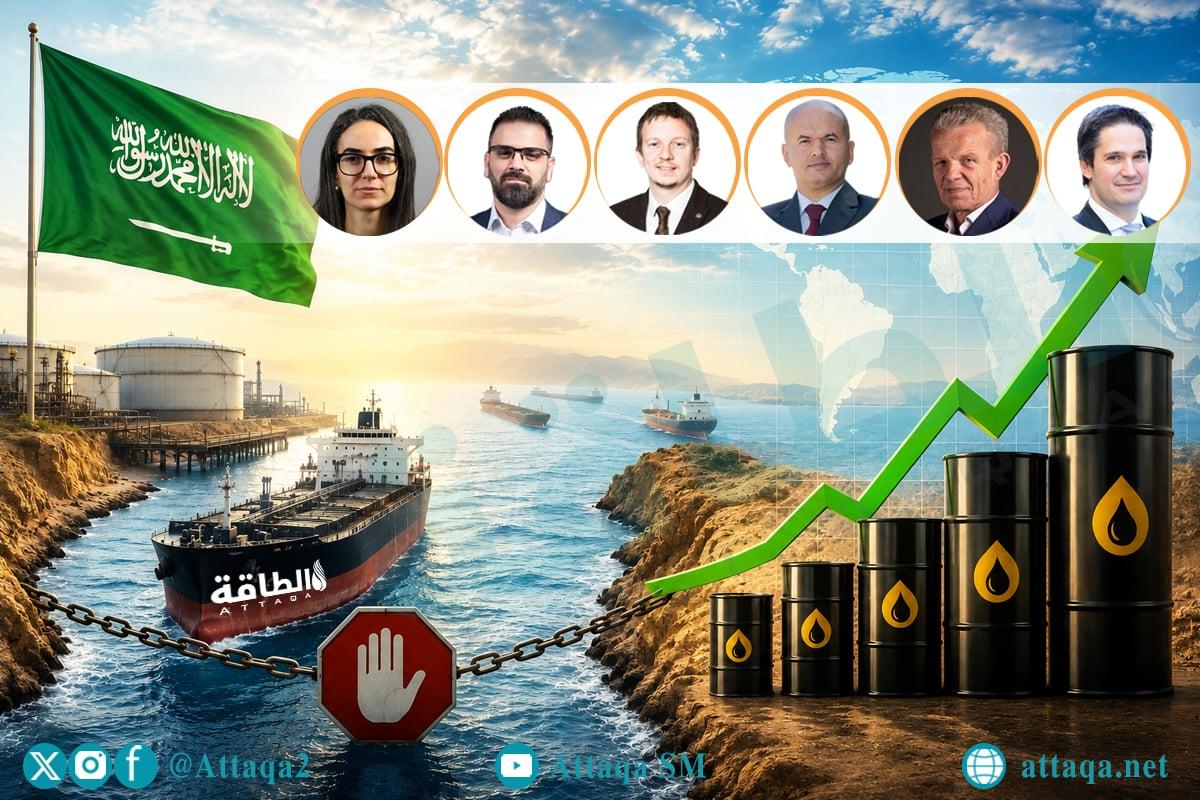
Yemen’s Houthis said they carried out missile and drone strikes on two Saudi oil tankers in the Red Sea, naming the Encelia and the Layla, as the conflict’s spillover threatened another shipping chokepoint beyond the Strait of Hormuz.
“US vows to punish Iran after Houthis strike tankers Iran and the United States threatened on Thursday to step up attacks on one another, after Tehran's Houthi allies struck Saudi shipping and sent oil prices soaring”
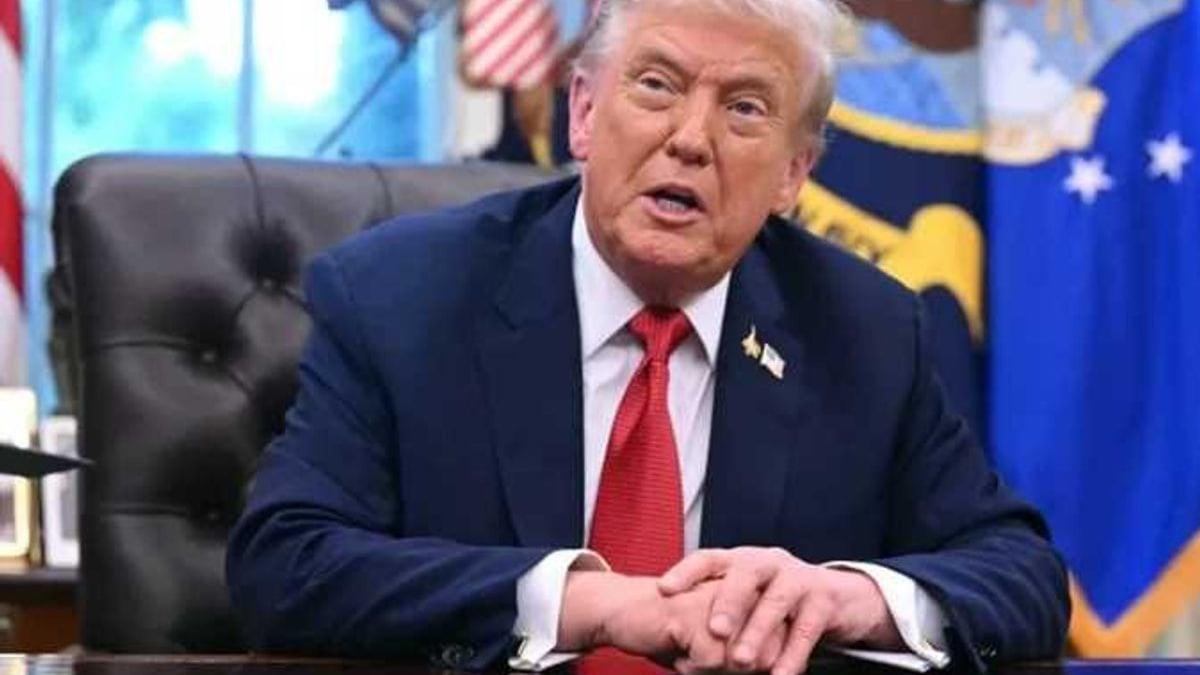
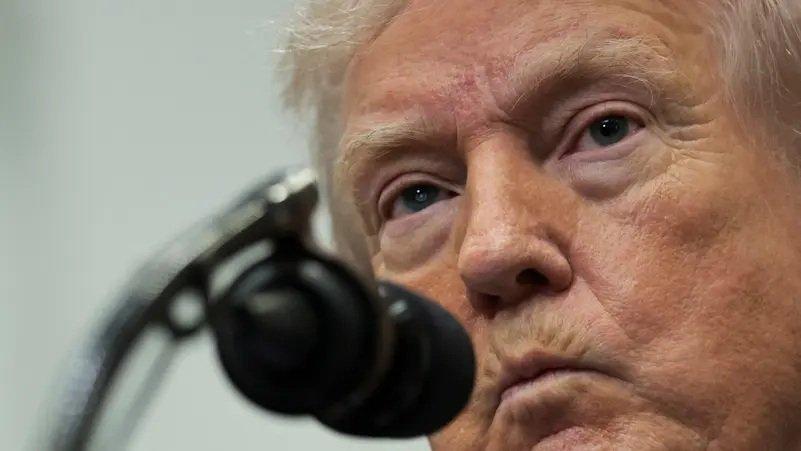
President Donald Trump warned that if the Houthis repeat such attacks, the United States will hold Iran responsible and inflict “major military punishment,” framing the Houthis as “a Surrogate and/or Proxy of Iran.”

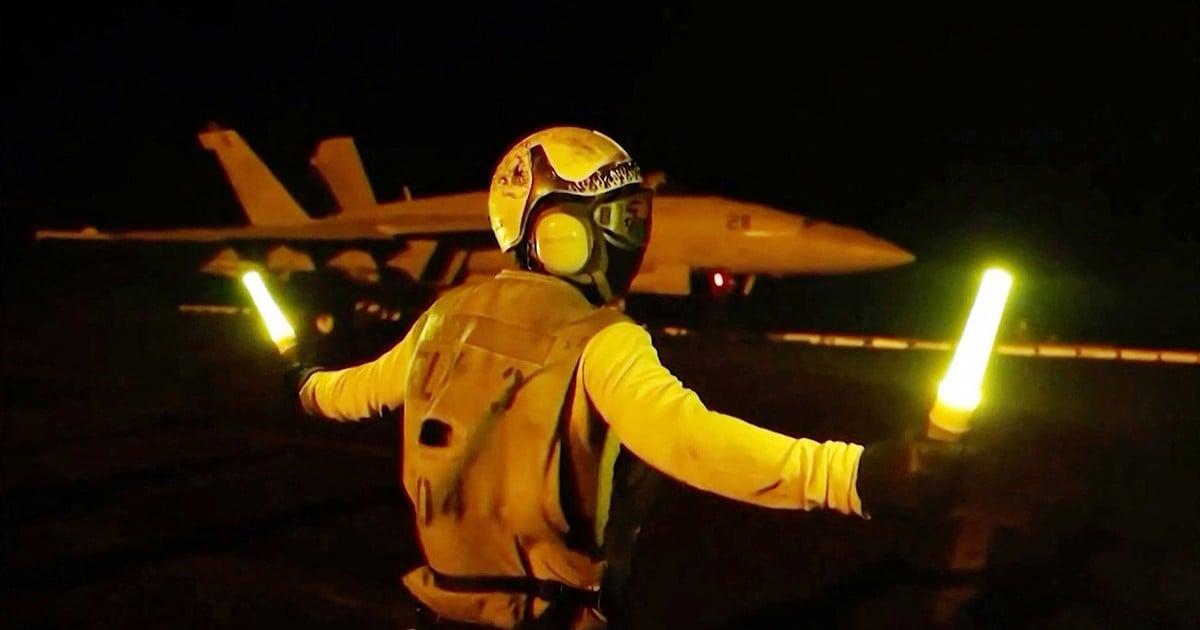
The Business Standard reported that the U.S. launched another nightly round of air strikes on Iran after the Houthis’ claims, extending the Middle East war to a second major shipping corridor.
The Houthis’ actions came as global oil prices surged, with Brent crude rising more than 6% to break through $100 a barrel for the first time since May, according to The Business Standard.
Threats, payments, and rerouted ships
Trump also said “any and all damages” to ships struck by Iran “will be paid for by Iranian Money that the United States has in its possession, and controls,” while CBS News reported he threatened Iran and its Houthi allies in Yemen with “major military punishment” if the Houthis launch more attacks on Saudi vessels in the Red Sea.
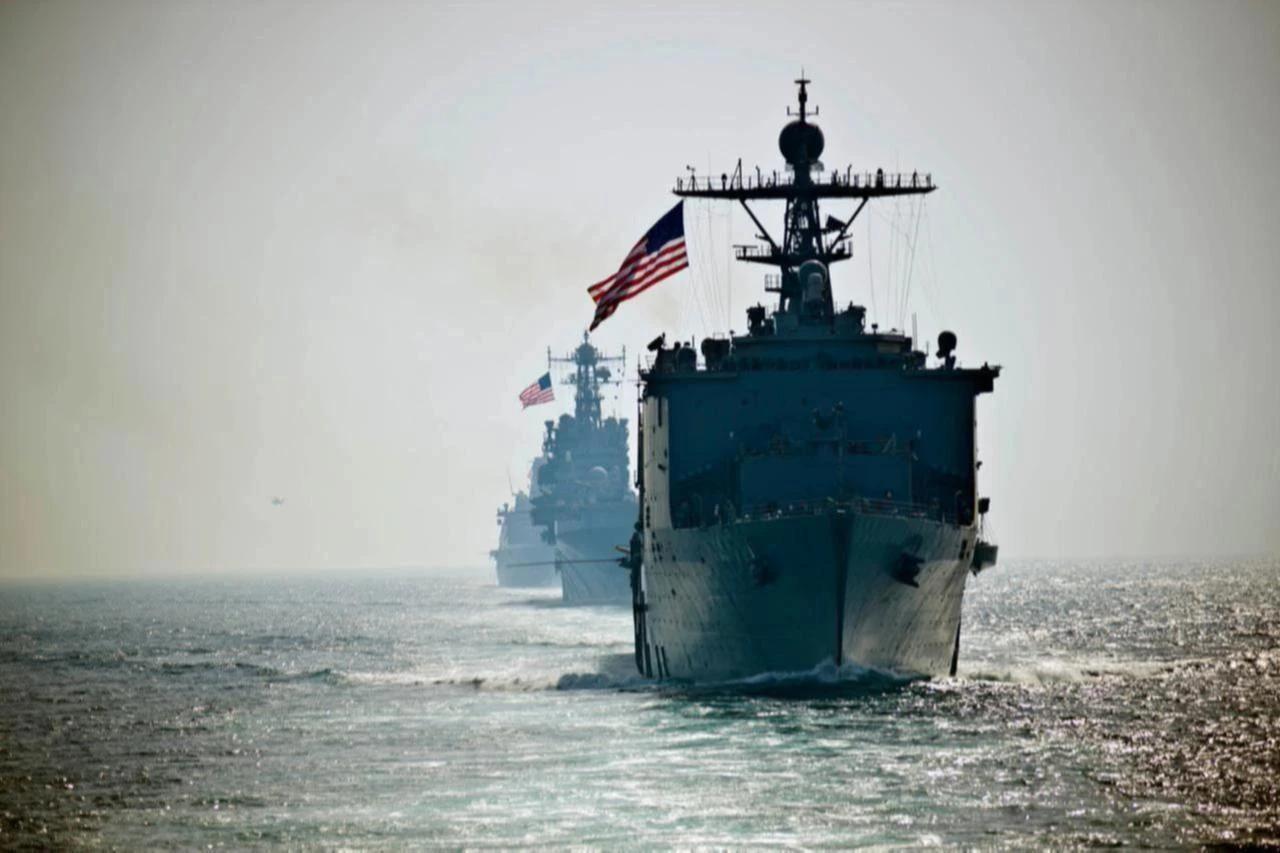
CBS News added that the U.S. Central Command says its blockade has redirected 12 vessels since it was put back in place nine days ago, preventing all ships from entering or exiting Iranian ports.
As the Red Sea risk rose, The Business Standard reported that several tankers changed course to avoid the Bab el-Mandeb Strait, heading north instead through the Suez Canal and potentially sailing around Africa.
Reuters was cited by The Business Standard as saying the Houthis’ blockade could close the strait known as the Bab el-Mandeb, “the second most important route for energy shipments after the Strait of Hormuz,” raising the stakes for Yemen-linked maritime traffic.
What comes next for Yemen
The Al-Monitor account tied Yemen’s Houthi campaign to broader U.S.-Iran escalation, quoting Iran’s army spokesperson Mohammad Akraminia that “The armed forces' retaliatory attacks will continue as long as the US attacks on the country's infrastructure and coastal areas continue.”
“What to know about the Iran war today: - The U”
Al-Monitor also reported that the Houthis declared a blockade of Saudi ports and claimed attacks on tankers in the Red Sea, while UKMTO said the master of a tanker reported being hit by an unknown projectile about 70 nautical miles southwest of Al Shuqaiq, causing a fire.
In parallel, The Guardian described UN Secretary-General António Guterres warning that the Middle East crisis was being pushed to the “edge of the unimaginable,” as the U.S. carried out a 13th consecutive night of strikes on Iran.
With Yemen’s Houthis positioned as a key node in the Red Sea fight, the sources show the next phase centered on whether attacks on navigation continue and whether the U.S. follows through with threatened “major military punishment” aimed at Iran and the Houthis.