Full story
Houthis hit Saudi tankers
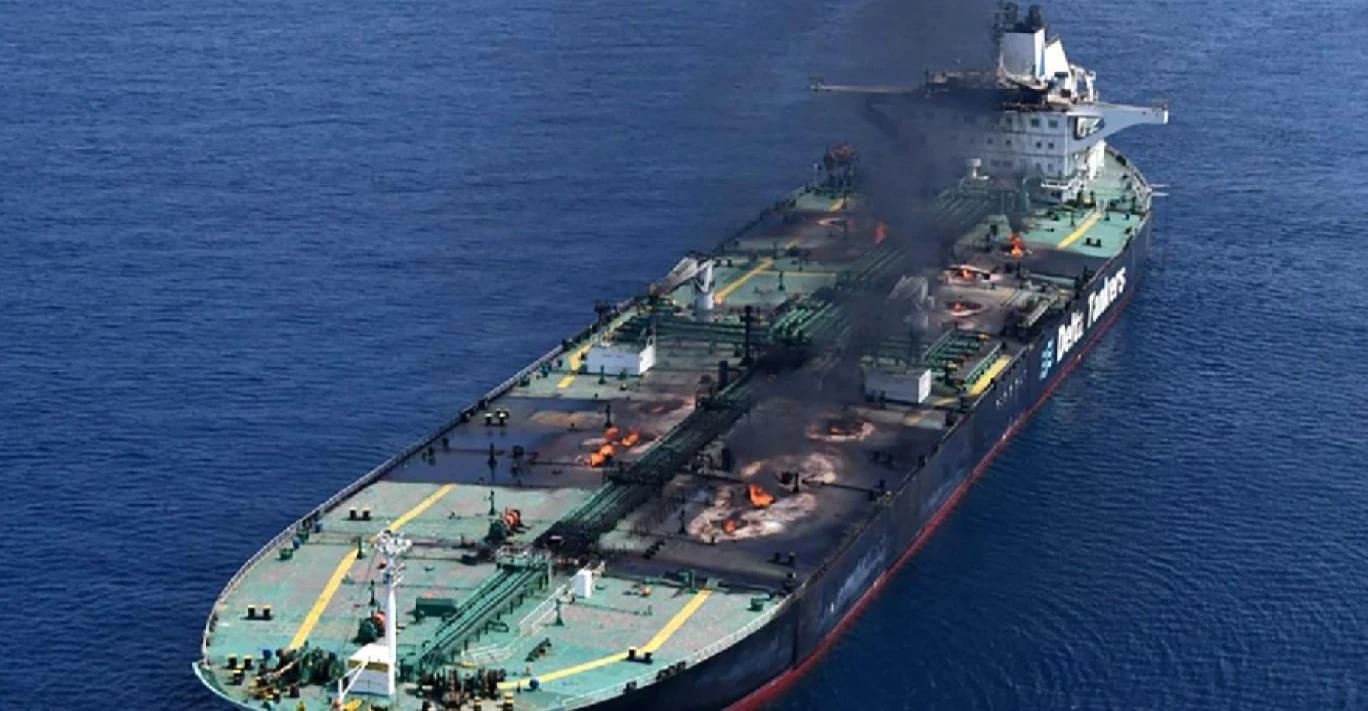
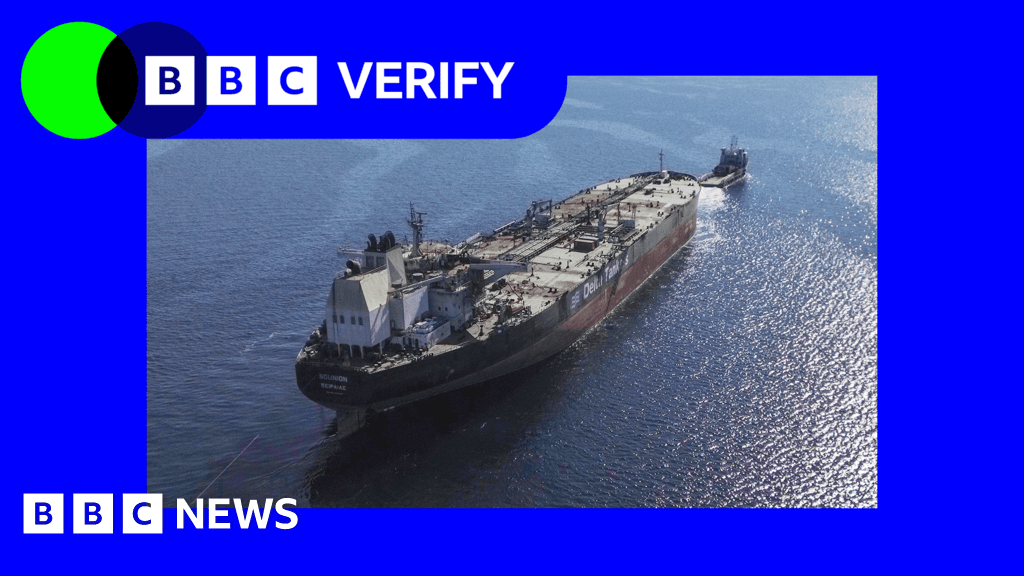
Yemen’s Iran-aligned Houthis claimed they carried out missile and drone strikes on two Saudi oil tankers in the Red Sea on Wednesday, naming one as ENCELA and the other as LAYLIA as part of a maritime embargo on Saudi Arabia.
“Yemen’s Iran-aligned Houthis have claimed an attack on two Saudi oil tankers transiting through the Red Sea”
In the same account, Houthi military spokesperson Yahya Saree said, “We targeted two Saudi oil tankers, named ENCELA and LAYLIA, for their violation of the blockade decision issued by the armed forces,” and added that the attacks “led to fires on the ships.”

The UKMTO centre said it had received reports that “a tanker has been struck,” and described the incident as an unknown projectile causing “a fire onboard that the crew are currently fighting.”
The Houthis also said they forced “nearly ten ships… to abandon their routes, and turn back,” while the BBC reported that at least seven oil tankers made sharp U-turns close to Yemen after the Houthis announced a “maritime embargo” against Saudi Arabia on Monday.
US strikes and warnings
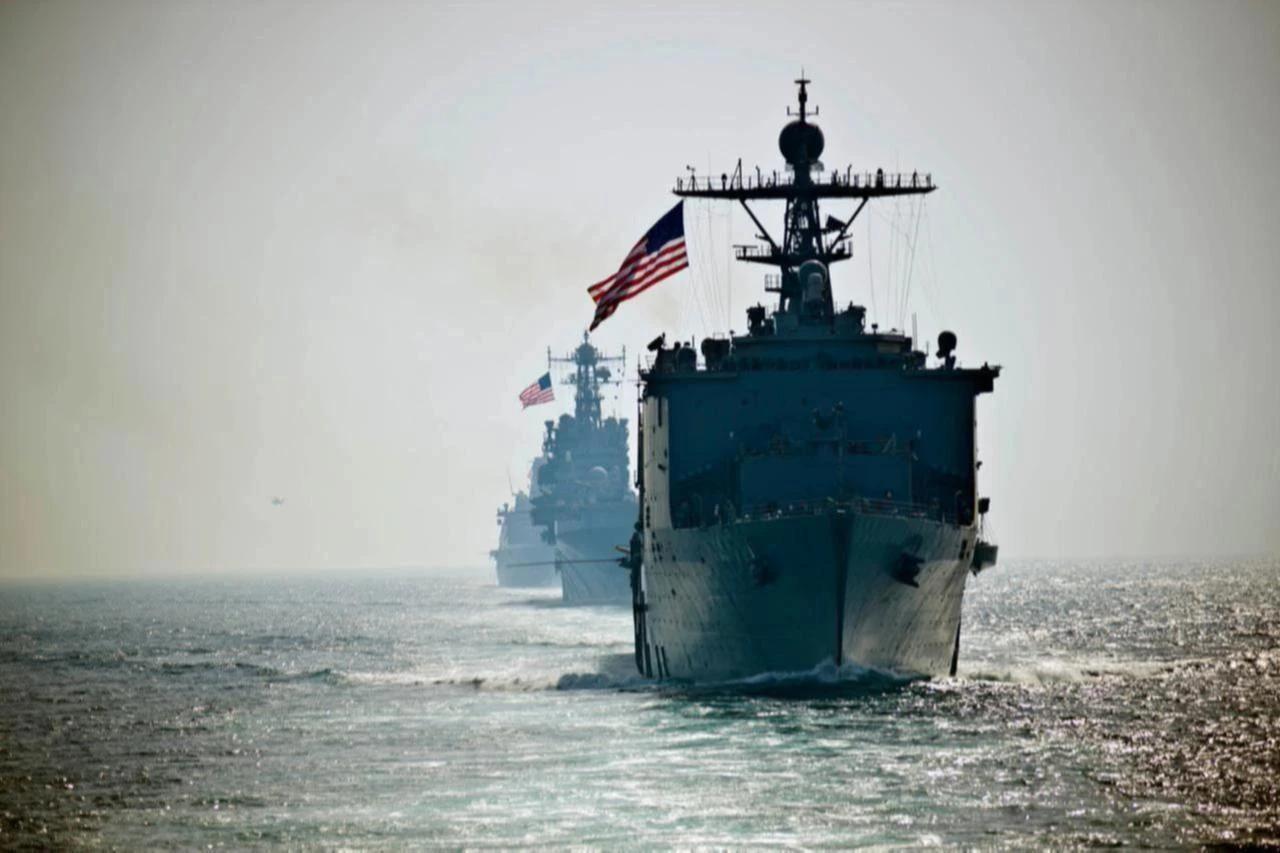
As the Houthi claims raised the risk of a second chokepoint for global oil supplies, the US military said it launched a new round of strikes on Iran for a 12th consecutive night, with CENTCOM saying the mission began at 5:30 p.m. ET.
The Türkiye Today report quoted CENTCOM describing the operation as designed to “further degrade Iran's ability to threaten civilian mariners and commercial vessels transiting regional waters,” and said operations would continue.
In parallel, the EU’s naval mission advised that “merchant vessels linked to Israeli, U.S. or Saudi interests” should “avoid transiting the Red Sea and Gulf of Aden until the threat level decreases,” according to the BBC.
The BBC also reported that Rosemary Kelanic of the US-based Defense Priorities said any Houthi attacks in the Red Sea or Gulf of Aden “will suppress all international traffic not just Saudi-bound vessels,” while the Joint Maritime Information Center said commercial traffic continued through the southern Red Sea and Bab el-Mandeb with “no changes to commercial routing or transit patterns occurred.”
Shipping disruption and stakes
The dispute is tied to the Houthis’ declared naval blockade and the pressure on Saudi oil routes, with the BBC saying nearly 15% of global sea trade moves through the Red Sea and that it connects the Mediterranean and Gulf of Aden through the Suez Canal and the Bab al-Mandab Strait.
“Global energy markets are confronting an unprecedented perilous situation: with the Strait of Hormuz nearly paralyzed by military conflict involving the U”
The BBC reported that the Houthis said in an email to shipowners that “vessels are banned from loading or discharging cargo at any Saudi ports,” and added that ships “may be subject to targeting in any location within the operational reach.”
In the same period, CNBC reported that the Joint Maritime Information Center warned mariners that the Houthis had completed preparations to attack shipping, including “the deployment of missiles and drones positioned near Bab el-Mandeb,” and said the threat to ships in the area remains “moderate.”
The stakes extend beyond Saudi-bound traffic, as Al Jazeera reported that the Bab al-Mandeb chokepoint is “just 29km (18 miles) wide at its narrowest point,” and said that with the Strait of Hormuz effectively closed, shutting Bab al-Mandeb “could block 25 percent of the world’s oil and gas supply.”