Full story
Houthis vs Saudi Shipping
Yemen’s Houthis, officially known as Ansar Allah, claimed they attacked two Saudi oil tankers transiting the Red Sea, saying they targeted ENCELA and LAYLIA for violating a blockade decision issued by the armed forces.
“The Bab el-Mandeb Strait, the strategic chokepoint linking the Red Sea to the Gulf of Aden, has become a new theater of confrontation between Sanaa and Riyadh”
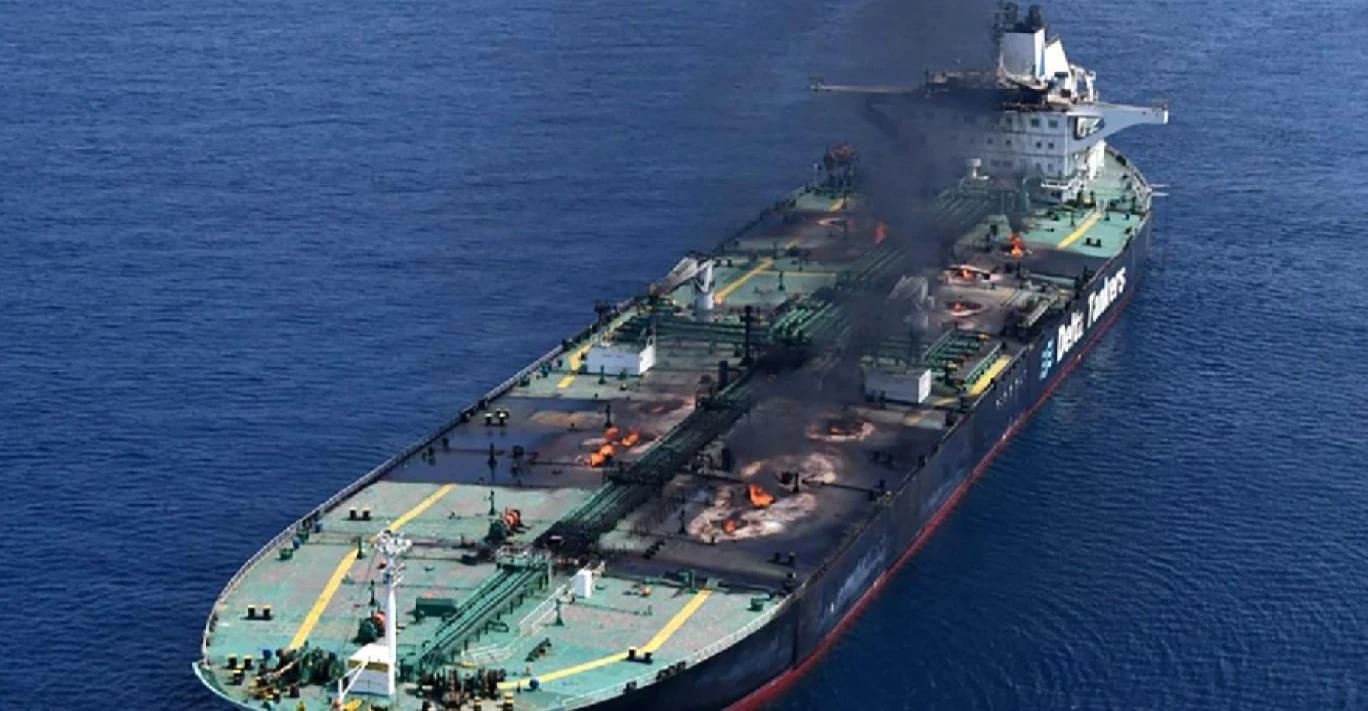
Houthi military spokesperson Yahya Saree said the attacks were carried out “using a number of ballistic and cruise missiles, as well as drones”, and he said they led to fires on the ships.

The UK Maritime Trade Operations (UKMTO) centre said it had received reports that a tanker was struck, with “the master of a tanker” reporting being hit by an unknown projectile that caused a fire onboard.
The same Al Jazeera report said the Houthis imposed a maritime blockade on Saudi Arabia on July 20, and it quoted the group’s framing that the declaration was “based on the equation of ‘an eye for an eye’” and affirmed “the right of our great people to respond to the blockade with a blockade.”
U-turns and Route Pressure
After the Houthis’ July 20 blockade announcement, shipping disruptions began to show up in vessel movements, with Reuters reporting that three tankers carrying Saudi crude for China and India reversed course in the Red Sea on Tuesday.
The Times of India said the change in route followed a warning issued by Yemen’s Iran-aligned Houthi militia, and it described the tankers steering toward the Suez Canal instead of continuing along the Yemeni coastline near the entrance to the sea.

The Maritime Executive reported that the Singapore-flagged VLCC Xin Long Yang and the Liberia-flagged tanker Rodos had both loaded crude at Saudi Arabia’s Yanbu terminal and reversed course, with the Xin Long Yang still indicating its destination on AIS as China while the Rodos declared Port Suez.
AP reported that the Houthis claim to have forced six ships to reroute on Tuesday, but it said there was no independent confirmation, and it described Bab el-Mandeb as a vital chokepoint connecting the Red Sea to the Gulf of Aden.
AP also quoted Saudi Arabia’s military spokesperson Maj. Gen. Turki al-Malki saying, “All Houthi threats against transiting vessels will be dealt with swiftly and firmly,” framing them as a violation of international law and maritime piracy.
Wider Iran War Stakes
The Houthis’ blockade threat is presented in the sources as part of a broader escalation risk tied to the Iran war, with AP warning it could widen the conflict and put another trade chokepoint at risk.
“A new threat by Yemen’s Houthis could widen the Iran war and put another trade chokepoint at risk A new threat by Yemen’s Houthis could widen the Iran war and put another trade chokepoint at risk CAIRO (AP) — A declared blockade of Saudi Arabia by Yemen’s Houthi rebels has the potential to widen the Iran war and further disrupt global oil supplies and international trade”
AP said the rebels say they have closed the Bab el-Mandeb Strait to Saudi-linked shipping in retaliation for the kingdom’s blockade on Yemen and a recent attack on the international airport in Yemen’s rebel-held capital, Sanaa.
The Guardian linked the Houthi claim of attacks on Red Sea tankers to the possibility of a second chokehold on global oil supplies, writing that the Houthis’ claim “elevates the threat of a second chokehold on global oil supplies at the Red Sea.”
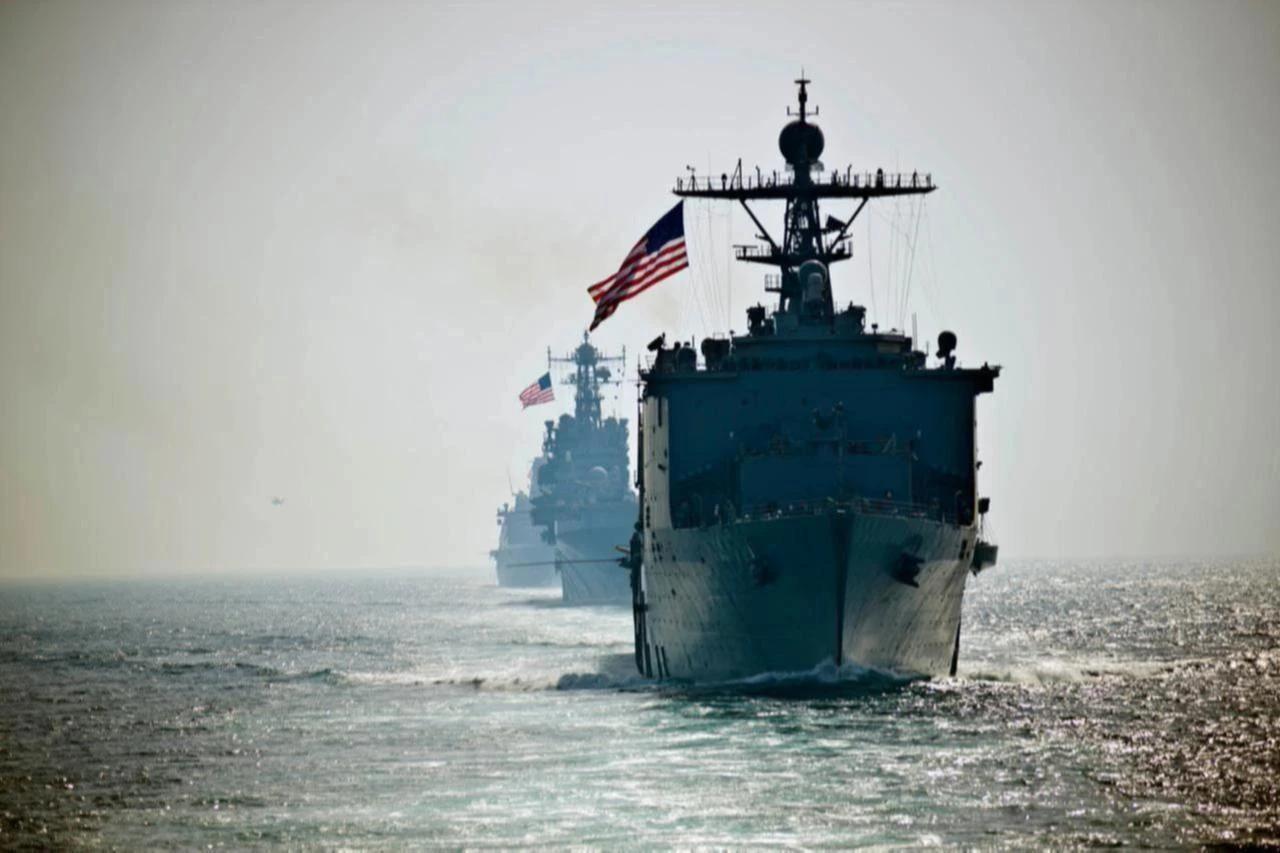
The Guardian also quoted the US Central Command position that “The international waterway remains open for transit regardless of IRGC threats and attacks,” adding that commercial vessels continue to use the strait with US military support.
In the same Guardian account, it described how the Houthis control areas near Bab el-Mandeb while Iran’s blockade of the strait of Hormuz had already pushed up oil and petrol prices and stoked inflation around the world, setting the stage for further disruption if Red Sea traffic is squeezed.