Full story
Tankers hit near Al Shuqaiq
Yemen’s Iran-backed Houthis claimed responsibility for attacking two Saudi oil tankers in the Red Sea, naming ENCELA and LAYLIA as targets for what they said was a violation of a blockade decision.
“Yemen’s Iran-aligned Houthis have claimed an attack on two Saudi oil tankers transiting through the Red Sea”
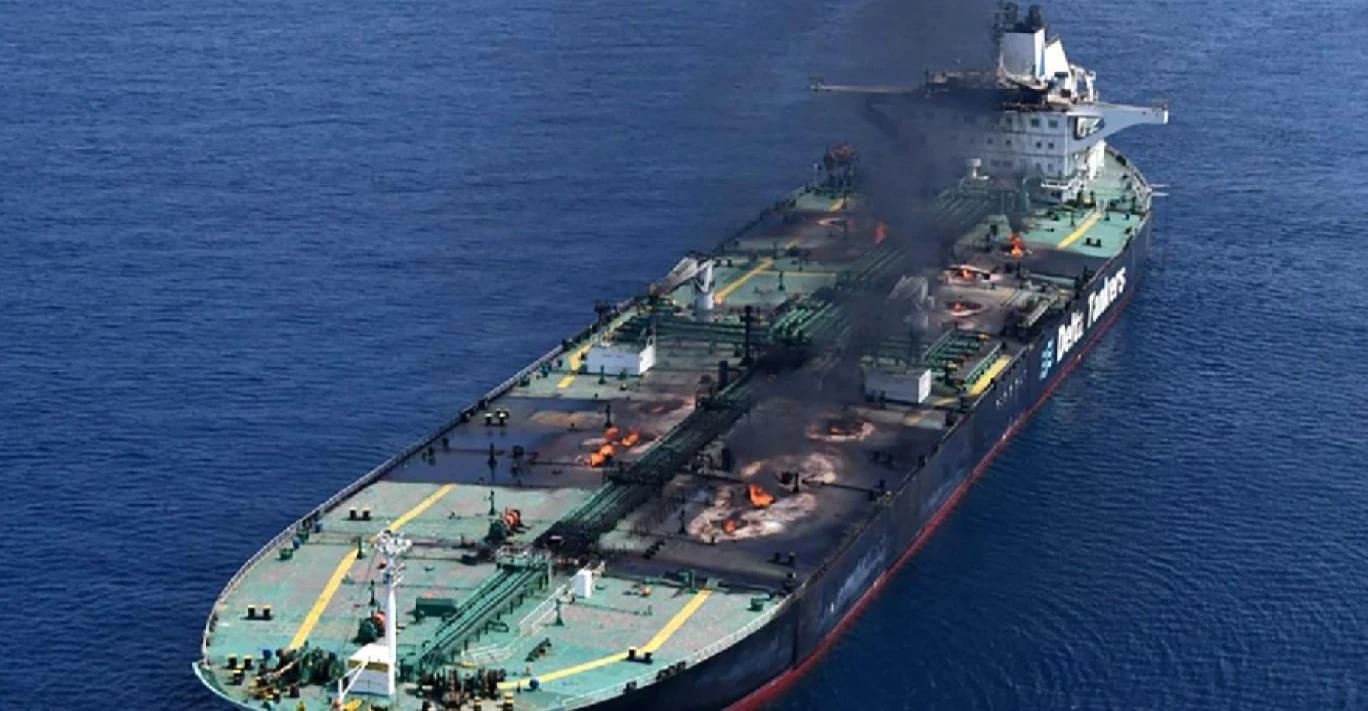
Houthi military spokesman Yahya Saree said the strikes were carried out “using a number of ballistic and cruise missiles, as well as drones”, and he said the attacks led to fires on the ships.

The United Kingdom Maritime Trade Operations (UKMTO) said it had received reports that a tanker was struck while transiting the Red Sea, and that “the master of a tanker reports being struck by an unknown projectile which has caused a fire onboard that the crew are currently fighting.”
The incident was reported by UKMTO as occurring about 70 nautical miles southwest of Al Shuqaiq, Saudi Arabia, as the Houthis said they forced nearly ten ships to abandon their routes and turn back.
Blockade-for-blockade rhetoric
The Houthis framed their Red Sea action as part of a broader naval blockade on Saudi Arabia, with Saree saying the group targeted the tankers after they violated the blockade imposed by the armed forces in the Red Sea.
Saree also said the Houthis forced “nearly ten ships… to abandon their routes, and turn back”, while UKMTO reported that authorities were investigating the incident and that there were no reported casualties and no environmental impact.

In parallel, the Houthis warned that they would continue maritime operations under a “blockade-for-blockade” equation, and they threatened that any attack on Yemen would be met with major operations deep inside Saudi territory.
The Guardian reported that three oil tankers that had loaded Saudi crude for China and India made U-turns on Tuesday away from the Houthis-controlled coast at the mouth of the Red Sea and headed towards the Suez canal, while Donald Trump said the US would “just have to take care of business” if the Houthis followed through on their threats.
Energy chokepoint stakes
The Red Sea attacks and the Houthis’ blockade threats raised the risk of a new chokepoint for world oil supplies, with Al-Monitor citing coordination with Iran’s attempt to control the Strait of Hormuz and describing the Red Sea as a potential second chokehold.
“Yemen’s Houthis say they targeted 2 Saudi oil tankers with missiles, drones Houthi spokesman says nearly 10 vessels were forced to turn back as UKMTO reports tanker fire Tarek Chouiref 23 July 2026•Update: 23 July 2026 ISTANBUL Yemen’s Houthi group said early Thursday that they carried out a military operation targeting two Saudi oil tankers with ballistic and cruise missiles as well as drones”
Al-Monitor reported that five tankers changed course in the Red Sea to avoid the Bab el-Mandeb Strait on Wednesday, and it said three tankers loaded with Saudi oil for China and India made U-turns on Tuesday.
The Guardian said the Houthi warning for the Red Sea came on top of Iran’s threat to shipping in the Gulf, and it linked the risk to Saudi oil exports that had so far been unscathed by the months-long conflict.
With the Houthis’ email telling shipping companies not to load or discharge cargo at Saudi Arabian ports and warning such activity may result in being targeted “in any location” within its reach, the sources portrayed the immediate stakes as safety and routing decisions around Bab el-Mandeb and the Red Sea corridor.