
HRW Says UAE-Based GSSG Deployed Colombian Mercenaries With Sudan’s RSF
Key Takeaways
- HRW reports UAE-based GSSG recruited Colombian mercenaries, trained in UAE, deployed to RSF in Sudan.
- Mercenaries passed through UAE military bases en route to Sudan to join RSF.
- Hundreds of Colombian contractors recruited since 2024 by UAE-linked entities, according to HRW and BBC.
UAE-linked Colombians in Sudan
Human Rights Watch says Colombian private military contractors were deployed in Sudan to support the Rapid Support Forces (RSF), and HRW links their movement to a company based in the United Arab Emirates (UAE).
“UAE accused of training Colombian mercenaries for Sudan's war Human Rights Watch reports that the United Arab Emirates trained Colombian mercenaries to fight alongside a paramilitary group in Sudan's war CAIRO -- The United Arab Emirates trained Colombian mercenaries before sending them to fight alongside a notorious paramilitary group in Sudan’s devastating war, Human Rights Watch said Tuesday”
HRW’s report says that since 2024, Global Security Services Group (GSSG) hired hundreds of Colombian military personnel to participate in hostilities alongside the RSF, which is fighting against the Sudanese Armed Forces.

The HRW account places the first public evidence of Colombians’ presence in Sudan in November 2024, when videos circulated on social media showed a convoy of Colombians intercepted by the Joint Forces of the Armed Movements.
HRW also says it verified videos showing Colombian military contractors fighting in El Fasher during the RSF’s takeover of the city in the fall of 2025, and that witnesses claimed they saw foreign fighters at the site of mass killings.
In HRW’s telling, the fighters wore the same protective gear seen in the videos: helmets, bulletproof vests, and kneepads.
Amal describes the killings
In HRW’s report, Amal, a 29-year-old woman, recalled that after she and others were stopped by RSF fighters, “One RSF member called the other and said: “Come and see this mad [person]!” and finally they killed them.”
Amal told HRW that those doing the killing were Arab Sudanese, but that standing next to them were white people who she said were shorter than the Sudanese fighters and wore fatigues and helmets.
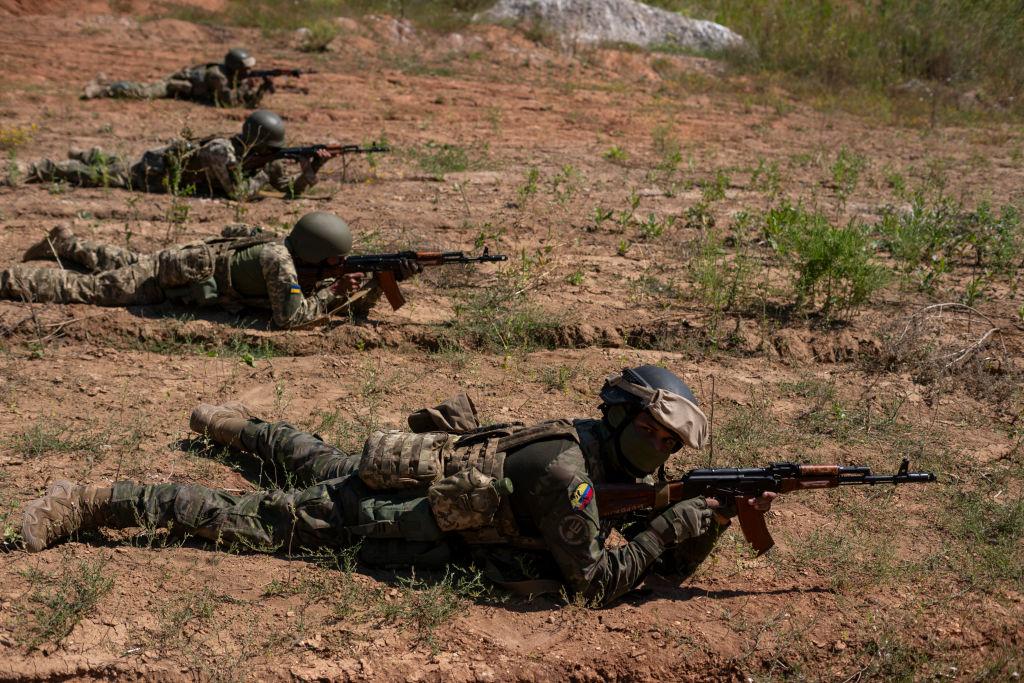
HRW says it believes the white-uniformed fighters described by Amal were most likely Colombian PMCs, and that they stood by while RSF fighters killed men and women, including people with disabilities.
The report describes an 18-month siege of El Fasher, the capital of the North Darfur state, that included continuous shelling and drone strikes and led to starvation among civilians in and around the city.
HRW says the information about the deployment of Colombian PMCs is based on interviews with two of those Colombians deployed to assist the RSF, six residents of El Fasher who saw foreign fighters, and research that included geolocating videos and photographs.
Denials, calls for action
HRW says the UAE has denied providing military support to the RSF, claiming that its assistance is humanitarian, but HRW questions that argument and urges governments worldwide to publicly demand that the Emirates halt the supply of weapons, equipment, and personnel to the RSF.
HRW also says it shared its findings with Global Security Services Group and Emirati authorities “without receiving a response,” and it has urged the UN Security Council to investigate GSSG and other actors that might be supporting the RSF.
In the BBC’s account, the UAE’s foreign ministry rejected the allegations, saying, “The UAE does not permit its territory to be used for the recruitment, training, financing or transit of foreign fighters to any conflict, including Sudan,” and it added that allegations involving specific entities had been investigated.
The BBC reports that HRW’s investigation was conducted through interviews with Colombian mercenaries between March and September 2025, and that HRW says airports in the UAE, Libya, Chad and Somalia were used as transit points before travelling to the frontlines in the Darfur region.
The stakes described across the reporting include HRW’s push for international investigations and sanctions, and the broader conflict context in which the BBC says more than 12.9 million people have been displaced and more than 150,000 have died since the war began on 15 April 2023.
More on Sudan

Khartoum Rejects Massad Boulos Ceasefire Plan, Demands RSF Withdrawal From Captured Cities
10 sources compared
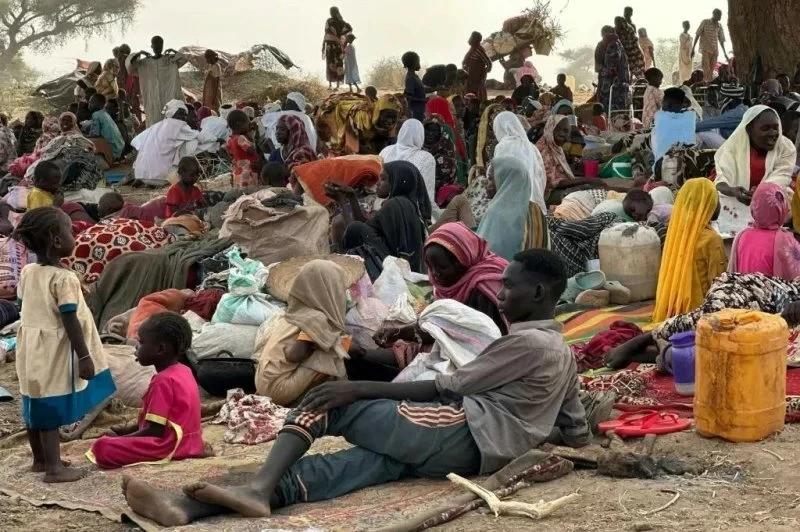
UN Investigators Say RSF Tactics in El-Obeid Bear Hallmarks of Genocide
15 sources compared
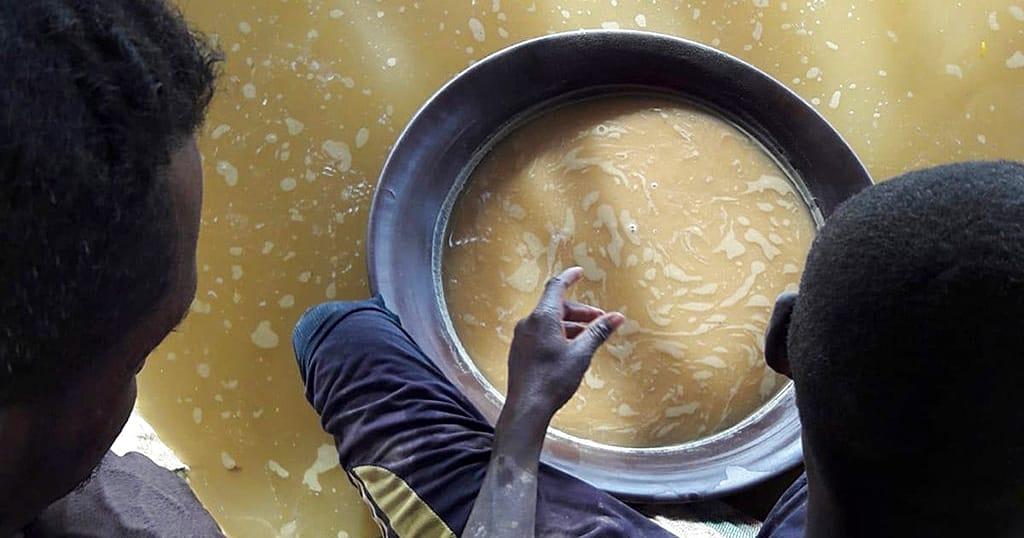
Sudan Gold Mine Collapse Kills 15 Miners At Mohamed Tawfiq Mine Near Egyptian Border
11 sources compared
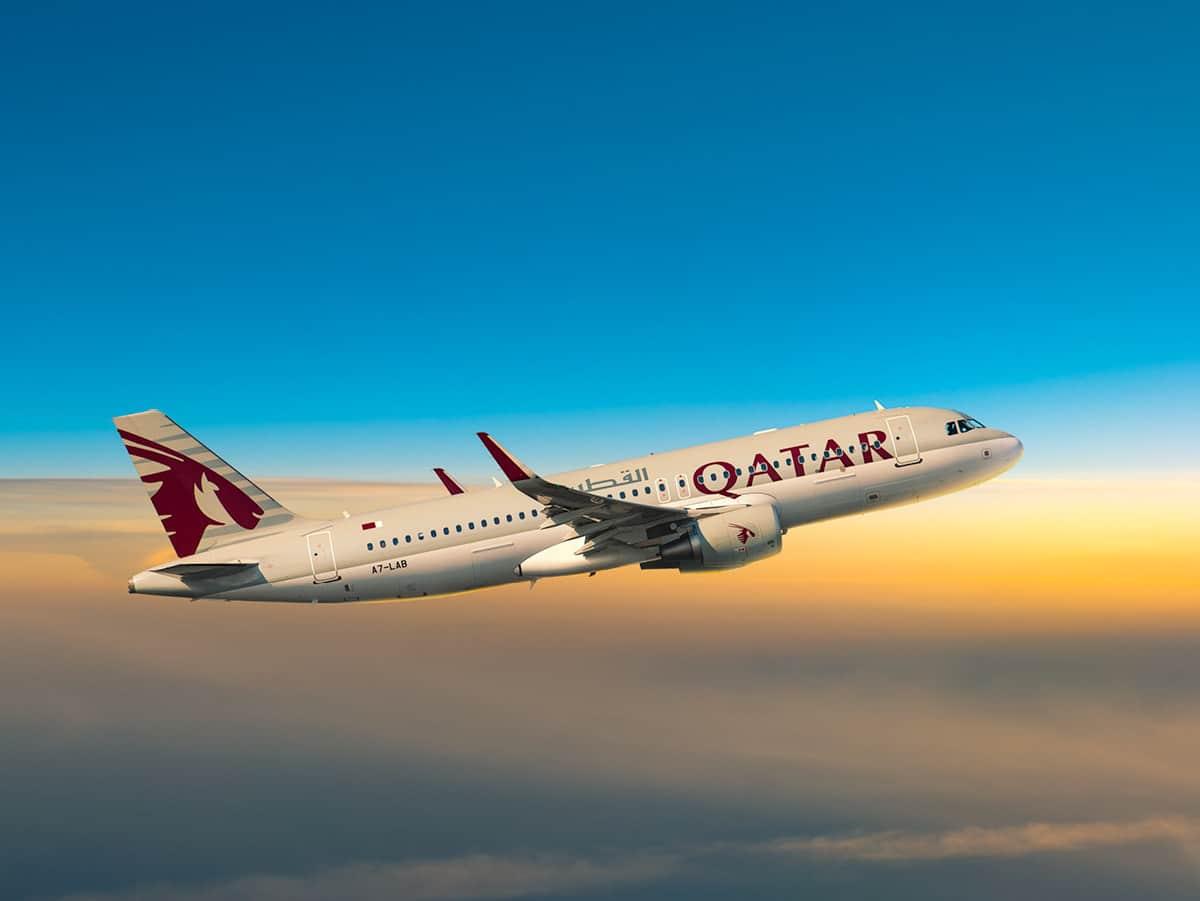
Qatar Airways Launches First Port Sudan Flights From Doha With Airbus A320
10 sources compared