Europe23 October, 20252 min read
Hungarian Government and Opposition Hold Mass Rival Rallies Ahead of 2026 Election
This article is an automated aggregation of coverage from news outlets. Our editorials offer in-depth analysis curated by the NewsCord team.
Hundreds of thousands attended rival rallies in Budapest supporting Orbán and opposition. Rallies coincided with Hungary’s national holiday commemorating the 1956 anti-Soviet uprising.

8 outlets told this the same way.
Outlets did split on Azerbaijan Bars Hijab in Schools, Sparking Protests in Baku and Arrests →
Hungary's Pre-Election Rallies
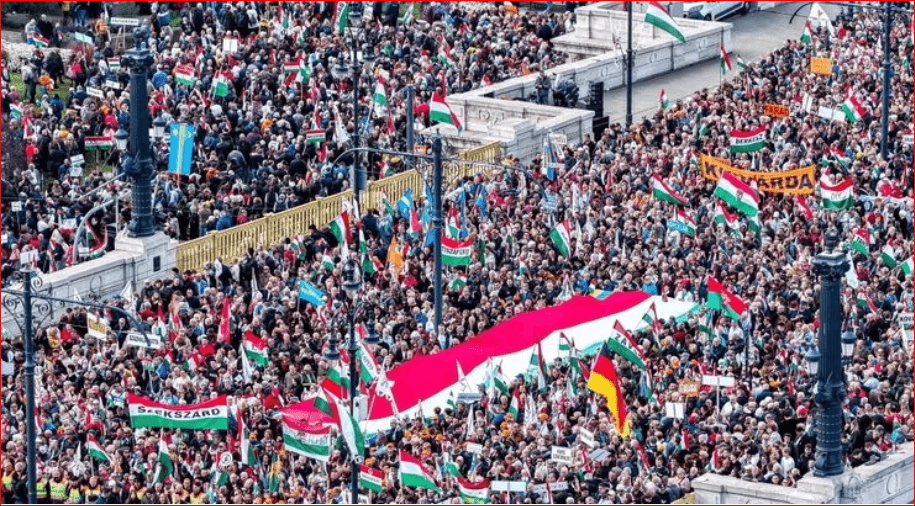
Competing mass rallies in Budapest highlighted Hungary’s escalating political confrontation ahead of the 2026 election. Both the government and opposition viewed the demonstrations as a test of their momentum. Western mainstream media reported large turnouts at the events.
“Hundreds of thousands of people took to the streets of Budapest in competing demonstrations ahead of next spring’s national election.”
The Washington Post and ABC News described the gatherings as attracting “hundreds of thousands” of participants in rival demonstrations. AP News and EDP24 characterized the day as featuring “rival political marches” or “dueling marches” to measure campaign energy about six months before the vote. Bangladesh Post linked the rallies to the October 23 national holiday and emphasized that the events reflected a growing divide with the election scheduled in six months.
Orbán's Peace March and Stance
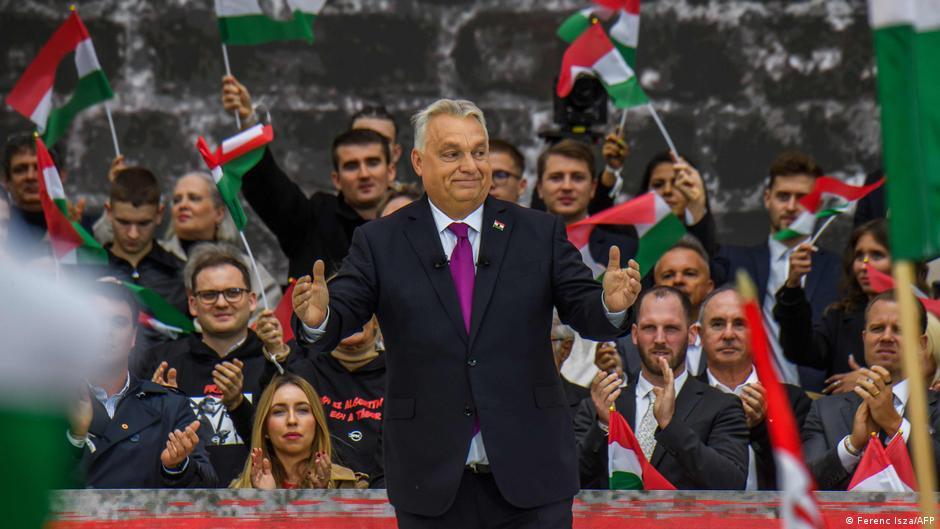
Prime Minister Viktor Orbán’s camp staged a pro-government “peace march” that emphasized his opposition to Western involvement in the Russia‑Ukraine war and his calls for a ceasefire. The march was wrapped in themes of sovereignty and Christian values. ABC News reports the march stressed an “anti‑EU and anti‑Ukraine stance,” and that Orbán called for a ceasefire while rejecting Ukraine’s deeper integration.
Bangladesh Post echoes the sovereignty-and-values framing and notes Orbán’s close ties to Russia. Editorji describes Orbán as a close ally of Russian President Vladimir Putin who continues to criticize Western support for Ukraine and calls for an immediate ceasefire. AP News adds operational detail: despite struggles to energize supporters, Orbán mobilized thousands, with buses bringing participants from across Hungary and neighboring countries.
Péter Magyar's Political Rise
Orbán’s chief challenger, Péter Magyar—a former Fidesz insider—has surged by campaigning on everyday issues and anti-corruption, especially in rural areas, while calling for unity after the vote. EDP24 says he has gained prominence by targeting inflation, poor healthcare, and corruption, and conducted an extensive countrywide tour. ABC News similarly notes momentum from focusing on inflation and healthcare, especially in rural areas.
“The article highlights the rising political challenge faced by Hungary’s Prime Minister Viktor Orbán from lawyer and former Fidesz insider Mr. Magyar, who has gained prominence by addressing key issues like inflation, poor healthcare, and government corruption.”
AP News reports he urged unity and perseverance. Washington Post frames him as posing the most serious challenge to Orbán in 15 years. Bangladesh Post also stresses Magyar’s anti-corruption platform as leader of a new center-right party.
Election Polls and Competitiveness
Polling and competitiveness narratives converge on a tight race but differ on nuance. EDP24 and ABC News both say Magyar is leading, while noting Orbán’s base remains sizable. AP News and Editorji say Orbán is trailing Magyar’s Tisza and has struggled to energize supporters, yet retains significant popularity.
Bangladesh Post calls this one of the most competitive elections of Orbán’s tenure. Washington Post underscores the high-stakes clash with massive rival rallies.
Crowd Dynamics and Unity Messages
Crowd composition and messaging also differed. AP News reports buses brought Orbán supporters from across Hungary and neighboring countries. Bangladesh Post says Hungarian communities abroad joined, indicating a mobilized cross-border network.
“Supporters from Hungary and Hungarian communities abroad participated, signaling the high stakes of the upcoming vote.”
ABC News and EDP24 emphasize that both sides attracted large crowds as a real-time gauge of campaign strength. ABC adds that Magyar called for political unity after the election.

Editorji notes pro-government supporters hoped for unity and peace in Orbán’s speech. AP and EDP24 focus on Magyar’s post-election unity appeal at his rally.