Africa29 October, 20252 min read
Hurricane Melissa Kills Dozens Across Haiti, Jamaica, and Cuba, Cuts Off Rescue Services
Hurricane Melissa struck Jamaica as a Category 5 storm with winds up to 185 mph. At least 30 people died across Haiti, Jamaica, and Cuba due to flooding and structural damage.
26 outlets told this the same way.
Impact of Hurricane Melissa
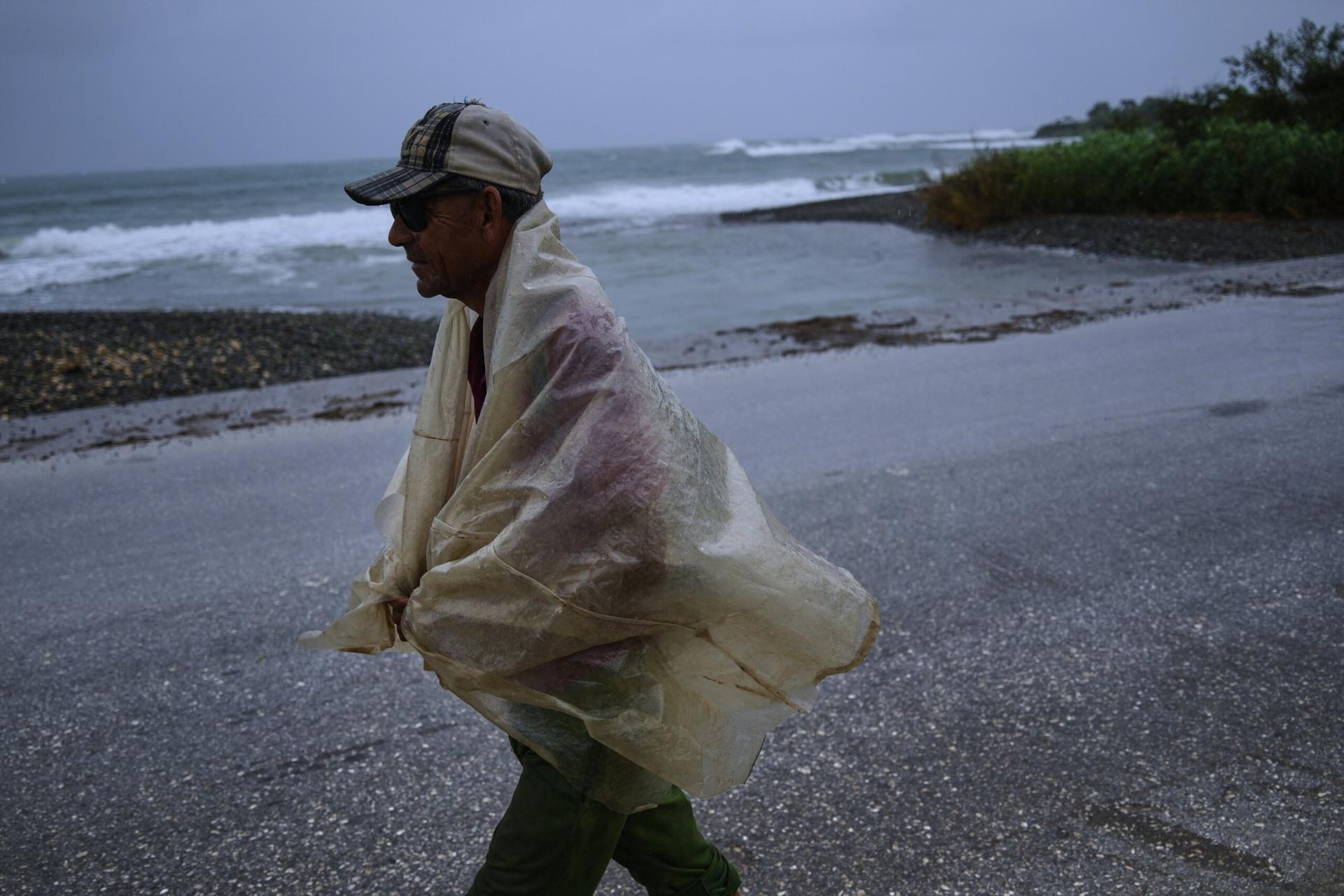
Hurricane Melissa has torn through Haiti, Jamaica, and Cuba, leaving catastrophic destruction and contested death tolls. The storm's track is volatile and now threatens the Bahamas and possibly Bermuda. Western mainstream outlets describe catastrophic damage across the three hardest-hit countries, with reports of severe flooding, collapsed homes, and communities cut off.
“Hurricane Melissa has caused catastrophic damage across parts of Cuba, Jamaica, and Haiti.”
Some residents in Jamaica described the devastation as apocalyptic. While some coverage says the hurricane weakened after striking Cuba, others still warn of dangerous winds and storm surge as the system moves through the Bahamas.

Overall regional death toll estimates vary widely, from dozens of deaths in Haiti alone to at least 34 fatalities region-wide. This wide range underscores ongoing uncertainty amid blocked roads and disrupted communications.
Flooding Crisis in Haiti
Haiti has become the center of Melissa’s deadliest flooding. The worst impact is in Petit-Goâve, where a river overflowed its banks. Sudden surges from the La Digue River swept away homes and families.
Local and regional reports indicate multiple children have died. Injuries and missing persons are increasing as transportation to the south is halted. Red alerts have been issued in response to the situation.

Blocked roads and damaged rescue infrastructure have worsened the crisis. Haiti’s political instability has also slowed relief efforts. Officials warn that the death toll may rise as access to affected areas improves.
Storm Impact in Jamaica
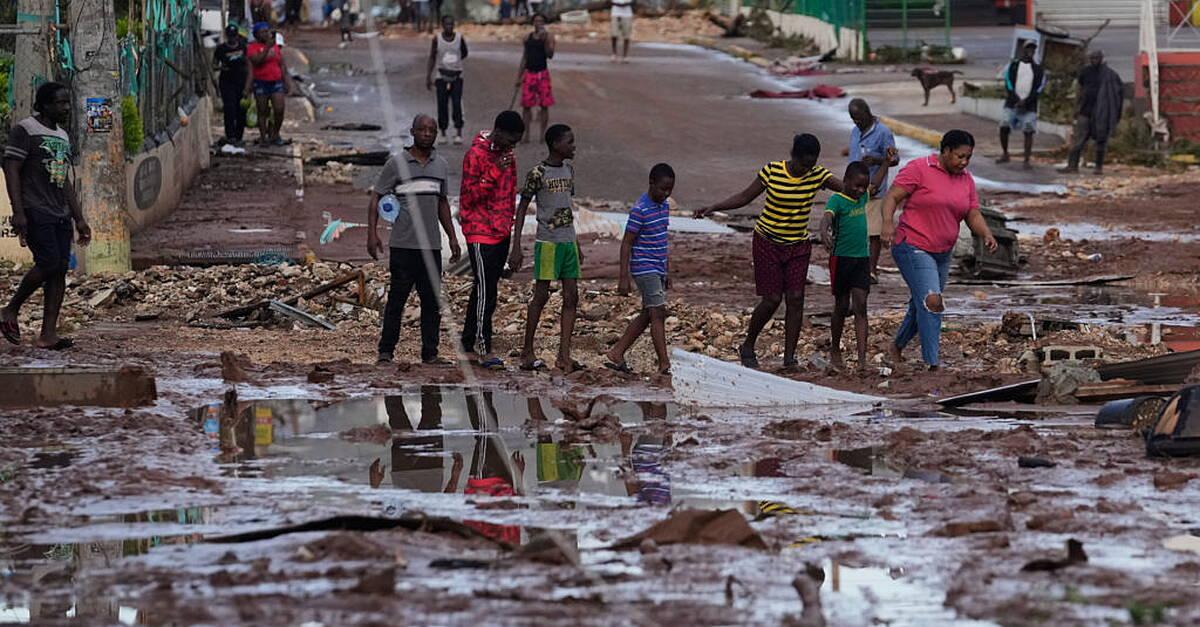
In Jamaica, the storm pummeled western communities, isolating towns and overwhelming local services. The coastal town of Black River was declared “ground zero” after catastrophic flooding and wind damage. Power and connectivity failures were widespread, and shelters were filled by the tens of thousands.
“Jamaica’s coastal town of Black River has been declared ground zero by the prime minister after catastrophic flooding and wind damage left the town without water, electricity, and critical services.”
Urgent needs ranged from food to blood donations as national collection drives were disrupted. Airports have begun reopening to facilitate relief efforts. Reported death tolls remain inconsistent across outlets due to limited access to rural areas and ongoing searches.
Impact of Storm in Cuba and Bahamas
Cuba experienced a direct landfall from the storm, with mountainous eastern provinces such as Santiago de Cuba and Granma facing collapsed homes, flooded streets, and disrupted public services. Authorities sheltered hundreds of thousands of residents in response to the storm. Reports vary on the extent to which the storm weakened and the number of Cubans who sought refuge.
All reports warn of severe flooding, landslides, and delayed recovery due to swollen rivers and blocked roads. Both local authorities and the National Hurricane Center continue to urge residents in the storm’s path, including those in the Bahamas, to remain sheltered because of ongoing risks from flooding and downed power lines.

Storm Response and Preparations
As the storm moves toward the Bahamas and Bermuda, governments and aid organizations are mobilizing across the region. The UK has pledged £2.5 million and deployed the Royal Navy to support Jamaica. The U.S. is coordinating with multiple governments and sending rescue teams and supplies.
“The UK is providing £2.5 million ($3.3 million) in humanitarian aid to Jamaica, including emergency supplies, and the Royal Navy is deployed in the region.”
Additional U.S. disaster response teams are on their way. UNICEF and charities are staging materials for Cuba and Jamaica.
The Bahamas has begun evacuations from vulnerable areas as authorities warn residents to stay sheltered. Officials urge people to complete preparations for tropical-storm-force winds and storm surge.