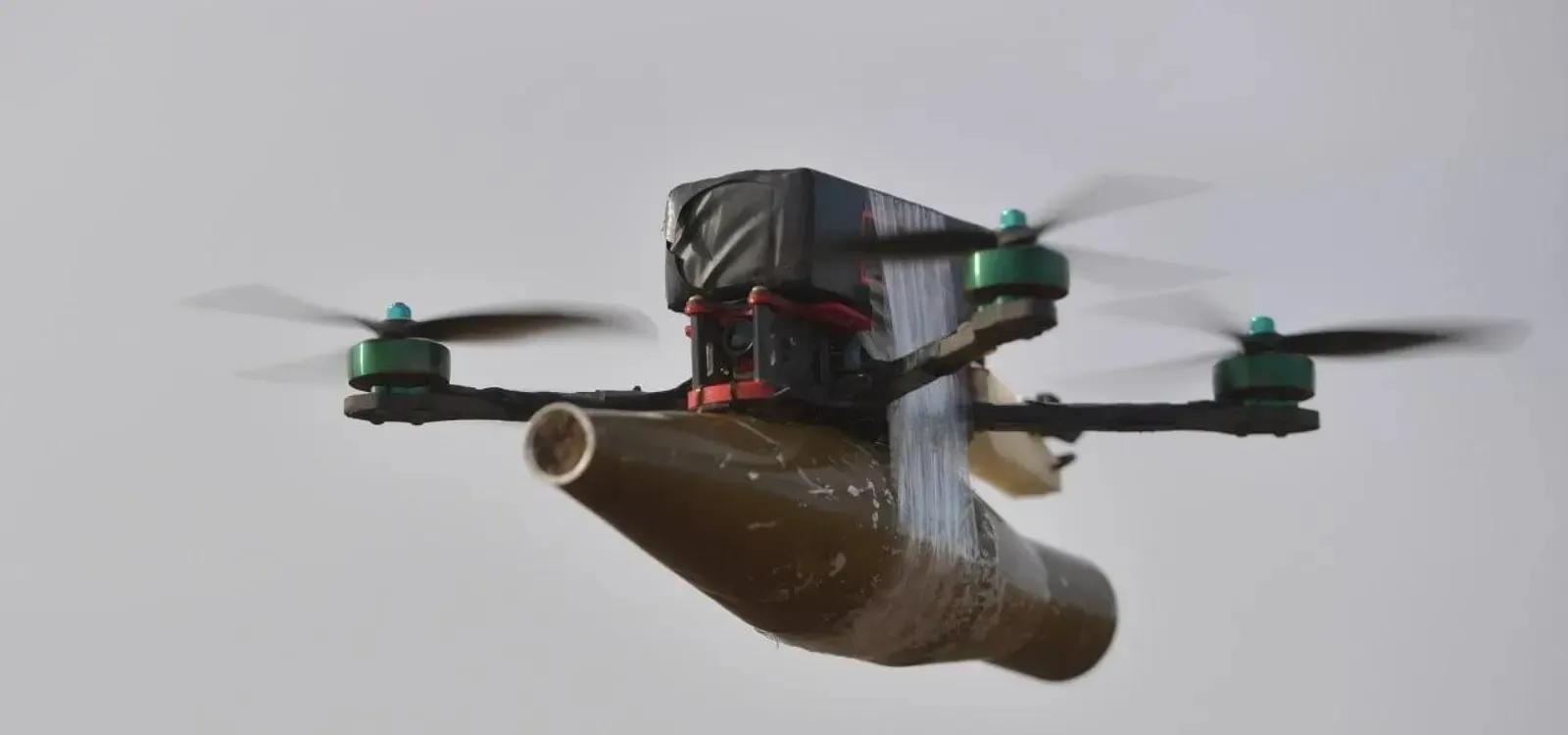
IDF Says Hezbollah Launched Rockets And Drones After Trump Announced End To Hostilities
Key Takeaways
- Hezbollah launched rockets and drones at Israel, continuing cross-border attacks.
- FPV drones enable nighttime strikes, signaling a growing Hezbollah drone threat.
- A ceasefire with Lebanon is in effect, but violations are reported.
Rockets after Trump truce
The Israel Defense Forces said Hezbollah continued to launch rockets and drones overnight on Monday, hours after US President Donald Trump announced an end to hostilities, with sirens sounding across the Galilee and Golan Heights after projectiles were fired from Lebanon.
The IDF said two launches crossed into Israeli territory and were intercepted, with no casualties reported, and it also said a “suspicious aerial target” fell near the border with no injuries reported.
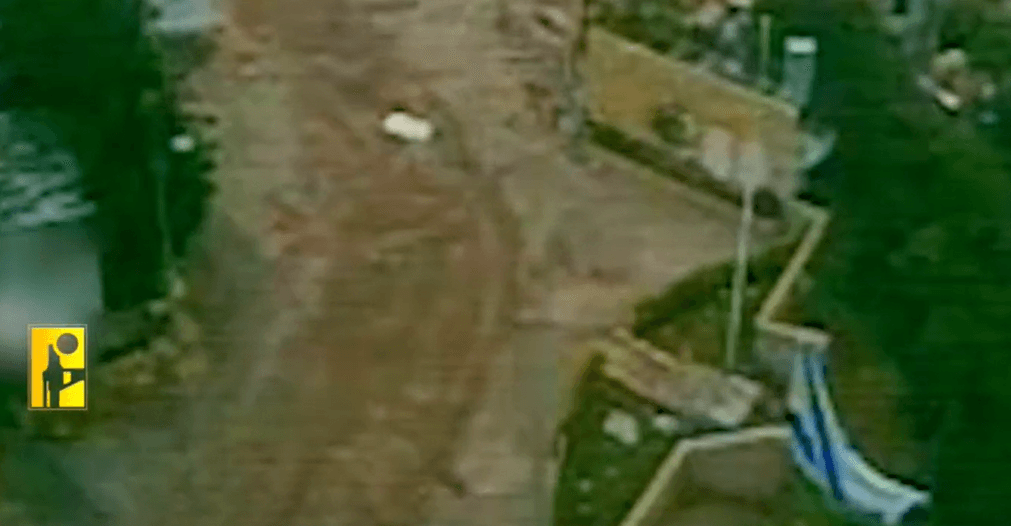
Trump told ABC News that he believes there will be a deal with Iran to extend the truce and reopen the Strait of Hormuz “over the next week,” and he said, “So, I spoke with Hezbollah, and I said no shooting, and I talked to Bibi and said, no shooting, and they both stopped shooting each other.”
In response to Trump’s announcement, Netanyahu said he told Trump “that if Hezbollah does not stop firing at our cities and citizens, Israel will strike terrorist targets in Beirut,” and the IDF said it would continue to operate as planned in Southern Lebanon.
FPV drone threat
As the IDF assessed Hezbollah’s drone activity, the Jerusalem Post described FPV drones in southern Lebanon as a tactical threat because they do not rely on wireless communication and are “immune to GPS jamming or other electronic defenses.”
The Jerusalem Post said an IDF military drone expert described theoretical ranges of 55-60km, while also warning that operating such drones over that distance involves “highly complex engineering challenges.”
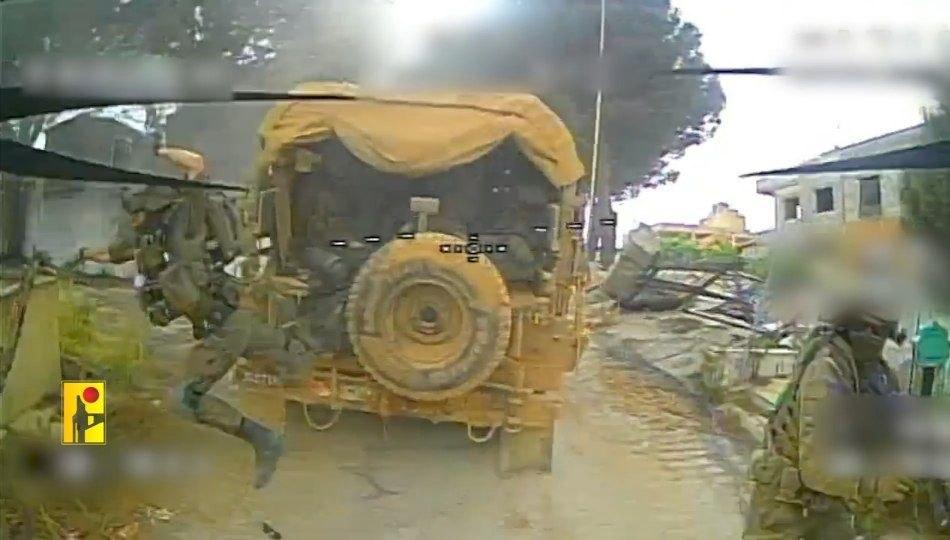
Jewish Insider reported that Foundation for Defense of Democracies senior fellow David Daoud said, “You just have Israeli soldiers completely unaware. If you can’t hear the drone, if you don’t know that it’s there until it’s too late, it’s too late,” linking the drones’ low detectability to casualties.
Jewish Insider also quoted Yaakov Katz of the Jewish People Policy Institute saying the drones are “small, they fly very low, so they’re not seen or detected mostly by radar,” and that even when detected they can be difficult to intercept or destroy with traditional electronic warfare.
Deaths, learning curve, stakes
Ynetnews said the IDF is investigating how Hezbollah FPV drones struck troops in southern Lebanon at night for the first time, including the Saturday killing of Givati Brigade soldier Staff Sgt. Michael Tyukin, 21, of Ashkelon.
Ynetnews added that overnight Sunday into Monday, Maglan commando Staff Sgt. Adam Tzarfati, 20, of Rosh HaAyin, was killed, and it said the military had been concerned Hezbollah could equip fiber-optic FPV drones with thermal systems to enable night operations.
A Givati reconnaissance soldier said, “It’s quite unusual that the drone struck a force at night. That still hasn’t happened to combat teams before,” and Ynetnews quoted a soldier describing the broader toll: “Fifteen people have been killed during what is supposed to be a ceasefire, when there really is no ceasefire.”
Ynetnews also reported that military officials said, “There is a steadily rising learning curve, and not only with drones,” and it described the IDF and Hezbollah as engaged in a battle of adaptation as Hezbollah studies IDF tactics and improves over time.
More on Lebanon
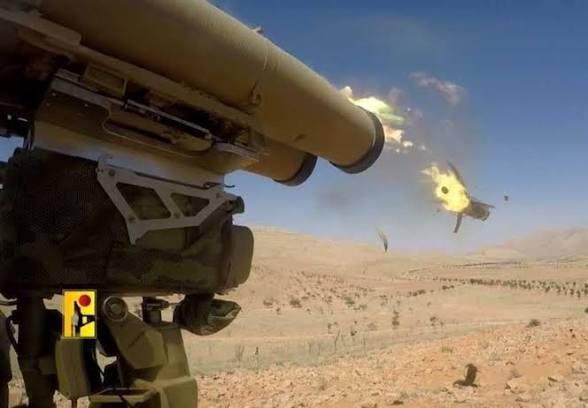
Hezbollah FPV Drones Kill One Israeli Soldier, Wound Six in Southern Lebanon
12 sources compared
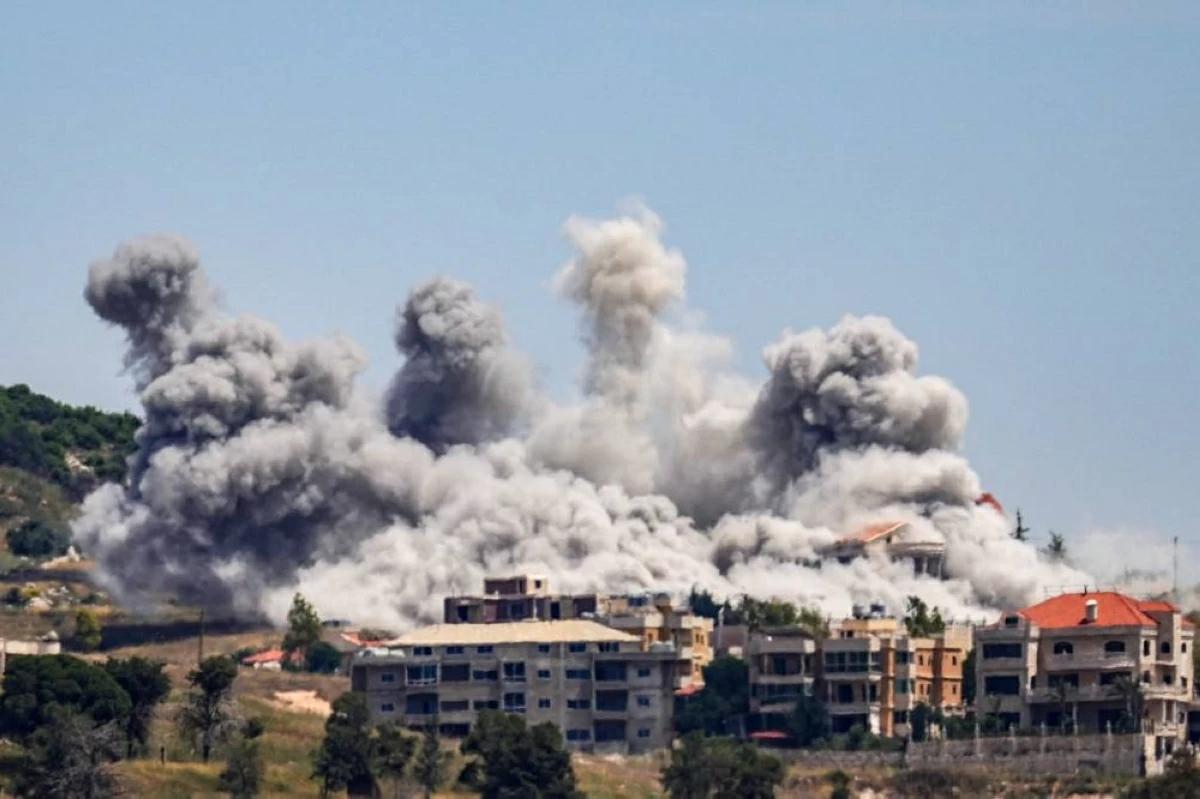
Israel And Lebanon Resume Fourth Ceasefire Talks In Washington After Trump Announces Hezbollah Halt
19 sources compared
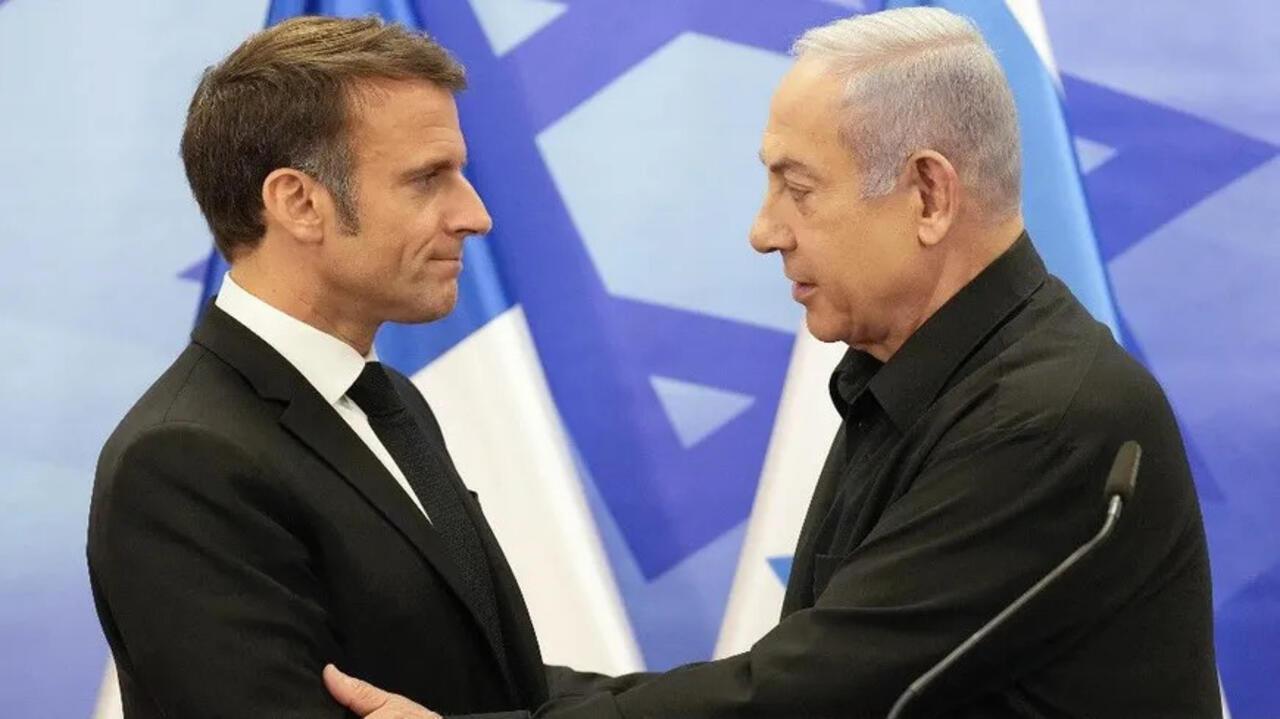
Jean-Noël Barrot Visits Lebanon as Israeli Army Strikes Kill At Least 968
10 sources compared
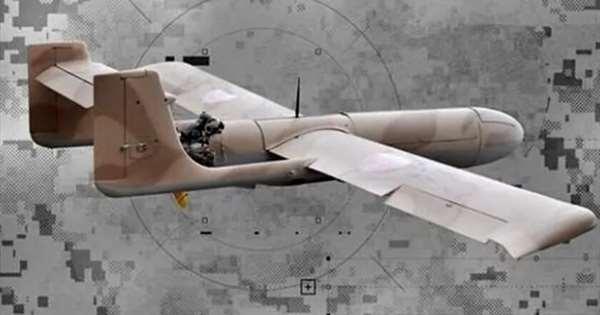
Hezbollah Kills IDF Maglan Staff Sgt. Adam Tzarfati in Yohmor Drone Attack Near Beaufort Castle
11 sources compared