Lebanon03 June, 20263 min read
Israel And Lebanon Resume Fourth Ceasefire Talks In Washington After Trump Announces Hezbollah Halt
This article is an automated aggregation of coverage from news outlets. Our editorials offer in-depth analysis curated by the NewsCord team.
Lebanon-Israel fourth round talks opened in Washington under U.S. mediation amid ongoing clashes. Trump announced a ceasefire and de-escalation commitments, boosting negotiations.
The Jerusalem Post was read line by line by the Watchdog: 2.8. See the score →
Beirut talks resume
A fourth round of negotiations between Israel and Lebanon resumed in Washington at the U.S. State Department on Tuesday, after U.S. President Donald Trump announced a cease-fire between Hezbollah and Israel.
L'Orient Today said the Lebanese delegation entered the fourth round buoyed by Trump’s announcement, with U.S. Ambassador to Lebanon Michel Issa attending a U.S.-hosted meeting with Israeli and Lebanese delegations at the State Department in Washington, DC on June 2, 2026.
The Jerusalem Post reported that during talks on Tuesday, senior members of the Israeli delegation said Hezbollah did not stop fighting despite promising Trump to do so on Monday.
The Jerusalem Post also said Israeli delegation members claimed Hezbollah publicly rejected the equation of a ceasefire in southern Lebanon in exchange for a ceasefire in northern Israel.
In parallel, The Times of Israel said the talks were scheduled to last for two days and that a senior Lebanese official told Reuters the Washington talks would explore ways to reinforce the fragile ceasefire, possibly through phased approaches including “pilot zones.”
Quotes and competing narratives
The Jerusalem Post quoted a U.S. administration source telling KAN, “Our logic is to contain the fighting in Lebanon and not make it an issue in negotiations,” as it described Hezbollah’s public rejection of a ceasefire trade.
The Jerusalem Post also reported that US Secretary of State Marco Rubio said Iran wants to “mix it all together,” while the U.S. seeks to view the Lebanon-Israeli talks as separate and distinct from Iran.

In Washington, The Times of Israel reported that Hezbollah’s press office head Youssef al-Zein said the group would not take a public stance on any ceasefire proposal without a formal declaration compelling Israel to fully halt hostilities across Lebanon.
The Times of Israel added that Mahmoud Qomati told AFP in a written statement, “We will not accept a partial ceasefire,” and said “the Zionist enemy should know that any aggression against the suburbs could lead to a deeper and stronger response.”
Meanwhile, L'Orient Today said the development was welcomed in Beirut and that it sought to capitalize on it during the fourth round of negotiations held Tuesday at the U.S. State Department, pressing for the cease-fire to be consolidated.
What’s at stake next
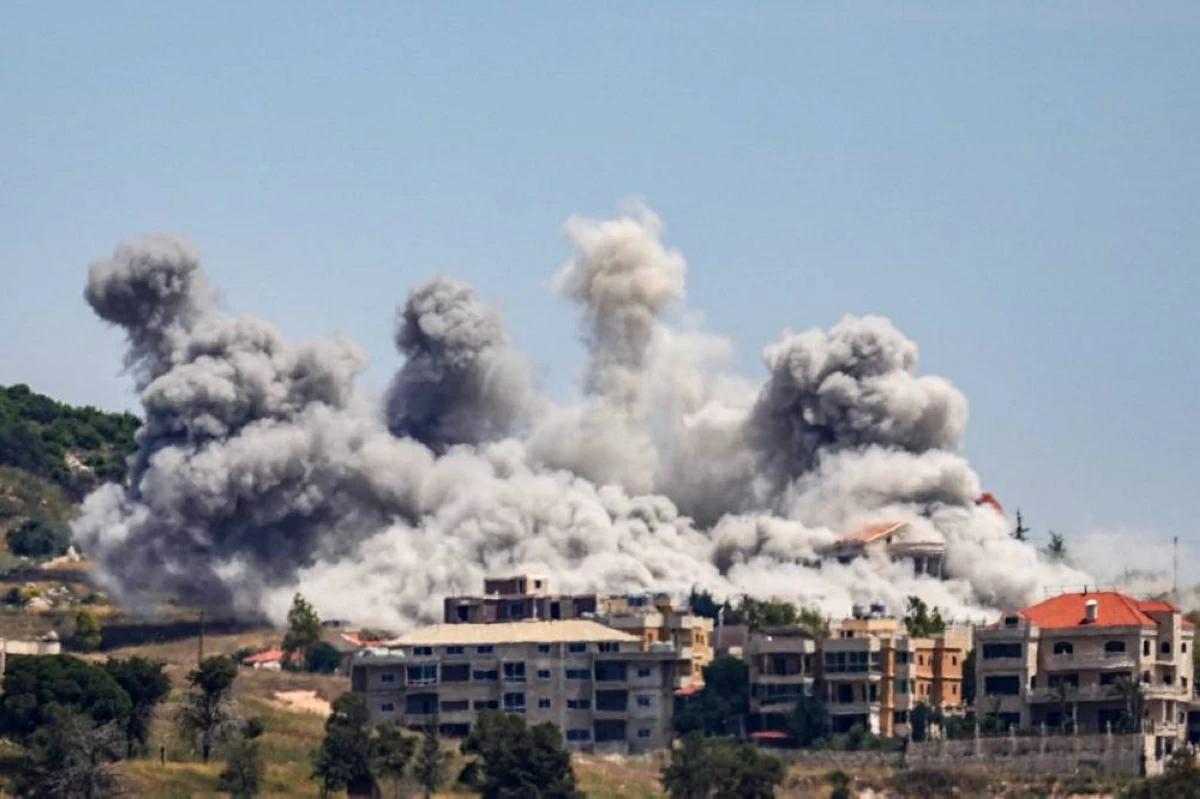
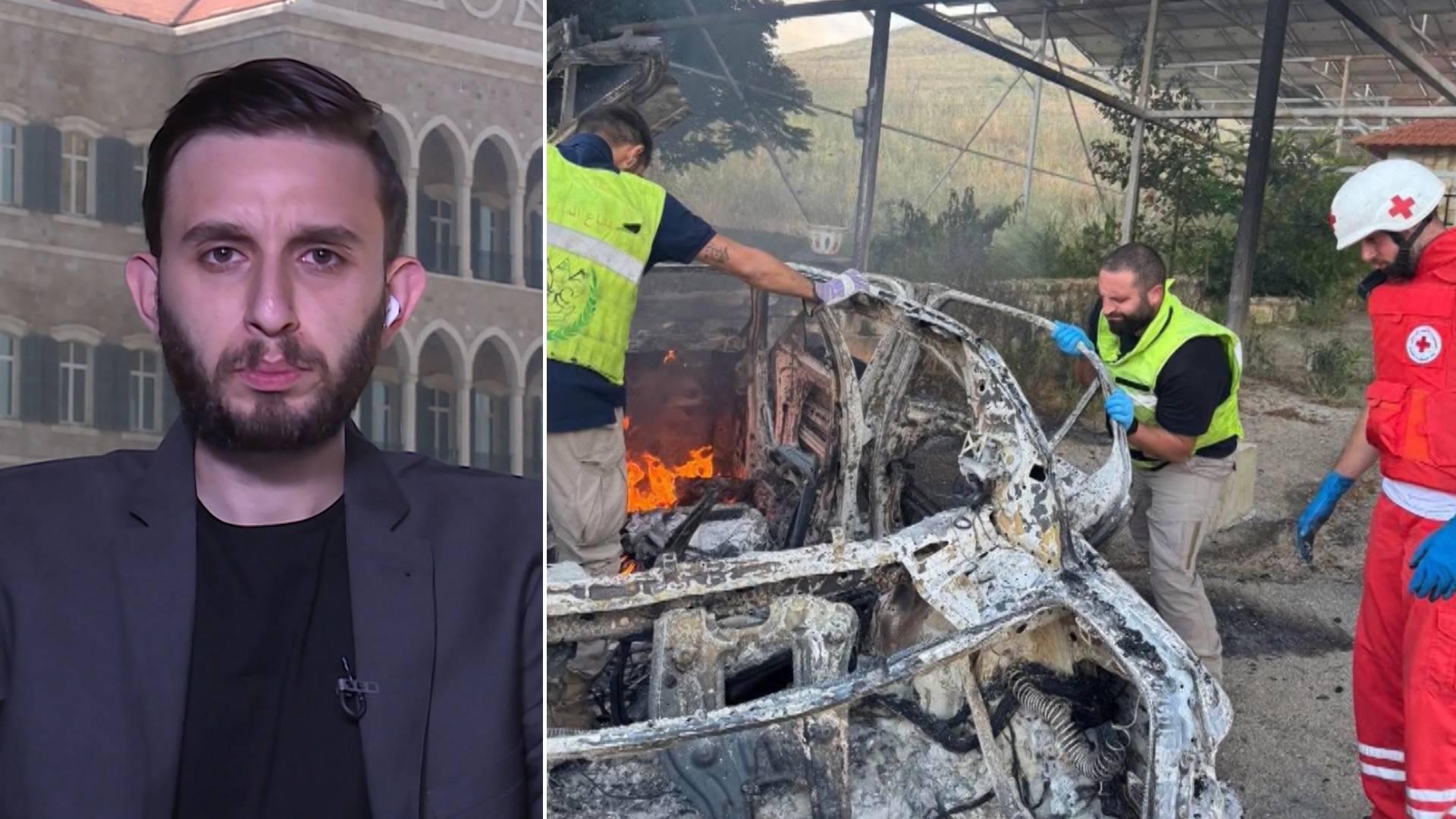
The Guardian said Lebanon’s health ministry reported that Israeli strikes a day earlier near a hospital in the southern city of Tyre killed four people and wounded 127 others, including 39 staff from the facility at the Jabal Amel hospital. The Guardian also quoted Rubio telling the US Senate foreign relations committee that Iran had agreed to negotiate aspects of its nuclear programme that it previously refused to discuss, while adding it was “not a guarantee that ultimately it will lead to a deal that’s acceptable.” In Beirut, The Jerusalem Post said the U.S. is forming a plan in which US forces will train their Lebanese counterparts to deal with Hezbollah in Beirut, with a U.S. administration source telling KAN the aim was to contain fighting in Lebanon.
The Times of Israel reported that the IDF Home Front Command announced it would ease safety restrictions in communities along the northern border, allowing schools to reopen and workplaces to operate in all communities along the Lebanon border as long as shelter could be reached in time. At the same time, L'Orient Today framed the negotiations as a test of whether the cease-fire could be extended beyond the southern suburbs of Beirut, as questions swirled over the circumstances, scope, durability, and whether it could eventually be extended to all of Lebanese territory.