Gaza Genocide03 May, 20267 min read
IDF Strikes Kill More Than 800 People Along Gaza’s Yellow Line After Six-Month Ceasefire
Six months after the ceasefire, Gaza experiences renewed Israeli strikes and ongoing killings. Casualties total around 730–750 Palestinians since the ceasefire, according to Gaza health authorities.
ynetglobal was read line by line by the Watchdog: 4.7. See the score →
Ceasefire, but no change
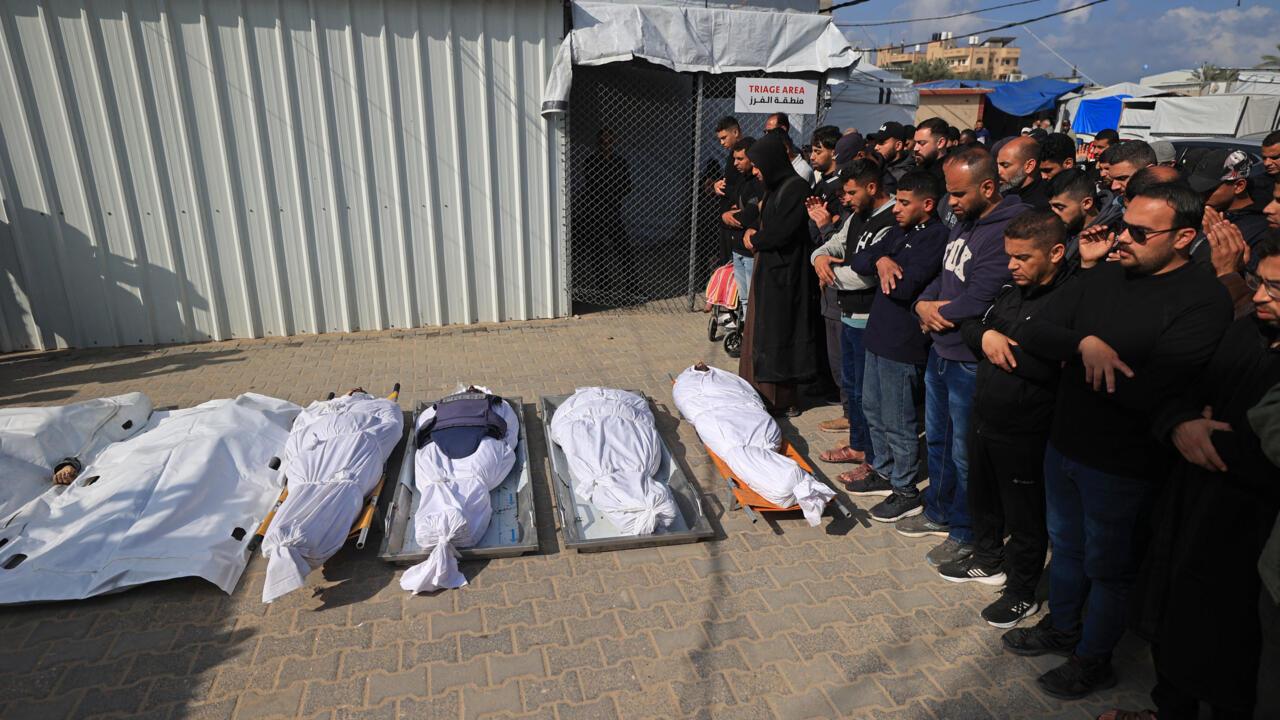
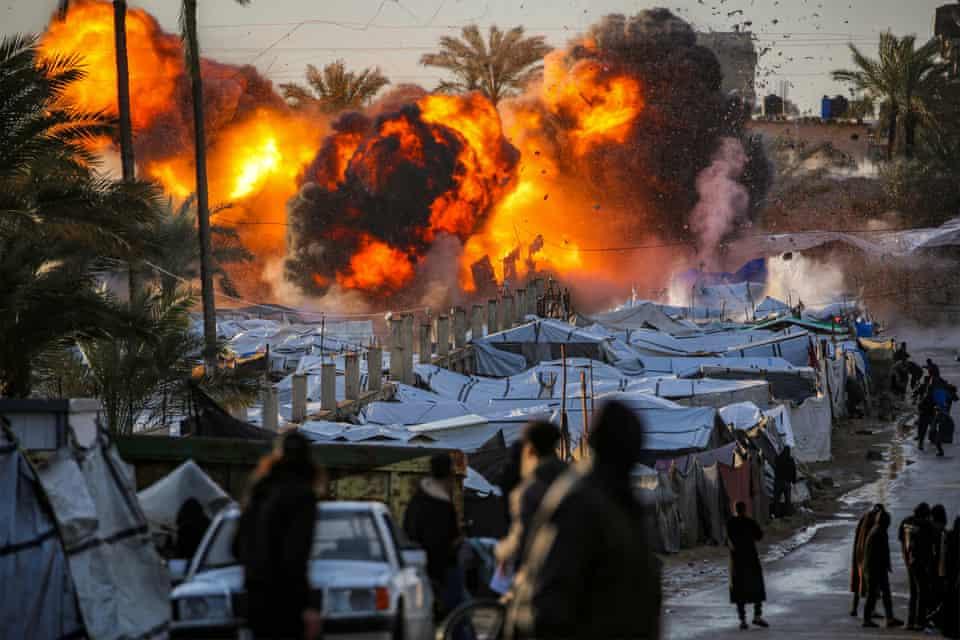
Six months after a ceasefire agreement ending the conflict in the enclave was signed, Gaza remains, in the words of ynetglobal, “not fundamentally different from what it was last October.” The ceasefire has stopped the “intense fighting,” but IDF strikes and “violent friction continue along the so-called ‘yellow line’ ceasefire demarcation dividing the Hamas-ruled and Israeli-controlled parts of the enclave,” according to ynetglobal. The article says that “more than 800 people have been killed in those strikes since the ceasefire,” and it describes “two million Gazans, crowded into 47% of the territory,” living “among rubble” with “nearly 100% unemployment and poverty.”
It adds that “movement into and out of Gaza remains restricted, despite the opening of the Rafah crossing in February,” and that “about 1,800 patients and their escorts have left the enclave for medical treatment abroad.” Le Devoir similarly marks the six-month point, saying the territory of “2 million people” has seen the “end of the fiercest fighting between Israeli forces and Hamas,” but that “the core work tied to the ceasefire remains to be done.”
Le Devoir frames that core work as “disarming Hamas and ending its two-decade rule, deploying an international stabilization force, and launching a broad reconstruction,” while noting humanitarian aid enters “only in a limited fashion through a single border crossing controlled by Israel.” Euronews adds that the UN High Commissioner for Human Rights said Israeli forces have killed “at least 32 Palestinians since the start of April,” and it cites the Gaza Health Ministry run by Hamas for the figure of “738 Palestinians” killed since the ceasefire began.
What led to the stalemate
Multiple reports tie the six-month limbo to unresolved implementation steps, especially Hamas disarmament, and to the broader regional context around the Iran war ceasefire.
ynetglobal says the plan centered on “the disarmament — or at least the beginning of the disarmament — of Hamas” and the establishment of “a new political order under the auspices of the Board of Peace created by U.S. President Donald Trump,” administered by “a Palestinian technocratic government” alongside “international forces planned for deployment on the ground.”

It argues that “in practice, six months later, Gaza is not fundamentally different,” and it points to continued IDF strikes and friction along the “yellow line.”
Le Devoir similarly says the ceasefire’s “core work” includes “disarming Hamas” and “deploying an international stabilization force,” and it describes the people of Gaza as being “in limbo” while aid enters “only in a limited fashion through a single border crossing controlled by Israel.”
Le Devoir also links the ceasefire’s fragility to the “confusion sparked by the new, even more fragile, ceasefire in the war with Iran,” and it notes that the Peace Council “has not met since” after the US and Israel attacked Iran “Nine days after the Council’s first meeting.”
In ynetglobal, Prof. Mkhaimar Abusada of Al-Azhar University in Gaza says the Cairo talks between Hamas and Nikolay Mladenov “revive the discussion on the issue” and raise “the question of when and whether the technocratic government will begin operating.”
ynetglobal also quotes Mladenov saying, “The end of the war has not brought the change the residents of Gaza had hoped for,” and it adds that “The ongoing strikes and humanitarian shortages reflect a wide gap between the political understandings that were reached and the reality on the ground.”
Voices: Hamas, UN, and mediators
As the ceasefire’s second phase remains contested, the sources present sharply different voices about what is happening on the ground and what must be done next. Hamas spokesperson Hazem Qassem tells ynetglobal that “Israel’s insistence on including the issue of disarmament in the discussions on arrangements in the strip contradicts the Trump plan and delays the full implementation of the agreement’s second phase,” and he adds that “Abu Obeida 2” made clear there was “no room to discuss the issue.” Le Devoir quotes an American official who said Hamas “had not been given a precise deadline to respond to the proposal,” while warning that “patience is not unlimited,” and it describes the Peace Council director Nickolay Mladenov telling the UN Security Council that “the world should not lose sight of Gaza as a new war was breaking out.”
In ynetglobal, Mladenov summarizes the six months since the ceasefire, saying, “Trump’s plan has reached a sensitive historic crossroads,” and he adds, “The end of the war has not brought the change the residents of Gaza had hoped for.” Euronews brings in the UN High Commissioner for Human Rights, Volker Türk, who said in a statement from Geneva that the pattern of killings reflects “a continuing disregard for Palestinian lives, aided by widespread impunity,” and it quotes Türk’s warning that “Over the past ten days, Palestinians have continued to be killed and wounded.”
VOI.id adds another Hamas voice through Hazem Qassem again, who says, “Continuing these violations exhausts civilians and shortens their lives,” while calling on mediators “to get involved and ensure compliance.” In the aid dispute, Hamas and Israeli authorities clash over truck numbers: Mont Carlo Internacional reports Hamas says aid entering Gaza “does not exceed 38% of what was agreed, at a rate of about 207 trucks per day,” while Israeli authorities say “roughly 600 trucks enter.”
Aid and the “Yellow Line” dispute
The sources depict the ceasefire as undermined not only by violence but also by disputes over humanitarian access and by the shifting “Yellow Line” that separates Israeli and Palestinian-controlled areas. VOI.id says Hamas argues that “moving the Yellow Line in the Gaza Strip… constitutes a violation of the ceasefire agreement with Israel,” and it quotes Hazem Qassem: “Continuing these violations exhausts civilians and shortens their lives,” while calling on mediators “to get involved and ensure compliance.” VOI.id describes the Yellow Line as dividing “47% under Palestinian control” and “57% under Israeli control,” and it says Israeli troops “moved it westward by placing yellow blocks along Salah Al Din Street,” turning “a vital route into a dangerous border” for “thousands of Palestinians.”
It adds that The New Arab cited a report saying the Israeli army “transformed the so-called Yellow Line… into a new border,” with “dozens of new military posts” and a buffer zone “parallel to Salah al-Din Street” with checkpoints. On aid, Mont Carlo Internacional reports a dispute over the scale of humanitarian aid, saying Hamas claims aid entering Gaza “does not exceed 38% of what was agreed, at a rate of about 207 trucks per day,” while Israeli authorities say “roughly 600 trucks enter.”
The same dispute appears in Xinhua’s report, where Hamas’s Gaza government media office rejects Nikolai Mladenov’s statements about aid volume, calling them “false,” and it says “the actual data for Thursday show only 207 trucks, including 79 aid trucks.” Xinhua also includes Mladenov’s counterstatement that “Today (Thursday) 602 trucks entered Gaza carrying essential supplies for families that have waited a long time,” and it says he described this as “what expanded access to aid should look like.”
Deaths, strikes, and what comes next
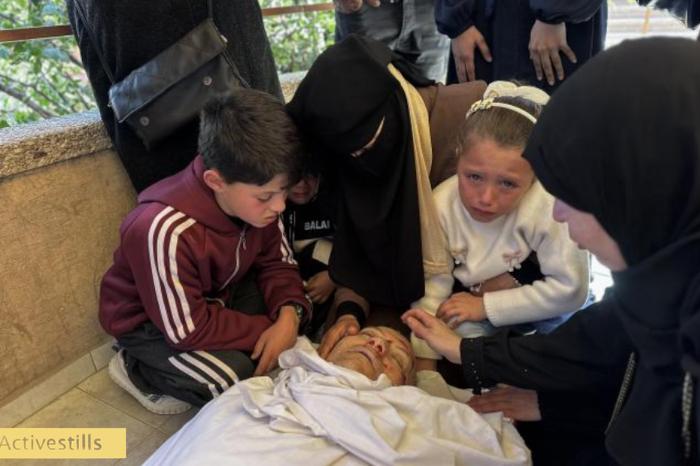
Even as mediators try to revive the ceasefire, the sources describe continued strikes and a rising death toll, while negotiations over the second phase remain stalled. Euronews says the UN High Commissioner for Human Rights warned that Israeli attacks have continued “on a near-daily basis” despite the truce taking effect on “October 10, 2025.” Euronews also provides specific incidents: it says on “April 9” a girl in the third grade was killed by Israeli forces who opened fire on a “crowded tent camp in Beit Lahia,” and it says “the day before” a journalist working for Al Jazeera was killed in Gaza City by a drone strike.
Le Monde describes the case of nine-year-old Ritaj Rihan, saying she received “a bullet in the mouth” while following her mathematics class under a tent serving as a classroom in “Beit Lahya,” and it quotes the army’s written reply that it “could not determine whether there were shots toward that location on April 9.” In parallel, Reuters-sourced reporting in West Asian outlets describes new attacks during ceasefire talks in Cairo: صحيفه الخليج and صوّت بيروت إنترناشونال say “at least four Palestinians were killed in two Israeli attacks on Thursday” near “Salah al-Din Street” and “Deir al-Balah.”

The same Reuters-linked reporting says Hamas leaders met with mediators in Cairo to discuss ways to revive the fragile ceasefire, and it states that “efforts to push Israel and Hamas to implement the second phase have made little progress.” Looking ahead, Le Devoir says the Peace Council is “still waiting for Hamas to respond to its disarmament proposal,” and it notes that “patience is not unlimited.”