
Full story
VC pressure and fraud
A new report from the U.K.’s Imperial College and France’s Emlyon Business School maps out how Silicon Valley’s VC-backed founders commit fraud and the role investors play, with the study published online in June and based on a database of tech founders and companies facing civil and criminal securities fraud prosecutions from the SEC and DOJ between 2000 and 2023.
“Fraud is much more common and normalized in the startup world than we are ready to admit and accept”
The report’s authors say the pressure starts early once a startup takes institutional money, with Tim Weiss telling TechCrunch: "Fraud is much more common and normalized in the startup world than we are ready to admit and accept."
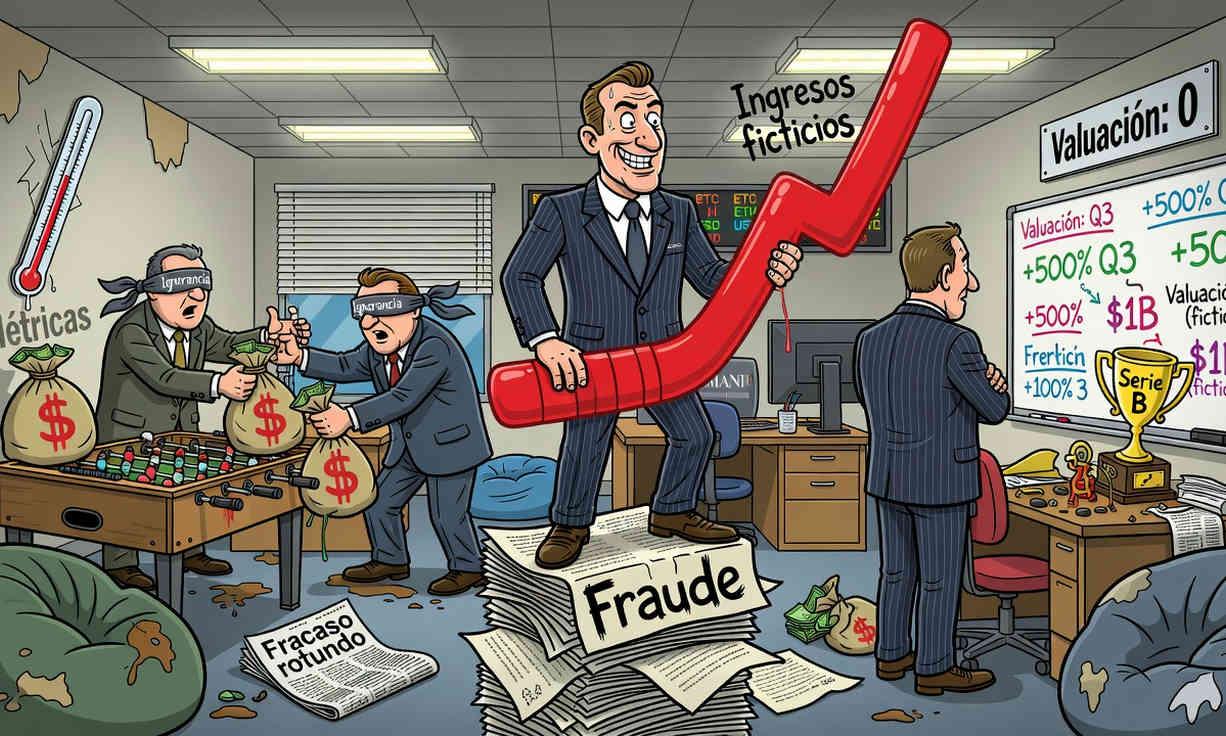
TechCrunch also points to a University of Toronto (UT) report that analyzed 654 fraud cases against U.S. VC-backed startups from 2000 to 2023, finding fraud is rare overall but that companies with venture funding were more likely to face fraud charges than those that didn’t take venture funding.
In the same framing, the UT report found that startups launched during overheated markets with weak oversight and investor due diligence are 19% more likely to later commit fraud, and Weiss said the “frothy AI startup environment” is exactly the kind of conditions that tempt founders into fraud.
The Tech Buzz version of the research similarly argues that the venture capital playbook of “raise big, grow fast, exit faster” can create a “specific type of desperation,” and it says the VC-backing variable remained a significant predictor of fraudulent behavior even after accounting for founder personality types and industry sectors.
Façading stages and co-creation
The report describes a progression of deception called “façading,” with three increasingly dishonest stages that begin with exaggerations and end in parallel realities, and TechCrunch lays out the stages as surface, reinforced, and deep.
In the “reinforced façading” stage, the paper says founders create fake evidence to back up earlier claims, including an example of a mobile testing app that created fake customer contracts and invoices, recorded fake revenue, and used those documents to convince VCs to back it at a unicorn valuation.

Weiss also argues that investors can “co-create fraud,” telling TechCrunch that some investors continue to back founders—sometimes the very same ones— who’ve previously been accused of fraud, thereby normalizing it.
The Tech Buzz account adds that the venture model can make oversight feel optional until “once we scale,” and it says founders face investor update calls where missing projections can mean the difference between a bridge round and bankruptcy.
In DiarioBitcoin’s retelling, the study adds that startups whose boards were controlled by the founders were twice as likely to commit fraud compared with those with boards controlled by investors or with shared governance.
Regulatory stakes and next moves
The research points to consequences for public markets and enforcement, with TechCrunch reporting that after VC-backed startups go public, they are more likely to face securities class-action lawsuits within two years compared with private equity-backed companies that go public.
“more likely to face securities class-action lawsuits within two years”
TechCrunch also says the study notes that companies staying private longer contributes to the difference, because public companies undergo more scrutiny than private ones.
Weiss proposes a change in how regulators act, telling TechCrunch that the SEC should routinely investigate and conduct formal audits on startups after they hit a large “investment threshold,” rather than waiting for something like a whistleblower complaint or a lawsuit.
In the same account, Weiss argues that investors should take more accountability, saying: "Investors should be held liable for corporate governance failures and violating their fiduciary duties."
Separately, The Tech Buzz frames the practical implications as a call for stronger governance from day one for investors, a warning to founders about the “path of least resistance” in VC-backed startups, and evidence that the startup ecosystem might need more oversight than the current hands-off approach.