Crime · updated 1h ago · 3 min read
Indian Pilot Capt Smit Machchhar Opens Flydubai Cockpit Door After Co-Pilot Stabs Him
Smit Machchhar says co-pilot stabbed him and he opened the cockpit door for help. He helped stabilize the plane and saved passengers after the attack.
11 outlets told this the same way.
Outlets did split on Tennessee Governor Bill Lee Suspends Christa Pike Execution After Two Pentobarbital Doses Fail →
7 of 8 outlets skipped it: UAE ordered a specialised Public Prosecution team probe the incident.
11outlets compared
Cockpit attack averted
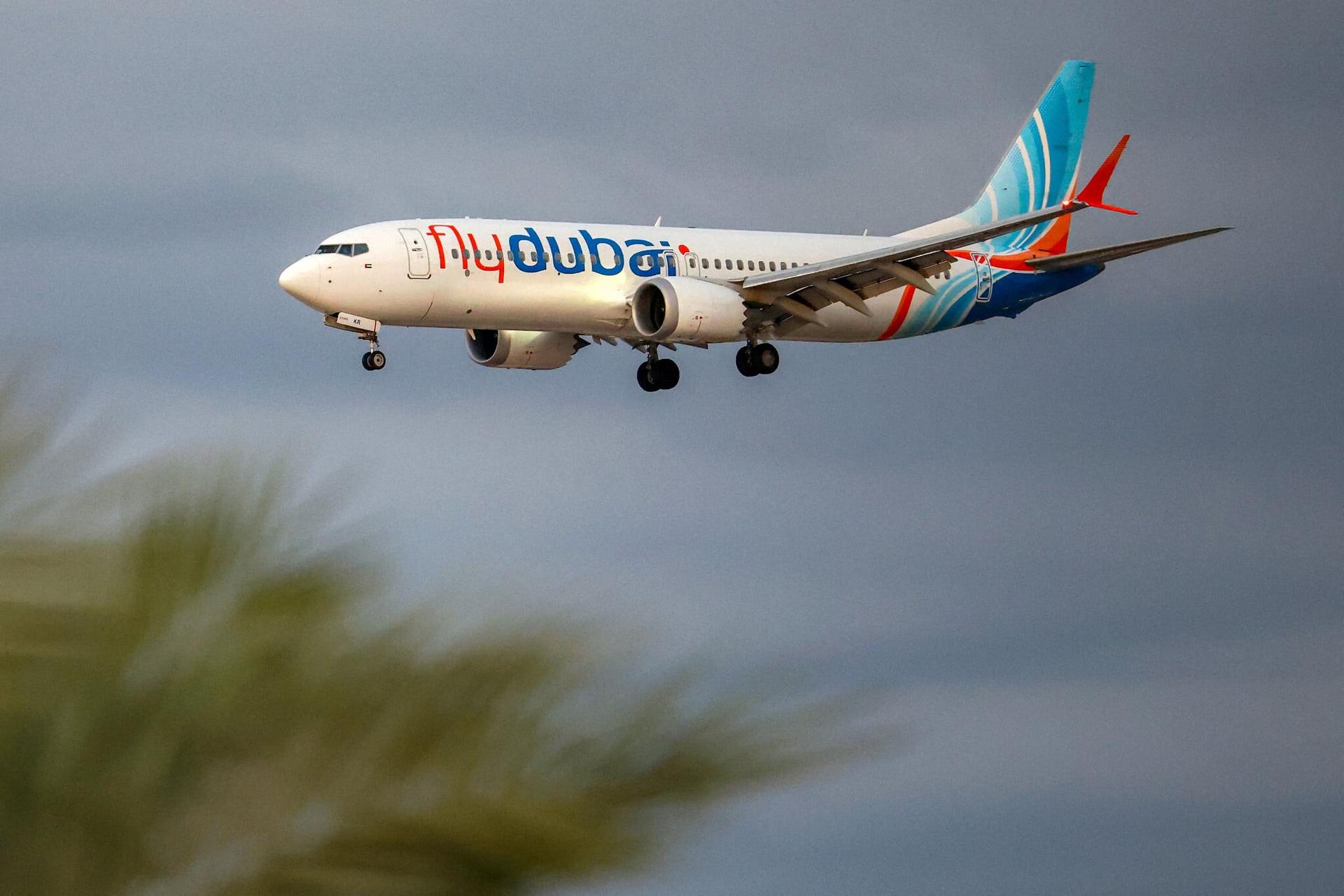
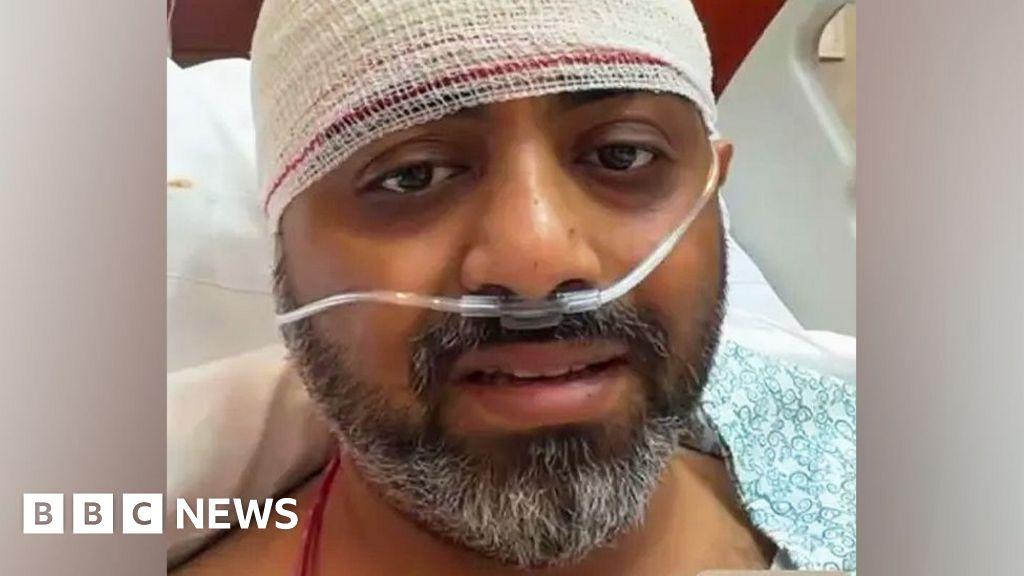
An Indian pilot, Capt Smit Machchhar, described how his co-pilot stabbed him during Flydubai Flight FZ1073 and how he opened the cockpit door so passengers could enter and restrain the attacker as the plane sank. Machchhar told Indian Prime Minister Narendra Modi in a video call that he was “lying on the floor injured” and that he “was not going to let others die,” even as he fought to open the door from inside. The flight, bound for Tel Aviv from Dubai, sent an emergency signal to air traffic controllers before switching to code squawk 7500, which indicates hijacking, and it plunged more than 17,000ft (5,200m) two and a half hours into its journey.
Israeli Prime Minister Benjamin Netanyahu later told the media that one pilot had stabbed the other before “apparently trying to crash” the plane, and passengers overpowered the attacker. Two reserve pilots onboard safely landed the plane at Tabuk Airport in north-western Saudi Arabia at 06:58 local time, and Machchhar was taken to hospital in Tabuk before being airlifted to Abu Dhabi.
Modi, Netanyahu, and probes
Machchhar told Modi that he had to do “one last push to open the door from inside,” and he said “Others came in and also played a role [in controlling the situation].” Netanyahu said the attacker was arrested in Saudi Arabia and was being questioned there, and the United Arab Emirates began investigating “whether the incident was linked to any terrorist activity or purpose,” according to the country’s state news agency. The United Arab Emirates ordered a probe into the Flydubai mid-air incident, and the UAE Ministry of Foreign Affairs said Attorney-General Counsellor Dr Hamad Al Shamsi had ordered the formation of a specialised Public Prosecution team.
The Times of India said the UAE investigation would examine “any possible connection to terrorist activity or intent,” and it would also look at whether the incident involved prior planning or direction. The New York Times reported that investigators were still trying to understand what prompted the attack, and it said the United Arab Emirates said it would take the lead in investigating whether the attack was linked to terrorism.

Service disruption and wider impact
Flydubai suspended its service between Dubai and Tel Aviv after the attack, and the New York Times said the incident halted the only direct service between the two cities since the war in Iran disrupted air traffic. David Sasi, a spokesman for Miri Regev, said thousands of Israelis were estimated to have remained in Dubai since the attack on Wednesday, and several Israeli airlines prepared special flights to bring Israelis back from Dubai. The Times of Israel said Transportation Minister Miri Regev asked Prime Minister Benjamin Netanyahu to immediately suspend flydubai flights to Israel until the circumstances of Wednesday’s incident were clarified.
The Times of Israel reported that flydubai later announced that all flydubai flights to and from Israel would be suspended while an investigation into the incident was ongoing, and it quoted a flydubai spokesperson saying, “This temporary suspension will allow the relevant authorities to continue their work and establish all the facts surrounding the incident.” The Times of Israel also said flydubai carried roughly 90,000 passengers during August through Ben Gurion Airport data, and it reported that since the beginning of 2026, more than 420,000 passengers had flown with the airline to or from Ben Gurion, accounting for roughly 4% of the airport’s international passenger traffic.