India06 October, 20253 min read
Indian Pilots Demand Grounding and Inspection of All Boeing 787s After Air India Midair Emergency System Failure
This article is an automated aggregation of coverage from news outlets. Our editorials offer in-depth analysis curated by the NewsCord team.
Air India Boeing 787-8's ram air turbine deployed unexpectedly during final approach. India’s largest pilots’ association demands grounding and inspection of all Boeing 787s.
11 outlets told this the same way.
Air India 787 Safety Concerns
India’s largest pilots’ group escalated safety demands after an Air India Boeing 787’s emergency power device—the ram air turbine (RAT)—unexpectedly deployed on Flight AI-117 approaching Birmingham. The deployment occurred even though engines and main systems were reported normal. The Federation of Indian Pilots called for regulators to ground or at least comprehensively inspect all 787s in India.
“India’s leading pilots’ association has requested the civil aviation regulator to inspect all Boeing 787 Dreamliners in the country for electrical issues after an Air India flight’s emergency power system, the ram air turbine (RAT), unexpectedly deployed midair.”
Accounts differ on whether the demand is for full grounding or inspections only. Air India said initial checks showed normal electrical and hydraulic systems, and the flight landed safely. The incident has revived scrutiny of the Dreamliner in India following a deadly June crash of another Air India 787.
.jpeg%3Ftrim%3D0%2C0%2C0%2C0%26width%3D1200%26height%3D800%26crop%3D1200%3A800&w=1920&q=75)
Flight Incident and Investigation
Accounts differ on the flight’s origin and on what regulators did next, but several outlets agree the RAT deployed on final approach and that initial checks showed no anomalies. Aviation Nepal reports AI-117 was flying from Delhi to Birmingham, that the RAT deployed at about 400 feet AGL, and that a Bus Power Control Unit fault was recorded. It also says the DGCA launched an investigation, temporarily grounded the airframe, and canceled the return AI-118.
By contrast, Associated Press and New York Post say the flight was from Amritsar to Birmingham and emphasize that Air India’s initial checks found normal electrical and hydraulic systems. The Independent adds that while the aircraft resumed the Birmingham–Delhi route, regulators had not yet confirmed if they would investigate, and Boeing deferred comment.

June 2025 Air India 787 Crash
The latest scare is being interpreted through the lens of a deadly June 2025 787 crash involving Air India flight 171. Sources diverge on key facts about the incident. Western mainstream outlets such as Associated Press, New York Post, and The Independent report that 260 people were killed.
“This event has raised renewed safety concerns following a recent crash of an Air India Boeing 787 in Ahmedabad in June, which killed 260 people. Preliminary findings of that crash indicated engine fuel cutoff just before impact.”
In contrast, PYOK (Other) reports 130 fatalities. Multiple outlets indicate that fuel-control switches were moved to cutoff, shutting down the engines. PYOK and The Independent also note that the Ram Air Turbine (RAT) deployed during the crash.
IBTimes UK adds that the June crash has triggered lawsuits against Boeing and Honeywell. These lawsuits have increased scrutiny of the 787's reliability.
Indian Aviation Incident Overview
The scope and stakes of the situation in India are considerable. PYOK (Other) notes that Air India is the only Indian carrier operating 787 aircraft, with a fleet of 34 jets including 787-8s and 787-9s. The New York Post (Western Mainstream) highlights that the Federation of Indian Pilots represents around 6,000 pilots.
IBTimes UK (Western Mainstream) describes the episode as damaging public confidence and putting pressure on regulators and manufacturers. Some pilots are advocating for a temporary grounding of the affected aircraft.
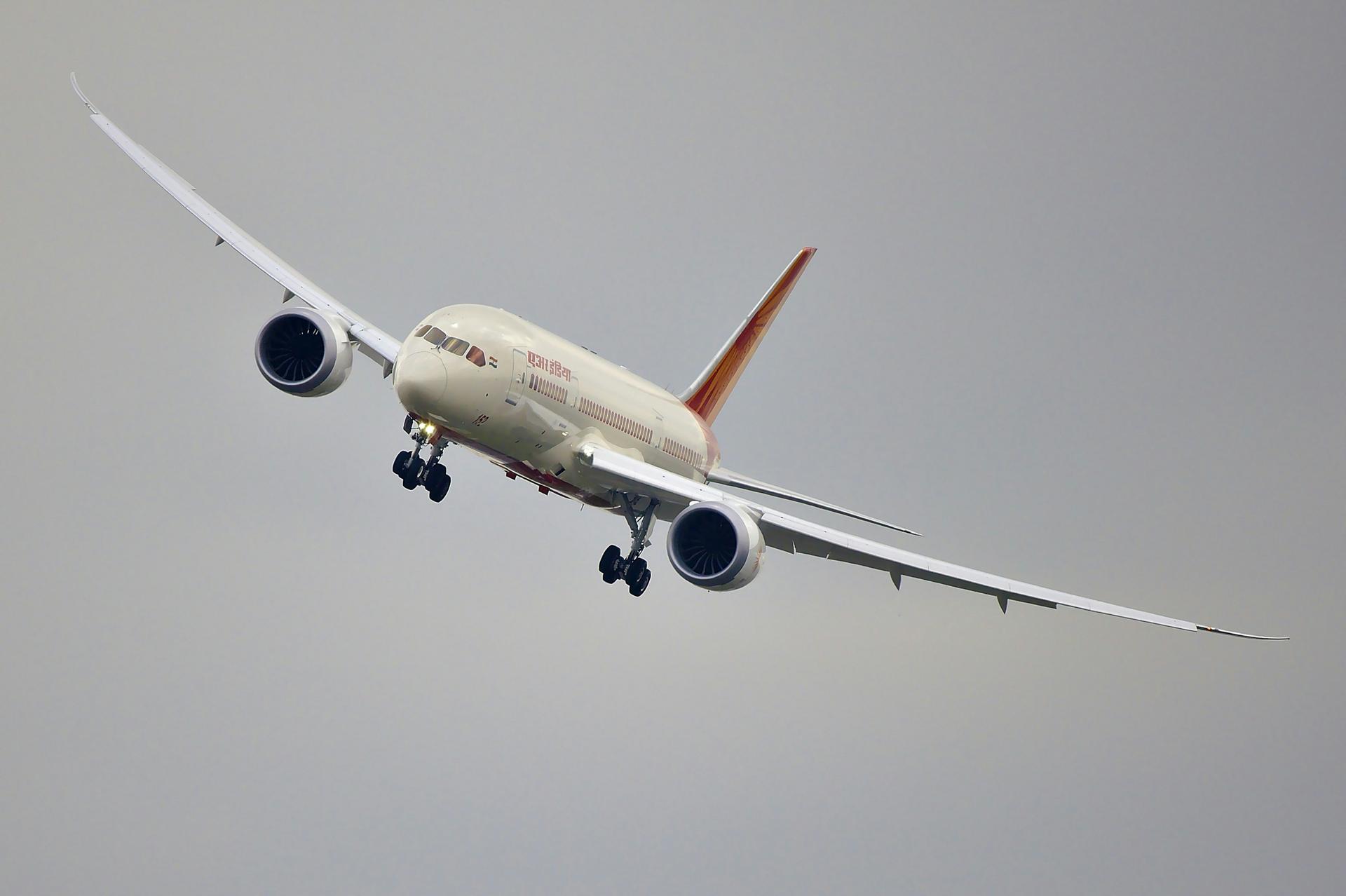
The Independent (Western Mainstream) and Aviation Nepal (Other) report that the affected aircraft or route returned to service after inspections. Aviation Nepal adds that the specific aircraft was briefly grounded and its return flight was canceled.
RAT Trigger Investigation
The cause of the RAT activation remains unknown. Air India’s initial inspections reportedly found normal electrical and hydraulic systems. PYOK states that inspections revealed no technical problems.
“Air India reported that initial checks showed normal electrical and hydraulic systems.”
IBTimes UK suggests the possibility of a false trigger or sensor malfunction. The same source notes increasing pressure on regulators and manufacturers. Aviation Nepal mentions a BPCU fault and reports that the FIP requested the DGCA to collaborate with Boeing.
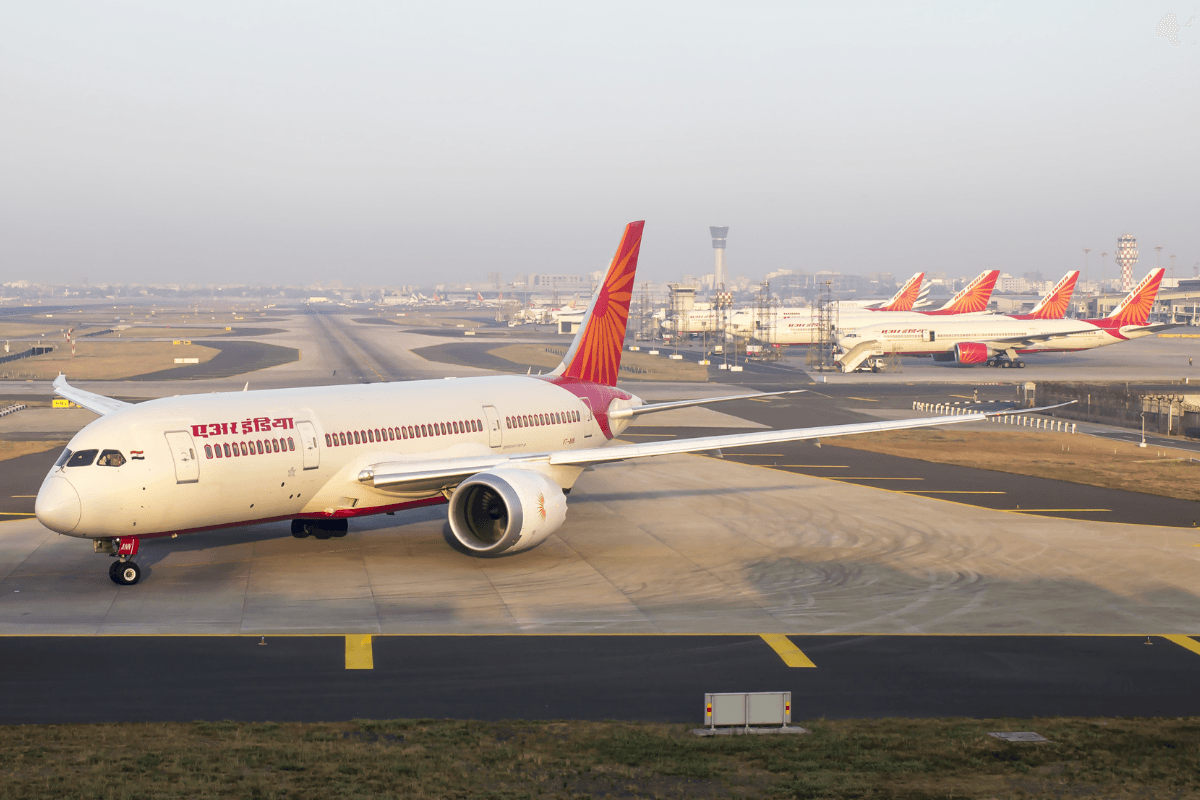
The goal is to determine if repeated RAT deployments indicate a wider design or reliability concern. Pilots’ groups across various outlets are calling for comprehensive system checks. These calls include the possibility of temporary grounding until the root cause is confirmed.