Sudan09 December, 20252 min read
International Criminal Court Sentences Janjaweed Leader Ali Kushayb to 20 Years for Darfur Massacres, Rape and Torture
This article is an automated aggregation of coverage from news outlets. Our editorials offer in-depth analysis curated by the NewsCord team.
ICC sentenced former Janjaweed commander Ali Muhammad Ali Abd‑Al‑Rahman to 20 years' imprisonment Convicted on 27 counts of war crimes and crimes against humanity, including rape and murder

42 outlets told this the same way.
Outlets did split on Air Strike Destroys Two WFP Trucks Carrying Food for 5,800 People in South Kordofan →
ICC sentencing in Darfur
The International Criminal Court in The Hague sentenced former Janjaweed commander Ali Muhammad Ali Abd-Al-Rahman (known as Ali Kushayb), age 76, to 20 years in prison for atrocities in Darfur more than two decades ago. Many reports state he was convicted in October on 27 counts, including murder, torture and rape. Judges concluded he both ordered and personally committed crimes during the Kodoom and Bindisi operations in 2003–2004.
“He was convicted in October on 27 counts of war crimes and crimes against humanity for his role as a leader of the government-backed Janjaweed militia that terrorised Darfur and contributed to mass killings.”
Several outlets note this is the ICC’s first conviction linked to the Darfur conflict. However, some outlets report a different number of counts, creating an important factual discrepancy across coverage.
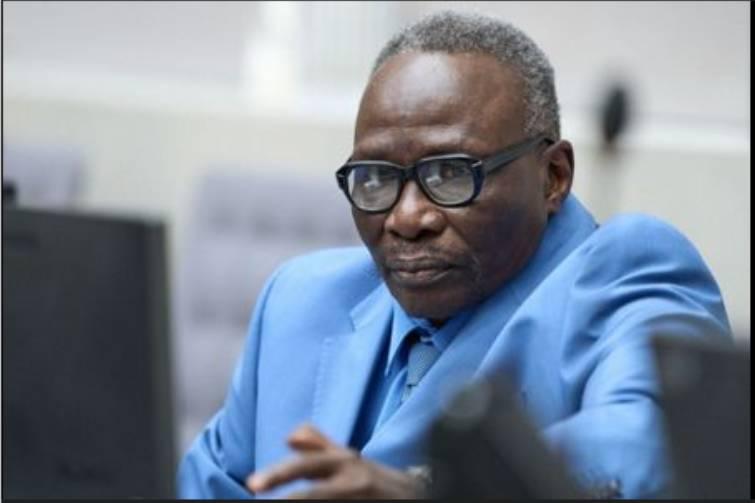
Court findings on atrocities
Judges and witnesses described brutal, often personal acts, with reports citing murder, torture, rape, forced displacement and pillaging. Several outlets reported the court found Abd-Al-Rahman orchestrated attacks that 'personally' involved beatings, including with an axe, ordered executions and took part in a campaign that targeted mainly non-Arab communities such as the Fur. Survivor testimony cited in coverage includes allegations of villages burned, mass killings of men and boys, sexual slavery of women and people being trampled while injured, underlining the severity of the convictions.
Court sentencing summary
The sentencing decision reflected both aggravating findings and mitigating factors. Prosecutors had sought life imprisonment, describing the offences as extremely grave, but judges imposed concurrent individual terms ranging from eight to 20 years and set an overall joint sentence of 20 years. The judges cited limited mitigating factors, notably Abd‑Al‑Rahman’s age, his voluntary surrender and his good conduct in detention.
“Judges said they would have imposed a longer term but gave limited weight to mitigating factors (his age, good conduct in detention and at trial, and voluntary surrender) and will deduct time served since his surrender on June 9, 2020 from the sentence.”
They will deduct pre‑trial detention from the term, covering his surrender and transfer in June 2020. Reports note that the defence argued mistaken identity and that the prosecution is considering an appeal.
Darfur verdict and context
Coverage situates the verdict in the larger Darfur and Sudan context. The Janjaweed militias were armed by the Sudanese government in 2003 when non‑Arab rebels challenged Khartoum. The UN Security Council referred Darfur to the ICC in 2005.
UN figures commonly cited place roughly 300,000 dead and 2.5 million displaced during the early years of the conflict. Several outlets link the Janjaweed to today’s Rapid Support Forces (RSF) and warn that renewed fighting since 2023 has produced further large‑scale violence. This raises questions about the ruling’s practical effects on ongoing atrocities.

Reactions to ICC ruling
Coverage reactions range from calling the ruling a landmark for survivors and the ICC to doubting that a single conviction will alter dynamics on the ground. Several outlets quote prosecutors and court officials saying the sentence aims to deter future crimes and that appeals are possible.
“The ruling — widely described as symbolic, since the ICC has the power to impose life sentences but never has — was hailed by deputies like Mame Mandiaye Niang as a message that justice may be slow but will catch up.”
Analysts and experts warn renewed militia activity, especially by forces tied to the RSF, may blunt any deterrent effect. This mix of legal milestone language and practical doubt appears across reporting, leaving the longer-term impact open and contested.
