Sudan21 April, 20268 min read
IOM Warns 4 Million Sudan Returnees Face Collapsing Services in Khartoum and Al Jazirah
Nearly four million Sudanese returned, mainly to Khartoum and Al Jazirah. Fragile conditions threaten livelihoods, food production, and basic services for returnees.
Returns at Risk
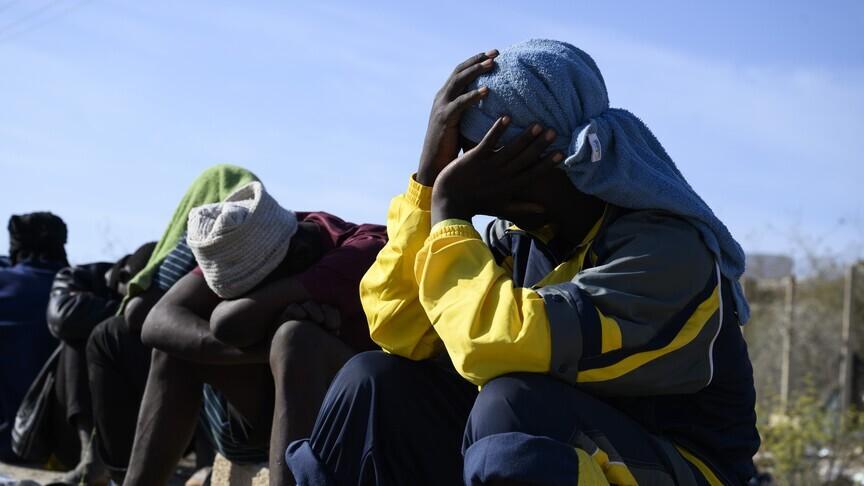
Nearly 4 million people have voluntarily returned across Sudan, but the International Organization for Migration (IOM) warned that the movement is at risk amid fragile conditions and collapsing services.
In a statement dated 21 April 2026, IOM said returns are concentrated particularly in Aj Jazirah and Khartoum, driven by “improved security in some areas, economic pressures, family reunification, limited services in displacement sites, and growing challenges faced by Sudanese living in neighbouring countries.”
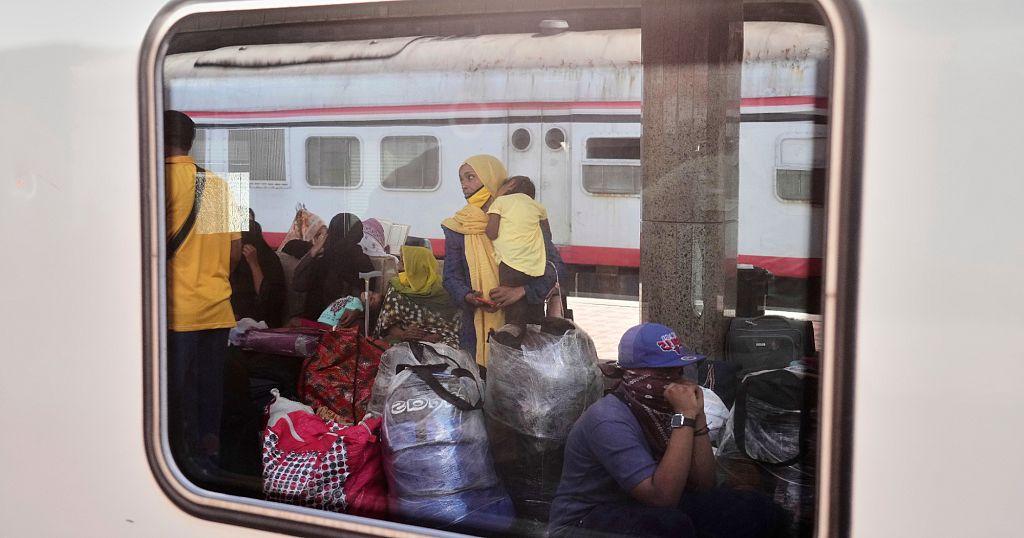
IOM warned that without urgent investment to restore essential services, rebuild infrastructure and revive livelihoods, returns risk becoming “unsustainable.”
IOM Deputy Director General for Management and Reform SungAh Lee said during her visit to Sudan, “For many people, returning home should mark the beginning of recovery. Instead, too often it means confronting destroyed services, damaged homes and new uncertainty.”
The IOM account places the wider displacement context at “nearly 12 million people” who fled heavily affected areas, with “more than 4 million” fleeing to neighbouring countries, while “nearly 9 million people remain internally displaced.”
The agency said the influx of returnees and displaced populations is placing persistent pressure on services and resources in host communities, with health systems, water infrastructure, protection services, and livelihood opportunities “remain stretched.”
In Khartoum, IOM said returns are rising rapidly and adding strain to urban infrastructure already damaged by months of fighting, including “Water systems, electricity networks, health facilities, and housing.”
Why People Return
IOM’s warnings are framed against the reasons people are choosing to come back, even as the agency says the reality they encounter is stark.
In the IOM account, return movements are driven by a mix of “improved security in some areas,” “economic pressures,” “family reunification,” and “limited services in displacement sites,” alongside “growing challenges faced by Sudanese living in neighbouring countries.”

Radio Tamazuj reports that IOM Deputy Director-General Sung Ah Lee told a hybrid press briefing chaired by Alessandra Vellucci, Director of the United Nations Information Service in Geneva, that many return because they believed security had improved, while others returned because “life in displacement had become unbearable,” because of “economic pressures,” to “reunite with families,” or because “conditions in neighbouring countries were increasingly hard.”
In the same briefing, Lee said, “People wanted to rebuild, they wanted to return to their land, their homes, and their livelihoods, but the reality many encountered upon arrival was stark.”
The IOM narrative also emphasizes that return is not separate from displacement, describing “evolving patterns of displacement and spontaneous return” that “continue to reshape communities and strain already weakened systems.”
Dabanga Radio TV Online echoed IOM’s framing, quoting the agency’s warning that “These conditions threaten livelihoods and food production at a critical moment for recovery.”
Dabanga also relayed Lee’s remarks on X, including “Three years since war upended millions of lives and the scale of what people here have endured is humbling.”
In that same X post, Lee wrote, “Sudan needs us. 8.9M people still displaced. Shifting front lines. Telecom and power cuts off without warning.”
Officials’ Messages
IOM’s warnings are delivered through named officials and linked to meetings with government ministries, while UN agencies add their own urgency about health risks and basic services. The IOM statement says that during her visit, DDG Lee met with key government actors, including the Ministers of Water and Irrigation, Health, and Education, and that IOM is working with “close partnerships with national authorities and local actors” to move communities “beyond emergency assistance toward recovery, stability, and longer-term peace.” IOM’s message is also carried through Lee’s own words on X, where she asked, “how do we deliver better when resources are tight?” and said, “Over 4M people reached since 2023 – often in conditions that would break most of us.”
Dabanga Radio TV Online reported that following meetings with UN officials, Lee added, “Together, our message is clear: the UN is here to deliver and to stand with the people of Sudan.” UN News, in French, quotes IOM’s Amy Pope saying, “Ces retours témoignent de la résilience et de la détermination des familles soudanaises qui veulent reconstruire leur vie chez elles,” and also warns that “Rentrer chez soi ne signifie pas retrouver la sécurité ou la stabilité.”
UN News further quotes Pope that “De nombreuses familles arrivent dans des maisons détruites, avec des services limités et des avenirs incertains, et sans soutien prévisible, le retour risque de devenir un nouveau chapitre de difficultés plutôt qu’un chemin vers la reprise.” In AL24 News, UNHCR regional coordinator for the Sudan crisis Mamadou Dian Baldé said, “These returns are not only an expression of attachment to the homeland; they also convey a desperate call for peace,” while UNDP Regional Director for the Arab States Abdallah Al-Dardari said, “We are in a real race against the clock to clear the rubble, restore electricity, water, and medical care.”
Different Numbers, Different Emphases
While the IOM warning centers on nearly 4 million returns, the surrounding reporting varies in how it frames the scale and the figures tied to displacement and planning. The IOM statement dated 21 April 2026 says “nearly 4 million people have voluntarily returned across Sudan,” and it states that “Today, nearly 9 million people remain internally displaced,” while also saying “more than 2 million additional people expected to voluntarily return to Khartoum alone this year.” Dabanga Radio TV Online repeats the IOM warning and uses Lee’s X post stating “8.9M people still displaced,” aligning with the IOM figure of nearly 9 million but presenting it as 8.9M.
Radio Tamazuj reports that Lee said “nearly four million people had voluntarily returned to their places of origin, particularly to Aj Jazirah and Khartoum,” and it adds that IOM “has been able to reach four million people in Sudan alone with lifesaving humanitarian aid since 2023.” The IOM statement also specifies funding and planning, saying “IOM Sudan’s 2026 Crisis Response Plan underfunded by USD 97.2 million,” while Radio Tamazuj says the plan “seeks USD 170 million to respond to the rising needs.” AnewZ and fundsforNGOs both cite the underfunding gap of “$97.2 million” and the expectation of “more than two million additional people expected to return to Khartoum alone this year,” but they also emphasize different elements of what is needed, with AnewZ highlighting “destroyed services, damaged homes and new uncertainty” and fundsforNGOs stressing “access to basic services, shelter, and livelihood opportunities.”
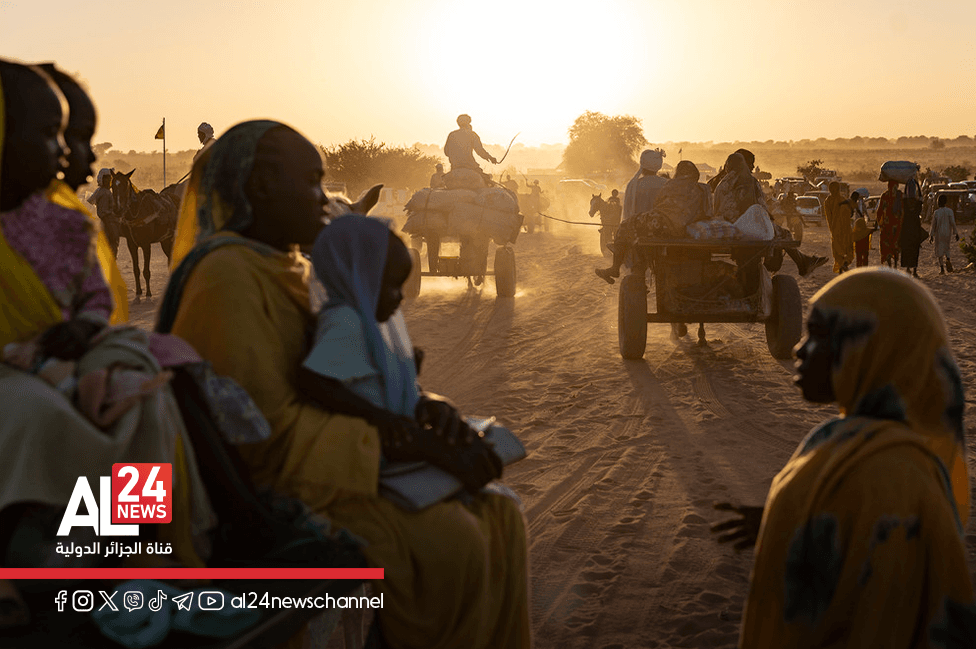
UN News, by contrast, reports that “Plus de trois millions de personnes ont déjà regagné leurs lieux d’origine au Soudan,” and it says “dans l’État de Khartoum… plus de 1,3 million de personnes,” while also stating “la grande majorité – 83 % – provient de déplacements internes ; 17 % rentrent de pays voisins comme l’Égypte, le Soudan du Sud ou la Libye.” AL24 News adds another set of figures, saying “As more than 1.3 million forcibly displaced Sudanese begin to return to their regions of origin,” and it describes “including 300,000 refugees” among those returning, while also stating “more than 12 million people have been displaced” and “more than 4 million have sought refuge in neighbouring countries.”
What Comes Next
IOM and UN agencies warn that the next phase of returns depends on whether basic services and infrastructure can be restored, and whether funding gaps are closed before additional return waves intensify.
The IOM statement says the work to stabilize areas of return “has just begun,” while warning that “with more than 2 million additional people expected to voluntarily return to Khartoum alone this year, the work to stabilize areas of return in Sudan has just begun.”

It ties the risk to underfunding, stating that “IOM Sudan’s 2026 Crisis Response Plan underfunded by USD 97.2 million” and insisting that “Sustained partnership, coordinated action, and adequate resources are essential to support Sudan at this pivotal moment.”
UNHCR’s appeal in AL24 News calls for urgent support for displaced people beginning to return, warning of “destroyed infrastructure, nonexistent basic services, and high health risks,” and it lists needs including “access to safe drinking water,” “support for health centers to prevent the spread of diseases such as cholera,” and “distribution of essential items, notably bedding and hygiene products.”
AL24 News also quotes UNHCR regional coordinator Mamadou Dian Baldé describing returns as “a desperate call for peace,” and it quotes IOM Regional Director Othman Belbeisi from Port Sudan emphasizing that return must remain voluntary and dignified: “These thousands of people are returning driven by hope, resilience, and a deep attachment to their country. But it is essential that this return remain an informed choice that respects their dignity.”
The IOM statement similarly stresses that “Reliable data and coordinated responses remain essential to monitor movements, identify needs, and help ensure assistance reaches communities most affected by displacement.”
It also describes the interconnection between displacement and return, saying “Displacement and return are not separate dynamics, but deeply interconnected realities that require coordinated responses across regions.”
In the same frame, IOM says it is working to combine “life-saving humanitarian assistance” with “investing in solutions and resilience” to strengthen local systems and communities over time, but it warns that without that support, “safe and dignified returns become much harder to sustain.”