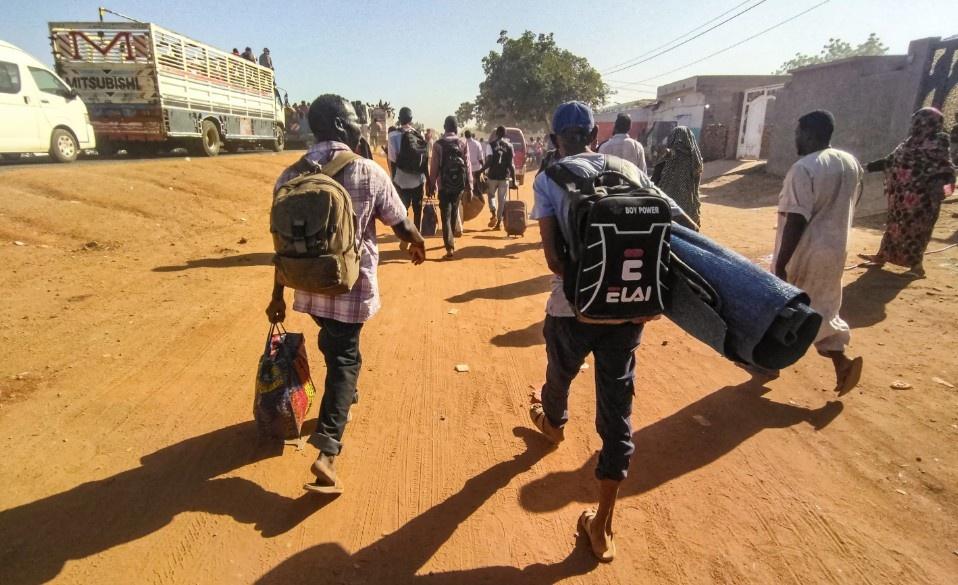
IOM Warns Four Million Sudanese Returnees Face Threats In Khartoum And Aj Jazirah
Key Takeaways
- Nearly four million voluntarily returned across Sudan, with concentration in Khartoum and Aj Jazirah.
- Urgent investment to restore services and livelihoods is needed to sustain returns.
- Recovery remains fragile as damaged services, farms, and rising costs hinder returns.
Returns meet collapse
The International Organization for Migration (IOM) warned that the return of millions of Sudanese is at risk amid fragile conditions across Sudan, saying “These conditions threaten livelihoods and food production at a critical moment for recovery, against a wider backdrop of food insecurity and economic turmoil.”
“The International Organization for Migration (IOM) has warned that the return of millions of Sudanese is at risk amid fragile conditions across the country”
In a press release published today, IOM said that “As an estimated four million people return,” the challenges affect “returnees, displaced populations, and host communities alike.”
The IOM warning is tied to the scale of movement inside and out of the country, with the agency describing that “At the height of the conflict, nearly 12 million people were forced from their homes” and that “more than four million fled to neighbouring countries.”
IOM said returns have been concentrated particularly in Aj Jazirah and Khartoum, where damaged services and infrastructure are slowing recovery.
The agency also said that “Today, nearly 9 million people remain internally displaced,” describing how the influx of displaced populations continues to strain host communities.
In Khartoum, IOM reported that “returns are rising rapidly, placing additional strain on urban infrastructure already damaged by months of fighting,” including “Water systems, electricity networks, health facilities, and housing.”
In Aj Jazirah, IOM said returnees are confronted with “damaged farms, equipment, and irrigation systems,” and that “The destruction is threatening livelihoods and food production.”
What drives the movement
IOM described the current wave of returns as voluntary but shaped by a mix of pressures and partial improvements, saying the movement is driven by “a combination of factors, including improved security in some areas, economic pressures, family reunification, limited services in displacement sites, and growing challenges faced by Sudanese living in neighbouring countries.”
IOM said returns are “concentrated particularly in Aj Jazirah and Khartoum,” and it linked the uneven security gains to shifting population movement patterns.

In its reporting, IOM also emphasized that “evolving patterns of displacement and spontaneous return continue to reshape communities and strain already weakened systems.”
The IOM materials frame the returns as a determination to go home, but warn that many people arrive in places “still deeply affected by conflict and collapse.”
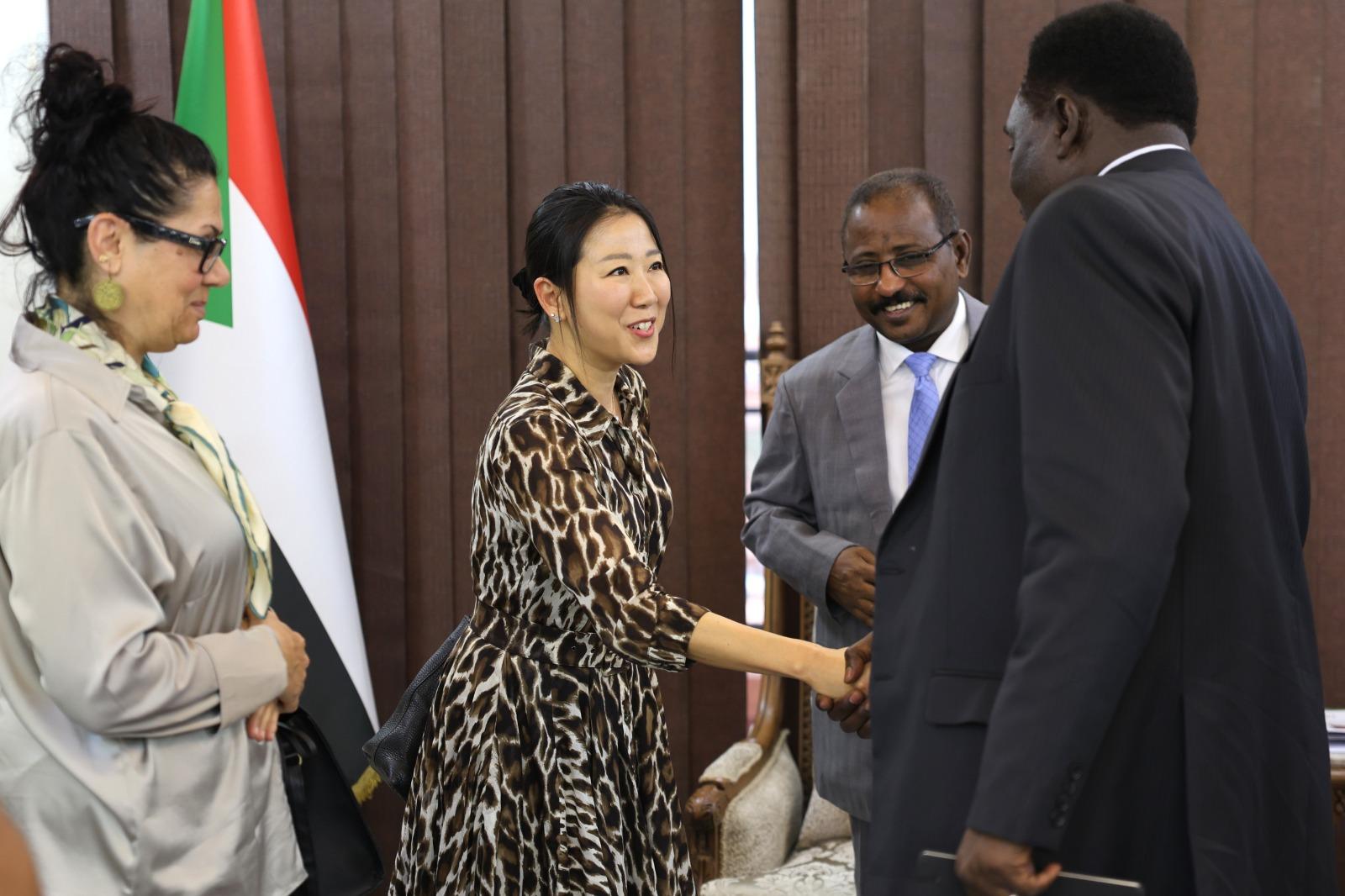
During a visit to Sudan, IOM Deputy Director General for Management and Reform SungAh Lee met government ministers responsible for water, health, and education.
In a post on X, Lee said, “Three years since war upended millions of lives and the scale of what people here have endured is humbling.”
She added, “I’m here to listen, to visit communities, and to ask hard questions: how do we deliver better when resources are tight?”
Lee also wrote, “Sudan needs us. 8.9M people still displaced. Shifting front lines. Telecom and power cuts off without warning.”
The IOM statement further described how “Displacement and return are not separate dynamics, but deeply interconnected realities that require coordinated responses across regions.”
IOM’s message and meetings
IOM’s warning is anchored in a specific set of operational concerns, with the agency saying that without “urgent investment to restore essential services, rebuild infrastructure and revive livelihoods,” returns risk becoming “unsustainable.”
“The International Organization for Migration (IOM) has warned that the return of millions of Sudanese is at risk amid fragile conditions across the country”
The agency’s language ties the risk directly to the condition of basic systems, stating that “Health systems, water infrastructure, protection services, and livelihood opportunities remain stretched.”
In Khartoum, IOM said “Water systems, electricity networks, health facilities, and housing remain heavily affected,” while in Aj Jazirah it said returnees face “damaged systems and equipment.”
IOM also stressed that “Reliable data and coordinated responses remain essential to monitor movements, identify needs, and help ensure assistance reaches communities most affected by displacement.”
During her visit, SungAh Lee met with UN officials and government actors, and IOM said “Together, our message is clear: the UN is here to deliver and to stand with the people of Sudan.”
Lee’s remarks during the visit were framed as a call for better delivery under constraints, with her X post asking, “how do we deliver better when resources are tight?”
In the same materials, IOM Deputy Director General for Management and Reform SungAh Lee said, “For many people, returning home should mark the beginning of recovery. Instead, too often it means confronting destroyed services, damaged homes and new uncertainty.”
She added, “People need access to basic services, safe housing and ways to restore their livelihoods. Without that support, safe and dignified returns become much harder to sustain.”
The IOM statement also connected its work to broader UN efforts, saying it supports communities “in furtherance of the UN Secretary-General’s Action Agenda on Internal Displacement.”
Different outlets, same warning
While the core IOM message is consistent across outlets, the framing and emphasis vary in how the warning is presented to readers.
Radio Dabanga and Dabanga Radio TV Online both foreground the IOM warning that “These conditions threaten livelihoods and food production at a critical moment for recovery,” and they highlight the scale of displacement with Lee’s X post that “8.9M people still displaced.”
The Eastleigh Voice, by contrast, foregrounds the geographic concentration of returns and the pressure on services, stating that returns have been “largely concentrated in Khartoum and Aj Jazirah states” and describing how “Water supply networks, electricity grids, health facilities, and housing have all suffered extensive damage.”
The Eastleigh Voice also adds detail about the drivers of return, saying the movement is being driven by “improved security in some areas, rising living costs, family reunification, limited services in displacement camps, and increasing hardship faced by Sudanese refugees in neighbouring countries.”
In the IOM’s own release, the agency sets the warning in a formal timeline, stating “Geneva/Khartoum, 21 April 2026 – Nearly 4 million people have voluntarily returned across Sudan,” and it spells out the operational consequences of underinvestment.
The IOM release uses the language that “these returns risk becoming unsustainable,” while Radio Dabanga repeats the same press-release framing that “Displacement and return are not separate dynamics, but deeply interconnected realities.”
All three sources cite the same leadership voice from SungAh Lee, including her line that “People need access to basic services, safe housing and ways to restore their livelihoods.”
The outlets also converge on the idea that the response is constrained by funding, with the IOM release and Radio Dabanga both citing a $97.2 million gap.
The Eastleigh Voice ties that funding shortfall to the expectation of additional returns, saying the plan remains underfunded by “$97.2 million (Sh12.6 billion)” even as “more than two million additional people are expected to return to Khartoum alone this year.”
Funding gap and next steps
The IOM warning culminates in a funding shortfall that threatens the response as more people are expected to return, with the agency saying its 2026 crisis response plan for Sudan remains underfunded by $97.2 million.
“The International Organization for Migration (IOM) has warned that the return of millions of Sudanese is at risk amid fragile conditions across the country”
Radio Dabanga reported that “a $97.2 million funding gap threatens the response,” and it added that “more than two million additional people are expected to return to Khartoum this year.”
The IOM release similarly states that “with IOM Sudan’s 2026 Crisis Response Plan underfunded by USD 97.2 million, and with more than 2 million additional people expected to voluntarily return to Khartoum alone this year,” the work to stabilize areas of return “has just begun.”
IOM framed the stakes as a need for sustained partnership and coordinated action, saying “Sustained partnership, coordinated action, and adequate resources are essential to support Sudan at this pivotal moment and to ensure that return movements contribute to long-term recovery and stability.”
The agency also described what it is trying to do with the resources it has, saying it is working “to help communities move beyond emergency assistance toward recovery, stability, and longer-term peace.”
In its description of approach, IOM said it includes “supporting life-saving humanitarian assistance while investing in solutions and resilience to strengthen local systems and communities over time.”
The IOM release also emphasized that “Reliable data and coordinated responses remain essential” to monitor movements and identify needs, linking the operational next steps to information gathering.
In the same materials, IOM said it met with “the Ministers of Water and Irrigation, Health, and Education,” tying the response to government coordination.
The Eastleigh Voice echoed the underfunding and the expected return pressure, stating that the plan remains underfunded by “$97.2 million (Sh12.6 billion)” while “more than two million additional people are expected to return to Khartoum alone this year.”
More on Sudan
Abdel Fattah al-Burhan Welcomes Noor al-Quba’s Defection From RSF to Sudanese Army
15 sources compared

IGAD Envoy Lawrence Korbandy Says Quintet Will Convene Sudan Meetings Next Month
11 sources compared
Sudan’s Army Seizes Central Bank And General Intelligence Service In Khartoum
10 sources compared

International Court Rejects Sudan's Genocide Case Against United Arab Emirates
11 sources compared