USA23 September, 20263 min read
Iowa Judge Scott J. Beattie Dismisses Trump Suit Against Des Moines Register Pollster J. Ann Selzer
This article is an automated aggregation of coverage from news outlets. Our editorials offer in-depth analysis curated by the NewsCord team.
Iowa District Judge Scott J. Beattie dismissed Trump's suit against the Des Moines Register. Judge ruled the Iowa consumer fraud-law claim failed to proceed.
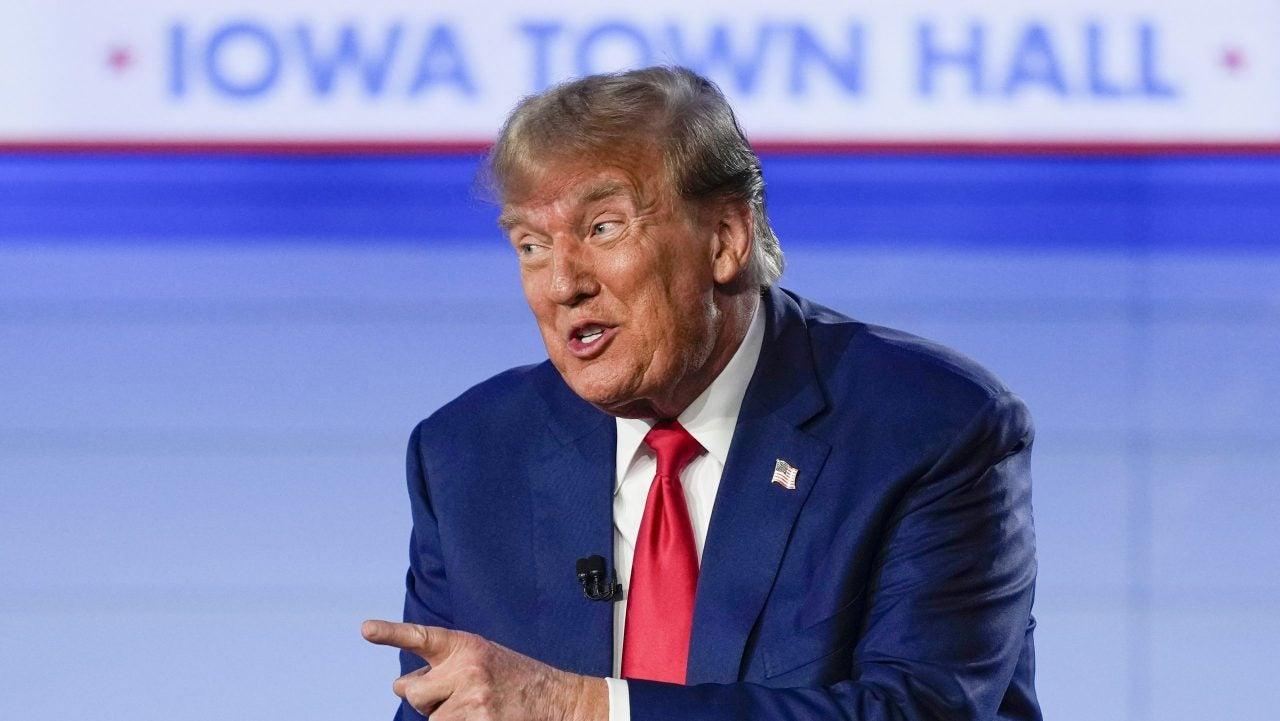
Iowa judge dismisses suit
Iowa District Court Judge Scott J. Beattie dismissed President Donald Trump’s lawsuit against the Des Moines Register and pollster J. Ann Selzer on Wednesday, ruling that the Selzer poll and the newspaper’s coverage were political speech protected by the First Amendment.
Beattie ruled that the case sought to “stretch both Iowa statutory and common law beyond their current bounds,” turning speech with the “highest category of First Amendment protection” into a liability, and he said “The case must therefore be dismissed.”
The lawsuit targeted a Selzer poll released in the final days before the 2024 election that showed Kamala Harris ahead of Trump in Iowa, 47% to 44% among likely voters, while Trump later won Iowa with 56% of the roughly 2 million votes cast in the state.
Trump had filed the suit in December 2024, accusing the Register, its parent company Gannett, and Selzer of publishing election-interfering fiction, and the case was later moved to federal court in February 2025 before Trump dropped it.
The court’s dismissal was entered with prejudice, meaning Trump cannot bring the same claim again, and the decision also denied a request to enjoin the publication of future polls.
First Amendment and polling
Selzer said the ruling recognized that “Polling is a social science, not clairvoyance, and no responsible pollster can guarantee an election outcome,” and she added that she would follow the data “even when the results are uncomfortable or unexpected.” Bob Corn-Revere, chief counsel at the Foundation for Individual Rights and Expression, said the lawsuit was “laughable from the beginning and never should have been brought,” arguing that the First Amendment does not allow government, “least of all the president,” to punish people under the banner of “fake news.” Beattie rejected Trump’s argument that the poll should be treated as commercial speech because it was commissioned and published by for-profit companies, and he said election polling is speech protected by the First Amendment.
Beattie characterized polls as “snapshots with margins of error” about an election that had not yet occurred, and he wrote that “A poll is simply an estimate.” Beattie also said reporting on the poll during a presidential and congressional election year was “speech about a matter of public concern, occupying the summit of the pyramid of First Amendment values.”

Trump’s next legal move
Trump’s legal team spokesman said the president would take the case to the Iowa Supreme Court after the Wednesday dismissal, according to notus.org.
The Des Moines Register’s parent company, USA Today Co., celebrated the ruling as a “victory for the First Amendment — and for the essential role of a free press in American democracy,” and Polly Grunfeld Sack said claims of “fake news” were an attempt to punish outlets for coverage those in power do not like.
The Des Moines Register said Trump had sued the Register, USA Today Co., and former pollster J. Ann Selzer after the Iowa Poll showed Harris leading Trump by 3 percentage points in Iowa, and it said Trump won the state by 13 percentage points.
The ruling also addressed the consumer-fraud theory, with Beattie writing that the Iowa Poll and its reporting were “fully protected political speech,” and he said the plaintiffs’ lawsuit “does not allege the elements that would place that speech within the fraud exception.”
WRTV said the attorneys who represented Trump in the personal action did not immediately respond to a request for comment about whether they intend to appeal, while the dismissal with prejudice barred refiling the same claim.