Crypto28 May, 20263 min read
Iran Accepts Bitcoin for Oil Shipping Tolls as Fidelity Flags Shift From Dollar Systems
This article is an automated aggregation of coverage from news outlets. Our editorials offer in-depth analysis curated by the NewsCord team.
Iran considers Bitcoin-based tolls/settlements for oil shipments crossing the Strait of Hormuz. Fidelity Digital Assets cites growing evidence of a shift away from dollar-based systems.
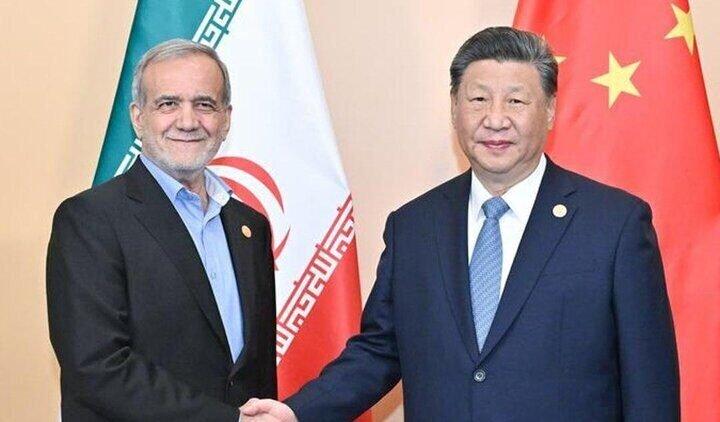
Iran turns to Bitcoin
Fidelity Digital Assets said recent moves by the Iranian government to Bitcoin for oil tolls as gold overtakes US dollar assets in global central bank reserves signal a “shift away from dollar-based systems,” citing its “Six Key Trends Shaping Digital Assets in 2026” report. The company said Tehran’s acceptance of $BTC for oil shipments passing through the Strait of Hormuz represents “alternative settlement mechanisms,” and it pointed to accepting Bitcoin for shipping toll payments as evidence that the biggest cryptocurrency could replace the US dollar as the global reserve currency. Fidelity also said central banks’ demand for gold remains “strong” despite its 20% decline from the all-time high of about $5,600 per ounce reached in January, and it added that “Gold’s performance and continued central bank demand are broadly aligned with our initial thesis.”
In May 2025, Iranian media reported that Iran was considering a maritime shipping insurance model for oil vessels crossing the Strait payable in Bitcoin and “settled at the speed of blockchain,” with the state-run Fars News agency describing an insurance framework for marine insurance policies and certificates of financial responsibility. In April 2026, the Iranian government announced it would accept oil shipping tolls in Bitcoin, US dollar-pegged stablecoins and Chinese yuan, and US authorities later froze $344 million in stablecoins linked to Iran’s government and the Iranian Revolutionary Guard Corps (IRGC).

Fuel shock hits airlines
France 24 reported that international airlines raised ticket prices and revised earnings forecasts due to a severe fuel crisis sparked by the war on Iran. The outlet said jet fuel prices jumped from $85–$90 per barrel to between $150–$200 per barrel in recent weeks, and it described fuel as accounting for as much as a quarter of operating costs. The same report tied the disruption to the “U.S.–Israel war on Iran,” saying the spike in jet fuel prices disrupted the global aviation sector and prompted airlines to adjust pricing and outlooks.
In the broader geopolitical framing from میدل ایست نیوز, the Strait of Hormuz was described as a “21-mile-wide choke point” through which about 20 percent of the world’s oil and gas passes daily. That analysis said Iran’s tariff system set by its security forces is pegged to the yuan and charges roughly one dollar per barrel for approved passage, linking the Strait’s control to energy flows and regional leverage.

Gold, yuan, and sanctions
صرافی ارز دیجیتال framed a debate over whether China is hoarding gold to replace the dollar with the yuan, citing a claim that Beijing announced it had only 2,306 tons of gold in its reserves at the end of 2025. The piece said some analysts believe China holds more than twice the disclosed reserve and included an estimate from Yan Nieuwenhuys, a gold analyst at Money Metals Exchange, who estimated China holds about 5,411 tons of gold. It also quoted Xi Jinping in a speech in the state-run Qiushi magazine, saying the country should “build a powerful currency that is widely used in international trade and currency markets and that has the status of a global reserve currency.”
مجلة السياسة الدولية discussed how international sanctions can push targeted states toward a “resilience economy” or toward “a 'logic of barter' and circumvention and mediation tactics,” describing the “limits of 'Resilience Economies' and Banking Circumvention Mechanisms (Libya and Iran as a Case Study).” The same article grounded its sanctions discussion in the UN Charter’s Article 41 of Chapter VII, saying the Security Council has authority to impose coercive measures not involving the use of force, such as suspending economic ties, transportation, and communications.