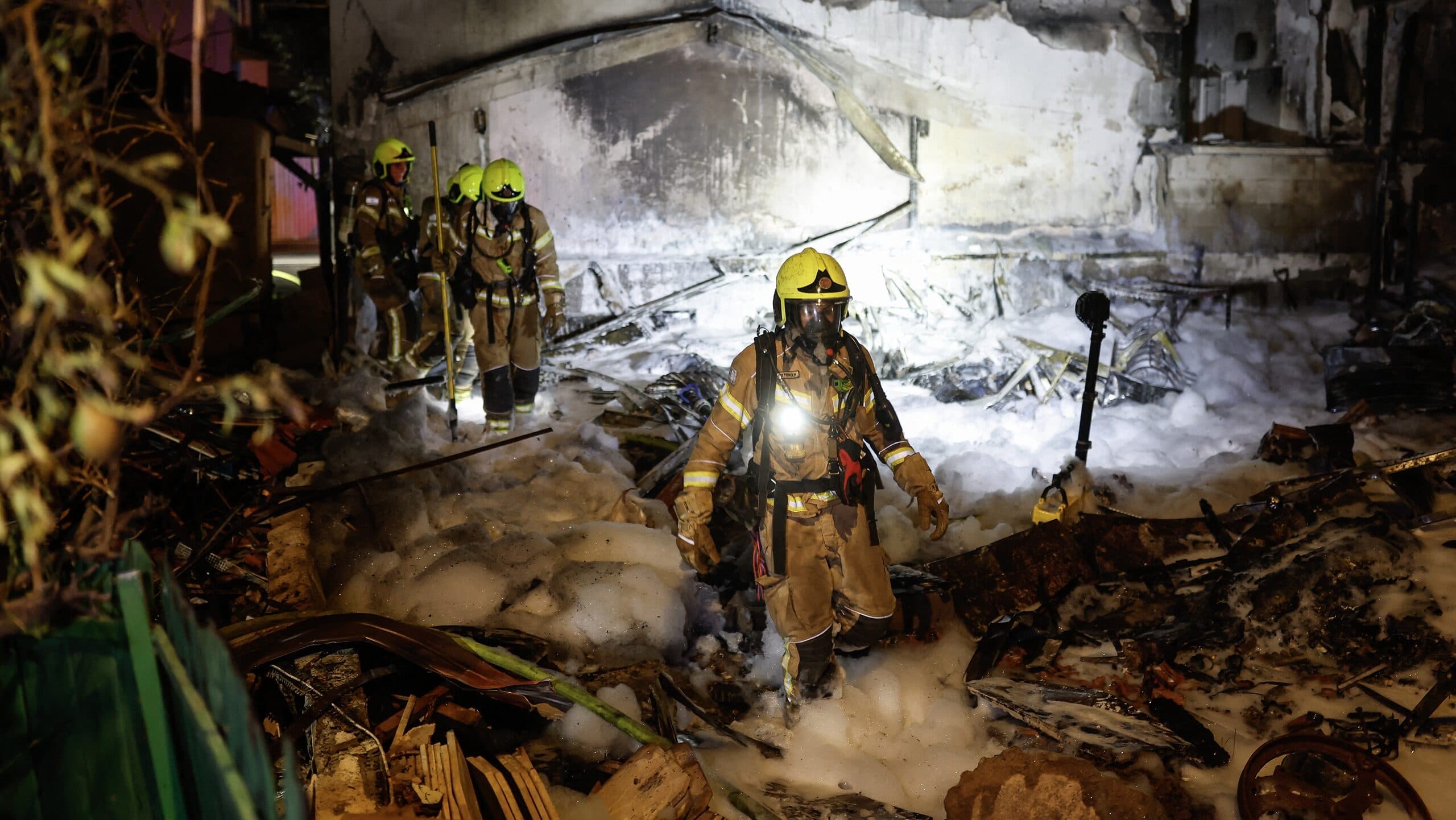
Iran and Hezbollah Fire Missiles at Nahariya, Injuring Six
Key Takeaways
- Nahariya residential building hit by Hezbollah missile.
- Casualties: at least eight injured; Media Line reports six.
- Missiles fired by Iran and Hezbollah targeted northern Israel.
Attack Overview
On Monday, March 16, 2026, coordinated rocket and missile attacks launched by both Hezbollah and Iran struck multiple locations across Israel.
“Toggle Play Hezbollah rocket hits a residential building in Israel’s Nahariya Footage shows firefighters battling a blaze at a residential building in Nahariya after a Hezbollah rocket hit the northern Israeli city”
Significant damage occurred in the northern city of Nahariya, with at least one rocket hitting a residential building.

The attacks came in several waves throughout the day, with additional structural damage reported in the 'Asher region' of northern Israel near the Lebanon border.
The attacks marked a significant escalation in the ongoing conflict between Israel and Hezbollah, which has seen intensifying rocket fire since March 2.
The coordination between Iranian and Hezbollah forces demonstrated the expanding regional dimension of the conflict.
Multiple state and non-state actors are involved, creating a complex security situation for Israeli authorities.
Casualties & Response
The attacks resulted in significant casualties and emergency response operations.
At least eight people were injured overall, with emergency services treating multiple victims.
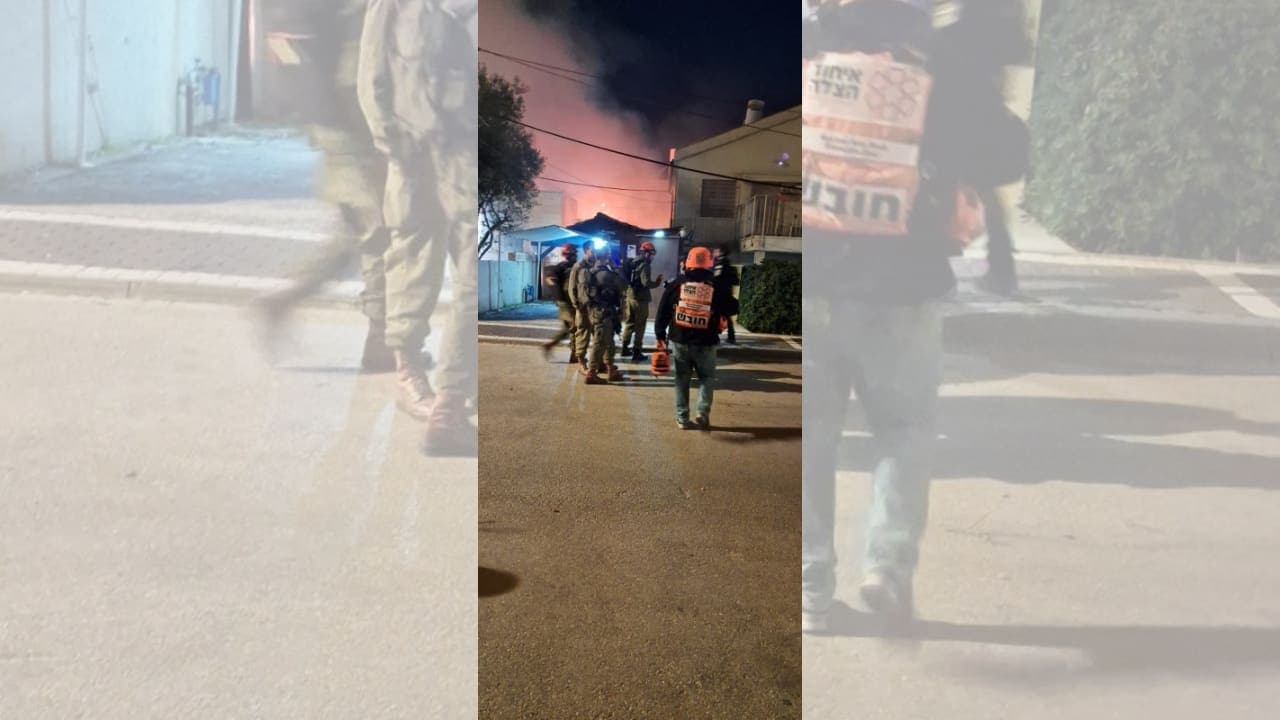
Three women emerged from a damaged building in minor condition, and one person was in moderate condition after suffering a blow to the head.
Magen David Adom paramedics provided medical treatment to a 40-year-old man and six others who suffered from smoke inhalation.
The six smoke inhalation victims included four adults and two children, all of whom were transferred to hospitals.
The Israel Fire and Rescue Authority responded to multiple scenes where buildings were damaged by rocket fire.
Firefighters battled blazes and assisted trapped residents at the attack sites.
Authorities are investigating whether some damage may have been caused by a failed interception from an Iron Dome battery.
Escalation Context
The attacks occurred within a broader context of escalating military operations on Israel's northern border.
“At least eight people were injured in several waves of rocket and missile attacks across Israel, launched from both Hezbollah and Iran, on Monday”
Hezbollah rocket fire that began on March 2 has continued to expand, creating a sustained security crisis.
The intensified fighting represents a significant escalation in the nearly two-month conflict.
Israeli authorities have responded by launching limited and targeted ground incursions into southern Lebanon.
Israel has implemented a policy preventing displaced Lebanese residents from returning to their homes near the border.
Israeli civilians in northern communities must be able to return safely before Lebanese residents can do so.
This regional conflict now involves multiple actors including Iran, Israel, and the United States.
The situation threatens to destabilize the broader Middle East region.
Military Assessment
In the aftermath of the attacks, Israeli military officials have been assessing the security situation.
Gen. Shay Klepper visited the attack sites as officials assessed the damage and reviewed emergency response protocols.
The coordination between Iranian and Hezbollah forces has raised concerns about threat sophistication.
Attacks on residential areas have created significant humanitarian concerns.
Families have been displaced and infrastructure damaged in the affected communities.
Israeli authorities have emphasized the need for continued vigilance.
The security situation remains volatile, according to official assessments.
Investigation into Iron Dome interceptors highlights defense challenges against coordinated rocket attacks.
Regional Implications
The attacks represent a significant escalation in the regional conflict involving Iran, Israel, and Hezbollah.
“Toggle Play Hezbollah rocket hits a residential building in Israel’s Nahariya Footage shows firefighters battling a blaze at a residential building in Nahariya after a Hezbollah rocket hit the northern Israeli city”
Coordination between Iranian-backed Hezbollah forces and direct Iranian involvement indicates strategic alignment.
This alignment complicates diplomatic efforts to de-escalate tensions in the region.
The timing coincides with increased regional military activity, including reported US-Israeli strikes.
Humanitarian impact on civilian populations continues to grow in both Israel and Lebanon.
Displacement and infrastructure damage affect communities on both sides of the border.
International observers express concern about potential for further regional destabilization.
The ongoing fighting underscores complex security challenges facing all parties involved.
More on Lebanon
Israel begins its long-planned ground invasion of Lebanon
13 sources compared

Hezbollah Fires 200 Rockets at Israel From Lebanon
17 sources compared
Israel Attacks Hezbollah Infrastructure in Beirut, Forcing Over 1 Million Lebanese to Flee
12 sources compared
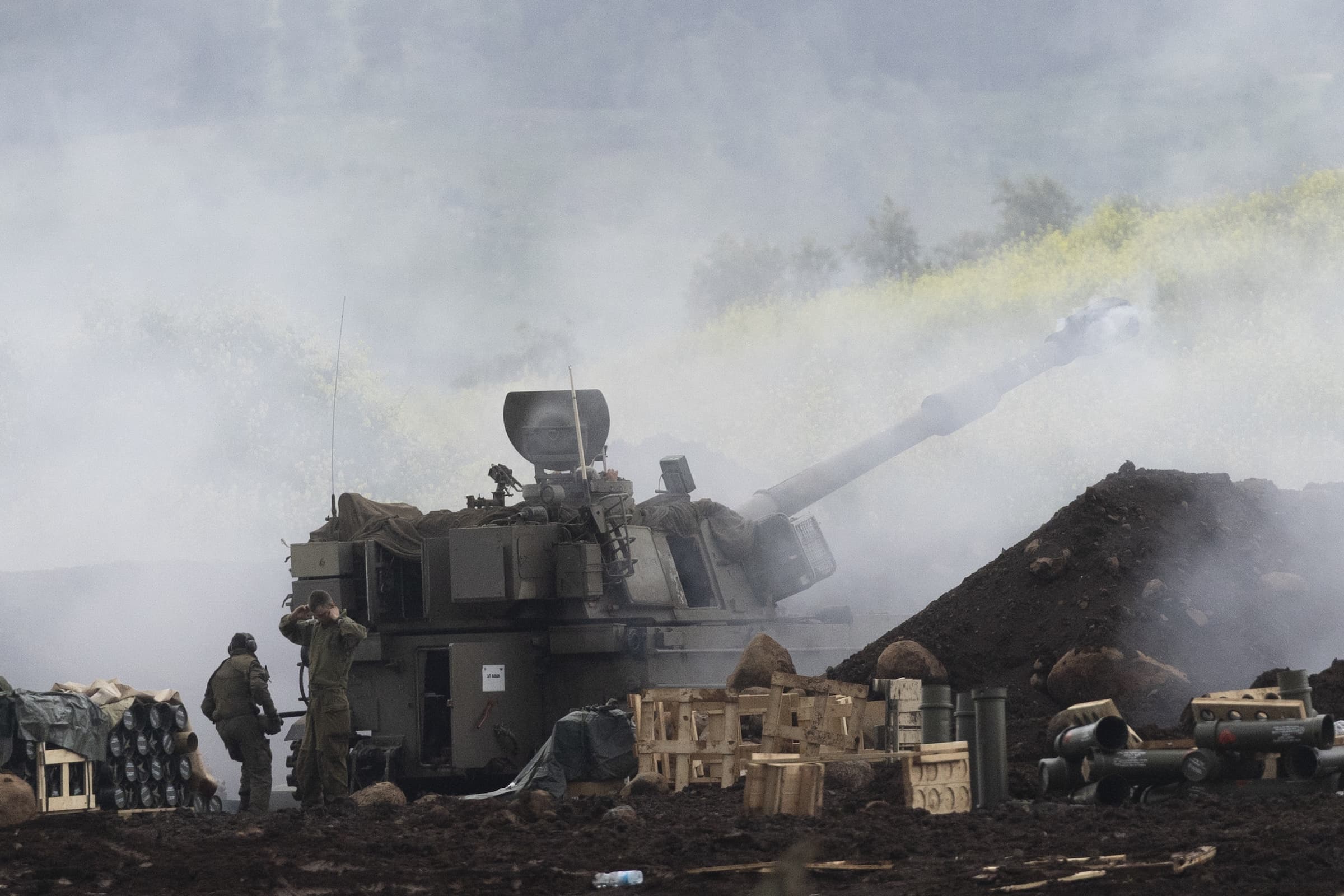
Israel Launches Ground Operation in Southern Lebanon to Target Hezbollah
10 sources compared