Iran And Italy Foreign Ministers Discuss U.S. And Israeli Military Aggression’s Consequences
Key Takeaways
- Iran and Italy discussed security, legal, and economic consequences of U.S.-Israeli aggression.
- Regional tensions and escalation risks around Iran were discussed by Italian officials.
- Italy's foreign and defense ministers participated in Iran-related regional talks.
Calls, threats, and diplomacy
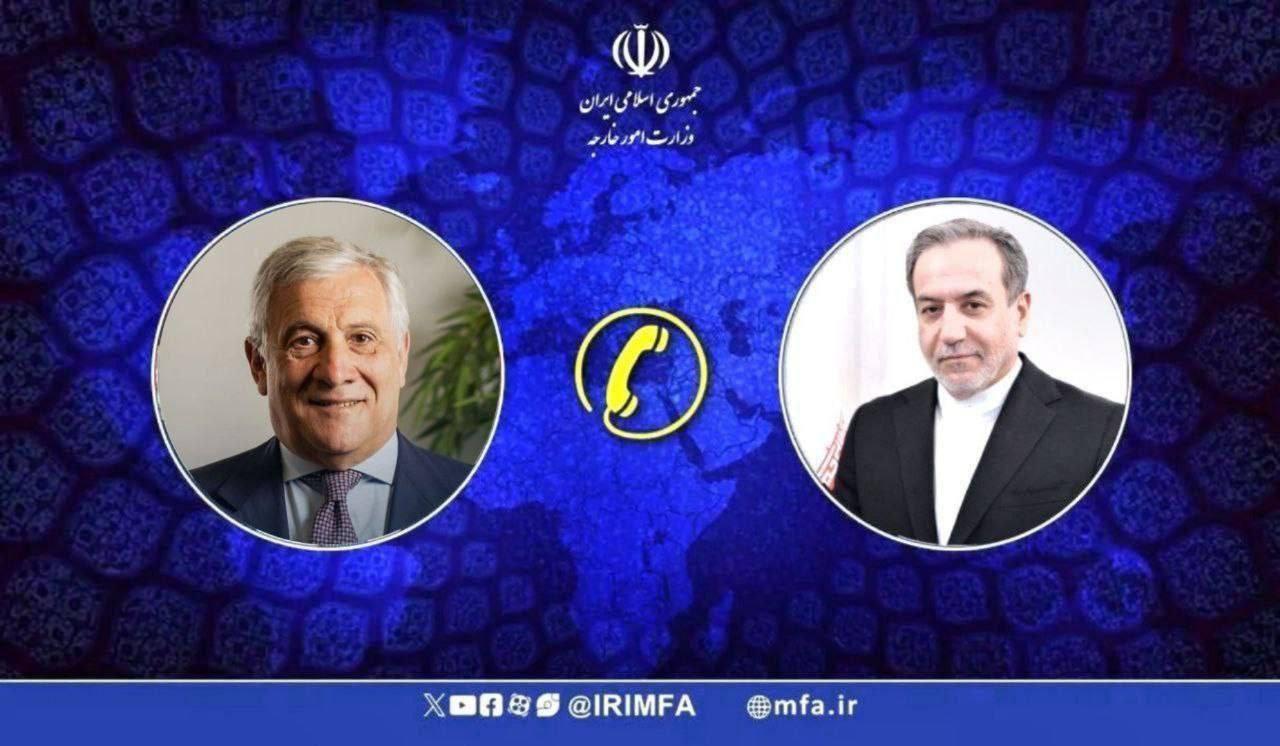
Iran and Italy’s foreign ministers exchanged calls focused on regional tensions, with Iranian Foreign Minister Abbas Araghchi and his Italian counterpart Antonio Tajani discussing “the security, legal, and economic consequences of the U.S. and Israeli military aggression.”
“Iranian Foreign Minister Abbas Araghchi and his Italian counterpart, Antonio Tajani, spoke by telephone Wednesday morning, exchanging views on the security, legal, and economic consequences of the U”
Mehr News Agency says Araghchi “detailed the crimes committed by ‘American-Israeli aggressors’ during recent military strikes against Iran,” and stressed “the responsibility of all governments to condemn violations of the UN Charter and international law.”

Mehr News Agency also reports that Araghchi attributed the “current situation in the Strait of Hormuz directly to U.S. lawlessness and unilateral military assault on a sovereign UN member state.”
In the same call, Araghchi said Iran, “as the coastal state,” has adopted measures “in accordance with international law to protect its national security against U.S. and Israeli threats and aggression,” and he added that “responsibility for the impact on the global economy rests with the aggressors.”
Tajani, according to Mehr News Agency, “underscored the importance of peace and stability in the Persian Gulf region” and expressed “Italy’s readiness to help strengthen stability across the area.”
The call also included “developments in Lebanon and the necessity of respecting the ceasefire there,” tying the Iran-focused security discussion to Lebanon’s ceasefire framework.
Trump’s warning and Tehran’s reply
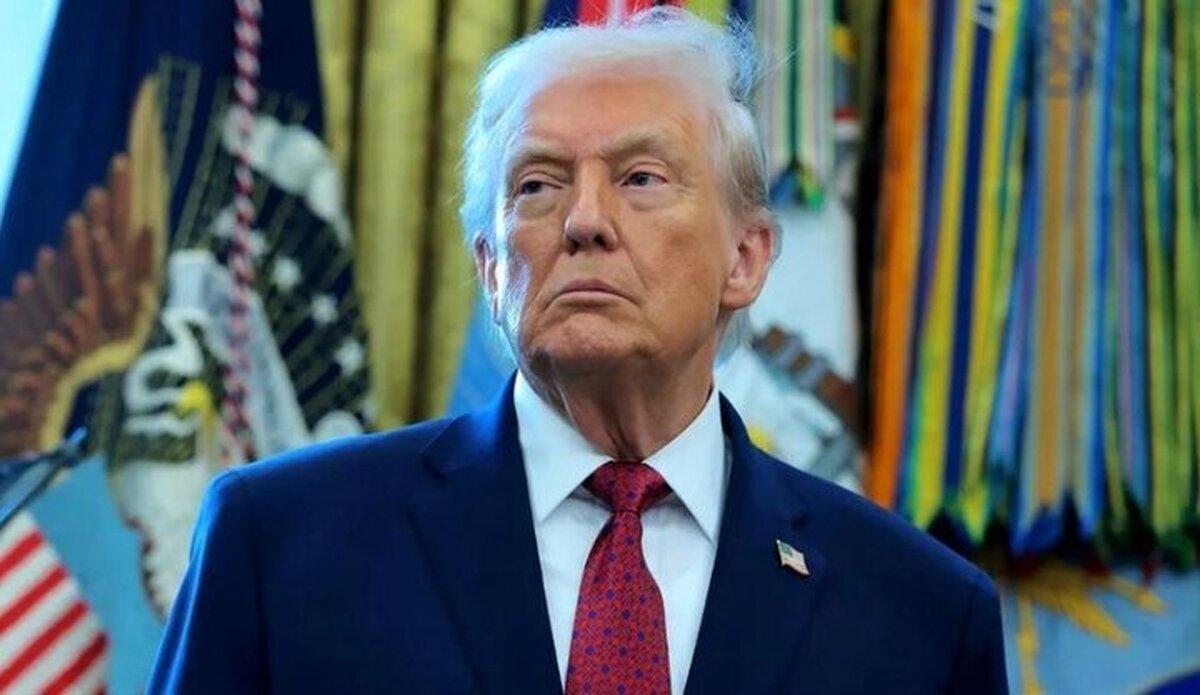
The diplomatic exchange came as U.S. President Donald Trump posted a warning on Truth Social that he framed as an ultimatum for Iran, saying, “Iran is negotiating, time is running out” and adding, “MAKE A DEAL!”
Sky TG24 reports that Trump wrote, “We hope that Iran will quickly sit at the negotiating table and negotiate a just and fair agreement — NO NUCLEAR WEAPONS — that is advantageous for all parties.”

In the same post, Sky TG24 says Trump referenced “the ‘Midnight Hammer Operation’ (in June 2025, ed.), a massive destruction of Iran,” and warned, “The next attack will be much worse! Don’t let it happen again.”
Sky TG24 then describes Iran’s response as immediate, reporting that “as Tehran’s mission to the UN noted, Iran is ready to react ‘like never before’ in case of an American attack.”
On the Iranian side, Kazem Gharibabadi, Deputy Foreign Minister for Legal Affairs, told foreign media, “We are not seeking a war, but in case of any foolish move or attack by the United States, we are ready to respond with resolve to defend our country.”
Gharibabadi added that “if Iran is attacked, we will deal hard blows to the Americans, especially their regional military bases,” and he concluded, “It will not be a war only between Iran and the United States, but its effects will be so vast and heavy that they cannot be controlled.”
Regional contacts and escalation fears
While Iran and the United States traded statements, Sky TG24 describes parallel diplomatic contacts across the region, including calls between Tehran and Gulf states.
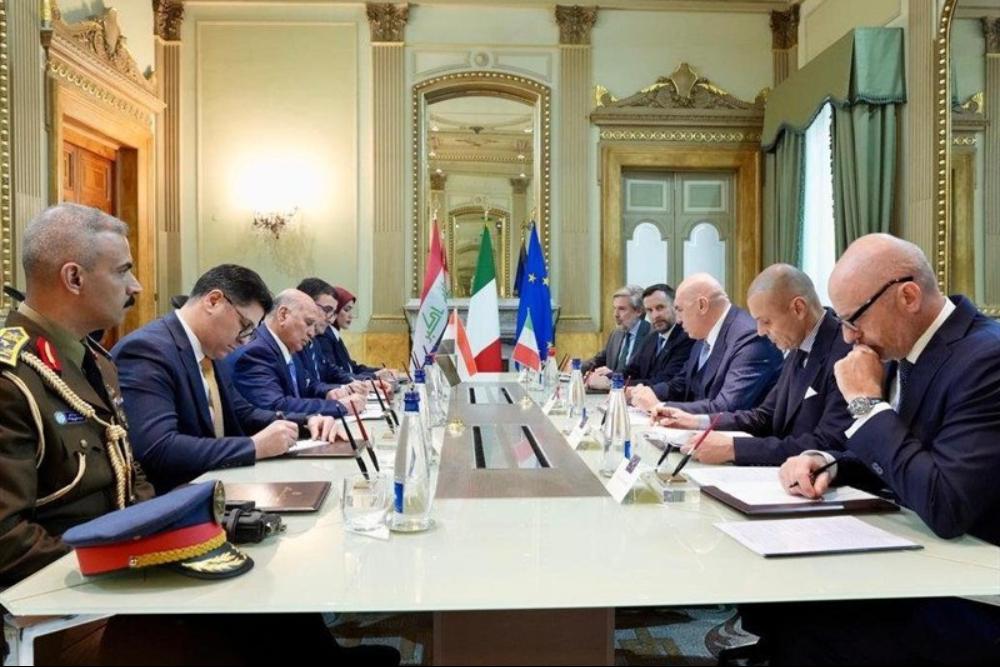
“Nur News - International Section: Iraq's Foreign Minister Fuad Hussein met with Guido Crosetto, Italy's Defense Minister, for talks”
It reports that “there have also been contacts between Tehran and Gulf countries,” and says that “as the Iranian Mehr agency reported, Iranian Foreign Minister Abbas Araghchi had a telephone conversation with his Saudi counterpart Faisal bin Farhan.”
Sky TG24 adds that the two sides “warned of the dangerous consequences of an escalation of tensions in the region for regional peace and stability.”
The same Sky TG24 account says Mehr agency reported that “the growing threats from the United States to attack Iran, if the country does not abandon its nuclear and missile activities,” pushed Araghchi and regional counterparts to hold separate telephone conversations “to discuss the matter.”
Nur News reports that Iraq and Italy also warned about escalation consequences, with Iraq’s Foreign Minister Fuad Hussein meeting Italy’s Defense Minister Guido Crosetto.
Nur News says the two sides discussed “expanding military and security cooperation and regional developments, especially matters related to Iran,” and that they warned of “the negative consequences of any escalation of tensions for all countries in the region.”
U.S. framing and EU caution
U.S. officials and European voices in the Sky TG24 account add another layer to the escalation debate, focusing on deterrence, uncertainty, and restraint.
Sky TG24 says Secretary of State Marco Rubio, during a Senate hearing, underscored that “no one knows” who would come to power if the Islamic Republic’s Supreme Leader were removed.
Rubio is quoted saying, “I don’t think anyone can give you a simple answer about what would happen next in Iran if the Supreme Leader and the regime were to fall,” and Sky TG24 adds that he acknowledged the situation would be “more complicated than the removal of Maduro.”
Sky TG24 also reports that Rubio said the United States could, “if necessary, prevent an attack against thousands of American troops and other facilities in the region and against our allies,” while adding that he hopes “this does not come to that.”
On the European side, Sky TG24 quotes EU Commission spokesperson Anouar El Anouni, who said, “I do not intend to comment on hypothetical scenarios,” and then warned that “a military escalation risks serious repercussions for regional stability.”
El Anouni urged “diplomacy must be given a chance,” and he added that “all parties, state and non-state actors, to respect international law, to show restraint, and to avoid any action that could lead to an escalation in the” region.
What’s at stake next
Across the sources, the immediate stakes are framed as both legal and operational, with each side tying its next steps to the prospect of further strikes and regional spillover.
“We hope that Iran will quickly sit at the negotiating table and negotiate a just and fair agreement — NO NUCLEAR WEAPONS — that is advantageous for all parties”
Mehr News Agency reports that Araghchi “stressed the responsibility of all governments to condemn violations of the UN Charter and international law,” and it says he warned that “double standards are increasingly weakening international law and the non-proliferation regime.”
In Sky TG24, Tehran’s legal adviser Kazem Gharibabadi insists Iran is not seeking war but says, “if Iran is attacked, we will deal hard blows to the Americans, especially their regional military bases,” and he adds, “This is a real position of Iran, not a bluff.”
Nur News, meanwhile, frames the next phase as a regional security problem that requires coordination, reporting that Fuad Hussein and Guido Crosetto “warned of the need for joint efforts to reduce regional tensions related to Iran.”
Nur News also highlights Italy’s defense role through “training about 60,000 Iraqi forces,” placing capacity-building alongside de-escalation messaging.
The Mehr News Agency call’s inclusion of “developments in Lebanon and the necessity of respecting the ceasefire there” further suggests that the immediate diplomatic agenda is not limited to Iran alone, but extends to how ceasefires and regional stability are maintained.
More on Iran
Iranian Forces Seize Two Container Ships in Strait of Hormuz After Trump Extends Ceasefire
40 sources compared

Iran’s IRGC Navy Seizes Two Ships in Strait of Hormuz After Trump Extends Ceasefire
59 sources compared
U.S.-Iran Negotiations In Doubt As Ceasefire Timeline Remains Unclear
29 sources compared
Abbas Araghchi Says US Violations Drove Strait of Hormuz Crisis After Iran Seized Two Ships
12 sources compared