
Iran Attacks Israel and Gulf States with Missiles and Drones
Key Takeaways
- Iran launched waves of missiles and drones at Israel and Persian Gulf states.
- Iran's intelligence minister Esmail Khatib was reported killed by Israel.
- Israel says it killed multiple senior Iranian officials in rapid succession.
Coordinated Attacks
Iran launched a coordinated series of missile and drone attacks against Israel and multiple Gulf states in late February and early March 2026.
“Iran's Islamic Revolutionary Guard Corps issued evacuation orders for energy assets in Qatar, Saudi Arabia and the UAE on Wednesday, according to semi-official Mehr News Agency”
The attacks began with the assassination of Iran's Supreme Leader Ali Khamenei on February 28, when a missile struck a girls' school in Minab, killing approximately 170 people.

In response, Iran initiated retaliatory drone and missile launches targeting multiple countries simultaneously.
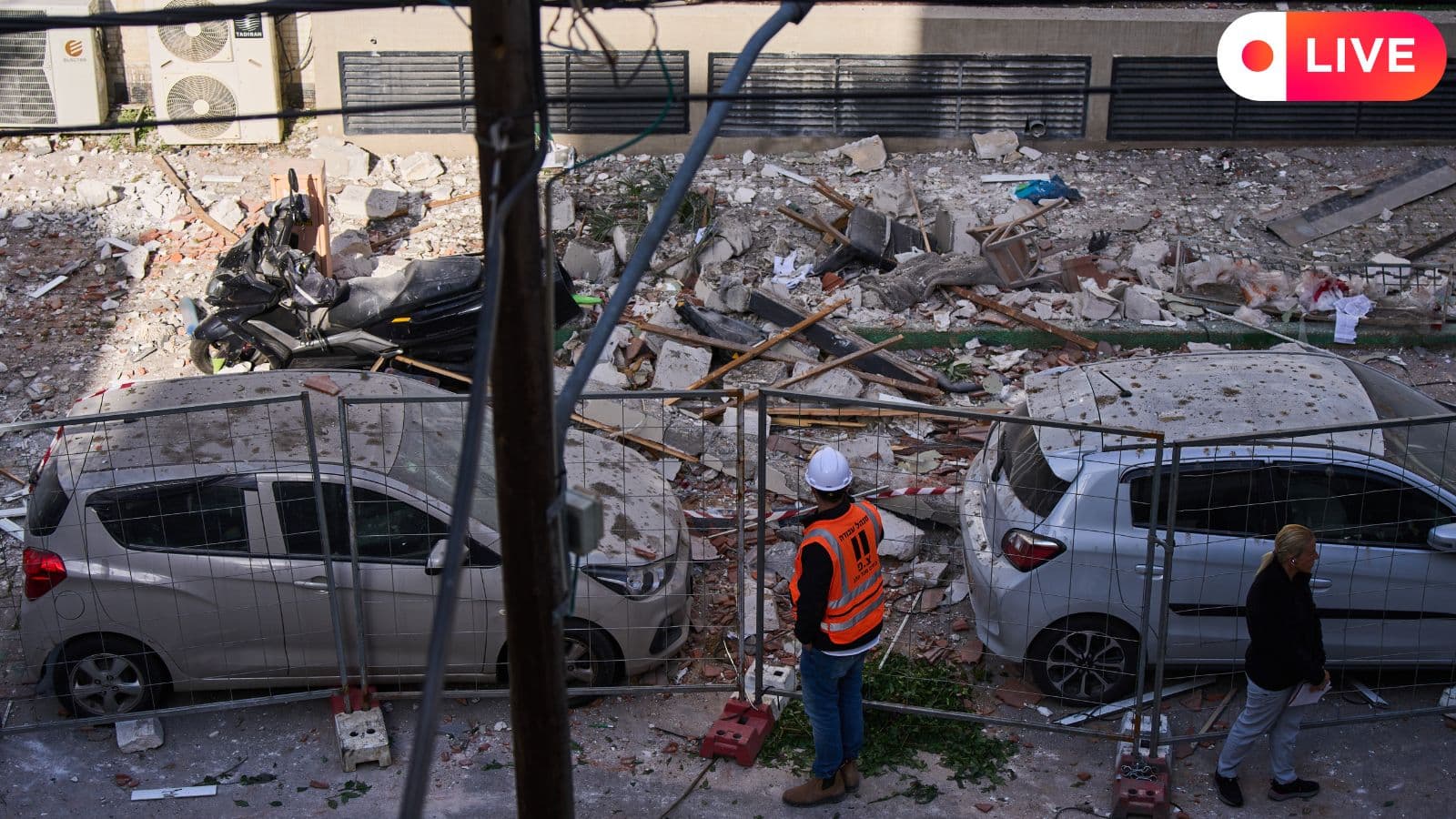
Iran attacked Dubai International Airport, Bahrain's US Navy Fifth Fleet headquarters, and military installations in Saudi Arabia, UAE, Kuwait, Qatar, Jordan, and Oman.
Iran also attacked Britain's Akrotiri base on Cyprus, demonstrating the wide geographical reach of its operations.
These attacks have virtually shut down the vital Strait of Hormuz shipping lane to international oil traffic, creating significant disruptions to global energy markets.
Economic Impact
The Strait of Hormuz closure represents one of the most significant economic consequences of Iran's attacks.
Maritime and trade data platforms indicate that approximately 90 ships including oil tankers have successfully crossed the Strait since the war began.

Many of these vessels were 'dark' transits evading Western sanctions that likely have ties with Iran.
Vessels with ties to India and Pakistan have also successfully crossed the strait as governments stepped up negotiations.
India's domestic LPG prices rose by Rs 60/cylinder (from Rs 853 to Rs 913) amid Hormuz disruption.
The International Energy Agency released 400 million barrels from strategic reserves—the largest such intervention in its history.
Human Cost
The human cost of Iran's attacks and subsequent Israeli counterstrikes has been substantial.
“US Director of National Intelligence Tulsi Gabbard told a Senate committee that US attacks on Iran have “obliterated” the country’s nuclear enrichment programme and buried its underground facilities”
Iran's Health Ministry confirms 1,444 killed and 18,551 injured in Iran alone.
Hengaw reports over 5,300 killed across the region including military personnel.
In Lebanon, Israeli strikes have killed at least 900 people and displaced more than one million people.
At least 12 senior Iranian officials have been killed since the attacks began, including former supreme leader Ayatollah Ali Khamenei and security chief Ali Larijani.
158 people of various nationalities sustained injuries ranging from minor to severe in Iranian attacks.
International Reactions
International reactions to the escalating conflict have been markedly divided.
The UN Security Council adopted a GCC-backed resolution condemning Iran's attacks on Gulf states.
UK Prime Minister Keir Starmer condemned Iran's retaliatory strikes and called for resumed diplomacy.
France's President Emmanuel Macron urged Iranian President Pezeshkian to end 'unacceptable attacks' and warned of regional chaos.
Saudi Arabia convened regional foreign ministers to coordinate 'on ways to support security and stability.'
US President Trump criticized countries that have not sent military forces to help escort tankers through the strait.
Current Escalation
The conflict continues to escalate as of mid-March 2026.
“FILE - Parliament Speaker Ali Larijani gives a press conference in Tehran, Iran, Dec”
Iran launched fresh strikes on Israel on March 17-18, killing at least two people near Tel Aviv.
Israeli Defense Minister Israel Katz has authorized the IDF to target any senior Iranian official without seeking additional approval.
Katz stated that 'the intensity of attacks in Iran is increasing' and that 'significant surprises are expected throughout today across all arenas.'
Israel has begun limited ground operations in Lebanon.
Israeli strikes increasingly target central Beirut neighborhoods far from the city's southern suburbs.
More on Lebanon
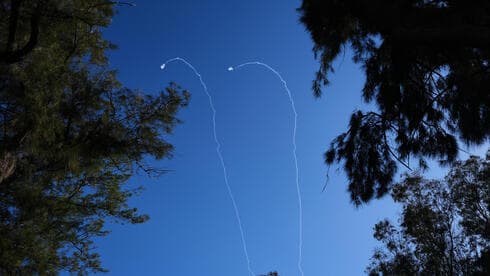
Israel begins its long-planned ground invasion of Lebanon
13 sources compared

Hezbollah Fires 200 Rockets at Israel From Lebanon
17 sources compared
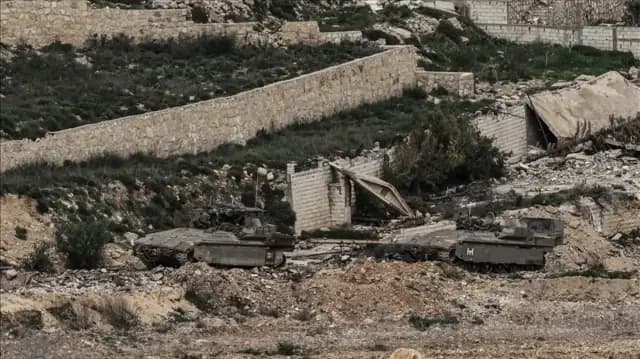
Israel Attacks Hezbollah Infrastructure in Beirut, Forcing Over 1 Million Lebanese to Flee
12 sources compared
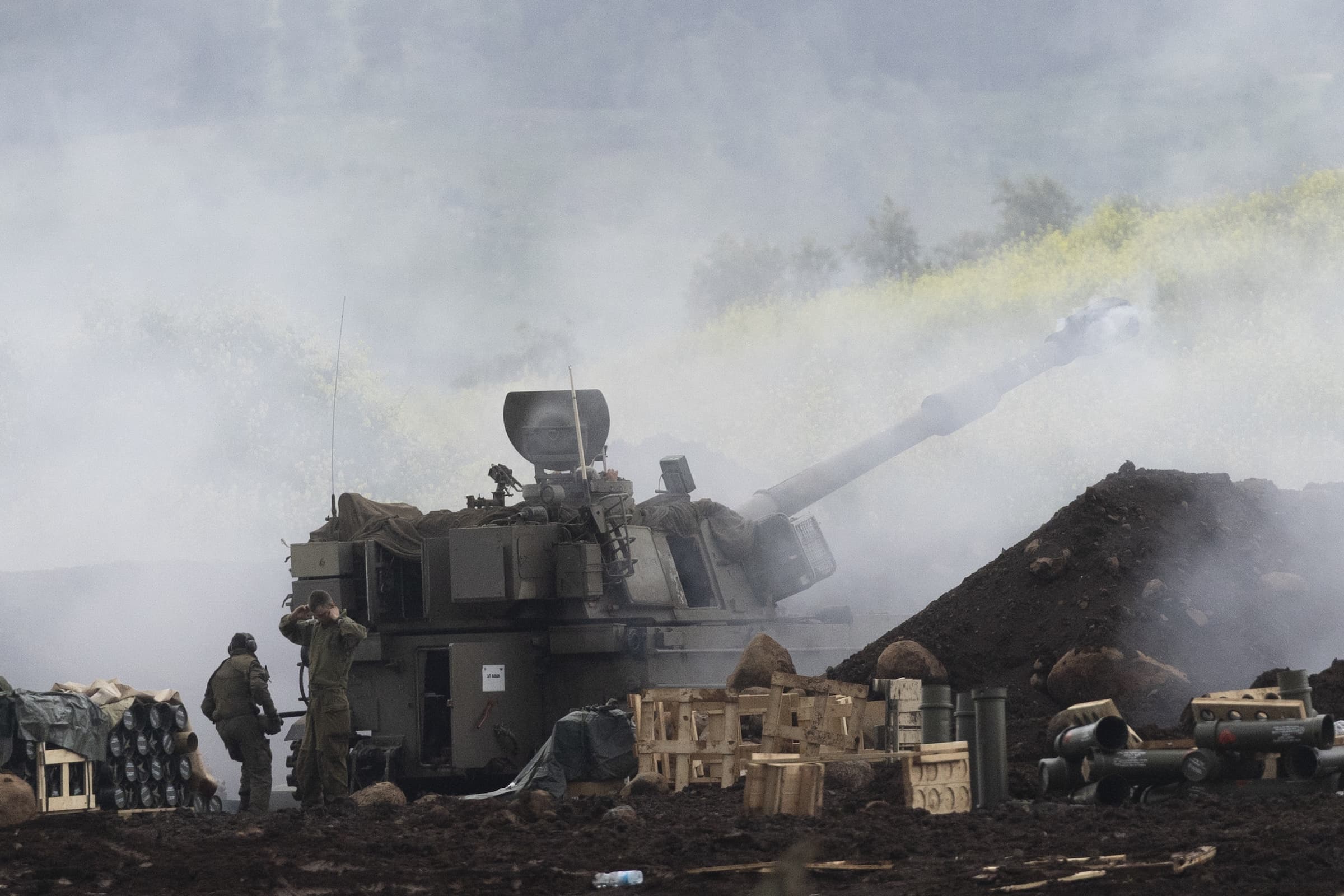
Israel Launches Ground Operation in Southern Lebanon to Target Hezbollah
10 sources compared