
Iran Attacks Unarmed Vessels, Prompting Europe and Japan to Help Secure Strait of Hormuz
Key Takeaways
- Iran's attacks disrupted shipping through the Strait of Hormuz.
- U.S. and allies intensified strikes on Iranian vessels and drones near Hormuz.
- Europe and Japan signaled readiness to assist securing safe passage, without committing warships.
Allied Condemnation
European allies and Japan have responded to Iran's attacks on unarmed commercial vessels by issuing a joint condemnation.
“What the closure of the Strait of Hormuz means for the global economy The ongoing military conflict between Iran and the United States and Israel has raised concerns about a major disruption of global oil supplies driven by geopolitical events”
The statement from the United Kingdom, France, Germany, Italy, the Netherlands and Japan condemned 'in the strongest terms recent attacks by Iran on unarmed commercial vessels in the Gulf.'
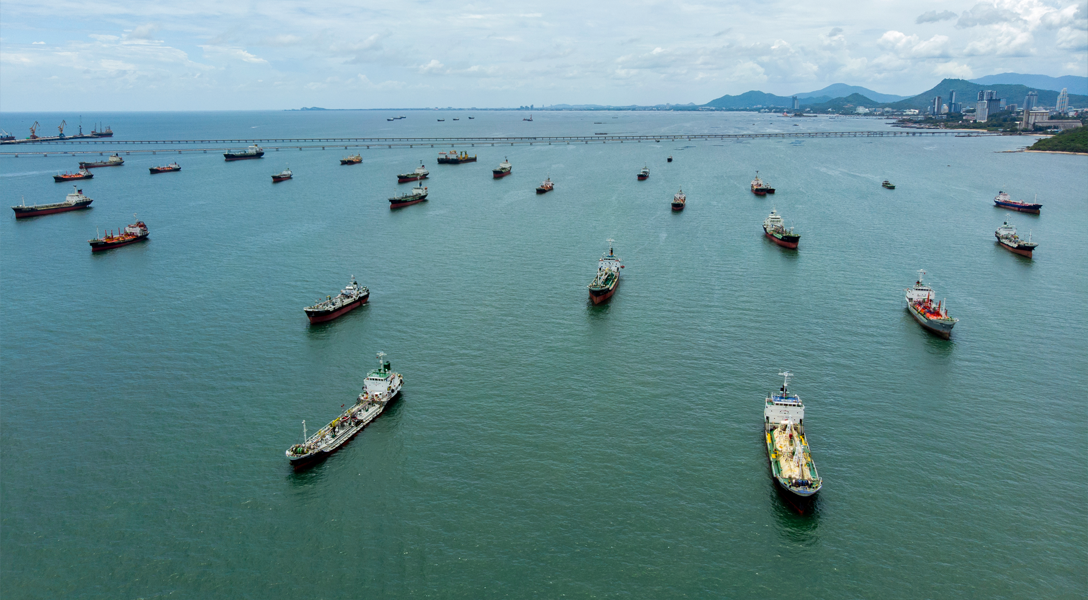
Allies also condemned 'attacks on civilian infrastructure, including oil and gas installations, and the de facto closure of the Strait of Hormuz by Iranian forces.'
They called on Iran 'to cease immediately its threats, laying of mines, drones and missile attacks and other attempts to block the Strait to commercial shipping.'
European and Japanese allies affirmed that freedom of navigation is a fundamental principle of international law.
Global Economic Impact
Iran's attacks have created significant global economic disruption, particularly in energy markets.
Since the start of the war on Feb. 28, Iran has repeatedly targeted energy infrastructure across the Persian Gulf.
The Strait of Hormuz carries about 20% of global oil exports and a large share of international trade.
Qatar's Ras Laffan LNG facility, the world's largest LNG export plant, was attacked by Iran.
Experts estimate repairs could take months to years, potentially creating a five-year setback.
The disruption has already driven oil prices higher, with Brent crude briefly surpassing $119 per barrel.
European wholesale gas prices surged approximately 50% and Asian LNG spot prices rose approximately 39%.
Military Response
The United States and its allies have intensified military operations near the Strait of Hormuz.
“The Wall Street Journal revealed that the United States and its "allies" are intensifying their military operations aimed at reopening the Strait of Hormuz, by launching intensive air strikes targeting Iranian naval vessels and drones, as part of a multi-stage plan devised by the Pentagon to curb the threats that have halted shipping through the Strait of Hormuz since early March”
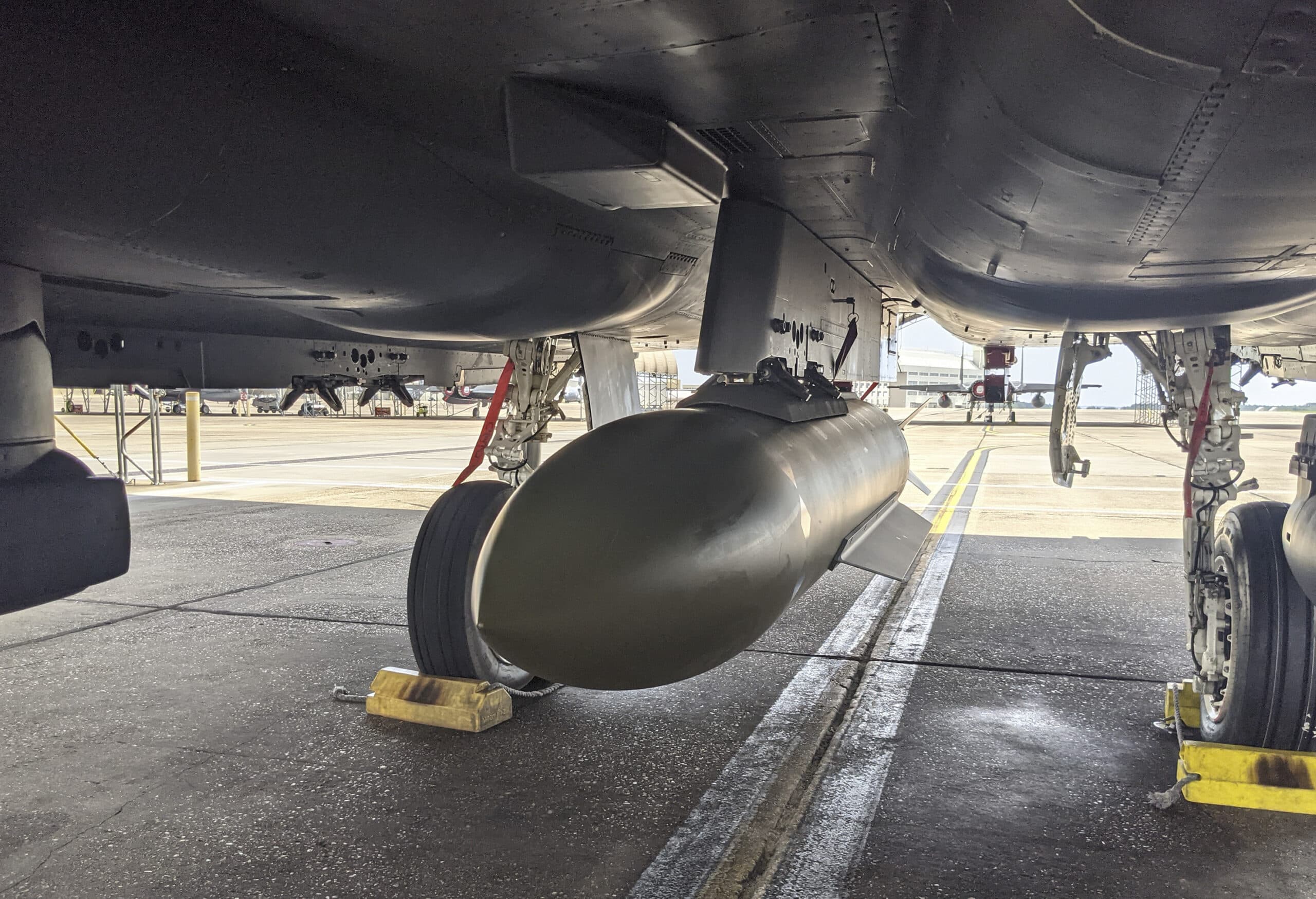
A-10 'Warthog' attack aircraft and Apache helicopters are actively engaged in operations over the strait and nearby coastal areas.
The goal is to reduce threats from Iranian boats, mines and cruise missiles that have disrupted shipping.
General Dan Kaine, Chairman of the Joint Chiefs of Staff, confirmed these operations aim to dismantle Iran's network of assets.
The military strategy involves hunting and killing fast attack watercraft in the Strait of Hormuz.
Some allies are also using Apache helicopters to neutralize Iran's suicide drones.
The complete neutralization of Iran's naval forces is one of the core objectives of the 'Epic Fury' operation.
Regional Escalation
Regional tensions have escalated significantly as Iran continues drone and missile attacks on neighboring countries.
Saudi Arabia has reported intercepting numerous drones and missiles over its eastern regions.

The Saudi Defence Ministry announced the successful downing of more than two dozen drones over several hours.
Kuwait has also confronted 'hostile missile and drone attacks,' with its military reporting interceptions.
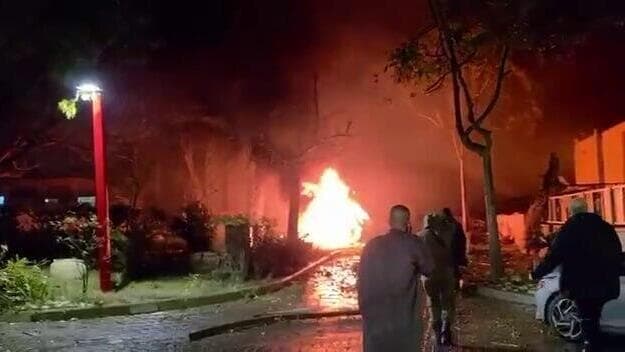
Bahrain reported a warehouse fire caused by 'Iranian aggression,' though the specific type of attack was not disclosed.
China has further tightened global supply chains by restricting fertiliser exports to protect its domestic market.
These developments indicate a broader regional conflict that extends beyond the immediate maritime dispute.
Strategic Options
Strategic considerations include discussions about occupying Kharg Island.
Kharg Island processes about 90% of Iran's crude oil exports.

It serves as a primary source of revenue for Iran's faltering economy.
Before the war, Kharg Island processed much of Iran's oil exports, particularly to China.
Occupying or besieging it is seen as a potential avenue to compel Tehran to open the Strait of Hormuz.
Trump has threatened that 'one way or another' the US would open the strategic waterway.
Alternative oil transportation routes face significant challenges from missile attacks.
More on Iran
Iranian missiles strike Dimona and Arad, injuring over 100.
47 sources compared
Israel and U.S. Strike Natanz Nuclear Facility Again; Iran Blames Attack
69 sources compared

Iran Attacks Diego Garcia with Long-Range Missiles, Targeting U.S.-UK Base
82 sources compared
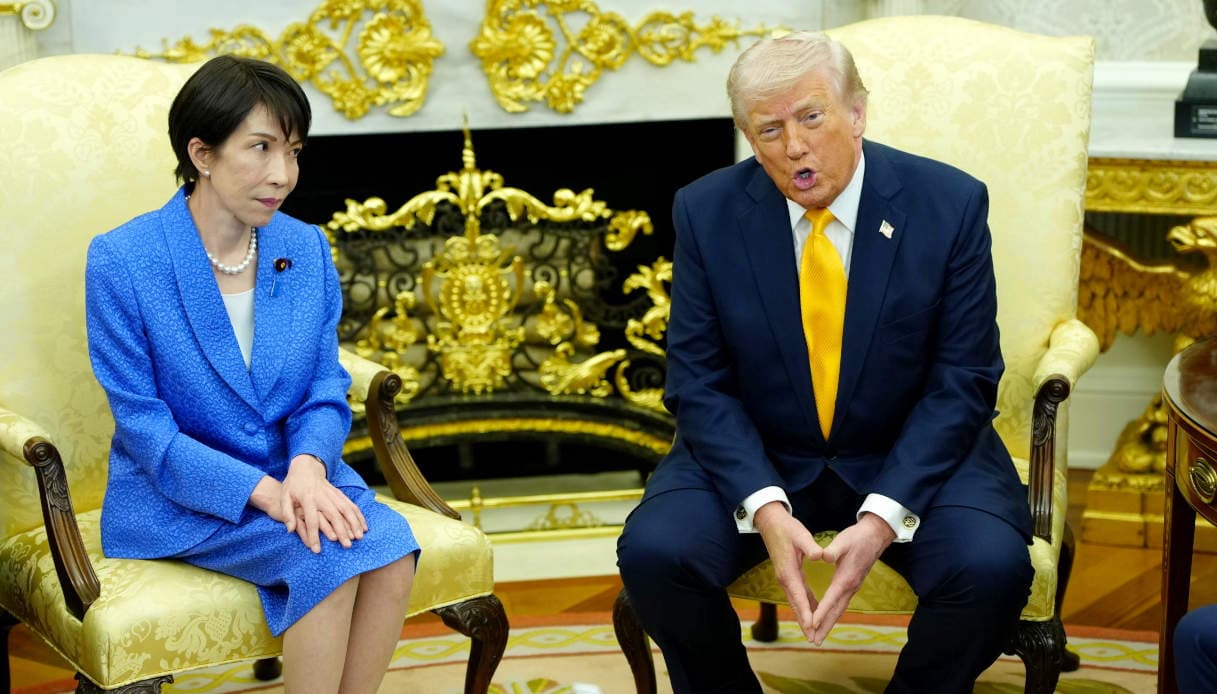
Trump Defends Iran War by Citing Pearl Harbor
12 sources compared