
Iran Attacks US and Israel with Missiles and Drones as Bombing Campaign Escalates
Key Takeaways
- Iran fires missiles and drones at US and Israeli targets.
- US-Israel bombing campaign against Iran's military infrastructure continues.
- Experts warn Iran's missile capabilities remain a credible threat.
Iran's Offensive Campaign
Iran has launched a massive offensive campaign against US and Israeli targets using ballistic missiles and deadly Shahed drones.
The attacks have targeted military facilities throughout the Middle East, locations inside Israel, and Gulf neighbor nations including UAE, Saudi Arabia, Kuwait, Bahrain, and Qatar.

Iranian officials have also expanded their targets to include civilian infrastructure such as hotels, airports, oil production facilities, and desalination plants.
This is particularly concerning given the region's dependence on desalinated water.
This aggressive response comes after what Iranian authorities perceived as provocative US and Israeli military actions against Iranian infrastructure and leadership.
Casualties and Scale
The ongoing military campaign has resulted in significant casualties and destruction across the region, with death tolls mounting as the conflict enters its third week.
Iranian authorities report over 1,200 fatalities from the fighting within Iran itself, while US military casualties stand at 13 personnel killed and approximately 140 wounded.

Civilian populations in Israel, Lebanon, and Gulf states have also suffered casualties, though exact numbers remain unclear.
The frequency and intensity of the attacks have been unprecedented, with the US and Israel claiming to have hit more than 5,000 Iranian targets in just the first two weeks of operations.
General Cain, the US Chairman of the Joint Chiefs, has explicitly stated that the objective is to strike 'deeper into Iran's military and industrial base,' indicating a sustained and comprehensive military strategy targeting Iran's core capabilities.
Economic Impact
The conflict has triggered severe economic disruption, particularly affecting global oil markets with prices fluctuating wildly between $85 and $120 per barrel.
“Neither missile hit the base -- one failed in flight while the other was hit by a US warship utilizing a SM-3 interceptor, officials said”
Iran's closure of the Strait of Hormuz, through which 20-25% of global seaborne oil trade flows, has created significant supply chain concerns.
The Iranian regime has further threatened to keep the vital waterway closed for the foreseeable future while attacking vessels in the region and reportedly planning to deploy sea mines.
Economic experts warn that prolonged oil market disruption lasting several months could trigger higher global inflation, damage business investment and trade, slow economic activity in key industries, and potentially lead to recession.
Despite the intense fighting and reduced regional oil exports, Iran has surprisingly maintained oil exports at 1.1-1.5 million barrels per day, which may contribute to Tehran's resilience and provide potential leverage in future negotiations.
Missile Capabilities
Assessments of Iran's actual missile capabilities reveal a complex picture of technological advancement and strategic positioning.
While Iranian officials have boasted about their ability to hit targets across the region, including US military bases and allied positions, defense analysts suggest that Iran may be overstating its technological prowess.

Recent missile attacks demonstrated that Iranian missiles can reach further than previously believed, with one missile reportedly capable of targeting the British Indian Ocean Territory base.
However, experts note that Iran's missile technology remains heavily reliant on outdated methods inherited from the Soviet Union or obtained from North Korea, despite claims of advanced capabilities.
The country has nevertheless made significant advancements in precision-guided munitions and drone technology, which, while not as scrutinized as ballistic missiles, can still inflict considerable damage on military and civilian targets alike.
International Response
The international community has responded with coordinated military countermeasures and diplomatic maneuvering to contain the escalating conflict.
Britain has granted US forces authorization to use its bases for strikes against Iranian missile sites targeting ships in the Strait of Hormuz, demonstrating allied support for US-led operations.

US and potentially allied forces are preparing to attempt forcing open the strategically vital waterway, though this operation promises to be particularly challenging under Iranian fire.
The conflict has also revealed Iran's strategic use of proxy forces and regional influence, with Tehran supporting armed groups equipped with Iranian-made missiles in Iraq, Syria, and Yemen.
This multi-faceted approach allows Iran to project military power without directly engaging its own conventional forces, complicating Western military calculations and demonstrating the complex regional dynamics at play in this escalating conflict.
More on Iran
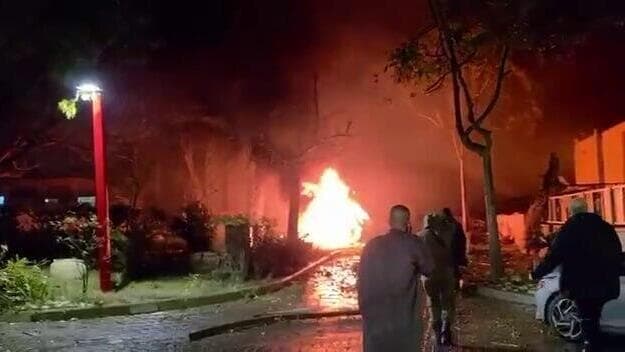
Iranian missiles strike Dimona and Arad, injuring over 100.
47 sources compared
Israel and U.S. Strike Natanz Nuclear Facility Again; Iran Blames Attack
69 sources compared

Iran Attacks Diego Garcia with Long-Range Missiles, Targeting U.S.-UK Base
82 sources compared
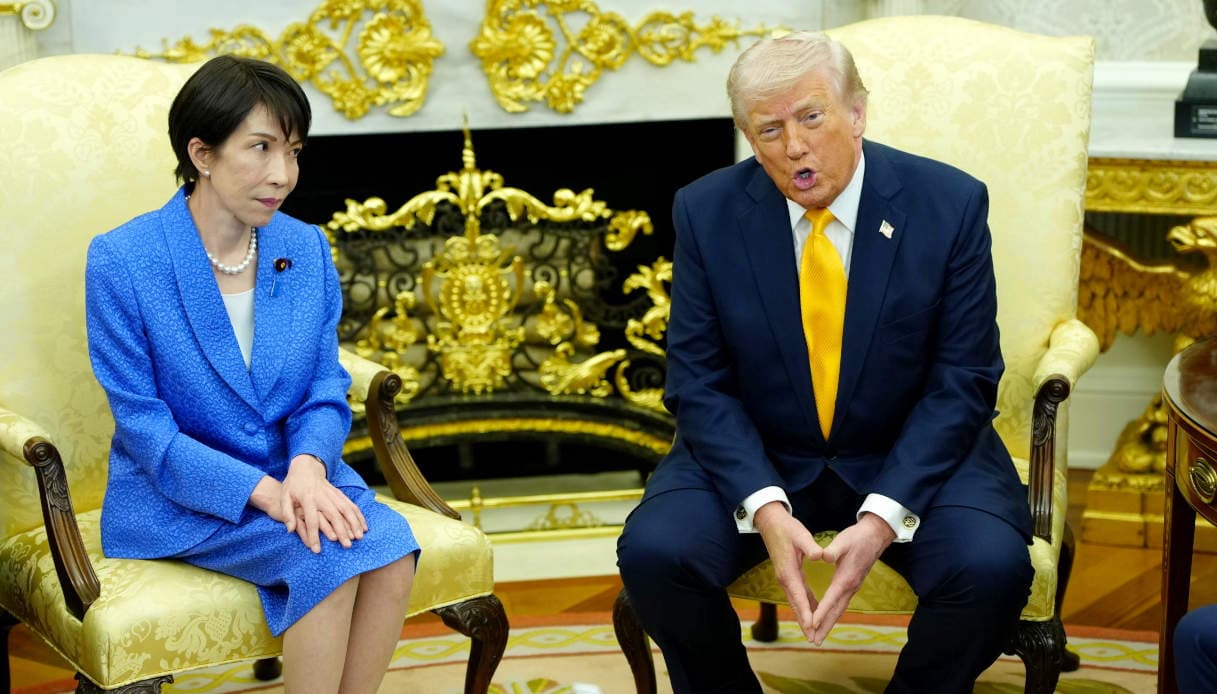
Trump Defends Iran War by Citing Pearl Harbor
12 sources compared