Iran Blockade Keeps Strait Of Hormuz Largely Closed As U.S. Navy Blocks Exports
Key Takeaways
- Iranian blockade keeps Hormuz largely closed; US Navy blocks Iranian crude exports.
- The closure choking off about 20% of global oil and gas supplies.
- Iran threatens long and painful strikes if US renews attacks.
Hormuz Standoff Deepens
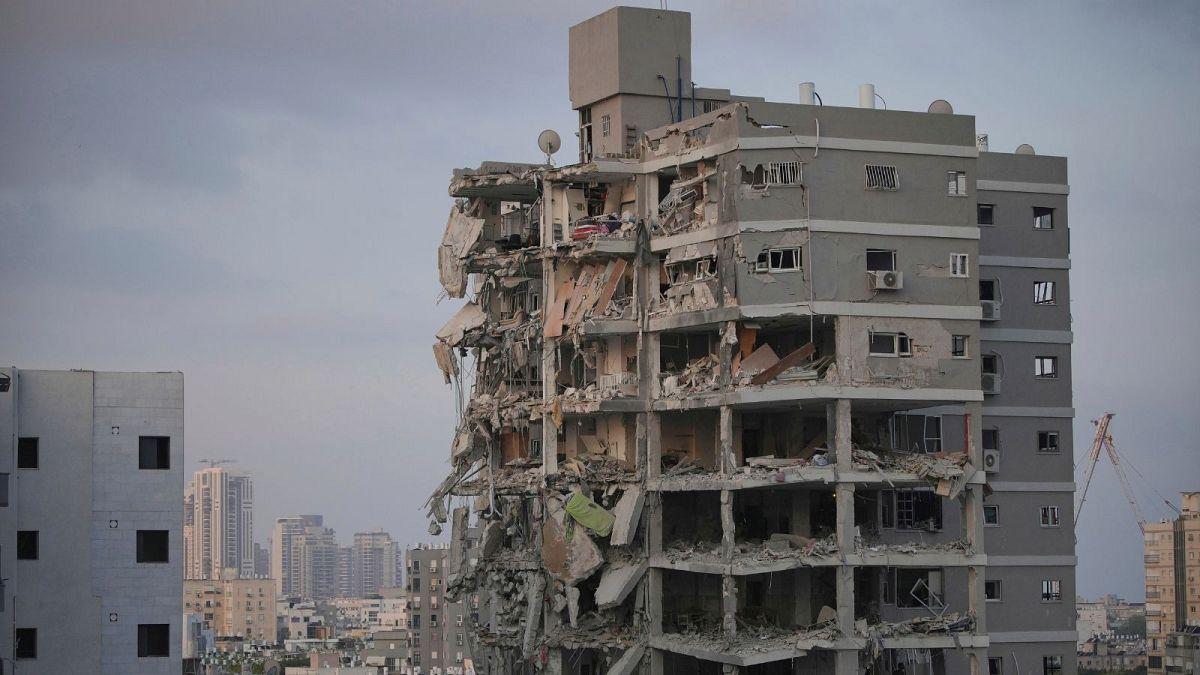
Two months into a U.S.-Israeli war with Iran, the Strait of Hormuz remains “still largely closed,” with the channel “largely closed because of an Iranian blockade” and the “U.S. Navy is blocking exports of Iranian crude oil,” according to Reuters as carried by AAP News.
“Iran cannot be trusted over any unilateral arrangements it makes for the Strait of Hormuz, a senior United Arab Emirates official says, in a sign of deep mistrust on all sides as efforts to end the Iran war remain at an impasse”
The blockade has “choked off 20 per cent of the world's oil and gas supplies,” pushing “global energy prices” higher and raising “increasing concerns that there will be an economic downturn,” the AAP News report says.

A ceasefire has been in place “since April 8,” but the impasse persists as Washington weighs “plans for new military strikes to compel Iran to negotiate,” which pushed “global oil prices up to a four-year high at one point on Thursday,” Reuters reported.
The Jerusalem Post’s live updates frame the same moment through Trump’s insistence that “Iran would use a nuclear weapon if it had one,” while also noting that “a ceasefire deal was announced on April 7 and went into effect on April 8.”
The Economic Times likewise repeats that the “vital sea channel is still largely closed” and that the U.S. blockade and the Iranian blockade are jointly driving market stress.
In parallel, Iran has “activated air defences and planned a wide response if attacked,” with “two senior Iranian sources” telling Reuters that Tehran assessed a “short, intensive US strike,” possibly followed by “an Israeli attack.”
The standoff is also being treated as a legal and political deadline issue in Washington, with AAP News saying Trump faces a “formal US deadline on Friday to end the war or make the case to Congress for extending it under the 1973 War Powers Resolution.”
Escalation Timeline and Options
The reporting ties the current phase to a sequence of strikes and retaliations that began with U.S. and Israeli air strikes on February 28, followed by Iran’s firing at U.S. bases and infrastructure and Hezbollah’s missile launches at Israel.
AAP News says that after “US and Israeli air strikes on February 28, Iran fired at US bases, infrastructure and US-linked companies in Gulf states,” while “the Iran-backed Lebanese group Hezbollah launched missiles at Israel, which responded with strikes on Lebanon.”

Against that backdrop, AAP News describes a ceasefire “since April 8,” but also says that “reports that US President Donald Trump was to be briefed on plans for new military strikes” kept pressure on markets.
Multiple outlets describe the briefing and the planning for renewed action: AAP News says “Trump was to be briefed on plans for new military strikes,” while Time Magazine says Trump is expected to be briefed by “CENTCOM Commander Adm. Brad Cooper” on “potential military options Thursday afternoon.”
The Globe and Mail similarly says Trump was scheduled to receive “a briefing on Thursday on plans for a series of fresh military strikes on Iran to compel it to negotiate an end to the conflict.”
The New York Post adds detail on Trump’s posture, quoting him saying, “The blockade is genius, okay? The blockade has been 100% foolproof,” and describing Central Command drafted plans for “short and powerful” strikes.
Reuters-linked reporting also includes a specific operational concept: Axios, as cited by AAP News, the Economic Times, and other outlets, says one plan involved “using ground forces to take over part of the strait to reopen it to commercial shipping.”
The Economic Times also notes that “Washington did not immediately announce any details of its plans,” while still stating that Trump was “also considering extending the U.S. blockade or declaring a unilateral victory.”
In parallel, the legal clock is framed as a War Powers Resolution issue, with AAP News saying hostilities were treated as terminated “due to the April ceasefire between Tehran and Washington,” and Al Jazeera adding that “Friday is the deadline for Congress to approve the war.”
Iran’s Threats and Counterclaims
Iran’s response is presented across multiple outlets as both a military warning and a political insistence on control of the Strait of Hormuz.
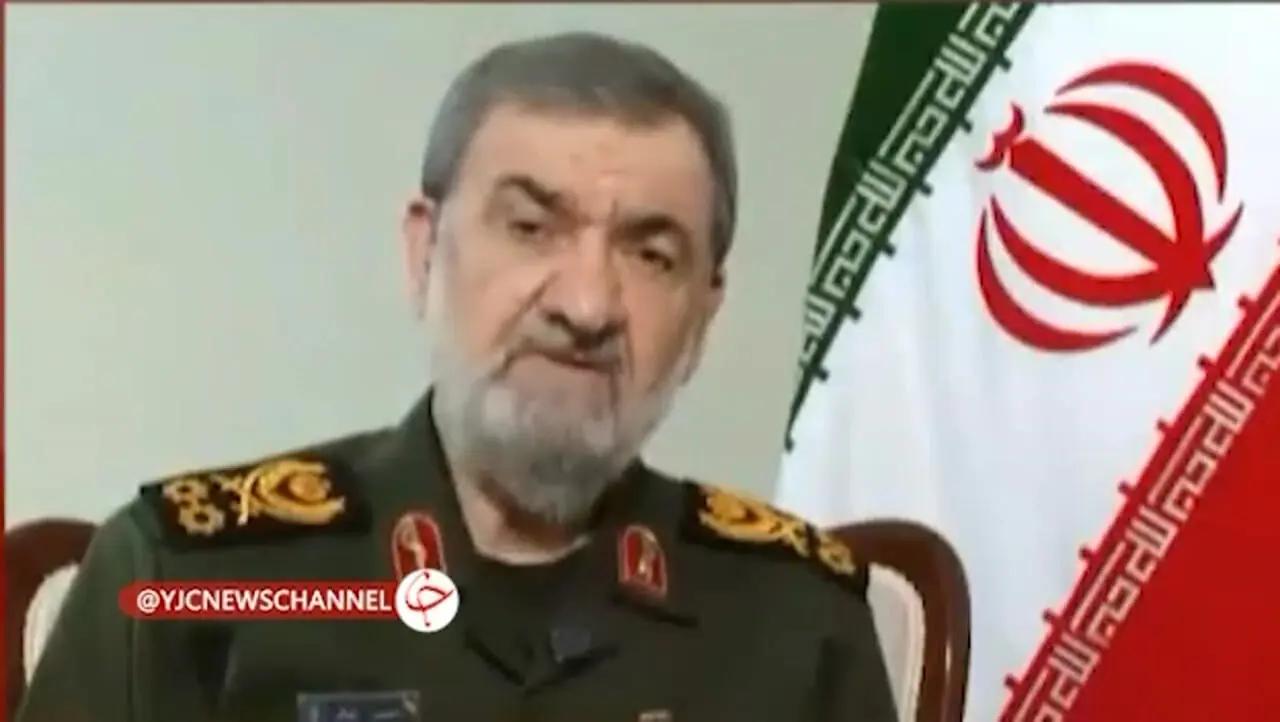
AAP News reports that a senior official of Iran’s Revolutionary Guards said any “new US attack on Iran, even if limited, would usher in "long and painful strikes" on US regional positions,” and it also says Iran had “planned a wide response if attacked.”
Onmanorama and the Globe and Mail repeat the same core warning, with Onmanorama quoting Iran’s position that it would respond with “long and painful strikes” on U.S. positions if Washington renewed attacks, and the Globe and Mail describing the same threat as Iran “would respond with “long and painful strikes” on U.S. positions.”
Al Jazeera adds that Iran has “restated its claim to the Strait of Hormuz,” and it quotes Iran’s Foreign Ministry spokesman Esmaeil Baghaei defending the closure by saying, “This is because of the war and the defence of our right – that is, according to international law, it is legitimate, legal, and accepted.”
The same Al Jazeera report includes Baghaei’s accusation that the U.S. is “exploiting a waterway” of which Iran is the coastal state, and it quotes him saying, “you cannot allow this waterway to be misused.”
Several outlets also attribute statements to Iran’s leadership about nuclear and missile capabilities and the management of the strait: Time Magazine says Supreme Leader Mojtaba Khamenei vowed to defend “fundamental and modern technologies—from nano and bio to nuclear and missile,” and it quotes him arguing that “foreigners” have “no place there except at the bottom of its waters.”
The Jerusalem Post’s live updates include Khamenei’s vow “to protect nuclear program,” while Time Magazine and other reports say he warned U.S. bases and troops that they “do not even have the strength to ensure their own security.”
In addition, Iranian officials are portrayed as tying military readiness to the possibility of renewed attacks, with Al Jazeera reporting air defence activity in Tehran and quoting a senior IRGC official saying any new U.S. attack would usher in “long and painful strikes.”
The reporting also includes a specific Iranian counter-narrative about trust and mediation, with Onmanorama quoting Baghaei saying, “Expecting to reach a result in a short time, regardless of who the mediator is, in my opinion, is not very realistic,” and Al Jazeera framing the mediation impasse as a “dead end.”
Gulf States and Global Markets
The dispute is also framed through the reactions of Gulf states and the economic ripple effects of Hormuz closure.
AAP News quotes UAE presidential adviser Anwar Gargash saying the “collective international will and provisions of international law” were the “primary guarantors of freedom of navigation through the strait,” and it adds Gargash’s warning that “no unilateral Iranian arrangements can be trusted or relied upon following its treacherous aggression against all its neighbours.”
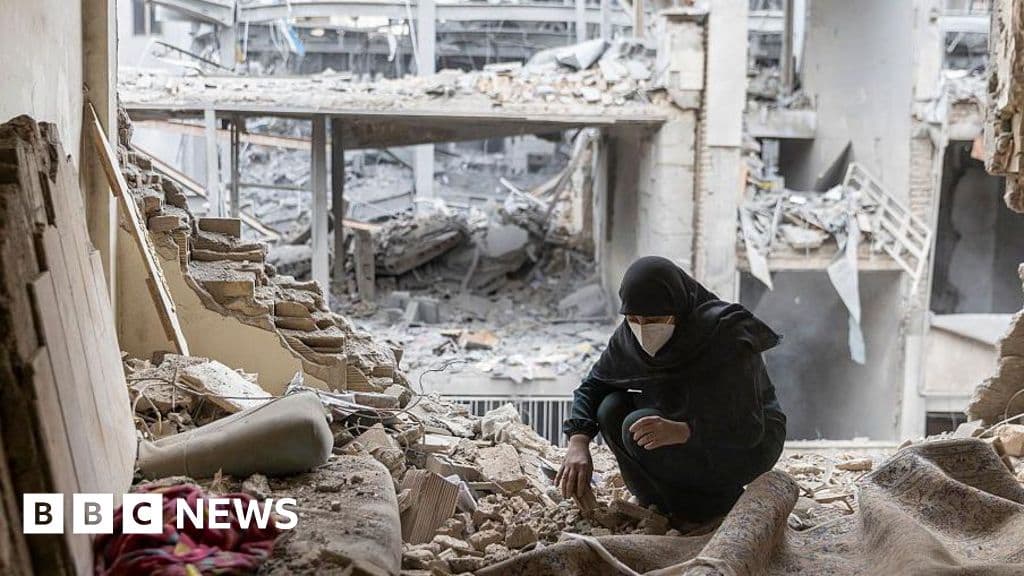
The Economic Times repeats Gargash’s “TREACHEROUS AGGRESSION” language and ties it to the same Hormuz navigation issue, while also emphasizing that “Financial and energy markets remained on edge” because of “concerns about the impasse over negotiations” and “worries that there could be a prolonged closure of the Strait of Hormuz.”
Multiple outlets quantify the market pressure by citing Brent crude levels, with AAP News saying Brent rose “up slightly at over $US111 a barrel after hitting $US126 a barrel on Thursday, the highest level since March 2022,” and Time Magazine saying Brent “rose to $126 per barrel early Thursday” before dropping back down.
The Economic Times adds that Brent was “poised for a 5.7% gain over the week after hitting $126 a barrel on Thursday,” and it notes that the gasoline price concern is central to U.S. politics.
Time Magazine reports that “The national average for gasoline has also climbed to $4.3 per gallon, up 7 cents from the previous day,” citing the American Automobile Association, while AAP News says Trump predicted the price of petrol would “drop like a rock” as soon as the war ended.
The stakes are also described in terms of broader economic consequences, with Onmanorama quoting UN Secretary-General Antonio Guterres warning that “The longer this vital artery is choked, the harder it will be to reverse the damage,” and with the Globe and Mail quoting Guterres that if disruption drags on “global growth would fall, inflation would rise and tens of millions more people would be pushed into poverty and extreme hunger.”
In parallel, Al Jazeera reports that the United Arab Emirates banned its citizens from traveling to Iran, Iraq and Lebanon and urged them to “leave immediately and return home,” and it also includes Bahraini King Hamad bin Isa Al Khalifa condemning what he described as Iranian aggression against Manama.
The reporting thus links regional security messaging to energy chokepoint economics, with the same Hormuz closure described as a driver of both military planning and market volatility.
Nuclear, Coalition, and Deadlines
The reporting repeatedly returns to the nuclear question and to the U.S. effort to build a coalition to reopen Hormuz, both of which are entangled with the legal deadline for Congress.
AAP News says Trump repeated on Thursday that “Iran would not be allowed to have a nuclear weapon,” and it also reports that Washington has not said what its next steps are, even as it considers options that could include extending the blockade or declaring “a unilateral victory.”
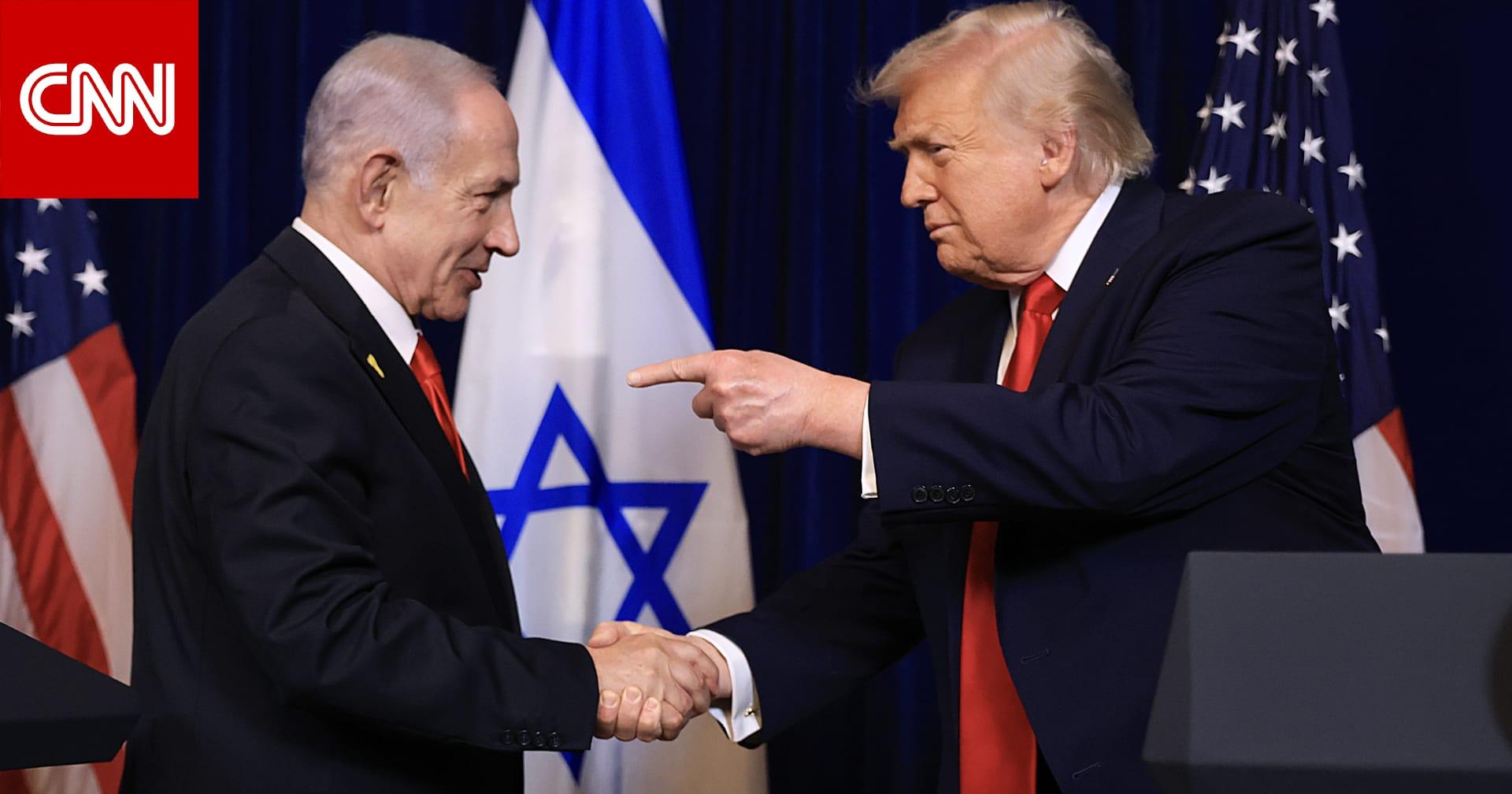
The Jerusalem Post’s live updates echo Trump’s framing, saying he told Newsmax that “only a guarantee against nuclear development will secure a lasting peace,” and it also includes the claim that Trump “insists Iran would use a nuclear weapon if it had one.”
Time Magazine adds that Trump complained on Wednesday that “Iran can’t get their act together” and said “They don’t know how to sign a nonnuclear deal,” while also stating that Trump is “adamant that a deal can only be made to end the war if Tehran agrees to give up itsnuclear ambitions.”
On the coalition front, the Economic Times says a State Department cable due to be delivered orally by May 1 invited partners to join a new coalition called the “Maritime Freedom Construct,” and it adds that “France, Britain and others have held talks on contributing to such a coalition but said they would help to open the Strait only when the conflict ends.”
The legal deadline is described in multiple ways: AAP News says Trump faces a “formal US deadline on Friday” under the 1973 War Powers Resolution, while Al Jazeera states “Friday is the deadline for Congress to approve the war,” and it adds that without approval “the US will have to scale back its offensive significantly.”
AAP News also says a senior administration official told Reuters that “for the purposes of the resolution, hostilities had terminated due to the April ceasefire between Tehran and Washington,” which would affect how the deadline is treated.
The stakes are sharpened by the possibility that Iran’s threats could collide with U.S. planning, with Al Jazeera quoting a senior IRGC official saying any new U.S. attack would usher in “long and painful strikes,” and with France 24 reporting Iran’s “long and painful strikes” warning as well.
In this environment, the ceasefire is described as not resolving the core dispute, with Al Jazeera saying “Despite a ceasefire in place since April 8, Iran continues to block the strait,” while the U.S. maintains “its maritime pressure campaign.”
More on Iran
Iran War Halts Strait of Hormuz Shipping, Yara Chief Warns of Global Fertiliser Squeeze
15 sources compared

Donald Trump Threatens Iran Infrastructure as Hamadan Neighborhood Attacked and MQ-9 Destroyed
12 sources compared

Saman Rezaei Says US And Israel Attacks Killed At Least 44 Iranian Seafarers
13 sources compared
Iran Officials Reject U.S. Claims, Say Mojtaba Khamenei Is Alive in Perfect Health
12 sources compared