Iran · 01 May, 2026 · 6 min read
Iran Officials Reject U.S. Claims, Say Mojtaba Khamenei Is Alive in Perfect Health
Iranian officials say Mojtaba Khamenei is in good health. Absence from public view not due to illness; aides deny health rumors.
11 of 12 outlets skipped it: verification work debunks a specific viral claim (video/person is misattributed and a statement attributed to Bashar Ismail is forged)..
12outlets compared
Same story, two versions
tap a side to read it in full
Masrawy
““In contrast, U.S. Defense Secretary Lloyd Austin stated that Mojtaba Khamenei is likely to be maimed, a claim Washington made without providing tangible evidence.””Read the original ↗
Directly opposing narratives (healthy and actively managing affairs vs potentially maimed) affect perceptions of Iran’s command continuity during war and ceasefire negotiations.
US health claims denied
Iran’s senior officials rejected United States claims about the health of Supreme Leader Mojtaba Khamenei, framing the allegations as a “trick used by the enemy” and insisting he is alive and in “perfect health.”
“This is a trick used by the enemy, who wants to say, ‘Why is he not present? Why doesn’t he send an audio or video message?”
Ayatollah Mohsen Qomi, described as “Deputy for International Affairs in the office of the Supreme Leader of Iran,” said: “Some people ask about the health status of His Eminence the Leader, Ayatollah Sayyid Mojtaba Khamenei. This is a trick used by the enemy, who wants to say, ‘Why is he not present? Why doesn’t he send an audio or video message?”

Qomi added: “Why don’t the people who have visited him come forward and speak? They want to use these questions to force us into reacting, so they can achieve their goals,” as quoted by Fars News Agency.
He also confirmed that Mojtaba Khamenei was in the building that was bombed, saying: “He was in that very building that was bombed, where others were martyred. Just minutes before the explosion, by God’s will he had gone into the courtyard. God wanted him to be preserved.”
Qomi said, “Currently, he is in perfect health and is actively managing affairs,” and added that he “oversees matters related to negotiations and field operations with his direct supervision.”
The denials were reported alongside references to multiple US media reports that had suggested Mojtaba Khamenei was dealing with serious health complications after surviving a bomb attack.
Absence, injuries, and war
Iran’s statements about Mojtaba Khamenei’s health and disappearance from public view were tied to the broader context of the Iran–Israel–United States conflict that began with strikes inside Iran on February 28.
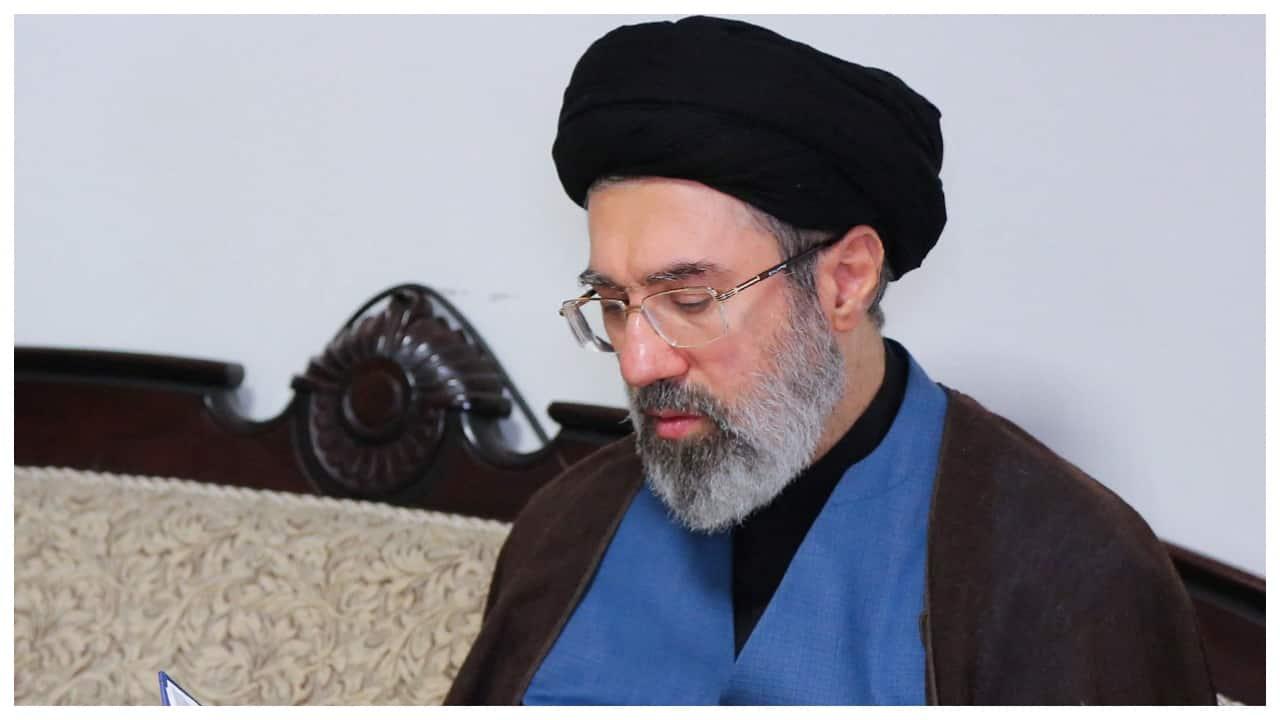
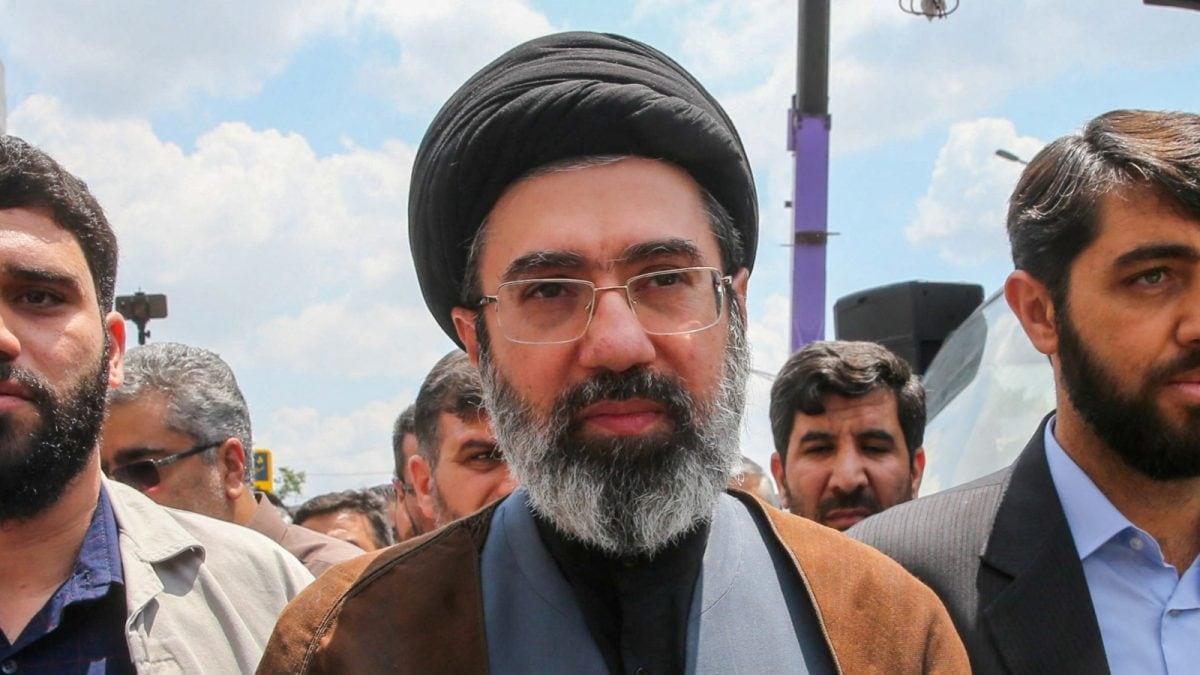
News18 and The Times of India both linked the US health narrative to questions raised after Mojtaba Khamenei’s absence from public view, noting that the New York Times had reported he underwent surgery on his hand, sustained severe facial burns, and may require a prosthetic leg due to injuries from the strike.N
News18 also said the report described Mojtaba Khamenei as largely staying out of public view since the “February 28 airstrikes on the compound of Ali Khamenei, where he had been residing,” and that the attack “reportedly resulted in the deaths of his wife and son.”N
In a separate account, Masrawy reported that the Iranian Foreign Ministry confirmed on Wednesday that Mojtaba Khamenei is in “good health,” stressing that his absence from the public scene is “not due to illness,” but rather “exclusively due to war conditions and the current security requirements.”M
Masrawy further said the Russian ambassador to Tehran, Aleksei Didov, rejected rumors that Mojtaba Khamenei was evacuated to Moscow, confirming he remains inside Iranian territory while refraining from appearing for security reasons and battlefield conditions.M
The same Masrawy report described conflicting claims about injuries, saying CNN cited a source claiming injuries included “a broken leg, a bruise to the left eye, and various facial wounds,” while U.S. MDefense Secretary Lloyd Austin stated Mojtaba Khamenei is likely to be maimed.
US doubts and Iranian rebuttals
The dispute over Mojtaba Khamenei’s health also played out in direct statements from U.S. officials and in rapid Iranian responses.
“I have no confirmation about whether he is alive; as of now no one has been able to bring him into public view.”
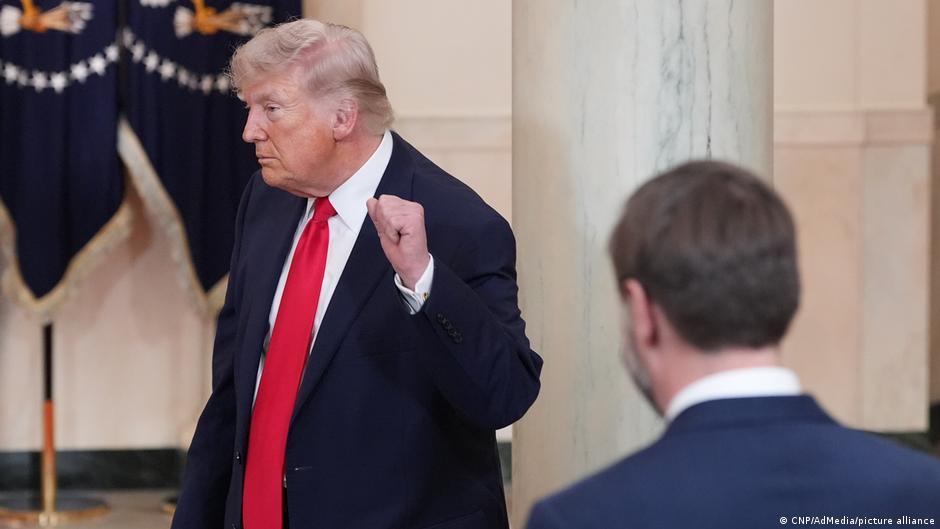
The Egyptian Today reported that U.S. President Donald Trump questioned whether Iran’s new Supreme Leader is alive after his absence from the scene, saying: “I have no confirmation about whether he is alive; as of now no one has been able to bring him into public view.”
Trump added: “if he is alive, he should take a very smart step for his country and declare surrender.”
The same report said these doubts coincided with statements by U.S. Defense Secretary Pete Hegseth, who described Mojtaba Khamenei’s son’s statement as “weak” and argued the new Supreme Leader may have “been injured or disfigured,” asking why a written statement was deemed sufficient “when Iran has imaging and recording capabilities.”
In response, the Egyptian Today said Iranian Foreign Minister Abbas Araghchi denied the claims, affirming that the new Supreme Leader is in good health and pledged that he will appear publicly soon for all to see.
Masrawy similarly described the Iranian Foreign Ministry’s position that Mojtaba Khamenei is in “full health,” and said the delay in his public appearance is “exclusively due to war conditions and the current security requirements.”M
Fact-checking and competing narratives
While Iranian officials and some outlets emphasized Mojtaba Khamenei’s health and operational role, other reporting and fact-checking framed the broader information environment as contested.
DW’s fact-checking report focused on U.S. President Donald Trump’s televised national address on Wednesday, April 1, 2026, and it included a claim Trump made that “all of their original leaders died,” which DW said was misleading or false in context.
DW quoted Trump urging the Iranian people to move against the regime on February 28, saying: “When we’re done, take the reins. They will be yours. And maybe this will be your only chance for generations to come.”
DW also described how Trump later claimed regime change happened because “all of their original leaders died,” and DW’s analysis said appointing Mojtaba Khamenei as successor “likely indicates that the regime did not change.”
In parallel, TRT عربي reported that Ali Larijani, secretary of Iran's Supreme National Security Council, posted on X early Sunday that “a number of American soldiers had been captured,” while Al Jazeera quoted a spokesperson for the U.S. Central Command denying the truth of these claims and confirming “there are no American soldiers as prisoners.”
Within the Mojtaba Khamenei health dispute itself, the sources also show divergence: News18 and The Times of India cite Iranian officials and Fars News Agency quotes insisting he is in “perfect health,” while Masrawy recounts CNN’s injury claims and U.S. Defense Secretary Lloyd Austin’s assertion that he is likely to be maimed.
Future appearances and threats
The Iranian messaging about Mojtaba Khamenei’s health is paired in some reports with warnings about how the conflict could unfold and with statements aimed at shaping expectations for public visibility.
“He has full command over the situation”
News18 and The Times of India both included Ayatollah Mohsen Qomi’s claim that Mojtaba Khamenei is “actively managing affairs” and “oversees matters related to negotiations and field operations,” with Qomi saying he “has full command over the situation.”N
In addition, the Egyptian Today reported that Abbas Araghchi pledged Mojtaba Khamenei “will appear publicly soon for all to see,” directly addressing the question of public absence.
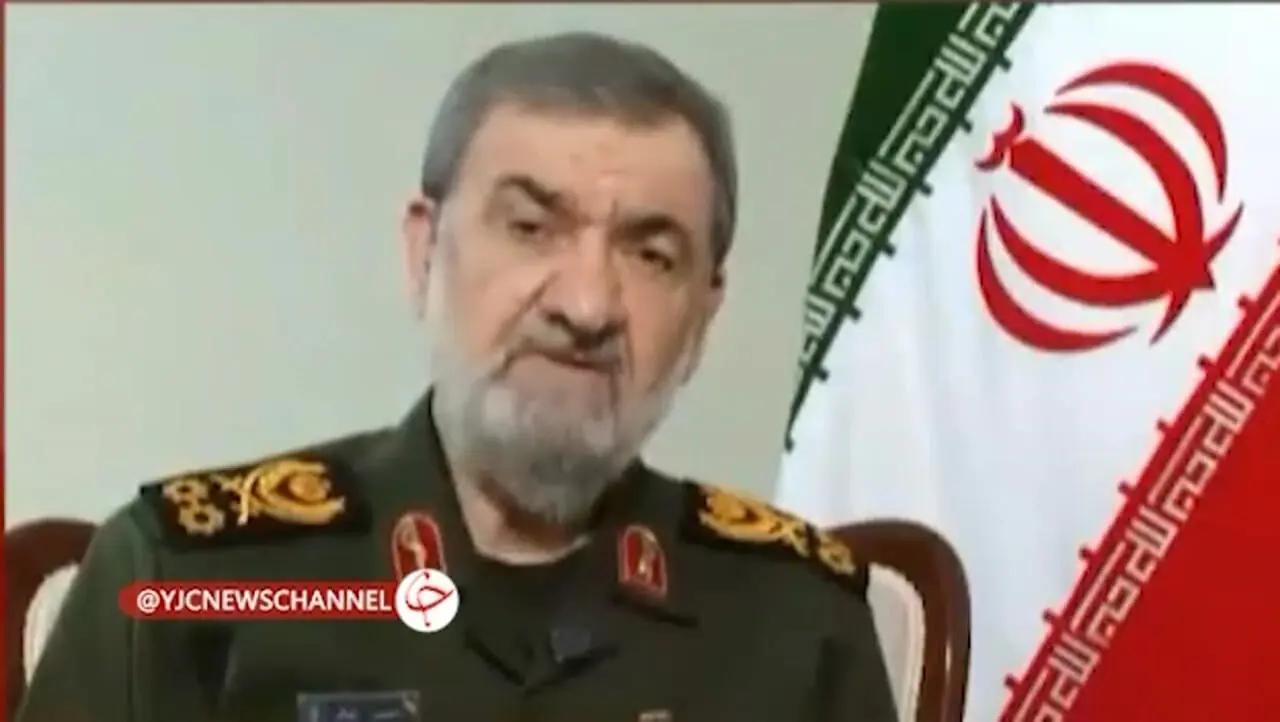
Another Iranian voice, Mohsen Rezaei, is quoted in اکویران and روزنامه دنیای اقتصاد emphasizing that people should not pay attention to rumors about the Leader and describing him as “a very energetic young man.”
In اکویران, Rezaei also warned that “if they take military action we will sink their ships in the Sea of Oman and capture their soldiers,” and he said Iran “will not relinquish the Strait of Hormuz under any circumstances,” adding that “controlling this strait is essential for regional security.”
These statements connect the health narrative to the strategic posture of the Iranian leadership, with officials presenting Mojtaba Khamenei as both a commander and a figure whose public absence is not a sign of incapacity.