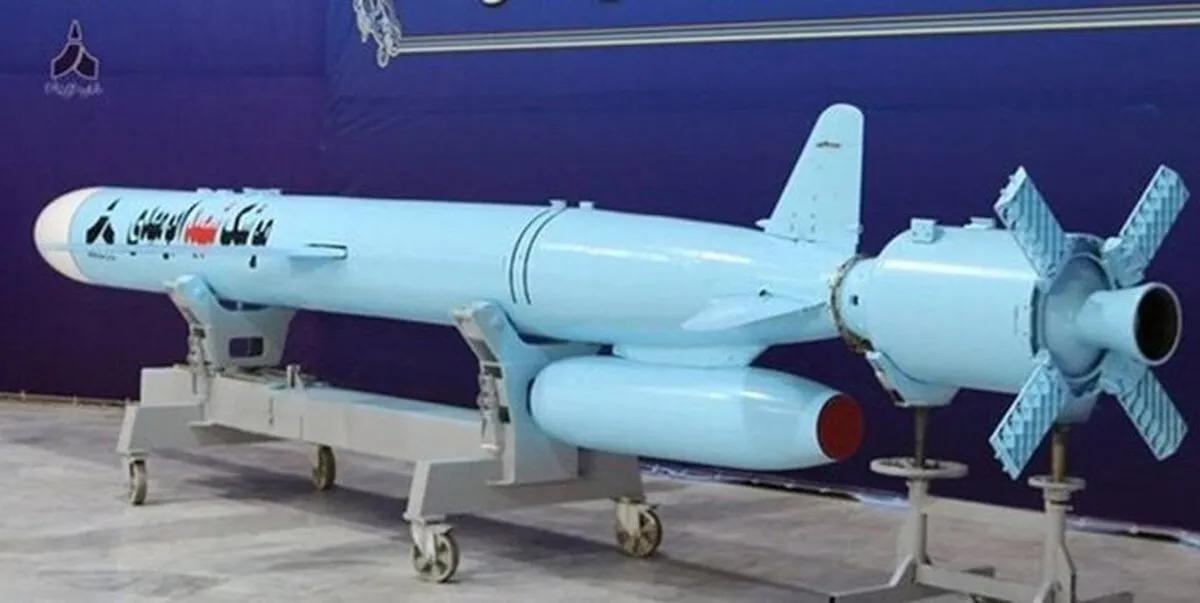
Iranian Media Claims Two Missiles Hit US Frigate Near Strait of Hormuz, Washington Denies
Key Takeaways
- Iranian media claim two missiles struck a US frigate near Hormuz.
- U.S. denies the strike; CENTCOM says no vessel was hit.
- Reports cite warnings issued by Iranian forces before the claimed attack.
Missile claim denied
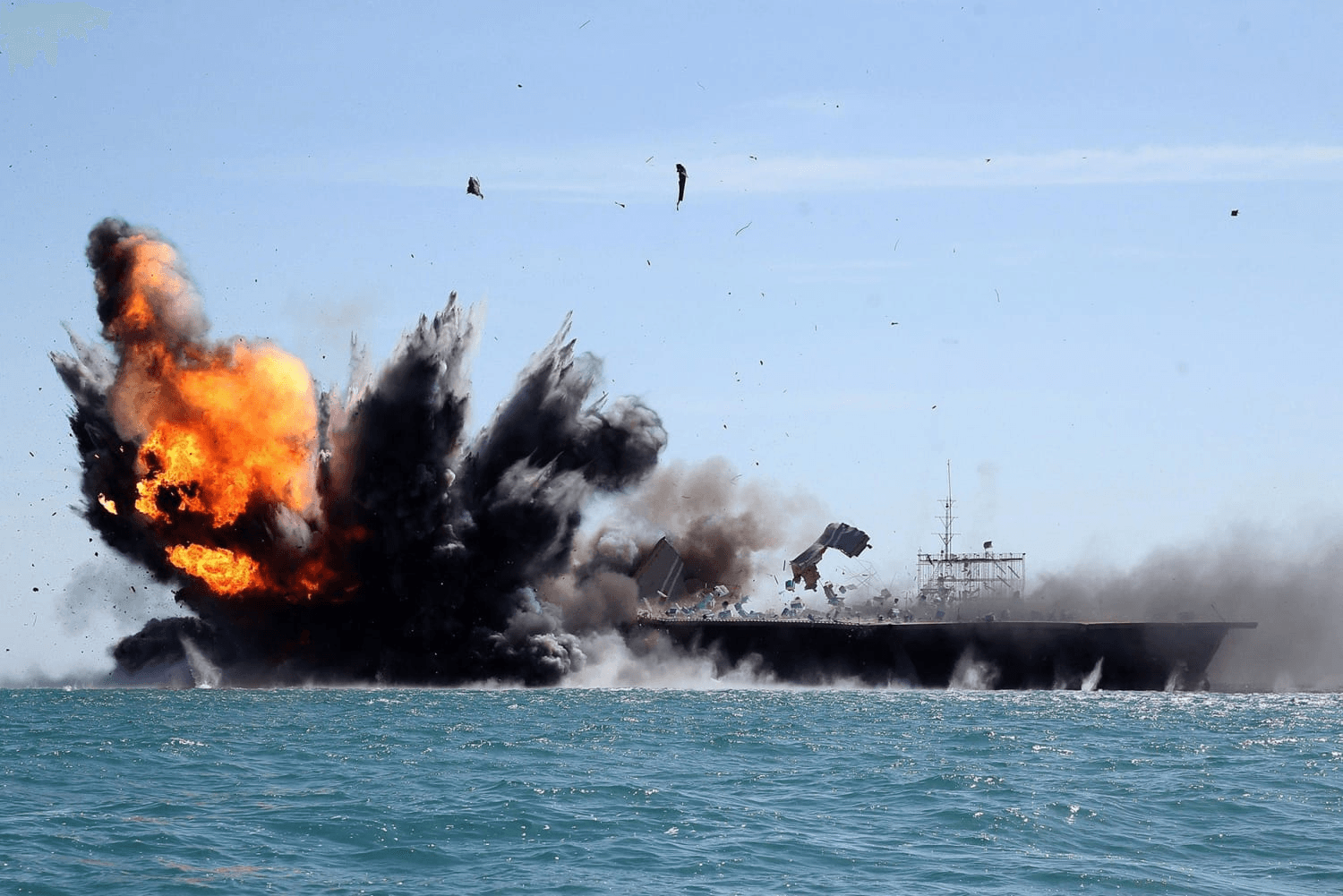
Iranian media reported that a US frigate was struck by two missiles near the Strait of Hormuz after allegedly ignoring Iranian warnings, but US officials and CENTCOM denied that any US Navy ship was hit.
The Palestine Chronicle, citing Fars News Agency, said the vessel attempted to cross the Strait and violated “traffic and navigation security” near the Iranian port city of Jask, and that the frigate halted its course after sustaining damage and was forced to retreat.

The Jerusalem Post reported that a US official confirmed to the outlet that “Iran's navy did not hit a United States Navy ship near the Strait of Hormuz,” and said CENTCOM also confirmed “no US ship had been hit.”
Shafaq News similarly said Iranian media reported the claim, while CENTCOM stated “no US Navy ships have been struck,” describing the Iranian reports as fabricated.
The Ukrainian outlet UNN framed the same dispute as Iran claiming “two missiles” hit the frigate near the Strait of Hormuz while Washington denied the fact, citing a senior U.S. official and CENTCOM.
Chosunbiz added that the U.S. military rebutted the Iranian media report, stating on X: “Fact check. No U.S. Navy warship was struck,” and said the claim involved a frigate attempting to transit the Strait of Hormuz and retreated.
Across the accounts, the reported location remained anchored to Jask and the Strait of Hormuz, with the Iranian side tying the alleged strike to ignored warnings and the US side insisting no hit occurred.
Project Freedom begins
The missile dispute unfolded on the first day of launching “Project Freedom,” a US operation described by CENTCOM as aimed at securing commercial shipping through the Strait of Hormuz.
Shafaq News said the incident occurred on the first day of launching Project Freedom, ordered by President Donald Trump, and stated that CENTCOM said the operation includes the deployment of 15,000 service members, guided-missile destroyers, more than 100 aircraft across land and sea, and multi-domain unmanned systems.
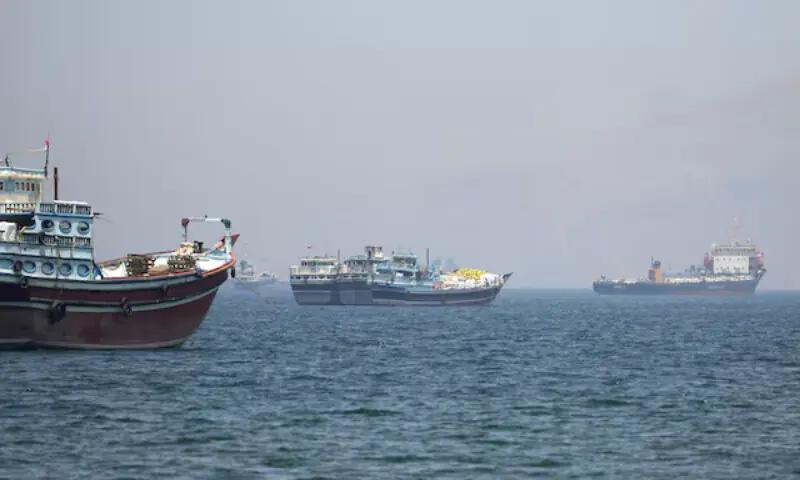
UNN likewise reported that CENTCOM previously stated that its forces would begin restoring freedom of navigation for commercial shipping through the Strait of Hormuz on Monday, and quoted Admiral Brad Cooper saying, “Our support for this defensive mission is essential to regional security and the global economy, as we also maintain a maritime blockade.”
The Jerusalem Post reported that CENTCOM additionally confirmed that “US forces are supporting Project Freedom and enforcing the naval blockade on Iranian ports,” linking the denial of a hit to continued enforcement.
The Palestine Chronicle described Trump’s “Project Freedom” as a US-led naval initiative and said Tehran rejected it, warning that Hormuz security was under Iranian control, while also citing that Khatam al-Anbiya Central Headquarters announced Iranian forces would oversee security throughout the Strait of Hormuz.
Chosunbiz described the same operational context as the U.S. military launching Project Freedom, escorting with military aircraft and warships to support the safe departure of civilian vessels staying in the Persian Gulf.
In multiple accounts, the alleged missile strike claim was presented as part of a broader escalation around escorting and guiding ships through the strait, with Iranian warnings and US operational messaging running in parallel.
Iran’s control map and threats
Iran’s response to the US plan emphasized that security and safe passage through the Strait of Hormuz were under Iranian armed forces control, and it paired that stance with threats of attack toward foreign military forces.
The Jerusalem Post reported that a statement issued Monday by the unified command of Iran's armed forces warned the US Navy against entering the Strait of Hormuz and said, “We have repeatedly stated that the security of the Strait of Hormuz is under the control of the armed forces of the Islamic Republic of Iran, and under all circumstances, any safe passage must be coordinated with the armed forces.”
It added that the statement explicitly threatened to attack any foreign military forces, particularly US forces, that attempt to enter or approach the strait.
The Palestine Chronicle said Islamic Revolutionary Guard Corps officials reiterated “no change” in Iran’s management of the Strait of Hormuz and that a Revolutionary Guard spokesperson warned that any maritime movement failing to comply with Iranian mechanisms and protocols would face “serious repercussions.”
Multiple outlets also described Iran publishing an updated map of waters under its operational control: the Palestine Chronicle said Iranian state media reported that the Revolutionary Guard Navy published an updated map, and Reuters was cited as saying the zone reportedly stretches from western Qeshm Island toward Umm Al Quwain in the west and extends eastward toward Fujairah.
The Jerusalem Post provided a similar boundary description, saying the area starts in the west with a line between the westernmost tip of Iran's Qeshm island to the United Arab Emirates' Umm al Quwain emirate and, in the east, stops at a line between Iran's Mount Mobarak and the UAE's Emirate of Fujairah.
Shafaq News said earlier on Monday Iran’s navy issued a warning to maritime traffic that any vessel transiting the Strait of Hormuz without prior Iranian authorization would be “targeted and destroyed.”
Competing narratives and framing
The reporting around the alleged missile strike diverged not only on whether a hit occurred, but also on how the incident was framed in relation to navigation rules, warnings, and the broader dispute over escorting and guidance.
The Palestine Chronicle, citing Fars News Agency, described the US frigate as attempting to cross the Strait and violating “traffic and navigation security” near Jask, and it said the vessel was forced to retreat after sustaining damage, while also stating that no further details were released about damage or casualties.
The Jerusalem Post and CENTCOM presented the opposite framing, with a US official telling the outlet that “Iran's navy did not hit a United States Navy ship near the Strait of Hormuz,” and with CENTCOM stating “no US ship had been hit.”
UNN similarly described Iran’s claim as “allegedly attacked an American frigate with two missiles” after an Iranian warning was ignored, while also quoting CENTCOM’s denial that “No U.S. Navy ship has been hit.”
Shafaq News and Chosunbiz both emphasized the US denial in their own narrative structures, with Shafaq News stating “CENTCOM said “no US Navy ships have been struck,” describing the Iranian reports as fabricated,” and Chosunbiz quoting CENTCOM’s X post: “Fact check. No U.S. Navy warship was struck.”
The Jerusalem Post added a separate thread about the UAE Foreign Ministry saying an ADNOC national tanker was struck by two drones while transiting the Strait of Hormuz, and it quoted the UAE’s position that the attack was a “flagrant violation of UN Security Council Resolution 2817.”
In the same Jerusalem Post account, Iran’s warnings were tied to the US proposal to escort and guide commercial vessels, with the outlet reporting that Iranian officials warned earlier on Monday that the proposal would constitute a violation of the ceasefire.
What comes next
The dispute over the alleged missile strike sits inside a broader contest over who controls movement through the Strait of Hormuz and what happens if coordination is not followed.
“EnglishInternational US rebuts Iran claim of missile strike on warship near Strait of Hormuz Pentagon dismisses Tehran's strike claim as false, says no vessel was hit By Kim Suah Published 2026”
The Jerusalem Post reported that CENTCOM said “US forces are supporting Project Freedom and enforcing the naval blockade on Iranian ports,” while also describing Iran’s unified command warning that any safe passage must be coordinated with Iranian armed forces.

Shafaq News said Iran’s navy warned that any vessel transiting without prior Iranian authorization would be “targeted and destroyed,” and it described the incident as occurring on the first day of Project Freedom.
The Palestine Chronicle said Khatam al-Anbiya Central Headquarters warned that “there will be no crossing through Hormuz without coordination,” and it stated that Iranian military officials said commercial ships and oil tankers must coordinate directly with Iranian forces before transiting.
The Jerusalem Post also reported that the Iranian statement threatened to attack any foreign military forces, particularly US forces, that attempt to enter or approach the strait, and it described Iran as preparing other scenarios it will activate “if necessary,” citing Iran's Tasnim News Agency.
UNN reported that CENTCOM commander Admiral Brad Cooper said the mission was defensive and essential to regional security and the global economy, while also maintaining a maritime blockade, and it added that Axios journalist Barak Ravid reported that the new initiative “will not necessarily involve U.S. Navy ships escorting commercial vessels,” with US ships “nearby” to prevent an Iranian military attack on commercial vessels.
Taken together, the sources depict a near-term standoff in which Iranian coordination demands and threats of targeting or attack are paired with US enforcement of Project Freedom and a naval blockade, with the next steps hinging on whether ships and tankers coordinate with Iranian forces or proceed under US-led guidance and enforcement.
More on Iran
Iran Destroys 74 Missiles And 117 Drones In Bahrain, Bahrain Defence Forces Say
10 sources compared

Iran Warns U.S. Forces Will Be Subjected To Attack In Strait Of Hormuz
37 sources compared
Iran Blocks Strait of Hormuz, Disrupting Shipping as U.S. Launches Project Freedom
13 sources compared
Donald Trump Says U.S. Will Help Guide Stranded Ships Through Strait of Hormuz Monday
18 sources compared