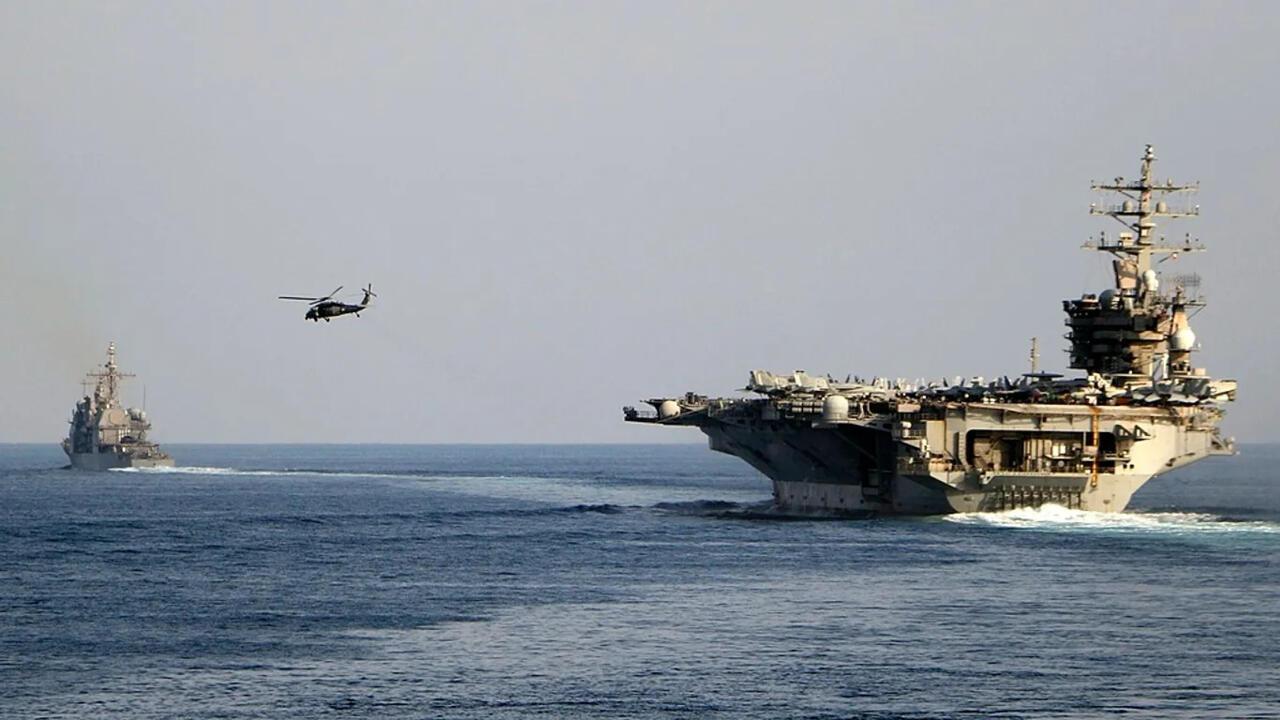
Iran Closes Strait of Hormuz, Targets Ships as U.S. Forces Block Iranian Ports
Key Takeaways
- Iran closes the Strait of Hormuz, causing shipping disruption and traffic backlog.
- Oil prices rise sharply amid U.S.-Iran tensions and Hormuz disruptions.
- U.S. seizure of an Iranian cargo ship raises tensions and imperils ceasefire negotiations.
Hormuz blockade and escalation
Iran’s closure of the Strait of Hormuz and the U.S. blockade of Iranian ports have intensified a standoff that multiple outlets describe as worsening day by day, with both sides pressing for leverage while negotiations stall.
El Mundo says “a third U.S. aircraft carrier completes a deployment off Iran not seen since the 2003 Iraq War,” while it frames “Iran keeps the lock on the Strait of Hormuz, which has lasted two months now,” and adds that “atop that closure sits Trump.”

The same El Mundo account describes a siege policy with preconditions that include “surrendering its enriched uranium, stopping support for allied militias in the region, such as Hizbulá, and halting its ballistic missile program,” and it says Tehran has continued “to mine the Strait this weekend with its fast boats.”
It also reports that U.S. forces “yesterday forced back six oil tankers carrying about 10.5 million barrels of Iranian oil,” while “another four million barrels managed to pass” by navigating close to the Iranian coast.
Radio Free Europe/Radio Liberty reports that oil prices rose “for the seventh consecutive day” on April 28, with Brent crude for June delivery “rising almost 3 percent to exceed $111 per barrel,” as uncertainty persisted over whether Iran and the United States would reach an agreement.
In parallel, CNN Arabic reports that the IRGC said any Arab or European country that expels its Israeli and American ambassadors would be granted “the right of free passage through the Strait of Hormuz starting Tuesday,” and it quotes IRGC spokesman Brig. Gen. Ali Mohammad Naieni saying Iran’s forces “are waiting for the U.S. Navy in the Strait of Hormuz.”
Negotiations, conditions, and timing
Diplomatic efforts to end the Iran war have repeatedly stalled, with each side tying movement on the Strait of Hormuz to different demands and timelines.
PBS describes “ceasefire negotiations between the U.S. and Iran” as “stalled again over the weekend as both sides dug in on their demands,” while it says Iran “won't reopen the Strait of Hormuz unless the United States lifts its blockade and ends the war.”

PBS adds that Trump “wants a broader deal that would end Iran's nuclear program and address other issues like its missile program and support for regional proxies,” and it frames the latest Iranian proposal as postponing nuclear talks while offering only a Strait-related exchange.
Specifically, PBS says the proposal would “only see Tehran end its chokehold on the Strait of Hormuz in exchange for Washington lifting its blockade on Iranian ports and a long-term or permanent truce,” according to “two regional officials with knowledge of the proposal.”
It also reports that “That offer will likely be rejected by Trump,” because it “doesn't address the core issue he cited when he began bombing on Feb. 28: finding a way to ensure that Iran cannot build an atomic weapon.”
El Mundo similarly describes Tehran sending “a new proposal to the United States: reopen Hormuz, but only if Washington signs the end of the war and with guarantees that it will not be resumed,” and it says “Any matter regarding ballistic missiles and the nuclear program would be negotiated afterward.”
Voices: officials, analysts, and Iran’s messaging
The standoff has been accompanied by direct statements from officials and by commentary from analysts and former U.S. military officials, with each voice emphasizing different stakes.
El Mundo quotes a strategic framing in which the U.S. president has imposed “a siege policy to soften Iran and to force it to negotiate under his preconditions,” and it describes Tehran’s posture as refusing to reopen Hormuz until Washington accepts “the harsh terms that Tehran wants to impose.”
Radio Free Europe/Radio Liberty includes a direct quote from former CENTCOM communications director Joe Buccino, who said, “Iran understands this creates economic pressure far beyond the region; oil markets, global trade, and energy security are all affected.”
The same RFE/RL report quotes Iran’s Foreign Ministry spokesman Esmail Baqaei describing the U.S. seizure of a tanker as “legitimizing piracy and armed robbery at sea,” and it includes his post: “Welcome to the return of the pirates,” followed by “The difference is that this time, they are sailing under an official flag and following government orders, and they call their actions 'implementing and enforcing the law.'”
CNN Arabic provides IRGC messaging through Brig. Gen. Ali Mohammad Naieni, who said the Iranian armed forces “are waiting for the U.S. Navy in the Strait of Hormuz,” and it also includes his warning that “There have been claims of commercial and military ships in the area and easy passage through the Strait of Hormuz, while American ships, including all fighter jets, have left the area and are stationed more than a thousand kilometers away.”
In the same CNN Arabic account, Trump is quoted warning that the waterway “will remain safe,” and he adds that “the price would be high” for Iran if it tries to strike any ships.
Different frames across outlets
While the core facts of blockade, closure, and negotiations appear across the coverage, the outlets frame the same developments through different emphases—market impacts, military posture, or diplomatic sequencing.
Radio Free Europe/Radio Liberty foregrounds market and policy consequences, reporting that oil prices rose “for the seventh consecutive day” and that “the failure of Iran-US talks after the cease-fire” and “increasing concerns about the long-term economic impact of the closure of the Strait of Hormuz” have led to speculation about “changes in central bank policy.”

It also describes the U.S. Navy’s blockade as “now in its third week” and says it “has stopped almost all of the country's maritime trade, including key oil exports,” while former CENTCOM official Joe Buccino frames the standoff as a “staring contest.”
PBS, by contrast, centers the negotiation mechanics and the conditionality of proposals, describing Iran’s offer as ending “its chokehold on the Strait of Hormuz” in exchange for “lifting its blockade on Iranian ports and a long-term or permanent truce,” while noting that Trump wants a broader deal addressing “nuclear program” and “missile program.”
El Mundo frames the same standoff as a “cockfight” between “the ayatollahs and the U.S. Navy,” and it focuses on strategic options for Trump, including whether he could “accept the opening of the Strait of Hormuz and present it as a victory” or “act militarily” to compel Iran to open it.
CNN Arabic emphasizes Iran’s conditional passage policy, reporting that the IRGC announced that expelling Israeli and American ambassadors would grant “the right of free passage through the Strait of Hormuz,” and it quotes IRGC spokesman Naieni saying Iran’s armed forces are waiting for the U.S. Navy.
Stakes: energy, shipping, and next steps
The consequences described by the sources extend from global energy markets to the immediate risk of further maritime and military escalation, with multiple outlets detailing how shipping and regional security are being affected.
PBS says “The continued closure of the strait has sent gas prices soaring and could cause further damage to the world economy ahead of U.S. midterm elections,” and it adds that “The blockade is strangling Iran's economy.”

It also quantifies the corridor’s importance, stating that “about 20% of all traded oil and natural gas passes” through the strait, and it says “oil and gasoline prices are skyrocketing” while “jet fuel, cooking gas and other energy products are starting to become scarce in parts of the world.”
El Mundo reports that “the timing stretches while the price of crude oil rises a little more each day,” and it describes U.S. and Iranian forces patrolling—“U.S. planes and drones patrol the skies while Iranian speedboats do the same at sea.”
Mont Carlo International describes a potential widening of the maritime blockade, saying American reports indicated the possibility of “widening the maritime blockade on Iran to include intercepting its ships or ships linked to its interests in international waters,” and it states that the Iranian Supreme National Security Council said the strait will remain closed as long as the American blockade has not been lifted.
CNN Arabic adds a direct threat framework, quoting Naieni saying Iran “will not allow a single drop of oil to be exported from the region” if strikes continue, while it also reports Trump’s warning that the waterway “will remain safe.”
More on Iran
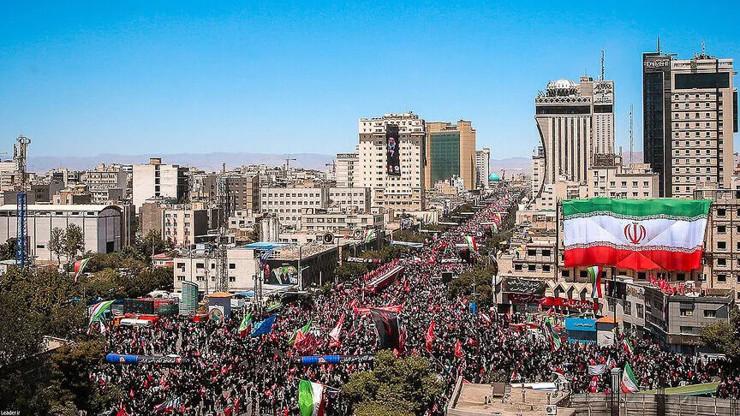
Israeli Strike Kills Ayatollah Ali Khamenei, Buried at Imam Reza Shrine in Mashhad
19 sources compared
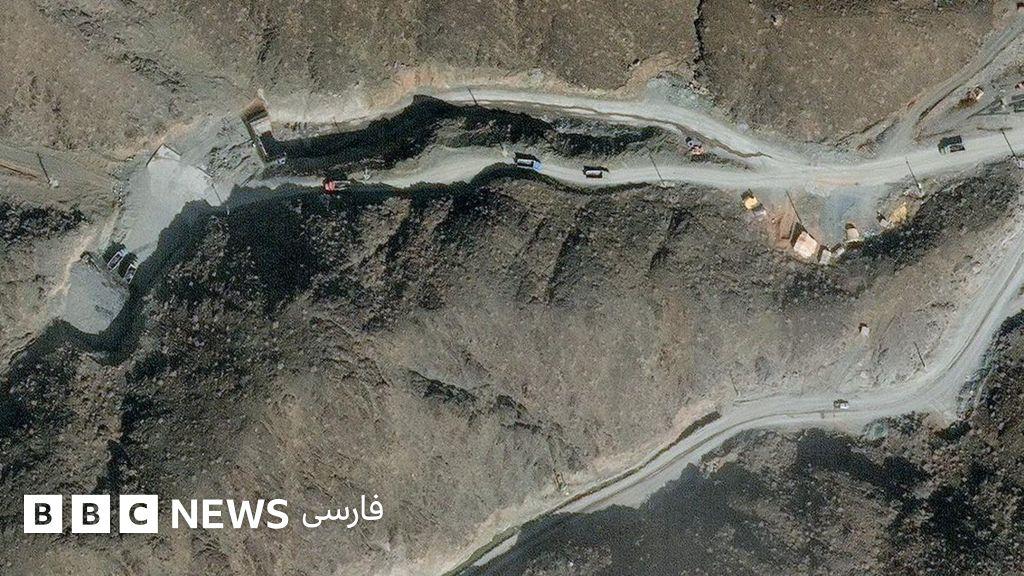
Iran Attempts To Restore Nuclear Sites Damaged In US And Israel Strikes, CNN Satellite Images Show
15 sources compared
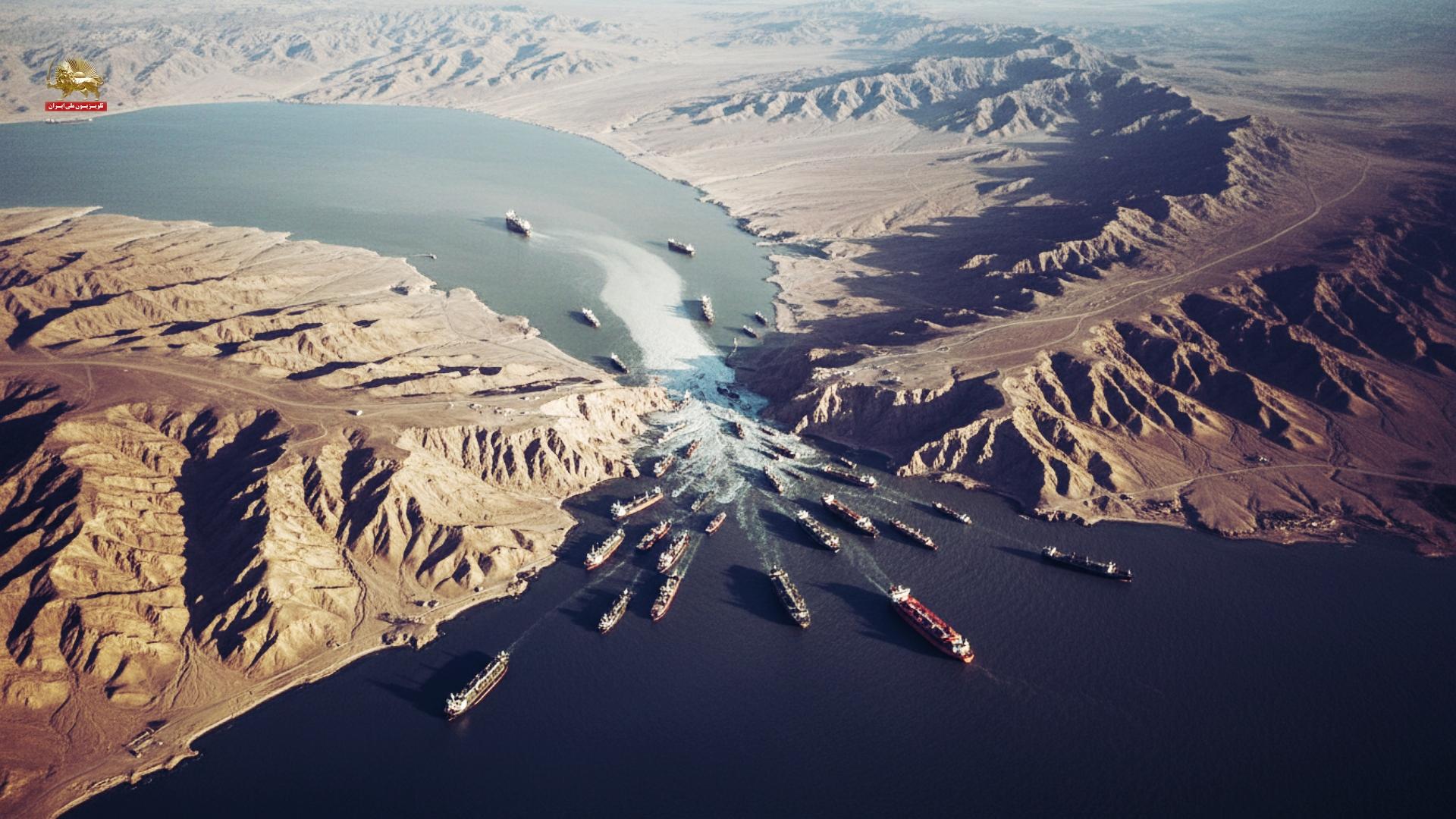
Abbas Araghchi and Prince Faisal Bin Farhan Discuss Regional Developments After US Attacks
11 sources compared

Trump Says U.S. Agreed to Continue Iran Talks, Ceasefire Is Over
19 sources compared