
Trump Halts Planned Attack on Iran After Qatar, Saudi, UAE Request Delay
Key Takeaways
- Iranian officials arrived in Doha to discuss a US-Iran deal, sanctions relief and asset unfreezing.
- The talks aim to end the war and de-escalate tensions between Tehran and Washington.
- High-level Iranian officials in Doha indicate intensified diplomacy and Qatar's mediating role.
Trump halts strike, Iran counters
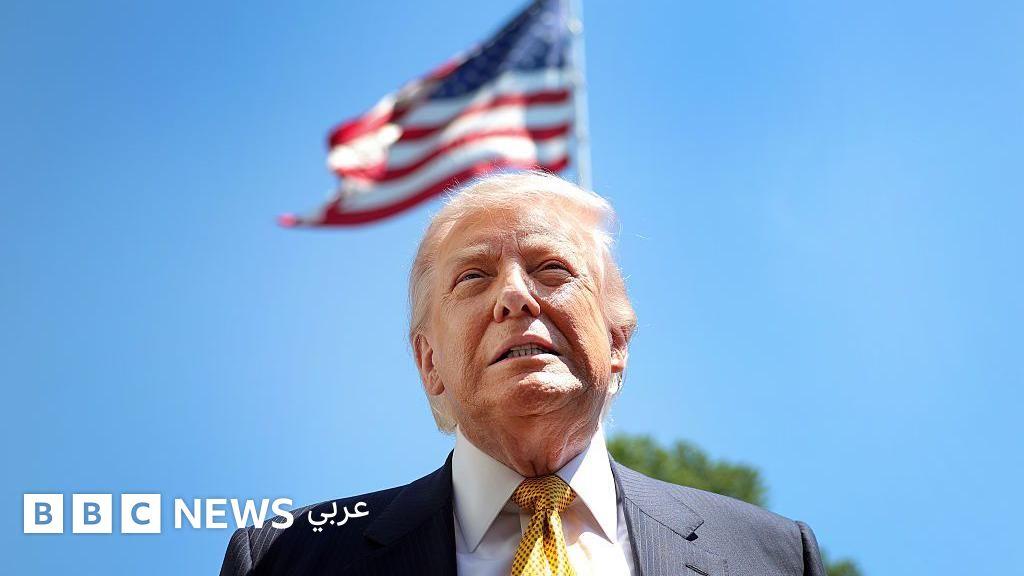
President Donald Trump said he halted an attack that had been planned for tomorrow against Iran, adding that he had issued orders to the military to prepare to launch a broad and wide-scale attack on Iran at any moment if an acceptable agreement is not reached.
“An Iranian delegation has travelled to Qatar as Tehran and the United States strive to agree on a deal to end a war that threatens to rend the Middle East and is roiling the global economy”
Trump wrote that the Emir of Qatar, Tamim bin Hamad Al Thani, the Crown Prince of the Kingdom of Saudi Arabia, Mohammed bin Salman Al Saud, and the president of the United Arab Emirates, Mohammed bin Zayed Al Nahyan, asked him to delay the planned military strike on the Islamic Republic of Iran due to “serious negotiations currently taking place.”

In parallel, the Islamic Revolutionary Guard Corps threatened that fiber-optic Internet cables passing through the Strait of Hormuz could be subjected to a “permit system,” stating: "After seizing control of the Strait of Hormuz, Iran, based on its absolute sovereignty over the seabed and its territorial waters within its waters, can declare that all fiber-optic cables passing through this waterway are subject to a permit system."
A senior Iranian official told Reuters that the United States had shown “flexibility” in allowing Iran to continue limited peaceful nuclear activities under the supervision of the International Atomic Energy Agency, while also saying Washington had agreed to release only a quarter of the frozen Iranian assets on a phased schedule.
Iran’s response to a new American proposal aimed at ending the war said contact with the United States continues despite Iranian media reports describing Washington’s demands as excessive, and Tasnim News Agency said Iran delivered its latest 14-point text through a Pakistani intermediary.
Doha talks hinge on assets
As negotiations continue, an Iranian delegation led by parliament speaker Mohammad Bagher Ghalibaf traveled to Qatar, with the AP reporting that Trump said Monday that negotiations are "proceeding nicely" while reiterating his warning that fighting would resume if no deal is reached.
Iran’s Foreign Ministry spokesman Esmaeil Baghaei said at a Monday press conference: "As we said yesterday, our concerns have been conveyed to the American side," and he emphasized that Iran is focusing on ending the war while talks are being held with Pakistani mediation.
Al Jazeera reported that the Iranian Foreign Ministry spokesperson said the memorandum includes 14 clauses to end the war, with details under discussion over a period of 30 to 60 days, and that the memorandum’s terms include ending the war, lifting the siege, opening the Strait of Hormuz, and withdrawing United States forces from the war theater.
Euronews said the delegation in Doha seeks a deal on frozen assets and the Hormuz blockade, citing anonymous sources familiar with the talks and reporting that Iran’s central bank chief Abdolnaser Hemmati is part of the delegation to discuss frozen assets.
Al Jazeera also framed the dispute as a sticking point, with Iran insisting that guaranteed access to funds must come before any preliminary agreement can move forward, while Iran International reported that Tehran demanded guaranteed access to $12 billion in frozen assets during the first phase of any arrangement.
What’s at stake next
The emerging deal’s immediate focus is on ending the war and reopening the Strait of Hormuz, with the AP saying the strait would gradually reopen in parallel with the U.S. ending the blockade of Iran's ports it imposed on April 17.
“A high-level Iranian delegation led by parliament speaker Mohammad Bagher Ghalibaf, FM Abbas Araghchi and central bank chief Abdolnaser Hemmati arrived in Doha on Monday to discuss US accords and the unfreezing of blocked assets, according to anonymous sources familiar with the talks”
The AP reported that global shipping, including an estimated 20% of the world's oil, could begin flowing through the Strait of Hormuz again, and it said sanctions relief and the release of billions of dollars in frozen Iranian funds would be negotiated during a 60-day period.
Al Jazeera reported that Iran and the US have observed a ceasefire since April 8, while Iran has continued to block the Strait of Hormuz to most shipping and the US is imposing a blockade on Iran’s ports.
In Washington’s messaging, Trump wrote on Truth Social that the US blockade would “remain in full force and effect until an agreement is reached, certified, and signed,” and he added that “Both sides must take their time and get it right.”
The New York Times reported that Esmaeil Baghaei said on Monday, according to Iran’s state broadcaster, “no one can claim that the signing of an agreement is imminent,” leaving the fate of the nuclear program, missile stockpile, and the Strait of Hormuz still unclear.
More on Iran
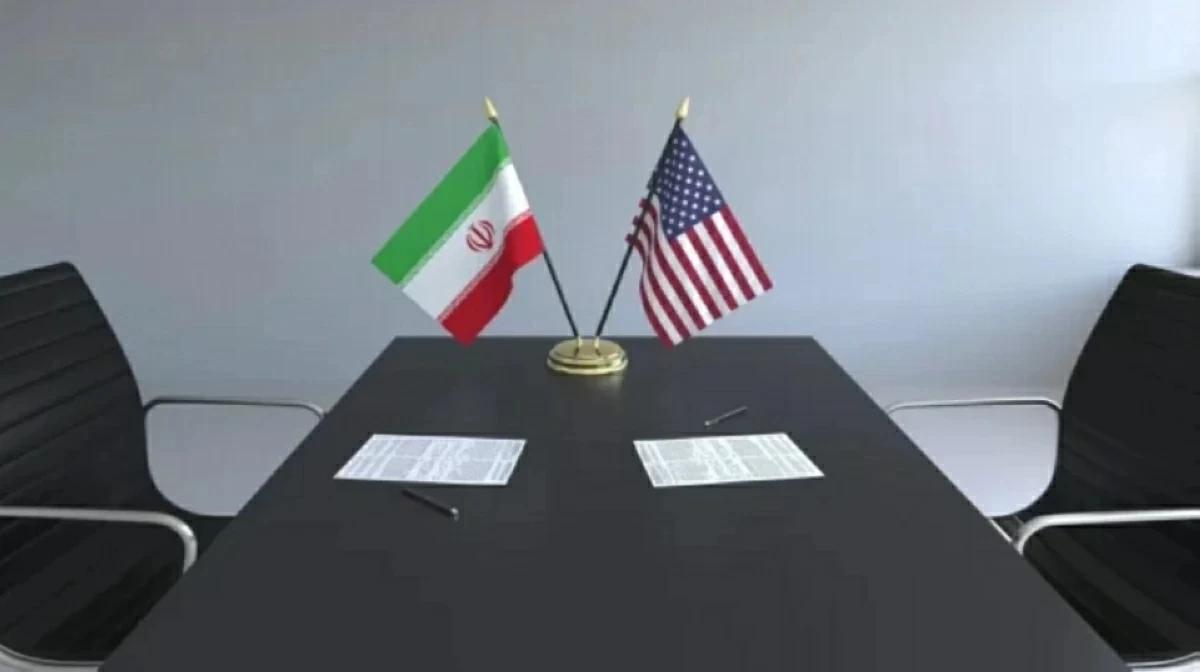
U.S. Conducts Self-Defense Strikes in Southern Iran as Iran-US Talks Continue in Qatar
12 sources compared
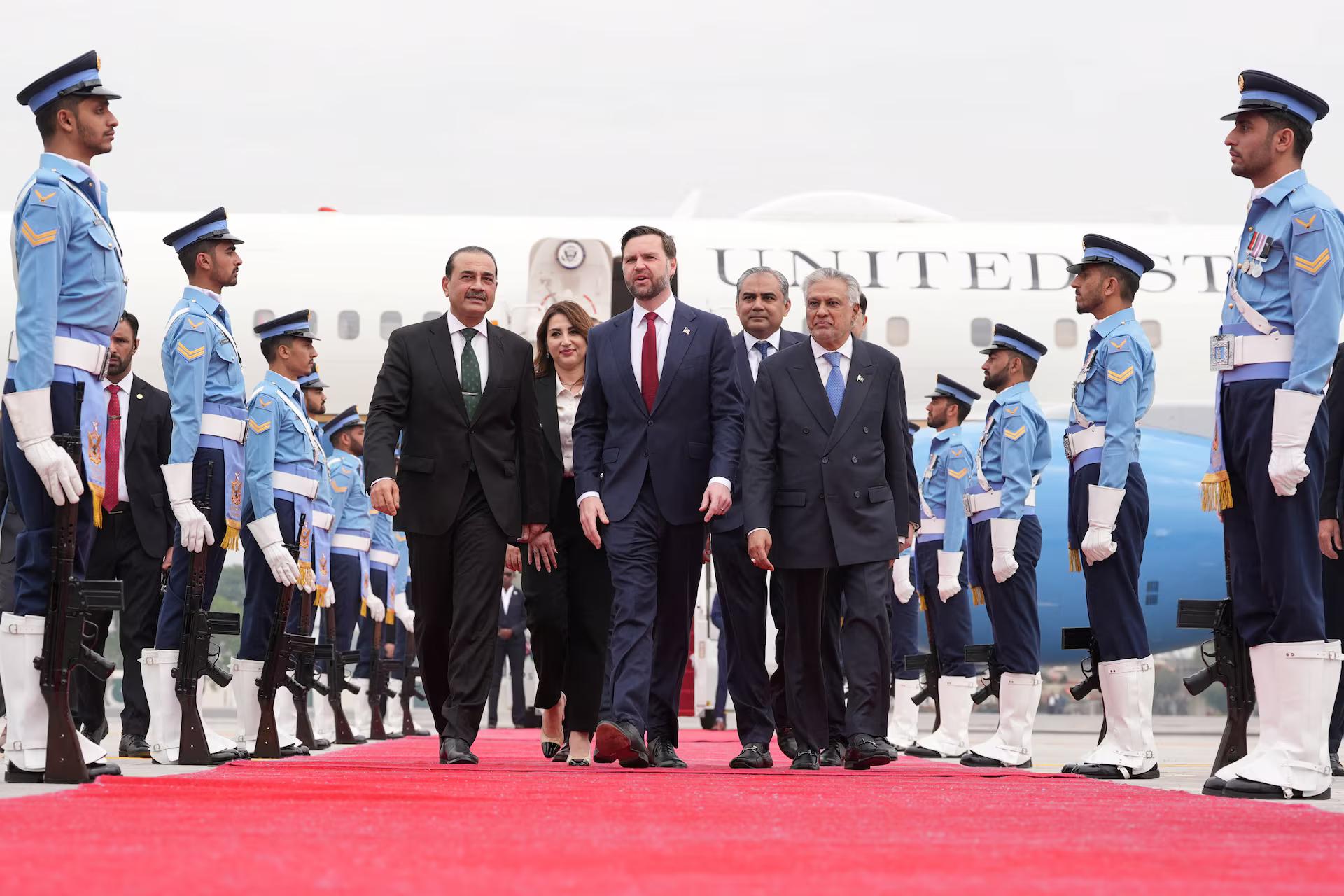
Iranian Officials Continue Talks in Qatar as Trump Demands Abraham Accords and Rejects Uranium Deal
13 sources compared
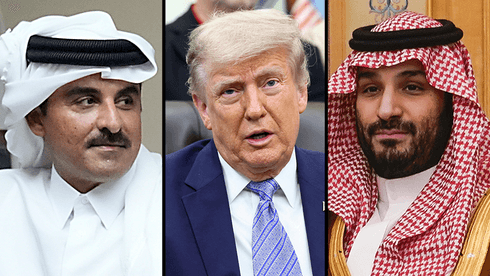
Donald Trump Demands Saudi Arabia And Pakistan Join Abraham Accords In Iran Deal
20 sources compared
Iran’s Top Negotiators Arrive in Qatar as Trump Signals Mixed Iran Deal Prospects
13 sources compared