Full story
Hormuz Reopening Stalls
Oil prices climbed as Iran’s demands for reopening the Strait of Hormuz clouded hopes for stability in global energy markets, with Brent crude rising more than 1 percent on Monday and Brent futures for October at $84.11 a barrel at 7:30 GMT.
“Brent crude, the international benchmark, rose more than 1 percent on Monday”
Iran’s Foreign Minister Abbas Araghchi said on Sunday that the waterway would not reopen until Washington met conditions including easing sanctions on Tehran and paying war reparations, while Al Jazeera reported that Tehran insisted the strait will not reopen without major concessions from the United States.

The Associated Press said Iran’s Supreme National Security Council issued new demands and that the Strait of Hormuz will not open until the United States “corrects its behavior,” while Reuters reported Iran was nearing a final pact with Oman defining new shipping lanes but reiterated the U.S. must meet other conditions before the waterway is reopened.
Reuters also tied the reopening conditions to compensation and an end to sanctions and military threats, and said a U.S. official told Reuters on Friday that Iran and Oman were close to a deal that could pave the way for restoring safe passage through the strait.
The Reuters account further said the U.S. and Israel launched air strikes on Iran more than five months ago and that Washington and Tehran agreed to a ceasefire in June, but the U.S. reimposed a blockade on Iranian shipping in the Gulf in July, which Tehran said violated the truce.
Trump, Vance, and Demands
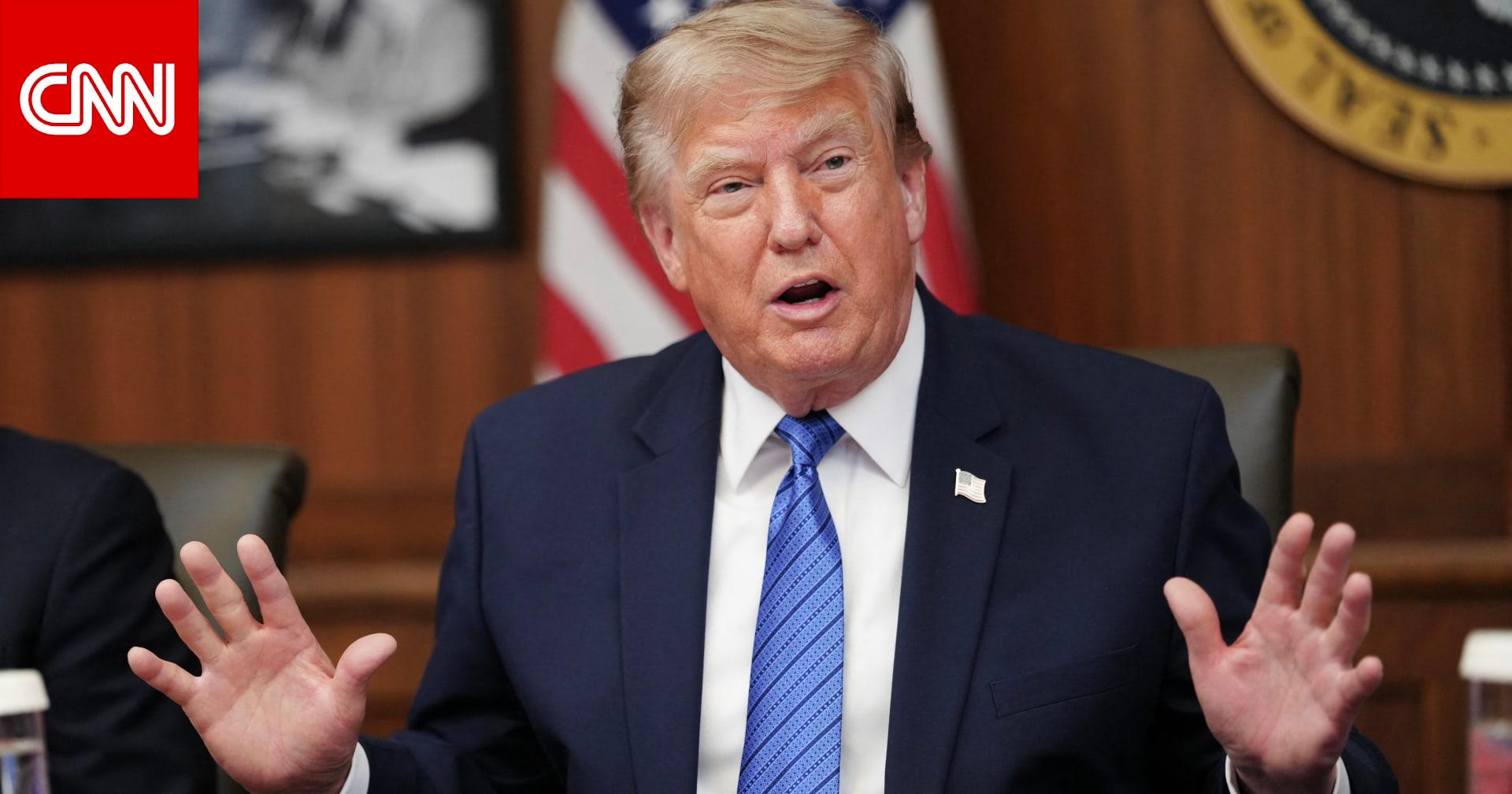
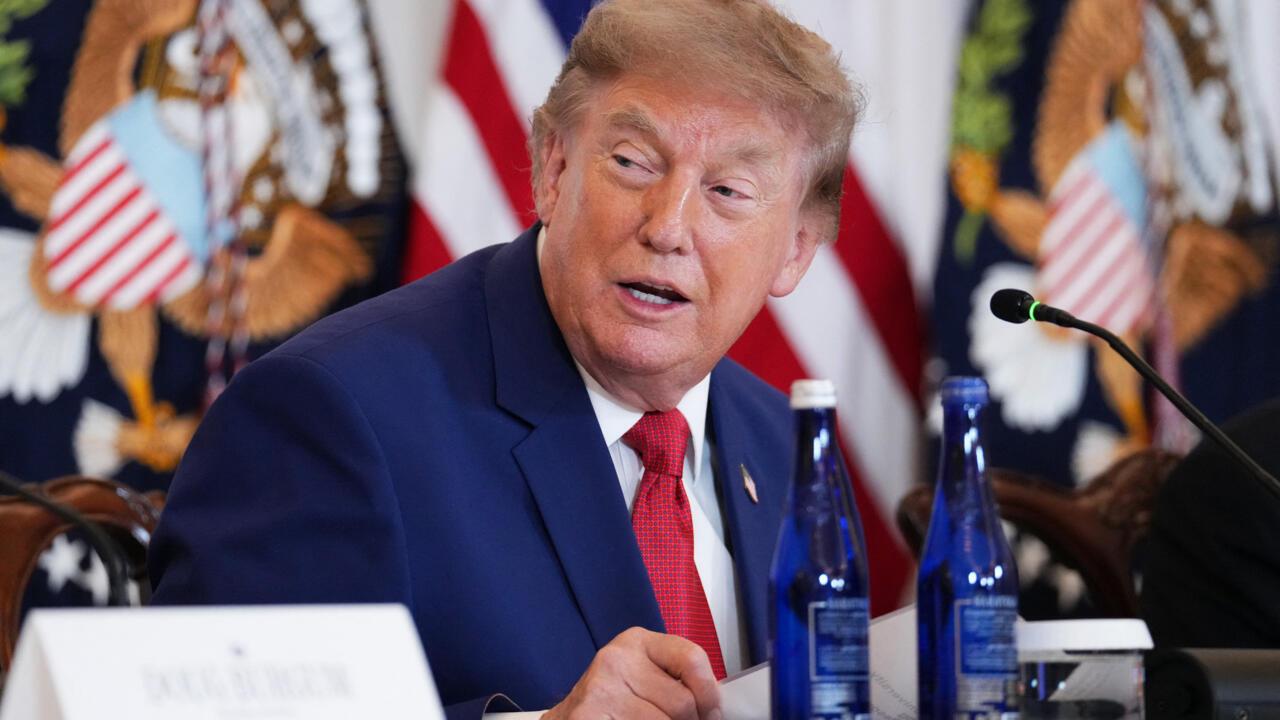
In Washington, Donald Trump told Axios that the U.S. was “low-keying” it with Iran, saying, “We are only semi-negotiating with them,” while The Independent reported that Tehran set out demands it said the U.S. must meet before it will sign off on a deal with Oman to partially open the Strait.
The Independent said Iran’s supreme national security council head Mohammad Bagher Zolghadr said the strait will remain shut until the U.S. meets six conditions, including a permanent end to the war and aggression against Iran and its allies in Lebanon, Palestine, Yemen, and Iraq.

Reuters reported that Iranian Foreign Minister Abbas Araqchi said an agreement with Oman was in its “final stages” but reiterated that Tehran would not reopen the channel unless the U.S. met demands made by Tehran, including compensation and an end to sanctions and military threats.
CNN quoted Abbas Araghchi saying, “As long as the United States has not addressed its violations of the memorandum of understanding and remedied those breaches, we see no possibility of restarting negotiations,” while Fox News said Vice President JD Vance told Fox News that the U.S. was “middle of the game.”
AP said the U.S. had no immediate comment on Iran’s demands and that Oman said discussions were ongoing “in a positive and constructive atmosphere,” while also condemning attacks on ships on the strait.
Shipping, Attacks, and Next Steps
The dispute has kept traffic through the Strait of Hormuz heavily restricted, with Al Jazeera saying shipping in the strait has effectively collapsed since the conflict began in late February and that between eight and 15 vessels crossed the strait on August 4, August 5 and August 6, according to MarineTraffic.
“Between eight and 15 vessels crossed the strait on August 4, August 5 and August 6”
Al Jazeera also reported that Iran threatened to attack commercial vessels that attempt passage on unapproved routes and that the International Maritime Organization said at least 64 violent incidents and 17 deaths involving commercial vessels had occurred in the region since the war began, most blamed on Iran.
The UAE said an Iranian missile attack targeted a vessel owned by Abu Dhabi’s state-owned ADNOC while transiting the strait, and ADNOC said there were no casualties following the early Saturday attack, while UKMTO later said a vessel east of the town of Khasab, Oman, had been struck by a projectile that caused a fire that was put out.
Reuters said the U.S. comments indicated delicate sequencing toward a deal that sources told Reuters appeared to be set to give Tehran control over vessel traffic entering the Gulf through the strait, which shippers said was not easily workable.
Looking ahead, AP reported that the interim deal signed in June would restart a 60-day clock for the two countries to negotiate over Iran’s nuclear program, while also saying the current 60-day deadline to negotiate a final deal is due to end in just over a week.