Full story
Hormuz Demands and U.S. Response
Iran said the Strait of Hormuz would not reopen until the U.S. "corrects" its behavior, with an IRGC commander announcing six conditions that included ending aggression, lifting a naval blockade, withdrawing military forces, paying for war damages, lifting sanctions, and releasing frozen assets.
“the Strait of Hormuz will not reopen until the United States "corrects its behavior"”
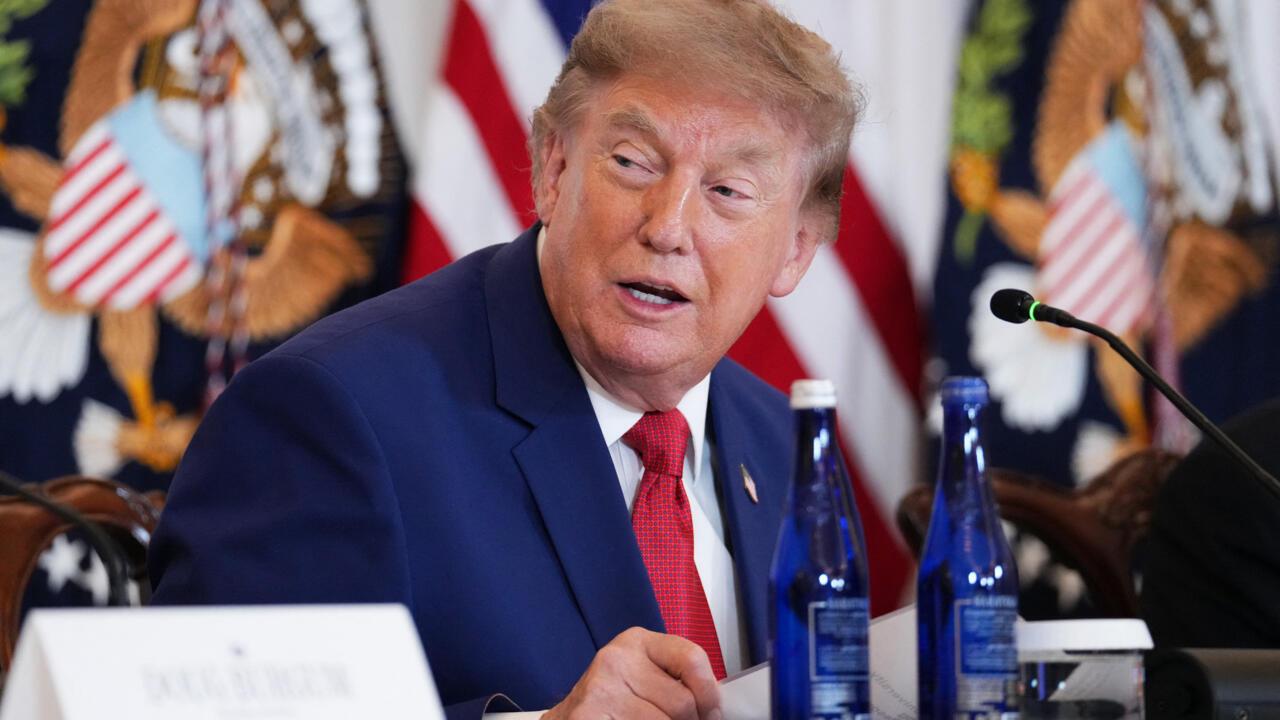
In the U.S., President Donald Trump told Axios that the United States is "We are only semi-negotiating with them" while watching Iran’s economic situation, including "huge inflation" and the fact that "they have no money."

The CBS News account also said Iran’s Supreme National Security Council issued a list of highly unlikely demands from the U.S. in order to fully reopen the strait, including that the U.S. must never threaten Iran again and unfreeze assets.
CNN reported that the Pentagon asked U.S. defense contractors to ramp up weapons production as stockpiles run low during the Iran war, framing the move as part of maintaining leverage over Tehran.
The dispute over reopening the strait was also tied to diplomacy, with CNN saying Iran’s national security chief issued a list of demands Saturday that dampened hopes for an immediate boost to oil shipping.
Trump, Congress, and Negotiation Tone
In a phone interview with Axios, Trump said, "We are low-keying" negotiations with Iran for now, and he told the outlet that the U.S. blockade on the Strait of Hormuz has exacerbated Iran’s economy.
CBS News quoted GOP Sen. Bill Cassidy of Louisiana saying Trump needs to "come out and speak forcefully on what the path forward is" in Iran, after diplomatic efforts collapsed and hostilities resumed.

Cassidy reiterated a long-term approach that he said involved putting pressure on Iran, including blockades, to cause them "enough discomfort that they will actually come back to the bargaining table."
The Guardian’s live coverage also described Trump’s stance as "low keying it" with Iran as the Strait of Hormuz remains closed, and it said a leaked memo indicated U.S. military leadership is concerned by falling stockpiles.
NPR framed Trump’s search for an endgame in Iran as tied to avoiding comparisons to Herbert Hoover, quoting Trump at the June G7 summit in France saying, "The one president I did not want to be was the late, great Herbert Hoover."
Stakes: Stockpiles, Energy, and Leverage
The stakes in the U.S. were sharpened by concerns about weapons supply, with CNN reporting that the Defense Department urged U.S. military contractors to ramp up weapons production amid worries that stockpiles are running low during the Iran war.
“"Iranian officials are concerned that if the strait opens, Trump would walk away from this conflict"”
At the same time, the reopening of the Strait of Hormuz remained the central leverage point, with The New York Times saying the strait is Iran’s best leverage to get Washington to release frozen assets, lift economic sanctions, and end its naval blockade.
The New York Times also quoted Esfandyar Batmanghelidj saying, "Iranian officials are concerned that if the strait opens, Trump would walk away from this conflict," and it quoted Ali Vaez comparing the strait to a "sword of Damocles over Trump."
AP News described the strategic logic on both sides, saying Iran’s leaders believe military pressure will ultimately force the United States to accept their control over the crucial waterway for global energy.
In the background of those negotiations, CNN said the oil futures market opens at 6 p.m. ET, offering the first glimpse at prices after another weekend of uncertainty regarding the Strait of Hormuz.