
USA · 08 August, 2026 · 3 min read
Pentagon Pressures Defense Firms as Iran War Depletes U.S. Patriot Interceptors
Pentagon orders defense contractors to submit 21-day plans to boost output. Patriot and THAAD stockpiles depleted as Iran war drains U.S. munitions.
12 outlets told this the same way.
8 of 13 outlets skipped it: pentagon asked industry to accelerate critical weapons production.
12outlets compared
Iran war drains US stocks
The prolonged war with Iran has depleted U.S. weapons stockpiles and is raising fears that Washington’s global military posture could be weakened, with U.S. officials telling The New York Times that the conflict is nearing the six-month mark. The New York Times reported that the Pentagon has been forced to move missiles, warships, aircraft and air-defense units from Europe and Asia to the Middle East, and that the United States has fired more than 1,500 Patriot interceptors since the beginning of the war, leaving fewer than 1,700 in inventory.
The New York Times also said that defending against Iran’s retaliatory barrages has worn down U.S. stocks of air-defense missiles and led the United States to delay weapons deliveries to “customers in Europe and Asia.” In Belgrade, President Volodymyr Zelensky said the number of air-defense missiles supplied to Ukraine by Western countries has fallen this year to roughly one-third of the amount delivered in 2025, and he said, “We would also like to receive air defense from Israel.”
Officials trade blame and urgency
White House press secretary Karoline Leavitt said the United States has “more than enough firepower to carry out any operation the president orders at any time and place,” while the same reporting described senior officials as privately alarmed by the erosion of firepower. The New York Times reported that Joint Chiefs of Staff chairman General David Petraeus informed Trump in meetings prior to the war of the risks associated with continued depletion of dwindling weapon stocks, but that Trump chose to proceed believing the war would end quickly.
In a separate account, the Pentagon spokesperson Sean Barnett denied a shortage of weapons, affirming that the United States has “everything needed to carry out the strikes decided by the president,” and White House spokeswoman Karine Leivet said defense industries are producing munitions at unprecedented rates. The Washington Post memo described by La Razón said Deputy Defense Secretary Steve Feinberg wrote to industry leaders that they had up to 21 days to submit plans to “significantly accelerate delivery timelines and/or increase production of critical capabilities,” and Feinberg warned, “Development cycles that take years are not acceptable.”

Production push and strategic risk
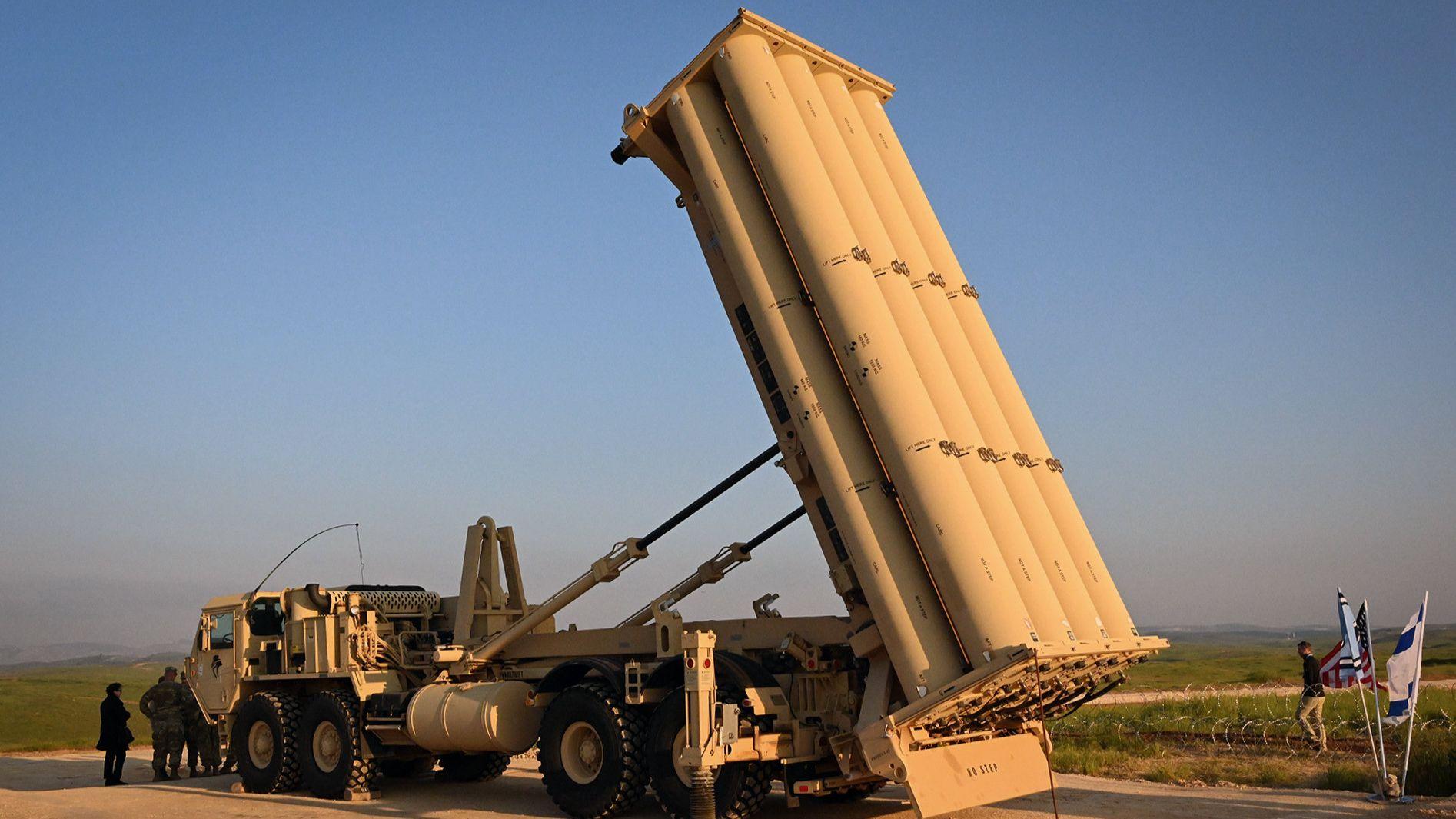
The Pentagon’s push to accelerate arms production is tied to the war’s consumption of interceptors and long-range munitions, with The Washington Post reporting that the memo comes as weapon shortages have been a point of tension between President Donald Trump and the Defense Department. La Tercera reported that CSIS estimated the number of Patriot interceptors fell from about 2,200 before the conflict to fewer than 827, while THAAD missiles dropped from 452 to fewer than 278, and it said the United States launched more than 1,000 Tomahawk cruise missiles.
The same reporting said restocking pre-war inventories could extend into late 2030 if current production rates are maintained, and it quoted CSIS saying, “the depletion of reserves has created a window of vulnerability to a potential conflict in the Western Pacific.” The Associated Press account cited by شبكة قدس الإخبارية said Army Secretary Dan Driscoll announced the initiative at a field in Michigan and told reporters it would cut bureaucratic steps, adding that “It may take 12 to 18 months for a company that wants to test a weapon” and that “That isn’t enough.”