USA08 August, 20263 min read
Abelardo De la Espriella Orders Mega-Prisons as Drone Attack Hits Cesar Police Post
This article is an automated aggregation of coverage from news outlets. Our editorials offer in-depth analysis curated by the NewsCord team.
De la Espriella orders transfer of 117 inmates to high-security prisons nationwide. New president vows hardline crackdown on organized crime and drug trafficking.
U.S. backs Colombia crackdown
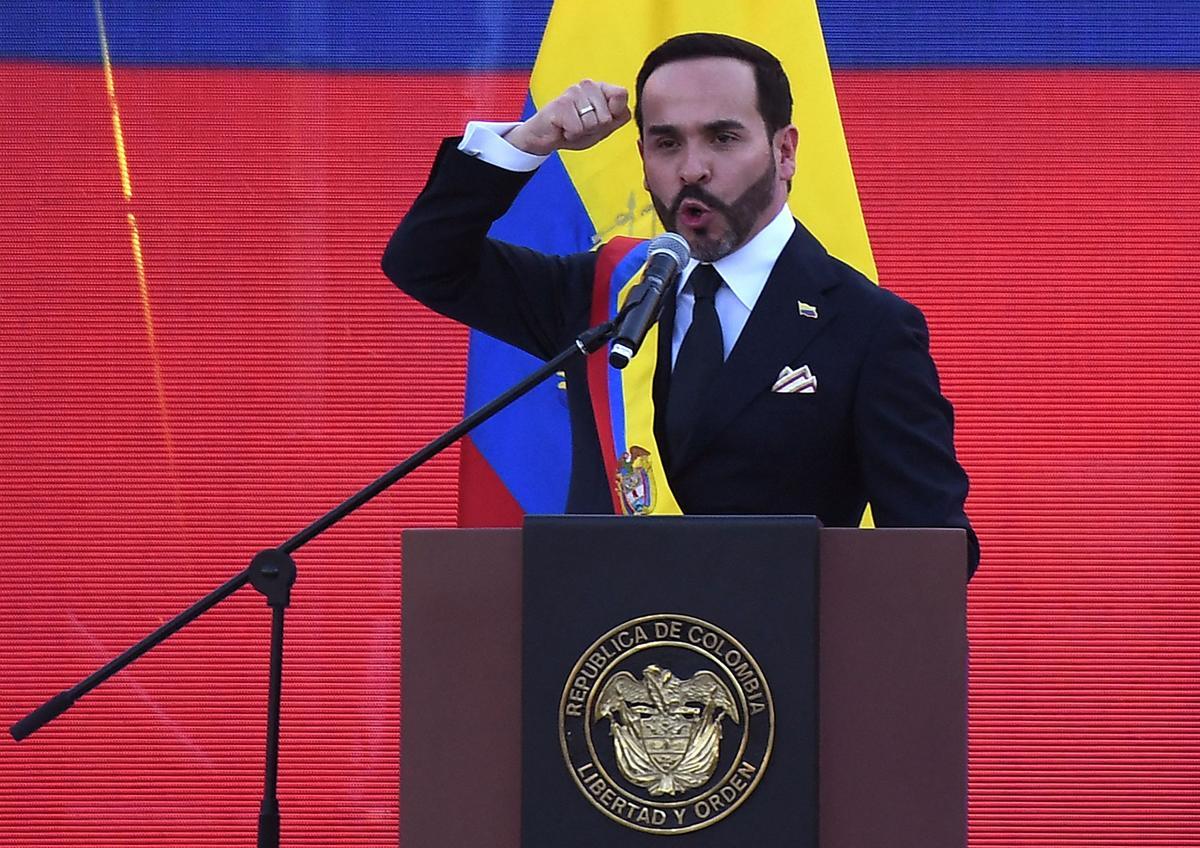
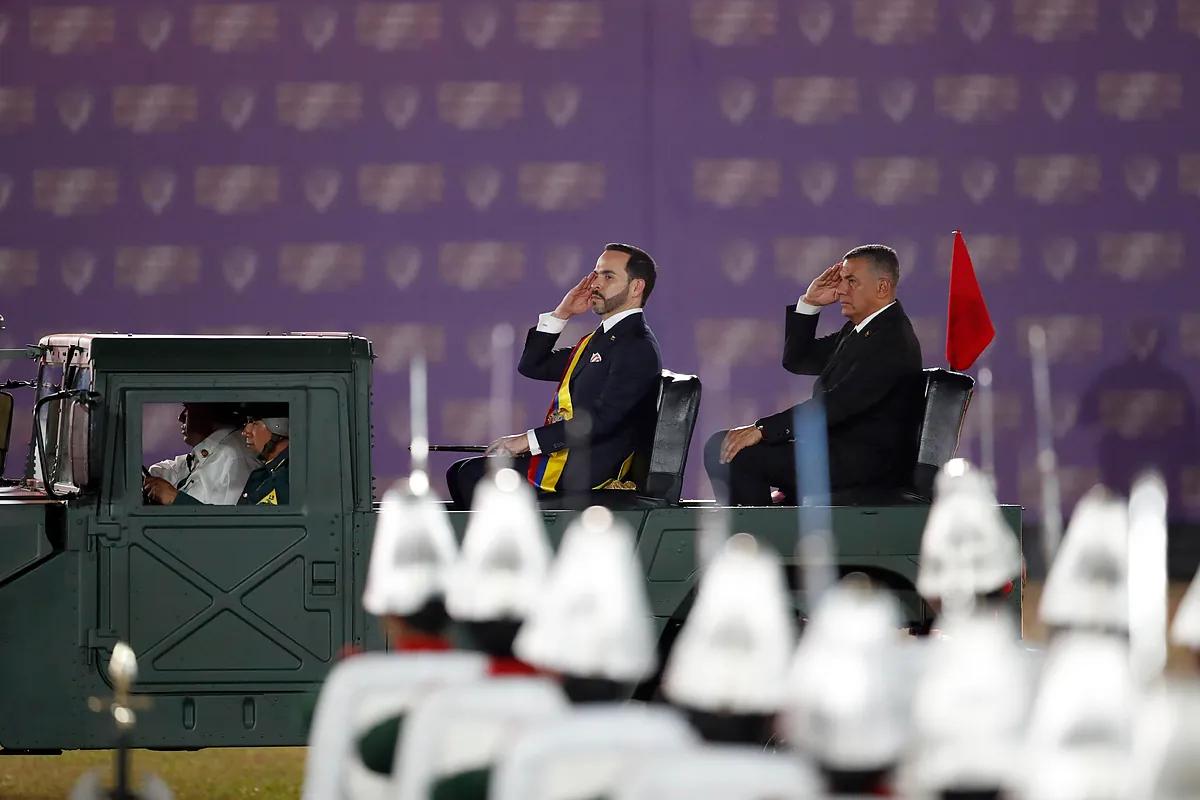
Colombia’s new president Abelardo de la Espriella took office after being sworn in as Colombia’s president Friday, promising a sharp break with Gustavo Petro’s leftist administration as concerns over the nation’s finances and increased violence cloud the transition. In his inaugural address, De la Espriella said, “The time for restoring order, authority and freedom has begun,” and he promised to build mega-prisons, use the military to fight criminal organizations, and eradicate coca crops with herbicides. Shortly after the president’s speech, the US announced plans for a $1 billion financial package to support his administration’s fight against crime and strengthen Colombia’s energy sector, extending President Donald Trump’s backing of De la Espriella during his presidential campaign.
Le Monde reported that on Saturday, August 8, the first day in power was marked by two attacks, including a drone attack loaded with explosives against a police post in the Cesar department and an explosives attack on a toll booth under construction near the city of Cali. Le Monde also quoted De la Espriella reacting on X that “Attacking the country’s infrastructures is attacking the progress, mobility, and tranquility of millions of Colombians,” as he vowed “no refuge, no leniency, no impunity” for those responsible.
Violence, dialogue rejected
Le Monde said the toll booth attack occurred on a road near the city of Cali, where dissidents of the FARC guerrillas destroyed with explosives a toll booth under construction, and security guards were slightly injured. In the same account, Le Monde described the army blaming the toll booth attack on the dissident group and said the FARC dissidents refused to join the peace agreement reached with the government in 2016. The Financial Post reported that De la Espriella said attempts to negotiate with criminals “is exhausted,” referring to Petro’s attempts at peace talks with armed groups that effectively dominate huge swaths of the country.
Le Monde further reported that De la Espriella pledged to intensify, with the support of Israel and the United States, bombardments against guerrillas and drug traffickers active in Colombia and to build high-capacity prisons, similar to the one in El Salvador. Le Monde also said the new president announced his intention to suspend peace negotiations initiated by Gustavo Petro with the country’s main armed groups, while his investiture included a promise to relentlessly combat narcoterrorism and all criminal organizations.

Prisons, security policy stakes
Puranoticia.cl said the Government of Colombia ordered the transfer of 117 inmates considered dangerous to high-security penitentiaries located in different parts of the country as one of the early measures of De la Espriella’s presidency. The same source said the National Penitentiary and Prison Institute (Inpec) carried out the transfers by direct mandate of the president to penitentiary establishments located in Bogotá, Medellín, Girón, Valledupar, La Dorada, Palmira, Ibagué, and El Barne. Puranoticia.cl framed the objective as reinforcing the security of the penitentiary centers and preventing criminal organizations from using prisons to maintain operational structures, issue orders, or coordinate criminal activities from within.
In a separate analysis, IMER Noticias quoted Angela Buitrago warning that De la Espriella’s government would need to find “a middle ground, a middle ground where the rights of all are guaranteed,” as she said organized crime control exists in about 600 municipalities of Colombia by criminal groups and organized groups. IMER Noticias also said Buitrago cautioned that security policies must stay within the constitutional framework, adding, “To disband in Colombia is impossible because the Colombian Constitution, human rights, and all authorities are committed to protecting other people's rights.”