Iran escalates attacks on Gulf energy sites; Israel halts gas-field strikes
Key Takeaways
- Iran escalates attacks on Gulf energy sites in retaliation for Israeli gas-field strike.
- Israel says it will stop striking its gas field.
- Fuel prices soar; global energy markets and economies face disruption.
Regional Escalation
Iran's recent escalation of attacks on Gulf energy sites has triggered significant regional instability and global market disruption.
“After Iran escalates attacks on Gulf energy sites, Israel says it will stop striking its gas field These actions have sent fuel prices soaring and risked drawing Arab neighbors into the conflict, impacting global energy markets and economies”
The strikes, which targeted key energy infrastructure, were retaliation for an Israeli attack on Iran's South Pars gas field, demonstrating the growing tit-for-tat violence between the two adversaries.

These attacks have sent fuel prices soaring worldwide and risked drawing Iran's Arab neighbors directly into the expanding conflict, creating a dangerous new phase in the already volatile regional dynamics.
Israeli Response
In response to the heightened tensions, Israeli Prime Minister Benjamin Netanyahu announced that Israel would halt further attacks on Iran's South Pars gas field, stating this decision came at the direct request of President Donald Trump.
This development follows weeks of intense military conflict that began on February 28, with Netanyahu claiming that Iran's top leaders have been killed and the country's military capabilities severely degraded during the ongoing campaign.
The Israeli leader asserted that Iran no longer possesses the ability to enrich uranium or manufacture ballistic missiles, though he provided no evidence to support these claims.
Energy Security Impact
The escalating conflict has created profound challenges for global energy security, particularly affecting strategic waterways and supply chains.
“After Iran escalates attacks on Gulf energy sites, Israel says it will stop striking its gas field These actions have sent fuel prices soaring and risked drawing Arab neighbors into the conflict, impacting global energy markets and economies”
Global fuel supplies face mounting pressure due to Iran's control over the Strait of Hormuz, through which approximately one-fifth of the world's oil is transported.
The immediate consequences of the heightened tensions were evident when vessels were set ablaze off the UAE coast and another was damaged off Qatar, underscoring the real danger to maritime traffic in the region.
These incidents highlight how energy infrastructure has become a primary target in the ongoing hostilities.
Geopolitical Implications
Beyond the immediate military and energy implications, the crisis has significant diplomatic and strategic ramifications for regional powers and global stakeholders.
India, which shares deep cultural connections with Iran, faces strategic dilemmas as it navigates the complex geopolitical landscape.
The UAE's agreement to store oil reserves in India and potential similar arrangements with Iran could reshape regional energy dynamics, while Qatar remains India's largest natural gas supplier.
The prospect of reviving the Iran-Oman-India pipeline negotiations, should Iran resume gas exports, presents both opportunities and challenges for India's long-term energy security.
Meanwhile, India's evolving relationship with the Taliban and potential naval cooperation with Iran to secure vital Arabian Sea lanes adds further complexity to the region's diplomatic calculations.
Security Cooperation
The evolving regional landscape presents complex counterterrorism and security challenges that could reshape alliances and cooperative frameworks.
“After Iran escalates attacks on Gulf energy sites, Israel says it will stop striking its gas field These actions have sent fuel prices soaring and risked drawing Arab neighbors into the conflict, impacting global energy markets and economies”
After the US withdrawal from Afghanistan in August 2021, Iran significantly expanded its engagement with the Taliban, a development mirrored by India's own warming relations with the Afghan group.
This convergence of interests has opened possibilities for unprecedented cooperation, as India and Iran could potentially conduct joint counterterrorism exercises targeting groups operating from Pakistan, particularly those near Iran's border with Pakistan.
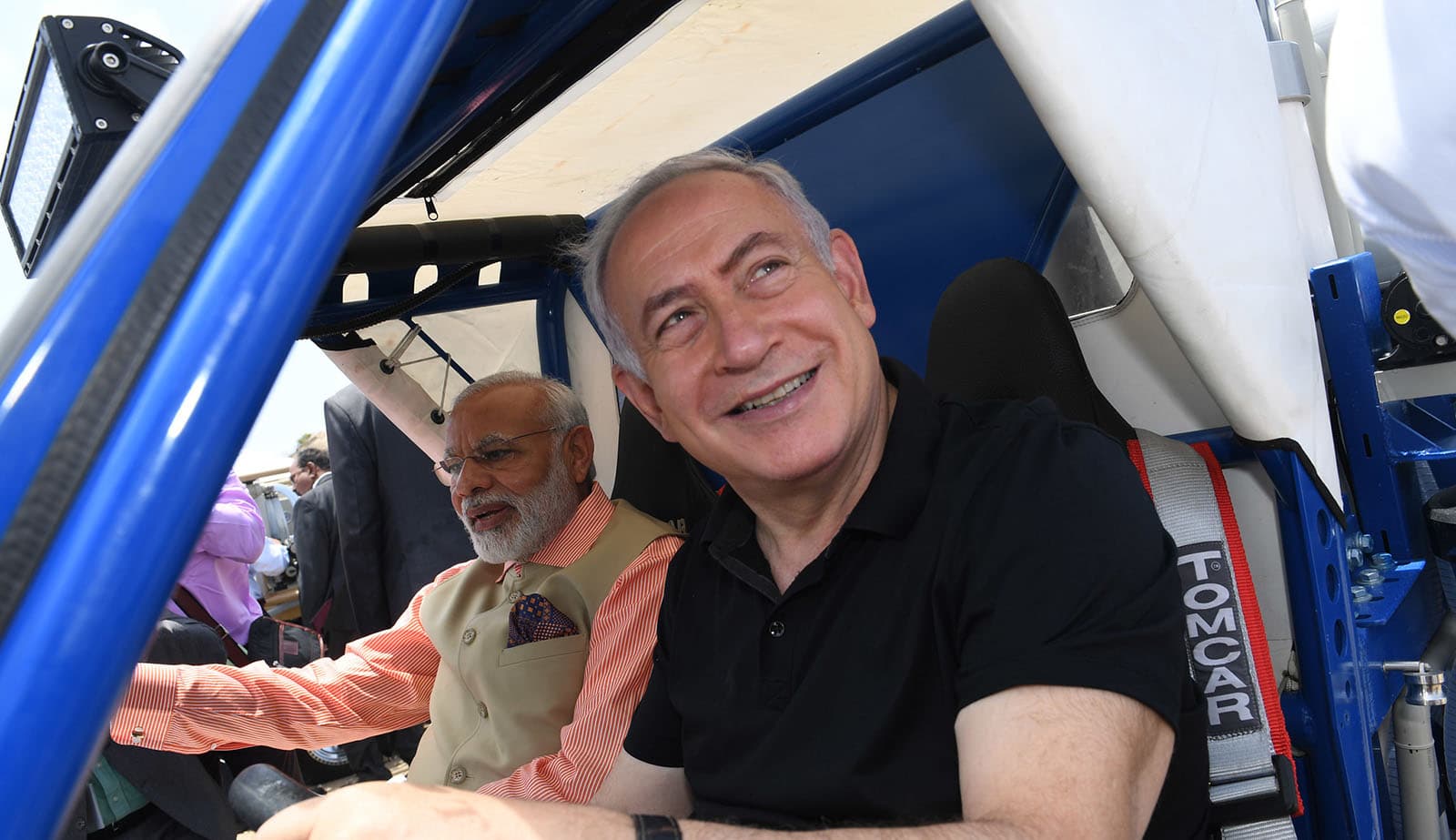
However, India's delicate balancing act between maintaining its relationship with Israel and pursuing strategic interests with Iran remains a central question, with analysts questioning whether Prime Minister Modi will risk upsetting his perceived 'brother' Netanyahu to engage more deeply with Iran for strategic gain.
More on Iran
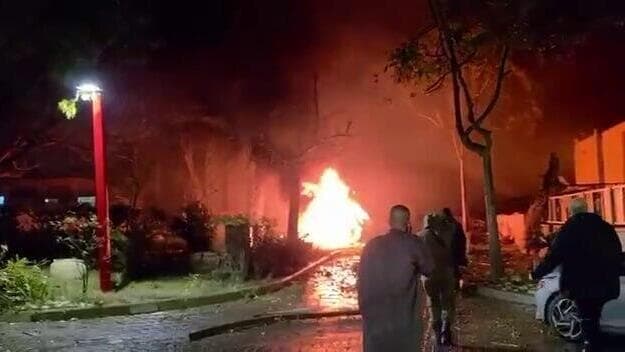
Iranian missiles strike Dimona and Arad, injuring over 100.
47 sources compared
Israel and U.S. Strike Natanz Nuclear Facility Again; Iran Blames Attack
69 sources compared

Iran Attacks Diego Garcia with Long-Range Missiles, Targeting U.S.-UK Base
82 sources compared
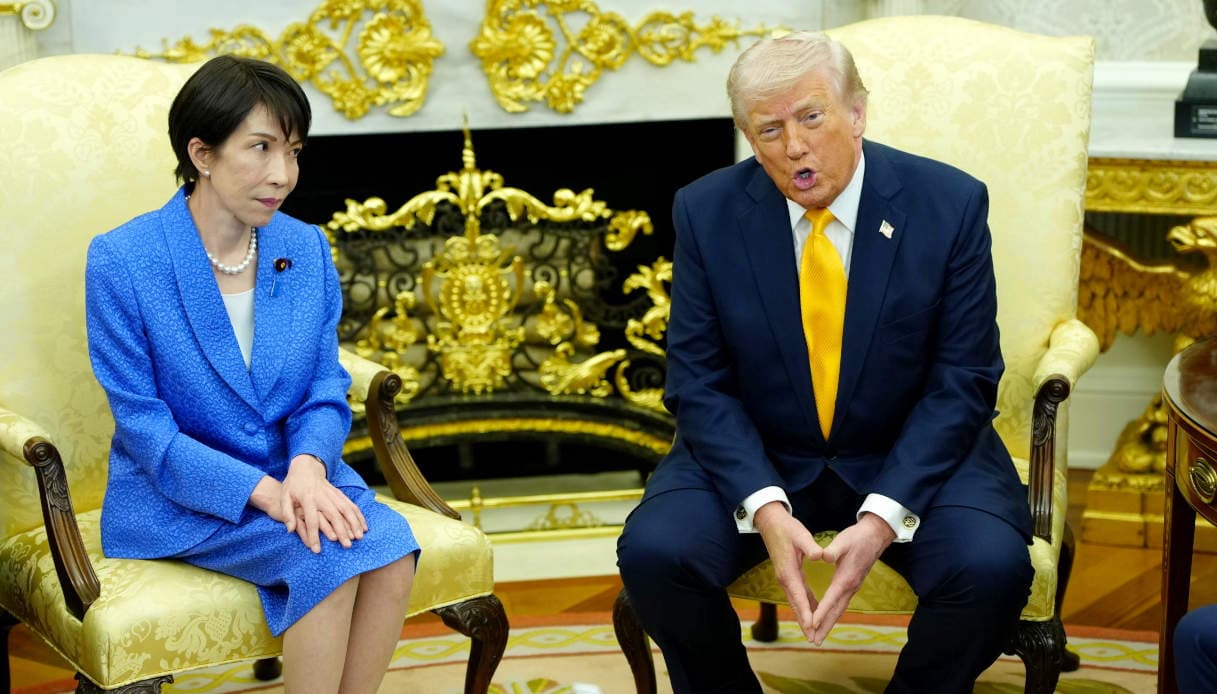
Trump Defends Iran War by Citing Pearl Harbor
12 sources compared