
Iran Executes Teen Wrestling Champion Saleh Mohammadi and Two Protesters in Qom
Key Takeaways
- Saleh Mohammadi, 19, national wrestler, publicly hanged in Qom with Mehdi Ghasemi and Saeed Davoudi.
- Courts convicted them for killing police officers during January protests, on 'war against God' charges.
- First announced executions linked to January protests, rights groups condemn due process in these cases.
Executions Overview
Iran executed three men, including 19-year-old champion wrestler Saleh Mohammadi, in public hangings in Qom on March 19, 2026.
“(Theran, Iran) – Iran has executed three men accused of killing police officers during nationwide protests earlier this year, according to multiple reports, marking the first confirmed executions tied directly to the January demonstrations”
The executions marked the first officially confirmed death sentences carried out in connection with the nationwide anti-government protests that erupted in January.
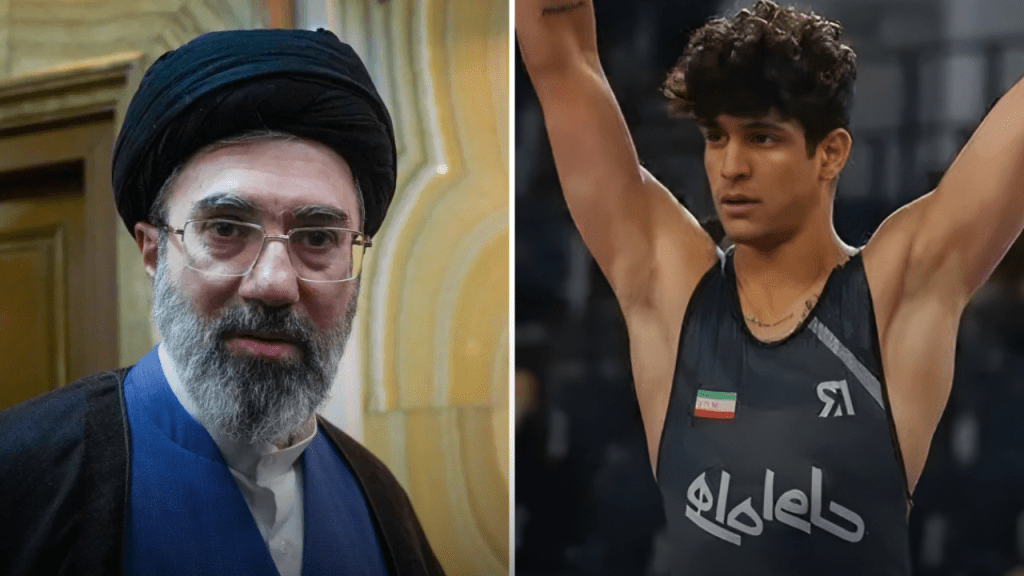
State media reported that Mohammadi, along with Mehdi Ghasemi and Saeed Davoudi, were convicted of killing two police officers during unrest in Nabut Square on January 8.
They were charged with 'moharebeh' - waging war against God - a capital offense under Iranian Sharia law that is frequently used against protesters and political dissidents.
Athlete Background
Saleh Mohammadi was a rising star in Iran's wrestling community who had represented the country internationally.
Born in March 2007 in Saveh before moving to Qom, he had earned a spot on Iran's Cadet National Team by 2023 and finished third in national championships for the 71kg category.

His career reached its peak in September 2024 when he secured a bronze medal at the Buvaisar Saitiev International Tournament in Krasnoyarsk, Russia.
His final Instagram post, uploaded three months before his arrest, showed him returning to training after injury recovery with the message: 'And we held on beyond what we ever imagined for ourselves.'
His transition from the podium to the gallows drew immediate comparisons to the 2020 execution of wrestler Navid Afkari, whose death became a global rallying cry against judicial overreach in Iran.
Unfair Trials
Human rights organizations condemned the executions as the product of 'grossly unfair trials' based on 'confessions extracted under torture.'
“"It is clear to us that the legal process that led to the execution of the Swedish citizen has not been legally secure," Sweden's foreign minister said in a statement”
According to the Center for Human Rights in Iran (CHRI), Mohammadi was denied access to an independent lawyer and subjected to severe physical abuse, including fractured hands that the court reportedly ignored.
Legal monitors pointed to a lack of physical evidence, with CCTV footage from the alleged crime scene failing to identify Mohammadi, and the court refusing to hear testimony from his family and coaches who stated he was at home during the incident.
The Norway-based Iran Human Rights NGO group warned that the executions may only be the beginning of a broader crackdown, stating: 'The Islamic Republic is fighting for its survival and knows that the greatest threat to its existence comes from the Iranian people who demand fundamental change. We are facing a very real and imminent risk of mass executions of protesters.'
International Condemnation
The executions drew widespread condemnation from the international community, human rights organizations, and sporting bodies.
The US State Department had previously expressed deep concern, stating: 'The United States is deeply concerned by reports that 19-year-old wrestling champion Saleh Mohammadi is facing imminent execution. The regime of the Islamic Republic of Iran is massacring young people and destroying Iran's future.'
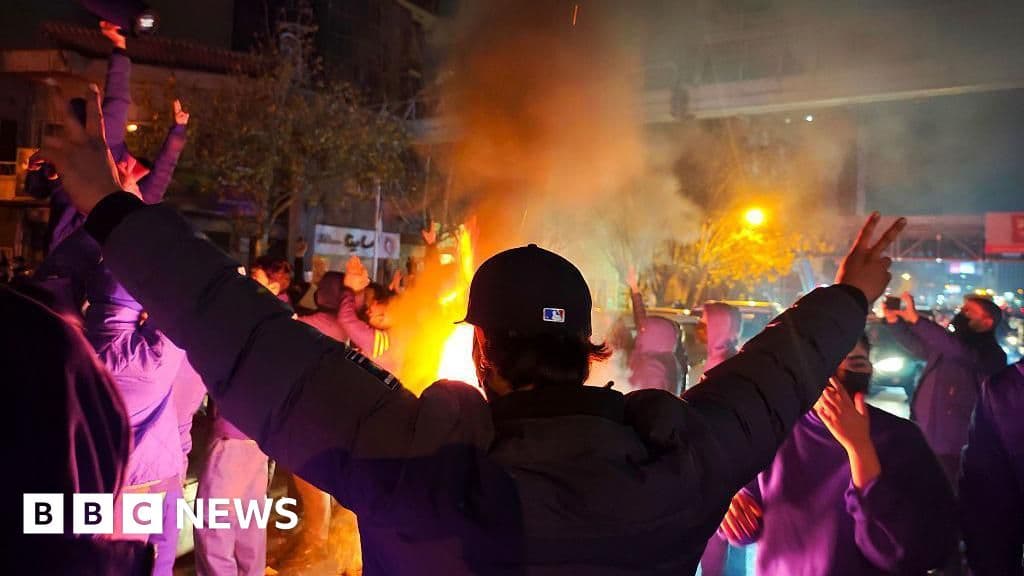
Human rights activist Nima Far, an Iranian combat athlete, described the execution as 'a blatant political murder, part of the Islamic Republic's pattern of targeting athletes to crush dissent and terrorize society.'
Olympians including American wrestler Brandon Slay and swimmer Tyler Clary condemned the actions, with Clary stating: 'As an Olympic gold medalist, I've spent my life around athletes who represent the very best of human discipline and freedom. What we're seeing in Iran - the execution of a wrestler after what appears to be a sham process - is a brutal reminder of what that regime stands for.'
Athlete Targeting Pattern
The executions highlighted Iran's pattern of targeting athletes as part of its crackdown on dissent.
Iran International reviewed documents showing that more than 36,500 Iranians were killed by security forces during the January 8-9 crackdown, making it 'the deadliest two-day protest massacre in history.'

At least 65 athletes, coaches and referees have been identified among those killed during the crackdown, with many others remaining in custody including footballer Mohammad Hossein Hosseini, water polo goalkeeper Ali Pishevarzadeh, and marathon runner Niloufar Pas.
Human rights groups have documented how Iran frequently uses the charge of 'moharebeh' against protesters, with activists noting that the regime routinely accuses detainees of acting on behalf of foreign adversaries including Israel and the United States to justify harsh punishments.
Political Context
The executions occurred during a period of political upheaval in Iran, following US and Israeli strikes that killed Supreme Leader Ayatollah Ali Khamenei and other key officials.
Power has transferred to Mojtaba Khamenei, the late leader's son, who is described by analysts as a 'hardline ideologue with no public profile and deep ties to the most radical elements of the Revolutionary Guard.'
The regime's broken promise to halt executions, made in January when Foreign Minister Abbas Araghchi told Fox News 'No hangings will take place today or tomorrow... Hanging is out of the question,' has further damaged international credibility.
The executions are seen as the first major test of the new, harder line regime, with analysts warning that the US/Israeli push for regime change may be backfiring, transforming the government from a brutal theocracy into 'something potentially even worse: a desperate, wounded, and purely vengeful security state.'
More on Iran

Iran Attacks Kuwaiti Oil Refinery as Tehran Steps Up Gulf Attacks
21 sources compared

Police Scotland Arrest Iranian Man and Woman After Breach Attempt at Faslane Nuclear Submarine Base
14 sources compared
Trump Calls NATO Cowards as U.S. Sends More Marines Toward the Middle East
43 sources compared

Israel strikes South Pars gas field; Iran attacked Gulf energy sites
38 sources compared