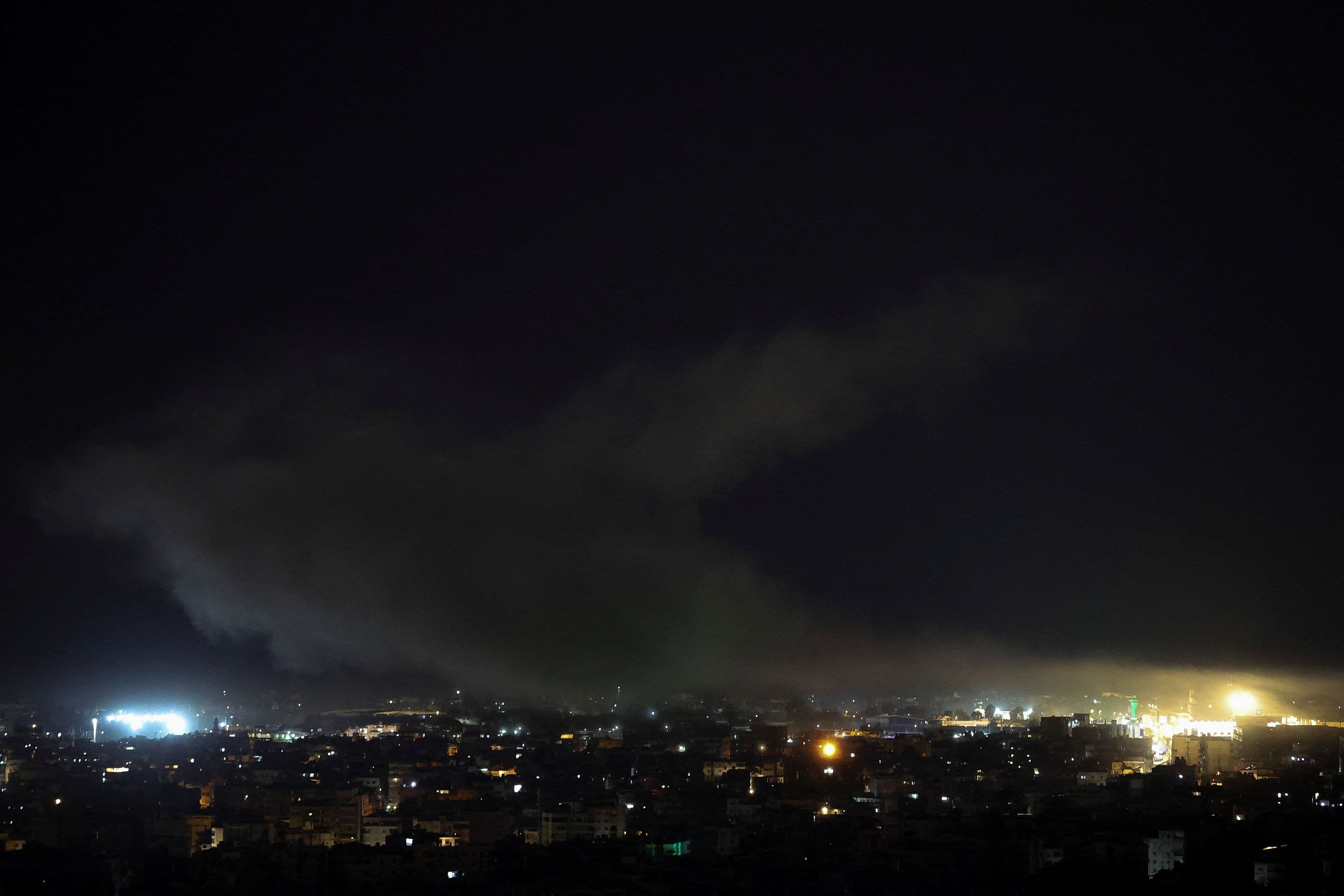
Iran fires missiles at Israel amid Trump claims of talks
Key Takeaways
- Iran launched multiple missile waves at Israel, triggering air-raid sirens across Tel Aviv.
- Trump claimed progress on talks to end the war; Iran denied.
- Iranian state media reported a new wave of missiles toward Israel.
Missile Escalation
Iran launched multiple waves of missiles toward Israel on Tuesday, escalating regional tensions despite U.S. President Donald Trump's claims of 'very good and productive' diplomatic talks aimed at ending hostilities.
“White House Press Secretary Karoline Leavitt cautioned that the situation is “fluid” and stated that “speculation about meetings should not be deemed as final” until officially announced”
The attacks triggered air raid sirens across key Israeli regions including Tel Aviv, with Iranian officials dismissing Trump's remarks as deliberate market manipulation.

The military action came just one day after Trump announced he would delay planned strikes on Iran's power infrastructure, citing progress in negotiations.
This contradiction between Washington's diplomatic narrative and Tehran's military response created immediate uncertainty about the conflict's trajectory.
Iranian parliamentary speaker Mohammad Baqer Qalibaf directly refuted the U.S. claims, while Israeli Prime Minister Benjamin Netanyahu maintained his position of continued military operations.
Iranian Denial
Iranian officials vehemently rejected Trump's claims of diplomatic progress, describing them as 'fake news' and 'psychological operations' designed to manipulate financial and oil markets.
Parliament Speaker Mohammad Baqer Qalibaf specifically accused the Trump administration of attempting to manipulate oil and financial markets while helping the U.S. and Israel escape what he termed a 'quagmire.'
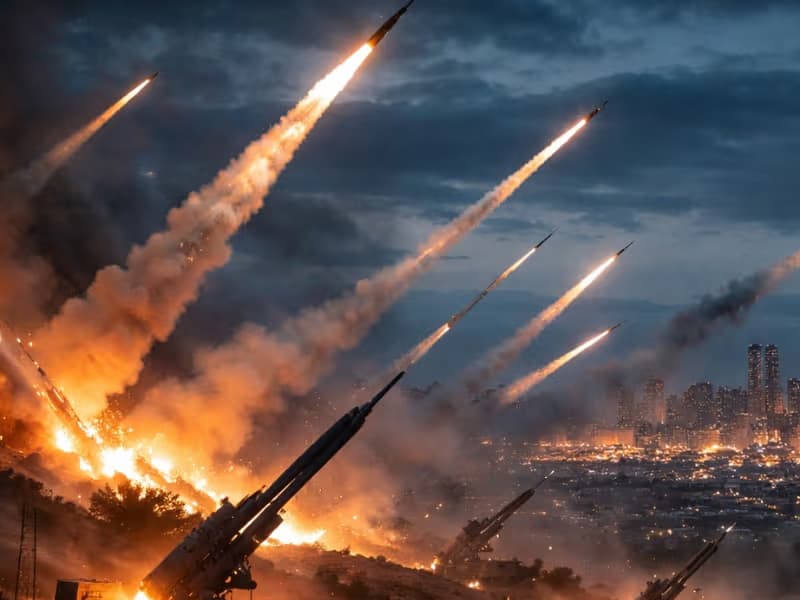
Iran's Revolutionary Guards further dismissed the U.S. claims as 'worn out' psychological operations that would not distract Tehran from its military objectives.
Despite these denials, diplomatic activity appeared to continue indirectly, with European officials confirming that messages were being relayed through third-party countries including Egypt, Pakistan and Gulf states.
The conflicting narratives highlighted the deep mistrust between the two nations and the complexity of any potential diplomatic resolution.
Israeli Damage
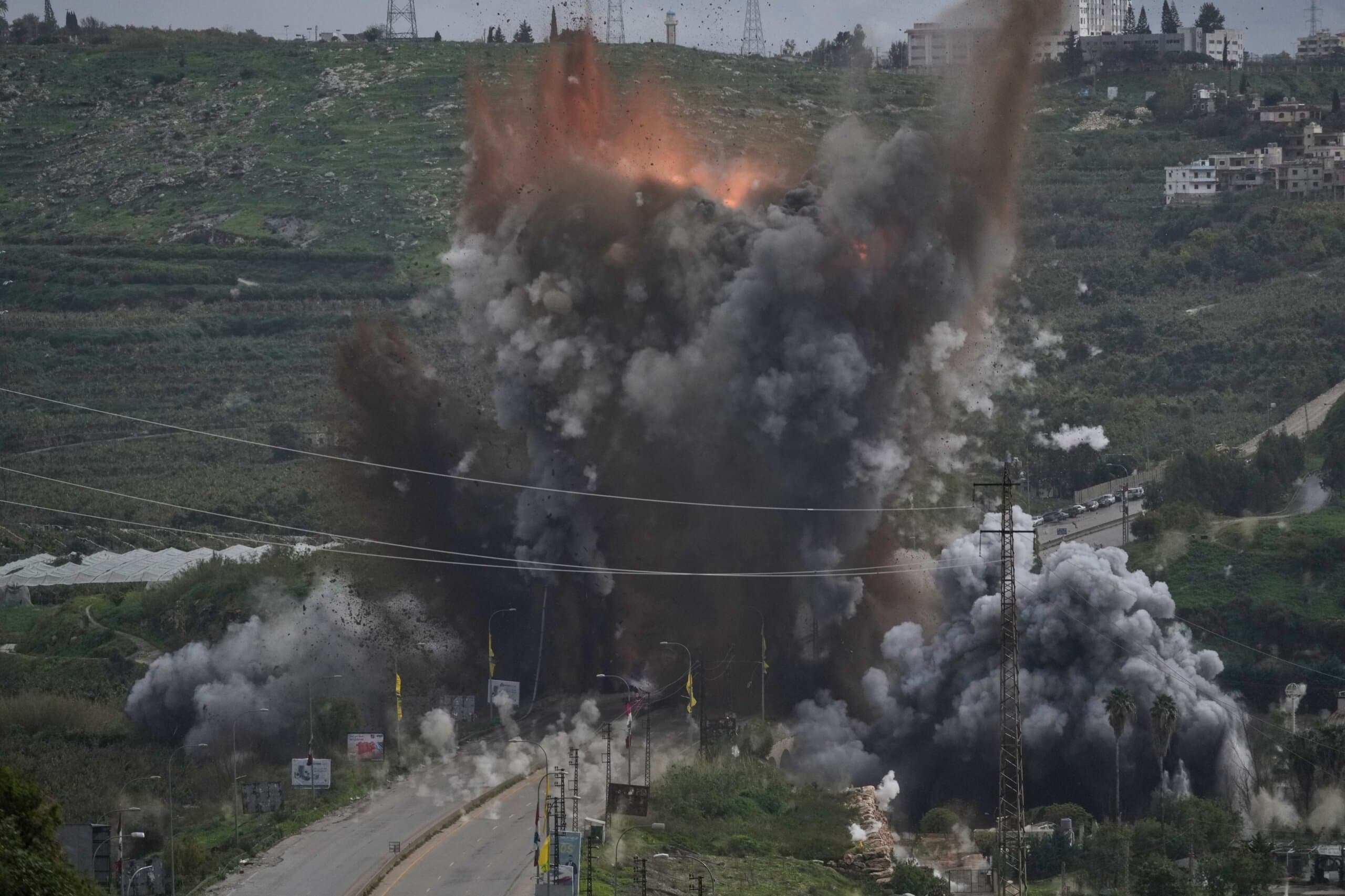
The Iranian missile strikes caused significant damage across Israel, with impacts reported in multiple locations including Tel Aviv, northern Israel, and southern regions.
“Iran launched multiple waves of missiles at Israel, escalating tensions and dismissing claims by Donald Trump of ongoing negotiations as “fake news”
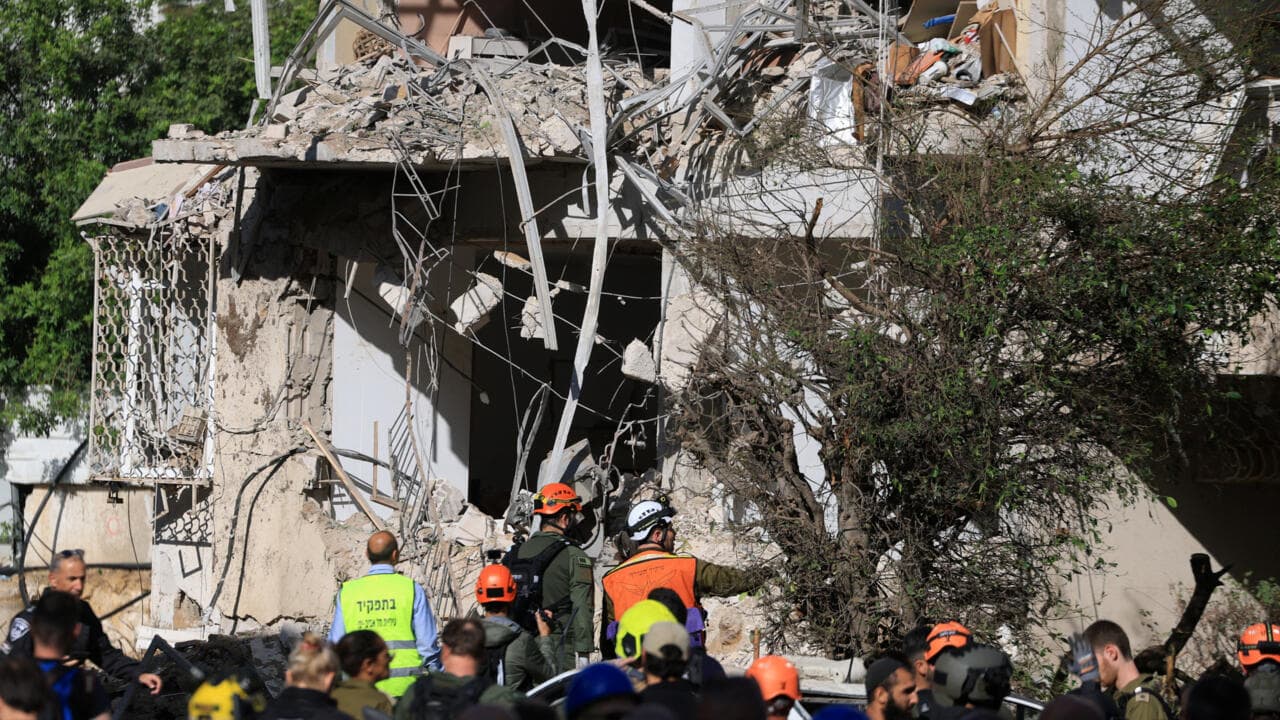
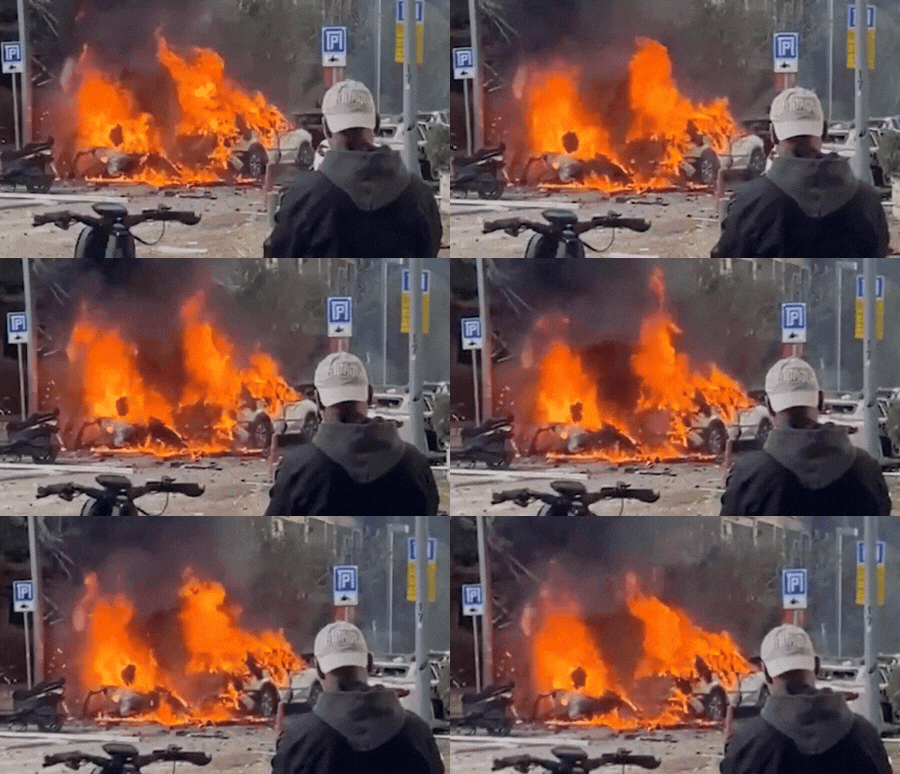
In Tel Aviv, at least six people were injured when a missile carrying approximately 100 kilograms of explosives evaded Israeli air defenses and struck an upscale residential neighborhood.
The attack left a crater in the middle of the road, damaged the facade of an apartment building, and crushed surrounding cars.
In northern Israel, falling debris from intercepted missiles damaged homes, though no fatalities were reported in either area.
Israeli emergency services including Magen David Adom responded to multiple sites, with first responders describing scenes of 'destruction, smoke, and chaos.'
Market Volatility
The conflicting narratives between Washington and Tehran triggered significant market volatility, with oil prices swinging dramatically in response to shifting expectations about potential de-escalation.
Trump's initial announcement of delayed strikes and claims of diplomatic progress briefly calmed markets, pushing share prices higher and oil prices below $100 per barrel.

However, Iran's swift denial and renewed missile attacks caused oil prices to rebound sharply, with Brent crude rising to $104.21 per barrel and U.S. crude climbing to $91.93.
Market analysts described the underlying situation as 'incredibly fragile or flammable,' reflecting the uncertainty created by the mixed signals.
The price swings reflected broader concerns about the Strait of Hormuz, through which roughly 20% of global oil and liquefied natural gas supplies transit.
Diplomatic Channels
Despite the public acrimony, diplomatic efforts appeared to continue through indirect channels, with multiple sources indicating ongoing communication between the U.S. and Iran through third-party mediators.
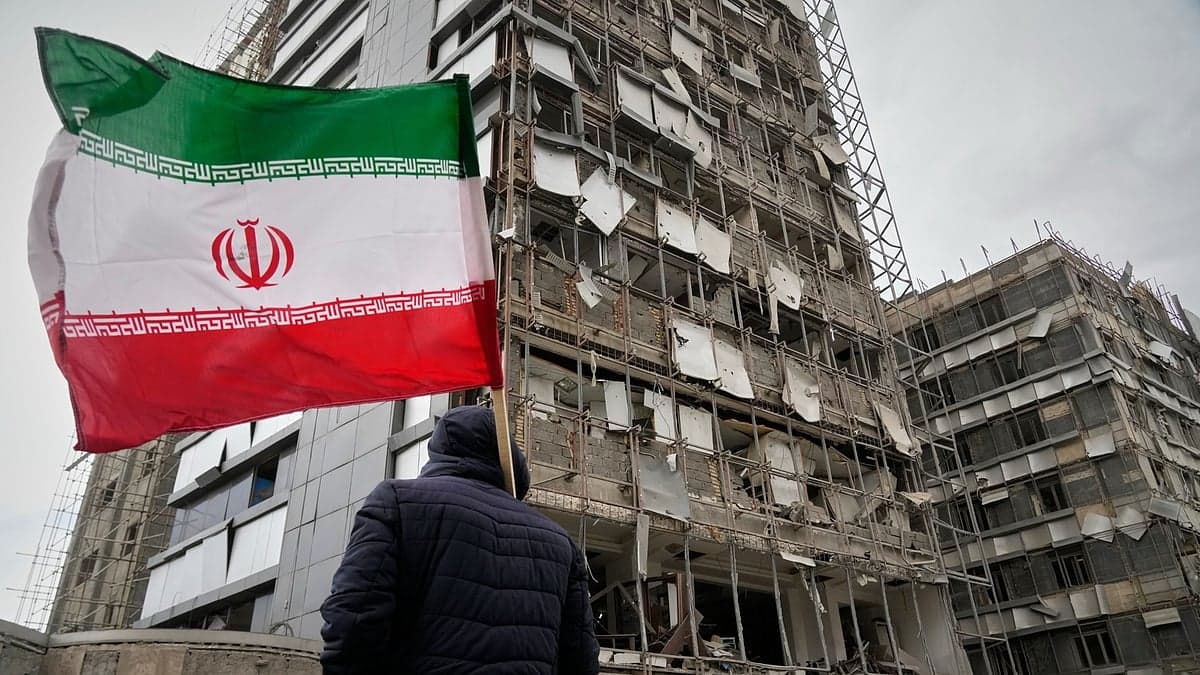
“AFP The flag of Iran”
A European official confirmed that messages were being relayed through countries including Egypt, Pakistan and Gulf states, while Pakistani sources reported that direct talks on ending the war could be held in Islamabad as soon as that week.
U.S. Vice President JD Vance, along with special envoy Steve Witkoff and son-in-law Jared Kushner, were expected to meet Iranian officials in Pakistan following a call between Trump and Pakistan's army chief Asim Munir.
Pakistan's foreign ministry stated that Islamabad was 'always willing to host talks' and had 'consistently advocated for dialogue and diplomacy to promote peace and stability in the region.'
Meanwhile, Iran's foreign minister discussed developments related to the Strait of Hormuz with his Omani counterpart, indicating continued diplomatic engagement despite the public military escalation.
Regional Impact
The ongoing conflict between Iran and Israel continues to have broader regional implications, with the Islamic Revolutionary Guard Corps signaling continued military action including fresh attacks on U.S. targets.
The Iranian military demonstrated its capability to inflict damage across the region despite weeks of intense U.S.-Israeli bombardment and sustained retaliatory strikes.
UNESCO has expressed concern about the impact of war on important historical sites in Iran and across the Middle East, noting that cultural and historical landmarks have become 'collateral damage' with at least four sites including palaces and an ancient mosque damaged by U.S. and Israeli strikes.
The situation remains highly fluid, with Trump maintaining that talks involved a 'respected' senior Iranian official and suggesting Iran 'wants very much to make a deal,' while Iranian officials insist no direct or indirect negotiations have taken place in recent days.
The deep mistrust and conflicting narratives suggest that any potential diplomatic resolution faces significant obstacles in the near term.
More on Iran

Pakistan PM Sharif Offers to Host US-Iran Talks to End Middle East War
17 sources compared
US Reaches Out to Iran via Intermediaries to Explore Ending the War.
15 sources compared
Airstrikes batter Iran as Tehran fires at Tel Aviv amid Trump talks
15 sources compared
Trump Claims Talks With Iran Underway as Tehran Denies; US Pauses Strikes on Energy Infrastructure.
27 sources compared