Iran Fires on Indian-Flagged Vessels in Strait of Hormuz, India Summons Iranian Ambassador
Key Takeaways
- Iran fired on two Indian-flagged merchant vessels in the Strait of Hormuz.
- India summoned Iran's ambassador to protest the incident.
- The episode raises questions about Hormuz safe passage; India warns of consequences.
Firing in Hormuz
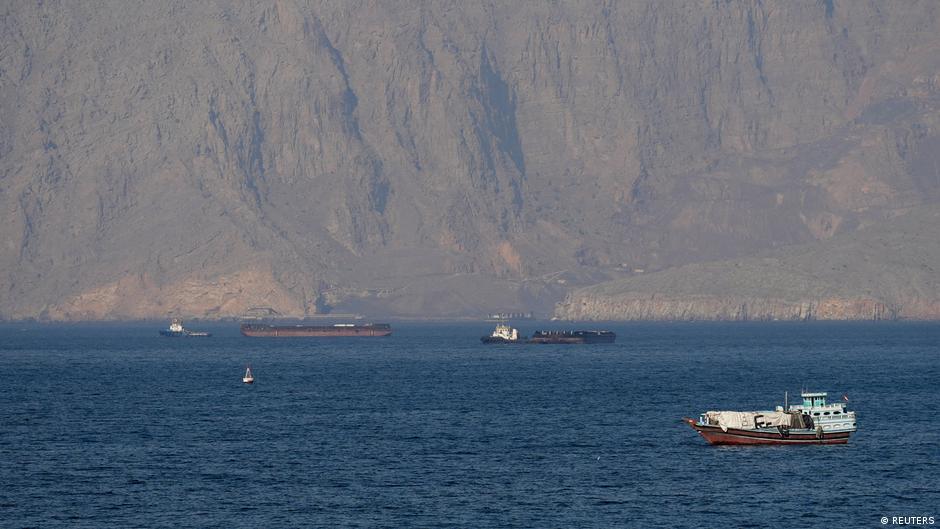
Two Indian-flagged vessels were fired upon while attempting to pass through the Strait of Hormuz, prompting India to summon Iran’s ambassador and register a formal diplomatic protest.
“What you need to know - India voiced concern at what it called a "serious incident of firing" on two India-flagged merchant ships in the Strait of Hormuz - New Delhi summoned Iran's ambassador over the incident - Prime Minister Narendra Modi will address four rallies in West Bengal today as state assembly polls near These updates have been closed”
The Independent reports that India summoned Iran’s ambassador after “two Indian-flagged vessels were fired upon allegedly by Iranian navy,” and that foreign secretary Vikram Misri conveyed Delhi’s “deep concern” over the shooting involving “two merchant ships bound for India.”
The vessels were identified as Jag Arnav and Sanmar Herald, and The Independent says officials reported “no casualties” and “minor damages, except shattered glass in one of the cabins.”
The Jerusalem Post adds that “Radio transmissions suggested that two Indian-flagged vessels… were permitted to make the journey by the Islamic regime,” citing a maritime intelligence company and including the audio line: “You gave me clearance to go! My name second on your list, you gave me clearance to go! You are firing now! Let me turn back!”
In the same incident, The Independent says the Strait of Hormuz lies between Iran and Oman and is “one of the world’s most important energy chokepoints,” while South China Morning Post frames the attack as raising “fresh questions about how far Tehran can protect even friendly shipping.”
The Independent also reports that both vessels “turned back after coming under fire north of Oman,” and that Sanmar Herald later surfaced a distress transmission.
The Times of India describes the gunfire as coming from “Iranian Revolutionary Guard Corps gunboats” and says “no injuries were reported among the crew,” while noting “minor damage” including “a shattered window.”
Diplomatic protest and audio
India’s response centered on summoning Iran’s ambassador and pressing for safe passage for Indian-bound shipping through the strait.
The Independent says India’s foreign ministry summoned Mohammad Fathali after the incident, and that foreign secretary Vikram Misri stressed “the importance India places on the safety of commercial shipping and seafarers.”

The ministry statement quoted by The Independent says Misri urged the ambassador “to convey India's views to the authorities in Iran and resume at the earliest the process of facilitating India-bound ships across the Strait,” and that the ambassador “undertook to convey these views to the Iranian authorities.”
The Jerusalem Post similarly reports that India’s External Affairs Ministry confirmed the incident and that “Tehran’s ambassador to New Delhi, Mohammad Fathali, was called in for a meeting with India’s Foreign Secretary, Vikram Misri,” during which Misri conveyed India’s “deep concern.”
The Jerusalem Post also repeats the audio line from the radio transmission, describing the individual as saying “You gave me clearance to go! My name second on your list, you gave me clearance to go! You are firing now! Let me turn back!” and it states that the vessels were attempting to carry crude oil across the Strait.
The Independent adds operational details about the Sanmar Herald’s movement, saying video reviewed by NBC News appears to show the ship moving through a “designated safe passage or Green Area,” and that while travelling east it “temporarily switched off its tracking signal (AIS).”
It further reports that when the signal came back, “the ship had quickly turned around and was heading back west,” and that a distress transmission later surfaced.
Iran’s shifting stance
Iran’s public position on the strait and its handling of Indian shipping appears in the sources as both assurances and threats, with statements attributed to Iranian officials and parliamentary leadership.
The Independent reports that Iran’s Ambassador to India Mohammad Fathali told NDTV that the strait will remain open for Indian ships, saying, “We have good contact with the [Indian] government for allowing their ships to sail through the Strait of Hormuz.”
The Independent also quotes Iranian parliamentary speaker Mohammad Bagher Qalibaf saying Tehran would continue threatening commercial shipping through the waterway, adding, “It is impossible for others to pass through the Strait of Hormuz while we cannot,” and that he said recent talks with Washington had narrowed some differences but major gaps remained over nuclear issues and the strait.
In parallel, The Independent says Iran’s Supreme National Security Council called the US blockade a ceasefire violation and said Iran would prevent “any conditional and limited reopening” of the strait.
The Times of India adds that the incident occurred as the ceasefire was due to expire on Wednesday, describing how the weekend’s attacks and other maritime actions “tested the Iran-US ceasefire.”
Separately, ynetnews describes a reversal in Iran’s announcement about the strait, saying Abbas Araghchi declared the strait “completely open” to commercial traffic, and that Iran’s joint military command reversed the announcement within a day, declaring that “control of the Strait of Hormuz has returned to its previous state, under strict management and control of the armed forces.”
ynetnews further states that the head of Iran’s parliamentary National Security Commission clarified that “all ships require Iranian naval authorization and toll payment before transiting.”
Ceasefire pressure and escalation
The attack on Indian shipping is presented in multiple sources as occurring amid a fragile US-Iran ceasefire and broader maritime escalation, with the strait’s status becoming a focal point.
The Independent says the confrontation came “amid wider uncertainty over a fragile ceasefire involving the US and Iran, which is due to expire on Wednesday,” and it describes the war as entering its eighth week and having “killed thousands,” while spreading to Israeli attacks in Lebanon and driving oil prices higher due to the effective closure of the strait.
The Independent also reports that the incident occurred while the Iranian warship IRIS Lavan remained docked at Kochi after seeking refuge from India, and that “Around 120 of its 183 crew members have been repatriated, while essential personnel remain aboard to maintain the vessel.”
It adds that the ship arrived after another Iranian warship, IRIS Dena, was torpedoed and sunk by a US submarine near Sri Lanka on 4 March.
The Times of India describes additional escalation at sea, saying “US forces intercepted and seized the Iranian-flagged cargo ship Touska in the Gulf of Oman,” and that Washington said the vessel ignored repeated warnings and attempted to breach a naval blockade.
The Times of India reports that Tehran condemned the move as “maritime piracy” and a violation of the ceasefire, warning of a response, and it states that “The seizure marks a shift toward more direct confrontation between the two sides at sea.”
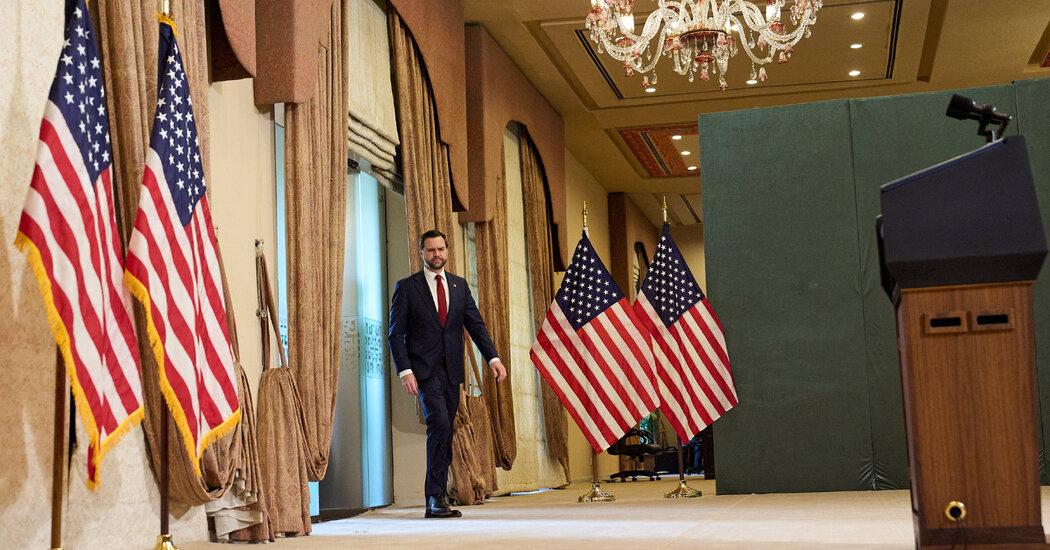
In parallel, The Independent quotes US president Donald Trump describing Iran’s move over the strait as “blackmail,” and it says he defended the US blockade and warned he was prepared “to start dropping bombs again” unless a longer-term agreement was reached before the ceasefire ends.
Energy diplomacy and market strain
Beyond the immediate diplomatic protest, the sources describe a wider scramble by Asian governments to secure shipping and energy flows as the strait’s operation becomes unpredictable.
The Indian Express says India stepped up diplomatic engagement with Iran after the April 18 incident, with the Ministry of External Affairs stating, “We remain in constant contact with Iranian authorities regarding the safety of Indian vessels. We are continuously engaging with Iran to ensure safe passage,” and it adds that “10 Indian-flagged LPG and oil tankers have made it safely through the Strait of Hormuz” since the conflict escalated in late February.

It also says “14 vessels remain stranded in the region,” including “crude and LPG carriers,” and that “Efforts are underway to move them out safely,” while describing oil inflows being reviewed on a “near real-time basis” as insurers, shipping operators and naval advisories respond.
The Independent similarly notes that India is among the countries with the highest number of vessels transiting the route because of dependence on energy imports from the Gulf, and it frames the strait as controlling a large share of global crude shipments.
The Energy article in Arabic reports that Japan, South Korea, and India are intensifying diplomatic efforts to secure safe passages, stating that the Strait of Hormuz “controls the passage of 25% of global oil traded by sea” and “about 20.7 million barrels per day,” while also handling “20% of global LNG trade.”
It says Japan seeks a balance between commitments to the United States and maintaining relations with Iran, and it cites that Japanese media reported talks are ongoing after Iranian Foreign Minister Abbas Araghchi expressed readiness to facilitate passage for ships linked to Tokyo.
Bloomberg’s account says Iran’s influence is “pressuring oil buyers and Trump,” and it quotes Rahul Kapur of S&P Global Energy that “Signals from shipping and energy markets indicate that the risk of long-term disruption has undoubtedly risen far higher than it has been at any time in decades.”
More on Iran
Trump Warns U.S. Will Resume Bombing If Iran Talks Fail Before Ceasefire Deadline
11 sources compared

Reuters/Ipsos Poll Finds 36% Approve Trump’s Job Performance Amid Iran War And Pope Feud
10 sources compared

Iran’s Judiciary Chief Mohseni-Eje’i Warns US-Israeli War Coalition May Strike Again
11 sources compared

Trump Says U.S. Expects a Great Deal With Iran, Won’t Extend Ceasefire Deadline
25 sources compared