
Iran Freedom Congress Forms in London to Unite Exiled Pro-Democracy Opposition
Key Takeaways
- London-based Iran Freedom Congress unites republicans, monarchists, Marxists and other exiled currents.
- Opposition is fragmented and lacking a credible alternative to the regime.
- It aims to act as an umbrella coalition for Iran’s exiled opposition.
Exiled opposition seeks unity
A new umbrella effort aimed at uniting Iran’s disparate exiled opposition has been formed as the Iran Freedom Congress, which met for the first time last month in London and is seeking to create an ethnically diverse “platform for coordination, dialogue, and cooperation between Iranian pro-democracy and pluralist individuals, parties, institutions, and organisations”.
“The Iranian opposition, both inside the country and in exile, encompasses a wide range of currents, from left to right, including monarchist groups and other Marxists”
Mehrdad Marty Youssefiani, described as a founding member of the group, said the project was “necessary and frankly has been missing for the past 47 years,” framing it as an attempt to overcome what he called “classic pitfalls of exile politics”.
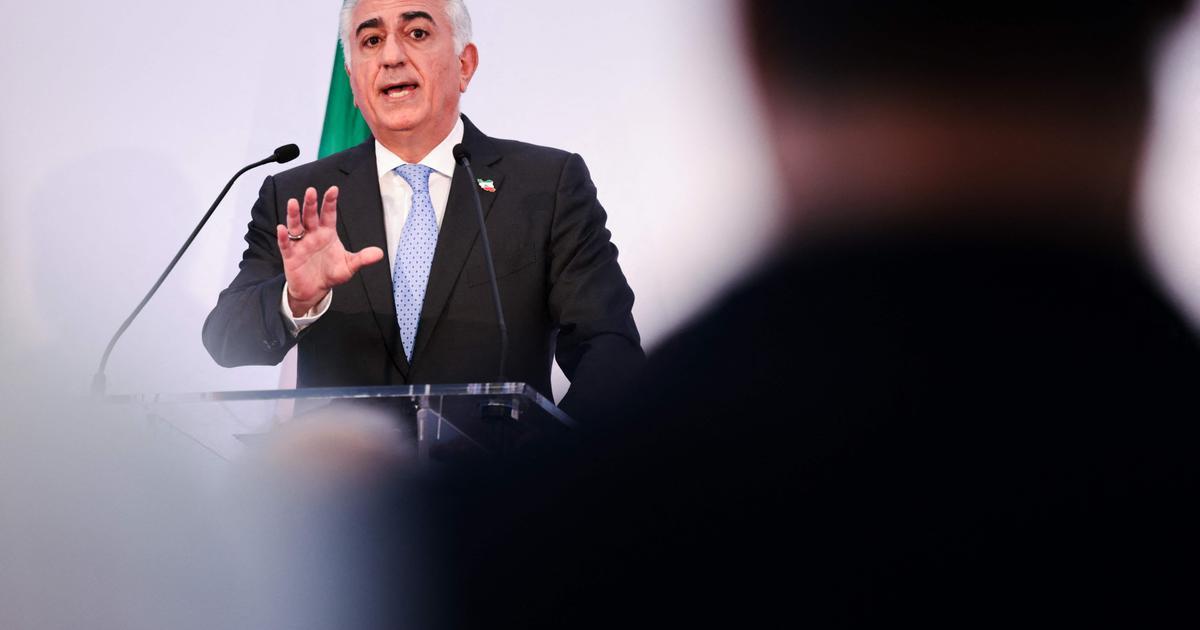
The Guardian reports that since the conference the body has been given a legal entity, and “elections for a chief executive are under way,” while the congress “does not claim to be a government in waiting, or a new political party”.
Youssefiani also argued that exile politics has to be reshaped because “We cannot claim from exile to return after 47 years and run a country which is by and large foreign to those that have not been there for 50 years,” and he said “The patronage or help must come to those inside Iran who are capable of moving the needle.”
He said the bloody crackdown on anti-regime protests at the start of this year was the catalyst for many members, describing a turning point after “thousands [being] slaughtered in January … the moment came when we said: ‘Enough is enough,’” and adding, “At the time the threat of war was looming.”
The Guardian further reports that funding for the group has largely come from Majid Zamani, founder of investment company Kian Capital, who was previously jailed in Iran in 2009 for his support of the Green Movement.
Crackdown, war fears, and divisions
The push for a unified exiled opposition is unfolding against a backdrop of repression and uncertainty about the future of Iran, with multiple outlets describing how the opposition is divided over what should replace the Islamic Republic.
franceinfo frames the question of a post-Islamic Republic alternative as urgent on Wednesday, January 14, when “the protest movement now openly defies the authorities in power,” and it says the NGO Iran Human Rights reports “more than 700 dead,” while “the near-total cut-off of the internet makes communication with the rest of the world difficult.”
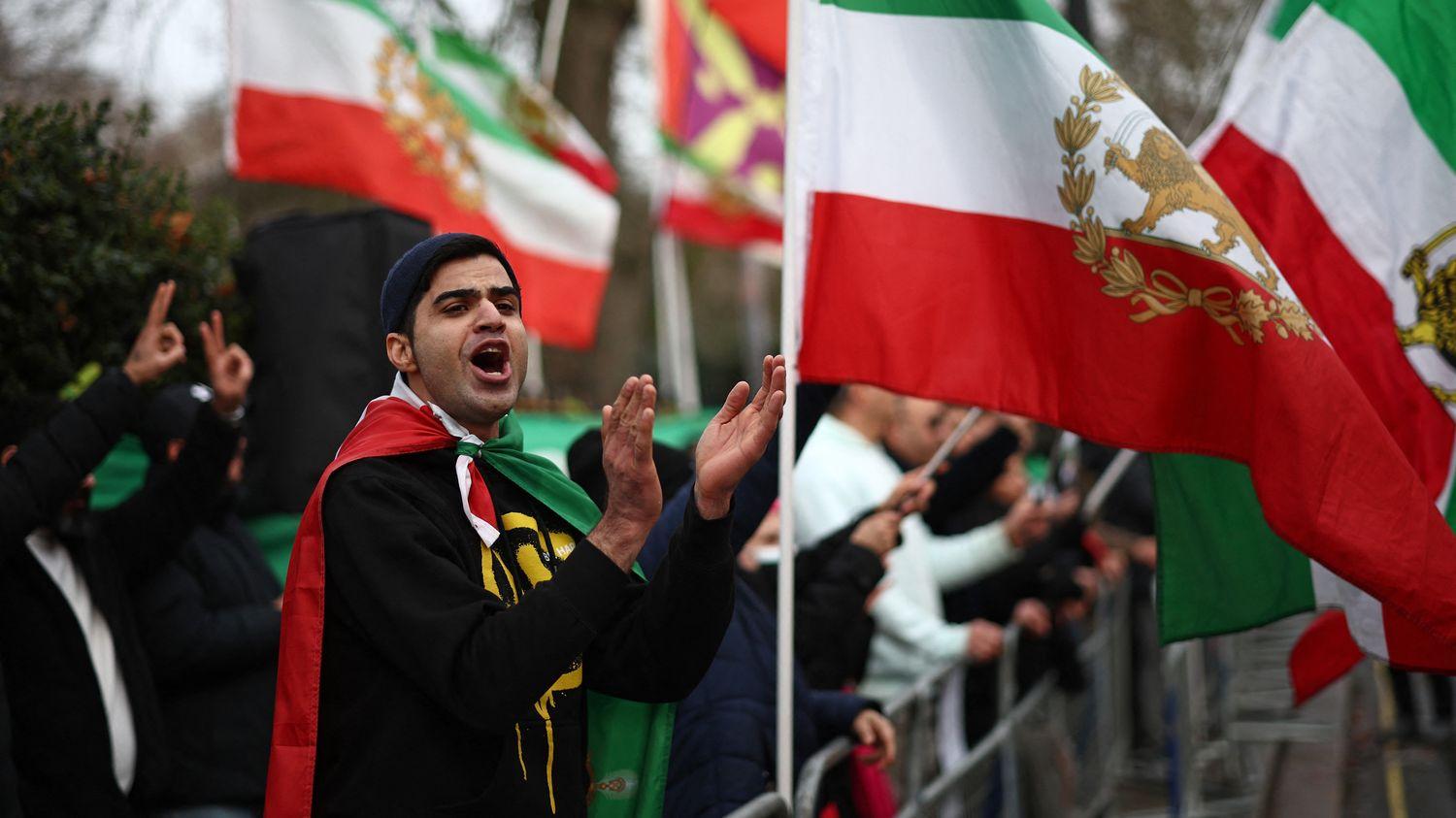
In that context, franceinfo says “The movement does not have an identified leader,” contrasting it with earlier waves such as “the revolt sparked by Mahsa Amini’s death in 2022,” and it describes the opposition as “fragmented and at odds about the path to take if the regime falls.”
The Guardian similarly ties the Iran Freedom Congress’s formation to the “bloody crackdown on anti-regime protests at the start of this year,” quoting Youssefiani’s account of “thousands [being] slaughtered in January” and his insistence that “At the time the threat of war was looming.”
The Guardian also reports that the congress decided “to take no position on the US-Israeli attack,” and it includes Youssefiani’s critique of President Donald Trump’s rhetoric, including the claim that Trump threatened that a “whole civilisation will die tonight, never to be brought back again.”
Courrier international adds a broader assessment of the opposition’s limits, saying “The fragmentation of the Iranian opposition prevents it from being a credible alternative to the mullahs,” and it notes that “the ideological and political divides that characterize this plural opposition remain its main Achilles' heel.”
Pahlavi, Rajavi, and competing projects
Across reporting, Reza Pahlavi and Maryam Rajavi appear as prominent exiled figures, but outlets describe how their leadership is contested and how different opposition organizations pursue different paths.
“Iran: Reza Pahlavi's wife posts 'Women, Life, Freedom' on photo of an Israeli female soldier”
franceinfo says Reza Pahlavi is “the most recognizable figure,” calling him “the heir to the Iranian shah,” and it reports that he is “in exile in Washington, D.C.” while issuing calls to “protest and seize city centers.”
It also notes that “the monarch’s son is far from universal approval in Iran as in the diaspora,” and it describes a slogan “Neither Shah nor Mullah” that is “frequently chanted during demonstrations.”
franceinfo provides background on the People’s Mujahedin Organization of Iran, stating it “actively calls for regime change in Iran,” and it says its leader Massoud Rajavi “went into exile in France before settling in Iraq,” later “disappeared in 2003,” while “it is his wife, Maryam Rajavi, who has led the organization from France.”
The same outlet says Maryam Rajavi heads the National Council of Resistance of Iran (NCRI), which “publishes daily tallies thanks to its network of informants,” “broadcasts videos of the repression,” and “denounces the ‘massacre’ of protesters.”
The Guardian, meanwhile, reports that the Iran Freedom Congress includes “republicans and monarchists, Marxists, right and centre,” and it says the group rejected sending an invitation to Pahlavi and, “due to divisions, decided to take no position on the US-Israeli attack.”
Woman, Life, Freedom controversy
A separate controversy around the Iranian opposition centers on the “Women, Life, Freedom” slogan and how it is being used by figures associated with the Pahlavi movement.
Middle East Eye reports that Yasmine Pahlavi, described as the former Iranian monarch’s daughter-in-law, posted #zanzendegiazadi on Instagram on the photo of an Israeli female soldier while accompanying her husband Reza during a trip to Israel.
The outlet says the slogan “Women, Life, Freedom” became a rallying cry after the death in September 2022 of the young Kurdish Mahsa Amini in custody for wearing a hijab “inappropriately,” and it says the post “unsettled more than a few.”
Middle East Eye quotes Seamus Malekafzali, an Iran-American independent journalist, calling it “grimly ironic” and saying: “[It is ironic] that a slogan that found a new popularity in Iran as a message used not only against patriarchal impositions but also against the government's structural violence ends up in a message supporting one of the most evident and visible examples of government structural violence, the Israeli army,' he notes.”
The outlet also reports that commentators highlighted the irony of seeing Yasmine Pahlavi use a phrase from a Kurdish political movement linked to the armed group PKK in reference to a member of the Israeli army.
Middle East Eye adds that the PKK itself was formed only in 1978, “during the waning days of the Pahlavi dynasty,” and it states that “the shah was a fierce opponent of Kurdish autonomy in Iran and regularly fought other Kurdish separatist groups.”
What comes next for opposition
The sources portray the Iranian opposition’s future as constrained by fragmentation, leadership disputes, and the challenge of translating exile politics into a credible alternative.
“The Iranian opposition, both inside the country and in exile, encompasses a wide range of currents, from left to right, including monarchist groups and other Marxists”
Courrier international argues that “the ideological and political divides that characterize this plural opposition remain its main Achilles' heel,” and it says the absence of a “credible and consensual alternative within a very fragmented and dispersed opposition constitutes a fundamental challenge to the idea of regime change.”
It adds that this situation makes regime change “doubtful in the eyes of decision-makers, particularly in Israel and the United States,” and it explicitly links the skepticism to “the failed experiences in Afghanistan and Iraq.”
franceinfo similarly describes how the opposition is “fragmented and at odds about the path to take if the regime falls,” and it says “Reza Pahlavi’s efforts to coalize the Iranian opposition have already faced setbacks,” including that in 2013 he founded the “National Iranian Council for Free Elections, based in Paris.”
The same outlet reports that Hampered by internal divisions, he “ultimately has little influence,” and it quotes Clément Therme saying “The heir to the monarchy exists because there is a political vacuum,” while also predicting that Reza Pahlavi “will have a hard time uniting all protest movements.”
The Guardian’s account of the Iran Freedom Congress underscores that even a new umbrella group is navigating internal and external constraints, including the congress’s decision to reject an invitation to Pahlavi and its attempt to coordinate across “republicans and monarchists, Marxists, right and centre.”
More on Iran

Trump Says U.S.-Iran Memorandum Will Be Signed Sunday, Strait of Hormuz Reopens
10 sources compared

Donald Trump Says U.S.-Iran Deal Will Be Signed Sunday, Strait of Hormuz Reopening
16 sources compared

Trump Says U.S.-Iran Memorandum Will Be Signed Sunday as U.S. Shoots Down Iranian Drones
11 sources compared

Donald Trump Says U.S.-Iran Memorandum Will Be Signed Sunday, Strait of Hormuz To Reopen
12 sources compared