Iran Hardliners Challenge Ghalibaf as U.S. Questions Tehran’s Decision-Making Power
Key Takeaways
- IRGC tightens grip on military strategy and diplomacy against moderates.
- Power struggle pits hardliners against moderates, shaping Tehran’s policy decisions.
- Tensions jeopardize U.S.-Iran ceasefire talks and broader diplomacy amid Hormuz crisis.
Ceasefire talks collide with power
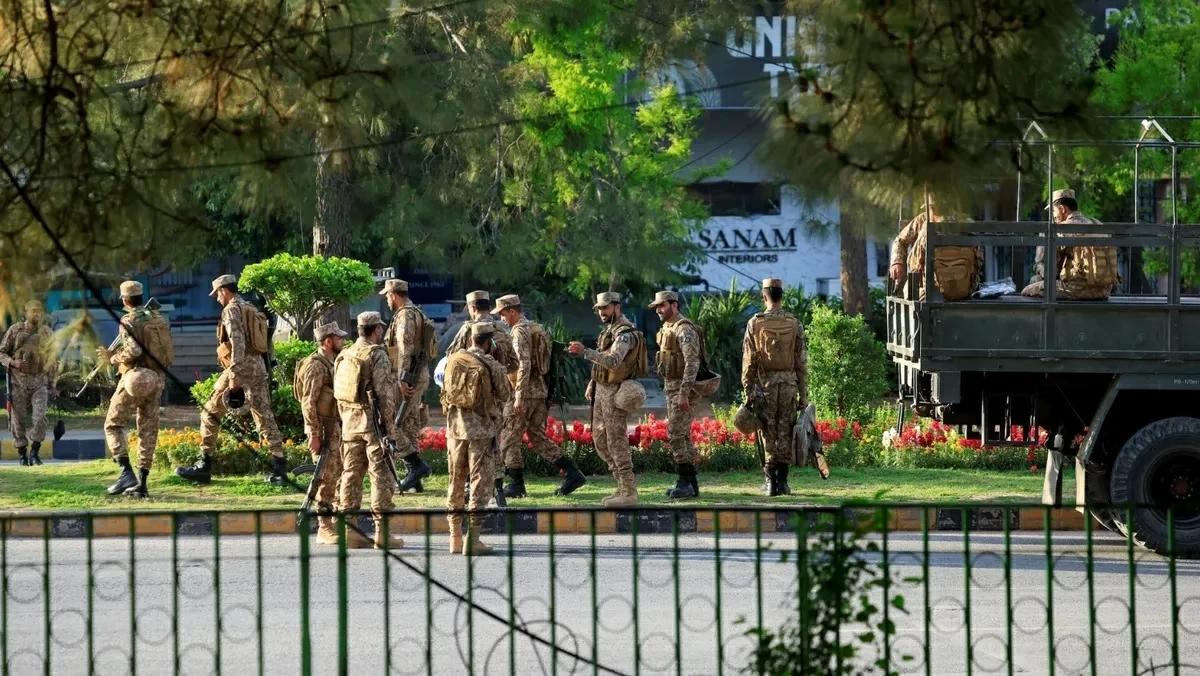
Iran’s internal power struggle is complicating U.S.-Iran ceasefire negotiations as a second round approaches, with hardliners challenging the authority of Iran’s negotiating leadership and the U.S. questioning who in Tehran truly holds decision-making power.
The Chosun Daily reports that the Institute for the Study of War (ISW) said in a report on the 20th that “Serious disputes appear to be occurring between Iranian parliamentary speaker Mohammad Bagher Ghalibaf, the head of Iran’s negotiating team with the U.S., and Ahmad Vahidi, the commander of Iran’s Islamic Revolutionary Guard Corps (IRGC), who opposes negotiations.”

It adds that Ghalibaf defended the negotiations on Iran’s state broadcaster on the 18th, saying that “diplomacy with the U.S. is necessary to achieve Iran’s national goals,” while the Revolutionary Guard maintains that Iran’s negotiating team “lacks the authority to represent the IRGC.”
The Chosun Daily also quotes a U.S. official saying, “We are not sure who holds the real power, and neither are they.”
Semafor frames the same moment as “Iran peace talks up in air as ceasefire deadline looms,” describing fast-moving expectations around who will attend and whether talks can deliver a lasting truce.
The War Zone similarly describes negotiations as “hanging by a thread” as the Strait of Hormuz remains closed and the ceasefire nears Wednesday, while Pakistan tries to host last-ditch talks.
Timeline of escalation and talks
The diplomatic push toward Islamabad is unfolding alongside a rapidly shifting security picture in the Strait of Hormuz and the Gulf of Oman, with multiple outlets describing closures, strikes, and seizures that have fed uncertainty over whether negotiations can proceed.
The Economist recounts that on April 17th Donald Trump announced the Strait of Hormuz had opened to traffic after Abbas Araghchi confirmed it, but “The same day outlets linked to Iran’s Islamic Revolutionary Guard Corps (IRGC) criticised Mr Araghchi for failing to mention the conditions of the opening,” and “The next day a military spokesman said the strait was closed again; several vessels came under fire as they tried to sail through.”
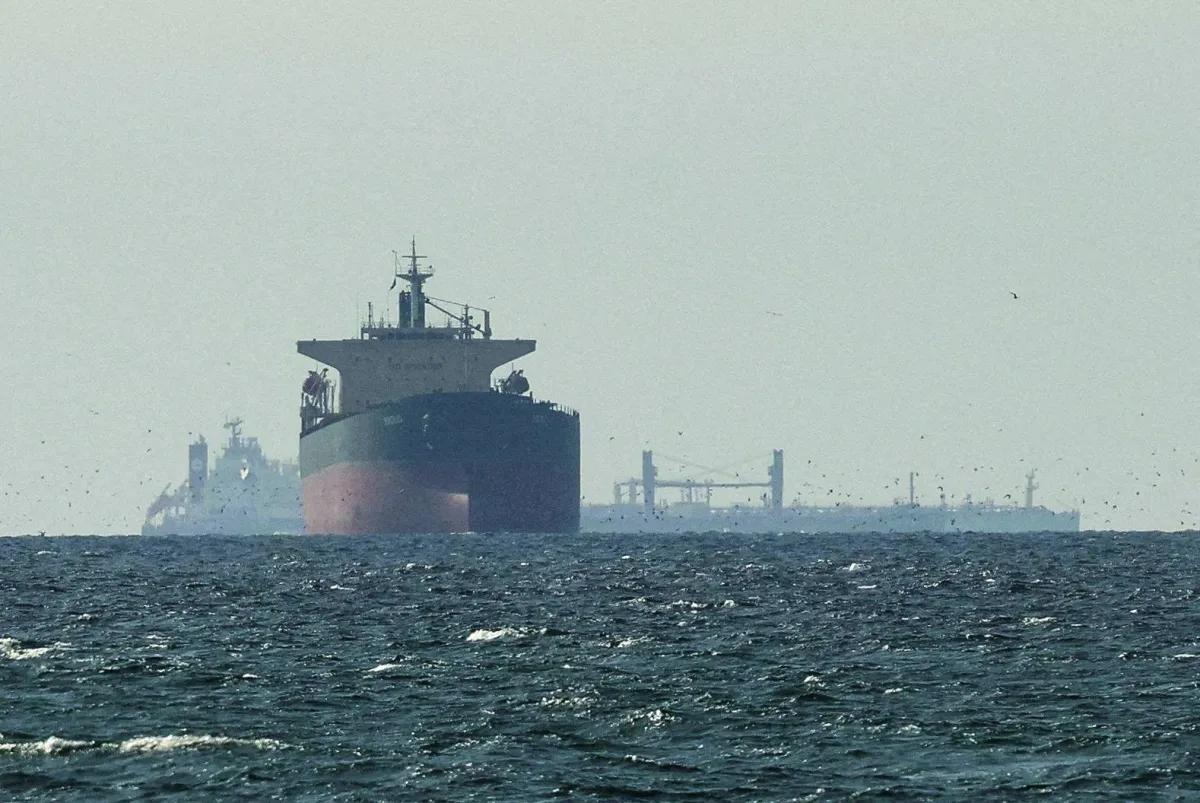
It adds that on April 20th Trump said the U.S. Navy fired upon and boarded an Iranian cargo ship, and that “Only the day before he said an American delegation would return to Islamabad, Pakistan’s capital, for more talks with the Iranians.”
Semafor describes a “dramatic weekend” in which Iran “once again closed the Strait of Hormuz” and “US forces struck and seized an Iranian vessel,” while Trump threatened to “knock out every single Power Plant” if an agreement was not reached and later said an extension was “highly unlikely.”
The War Zone says the Strait of Hormuz remained closed after being shut down again “this weekend,” and it links the closure to “the same time Iran reportedly fired on several ships in the Strait on Saturday.”
It also describes a U.S. attack and seizure of a cargo ship in the Gulf of Oman and says that “has also resulted in Iran making new threats of retaliation.”
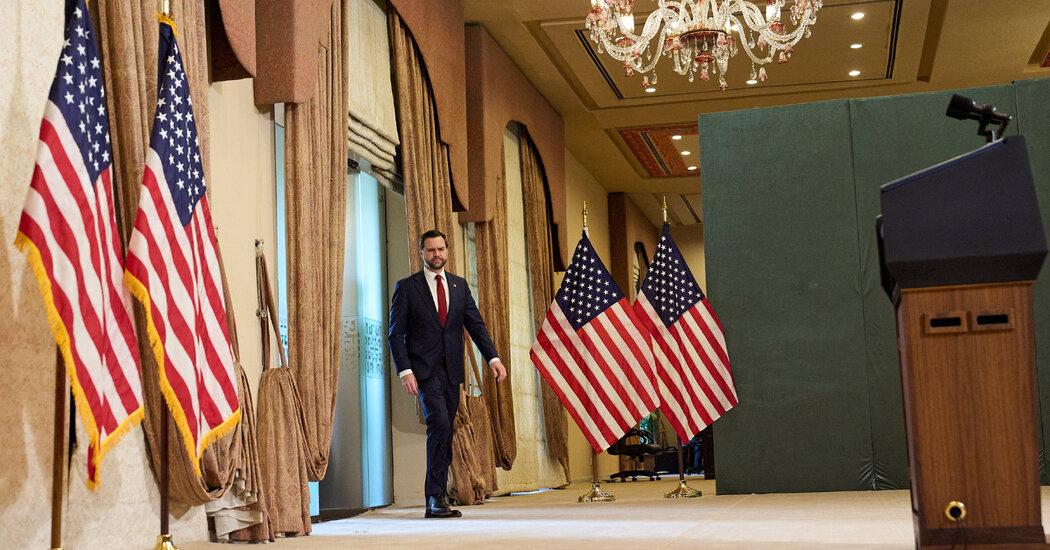
Against that backdrop, the Chosun Daily reports that the second round is scheduled to take place in Islamabad “on the morning of the 22nd,” with the U.S. delegation led by Vice President JD Vance set to depart for Pakistan “on the morning of the 21st,” and with parliamentary speaker Ghalibaf leading the Iranian team.
Competing voices and threats
As the ceasefire deadline nears, the public messaging from Washington and Tehran—and the internal Iranian disputes highlighted by analysts—has sharpened the sense that negotiations are constrained by competing command structures.
Semafor reports that Trump “again threatened to “knock out every single Power Plant” if an agreement was not reached,” and it says he later added that he considered an extension “highly unlikely.”
The War Zone quotes Trump telling the New York Post, “We’re supposed to have the talks,” and it adds that he brushed aside doubts by saying, “So I would assume at this point nobody’s playing games.”
On the Iranian side, the War Zone says Foreign Ministry spokesperson Esmaeil Baghaei told reporters, “So far, we have no plans to participate in the next round of negotiations,” and that “The behavior of the United States does not indicate seriousness in pursuing a diplomatic process.”
The War Zone also quotes Baghaei’s nuclear position, saying it is “strictly off the agenda,” and that “Iran’s definitive stance is to keep all of its nuclear achievements on its own soil.”
The Chosun Daily adds that ISW described disputes between Ghalibaf and Ahmad Vahidi, and it frames the Revolutionary Guard’s stance as a challenge to the negotiating team’s authority, stating that the IRGC maintains the team “lacks the authority to represent the IRGC.”
WTOP describes Iran’s response to the U.S. seizure of the Iranian-flagged cargo ship Touska, saying Iran’s joint military command said Tehran will respond soon and called the seizure an act of “piracy.”
In parallel, the Chosun Daily says the U.S. think tank described a communications bottleneck involving Mojtaba Khamenei, noting that “The lack of direct communication between Iranian officials and Mojtaba is seen as a major obstacle to the ceasefire negotiations between the U.S. and Iran.”
How outlets frame the same dispute
Different outlets describe the same negotiations and security events through distinct lenses, producing a visible divergence in emphasis on who controls Iran’s posture and what the next round will look like.
The Chosun Daily focuses on an internal leadership contest, saying analysis has emerged that Iran’s leadership is engaged in a power struggle between moderates and hardliners and that “hardliners opposing the negotiations are gaining the upper hand internally,” while also arguing that the new supreme leader, Mojtaba Khamenei, is failing to mediate.

The War Zone, by contrast, emphasizes the operational uncertainty around attendance and the immediate diplomatic friction, stating it remains unclear if Iran will send a delegation to meet the U.S. negotiating party of Vice President JD Vance, envoy Steve Witkoff and Jared Kushner, and it says the meeting is tentatively set for Tuesday.
Semafor frames the story as market-tinged uncertainty, describing “Oil prices whipsawed” and focusing on “questions over who will attend, and whether they will deliver a lasting truce,” while also noting that Iranian officials have yet to provide a clear update on who will go.
The Chosun Daily also provides a specific internal mechanism for its interpretation, claiming that Vahidi is the only Iranian official who communicates directly with Mojtaba Khamenei and conveys major decisions to other officials, and that this lack of communication is a major obstacle.
The War Zone instead highlights the possibility of schism within Iran’s delegation itself, quoting The Economist that “There’s a power struggle underway in Iran—and even within the delegation that went to Islamabad for the first round of talks,” and it adds that “Their arguments were so ferocious that Pakistani mediators are reported to have spent as much time refereeing among the Iranians as engaging the Americans.”
WTOP and Al Jazeera Net both center the negotiation conditions, but from different angles: WTOP says Iran has not confirmed attendance and describes the seizure of Touska, while Al Jazeera Net lays out a Q&A in which Iran’s participation is conditioned on “halting threats, resolving the seizure of the vessel Toska, and halting the naval blockade.”
Stakes as truce expires
The stakes described across the reporting are immediate and multi-layered, spanning the ceasefire’s expiration, the Strait of Hormuz’s closure, and the risk of renewed fighting that could deepen energy disruptions and widen regional consequences.
Semafor says the “two-week ceasefire is entering its final hours” and describes Trump’s threats tied to infrastructure, while the War Zone says the clock ticks down on a “shaky ceasefire” that could end Wednesday and that Pakistan is attempting to host “last-ditch negotiations to stave-off a new round of fighting between the U.S. and Iran.”
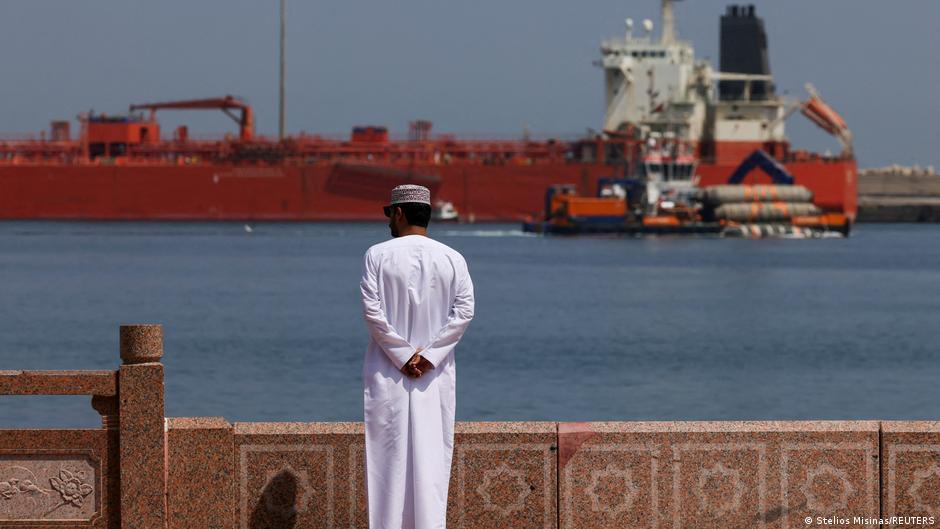
WTOP adds that the escalating standoff threatens to deepen “the energy crisis roiling the global economy” and push the two countries toward renewed fighting that has already killed “at least 3,000 people in Iran, nearly 2,300 in Lebanon, 23 civilians and 15 soldiers in Israel, and more than a dozen in Gulf Arab states,” while also stating “Thirteen U.S. service members have also been killed.”
The War Zone also ties the operational picture to diplomacy by saying the Strait of Hormuz remains closed and that Iran’s claims of non-participation are linked to U.S. behavior, including the “blockade” and “violating the ceasefire.”
Al Jazeera Net’s Q&A underscores that Iran’s participation is conditioned on halting threats, resolving the seizure of Toska, and halting the naval blockade, while it also quotes Iran’s parliament speaker Mohammad Bagher Ghalibaf on X: “By imposing a blockade and violating the ceasefire, Trump seeks to turn the negotiation table into a surrender table or justify renewed hostilities, as he sees fit.”
The Chosun Daily and SMH.au both describe how internal Iranian dynamics could determine whether talks can produce outcomes, with the Chosun Daily citing ISW’s view that Vahidi’s direct communication with Mojtaba Khamenei gives him leverage, and SMH.au saying ISW reported that IRGC commander Major General Ahmad Vahidi and his inner circle “likely secured at least temporary control over not only Iran’s military response in this conflict, but also Iran’s negotiating position and approach within the past 48 hours.”
With the ceasefire nearing its end, the reporting repeatedly returns to the possibility that the next round could fail or be delayed, leaving the Strait of Hormuz and maritime enforcement as flashpoints for renewed escalation.
More on Iran
Trump Warns U.S. Will Resume Bombing If Iran Talks Fail Before Ceasefire Deadline
11 sources compared

Reuters/Ipsos Poll Finds 36% Approve Trump’s Job Performance Amid Iran War And Pope Feud
10 sources compared

Iran’s Judiciary Chief Mohseni-Eje’i Warns US-Israeli War Coalition May Strike Again
11 sources compared

Trump Says U.S. Expects a Great Deal With Iran, Won’t Extend Ceasefire Deadline
25 sources compared