
Iran Hardliners Threaten U.S. Ceasefire Talks as Mojtaba Khamenei Fails To Mediate
Key Takeaways
- Iran's leadership faces a power struggle between hardliners and moderates over US talks.
- Iran attendance at talks in Pakistan remains unconfirmed amid looming ceasefire deadline.
- U.S. seizure of an Iranian cargo ship strains talks and provokes retaliation threats.
Ceasefire talks in doubt
Iran’s internal power struggle is complicating U.S.-Iran ceasefire negotiations as a second round approaches, with multiple outlets describing uncertainty over who will attend and whether diplomacy can survive the deadline.
The Chosun Daily frames the problem as a contest between moderates and hardliners, saying “hardliners opposing the negotiations are gaining the upper hand internally” and that “the new supreme leader, Mojtaba Khamenei, is failing to mediate.”
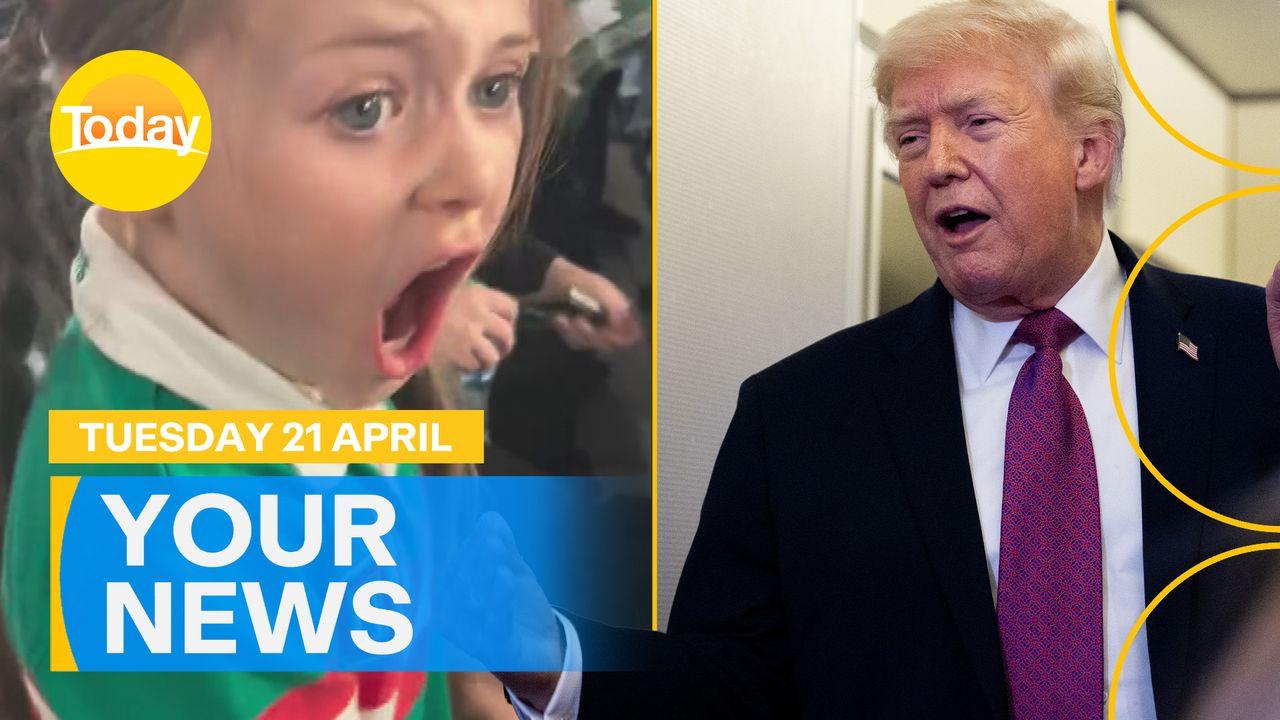
It adds that the Institute for the Study of War (ISW) reported “Serious disputes appear to be occurring between Iranian parliamentary speaker Mohammad Bagher Ghalibaf” and Ahmad Vahidi, “the commander of Iran’s Islamic Revolutionary Guard Corps (IRGC), who opposes negotiations.”
The same article says the first round ended with Iran’s delegation returning home from Islamabad, Pakistan, from the 11th to the 12th, and that the Revolutionary Guard then informed them of its stance and “reportedly summoned the negotiating team to Tehran.”
Semafor similarly ties the talks to a looming ceasefire deadline, saying “The two-week ceasefire is entering its final hours” and that the White House announced Vice President JD Vance will lead the U.S. delegation to Islamabad.
Yet Semafor also reports that Iranian officials “have yet to provide a clear update on who will go,” while The War Zone says the meeting is “tentatively set for Tuesday” and that it remains unclear if Iran will send a delegation.
CNN Arabic adds a concrete timing point, reporting Pakistan’s Information Minister Ataullah Tarar said the ceasefire ends at “4:50 a.m. Pakistan time on Wednesday.”
Power struggle inside Iran
Across the reporting, Iran’s leadership split is portrayed as a direct obstacle to negotiating with the United States, with named figures and institutions repeatedly placed at odds.
The Chosun Daily says ISW described “Serious disputes” between parliamentary speaker Mohammad Bagher Ghalibaf, “the head of Iran’s negotiating team with the U.S.,” and Ahmad Vahidi, “the commander of Iran’s Islamic Revolutionary Guard Corps (IRGC), who opposes negotiations.”

It also says Ghalibaf defended negotiations on Iran’s state broadcaster on the 18th, stating that “diplomacy with the U.S. is necessary to achieve Iran’s national goals,” and that he “is reported to have criticized hardline officials during a staff meeting, a move seen as targeting Vahidi.”
In contrast, the Revolutionary Guard “maintains that Iran’s negotiating team with the U.S. lacks the authority to represent the IRGC,” and after the delegation returned from Islamabad, “the Revolutionary Guard informed them of this stance.”
The News18 report adds that hardliners want Ghalibaf out, naming Saeed Jalili and Amirhossein Sabeti as figures “who oppose any engagement with Washington,” and it says Ghalibaf reportedly described them as “extremist militia-like actors" who risk harming the country.
News18 also identifies a pragmatic bloc including Foreign Minister Abbas Araghchi and President Masoud Pezeshkian, while it says Ghalibaf has framed negotiations as “a strategic extension of the battlefield.”
The War Zone similarly points to a “growing schism between the Islamic Revolutionary Guard Corps and more moderate elements of Iran’s current leadership,” quoting The Economist that “Their arguments were so ferocious that Pakistani mediators are reported to have spent as much time refereeing among the Iranians as engaging the Americans.”
Statements from Tehran and Washington
The reporting also shows hostile and conditional language from both sides, with U.S. threats and Iranian denials running in parallel as the ceasefire deadline nears.
Semafor says U.S. President Donald Trump “again threatened to “knock out every single Power Plant” if an agreement was not reached,” and it adds that he later said he considered an extension “highly unlikely.”
Semafor also reports that Trump vowed to maintain a blockade of Iranian ports if Tehran refused to reach a deal, and that the effort had “turned back 27 ships bound for or departing Iranian ports.”
The War Zone describes Trump insisting on the talks, quoting him telling the New York Post, “We’re supposed to have the talks,” and adding, “So I would assume at this point nobody’s playing games.”
On the Iranian side, Foreign Ministry spokesperson Esmaeil Baghaei told reporters on Monday, “So far, we have no plans to participate in the next round of negotiations,” and he said “The behavior of the United States does not indicate seriousness in pursuing a diplomatic process.”
The War Zone also quotes Baghaei pushing back on Trump’s claims about highly enriched uranium, proclaiming “It is strictly off the agenda,” and that “Iran’s definitive stance is to keep all of its nuclear achievements on its own soil.”
WTOP reports that Iran’s joint military command said Tehran will respond soon and called the U.S. seizure an act of “piracy,” while it also says the Iranian military headquarters said the boarding was a violation of the ceasefire and an act of “maritime piracy.”
Different angles on the same standoff
While the core facts of the standoff—talks in Islamabad, a ceasefire nearing expiry, and maritime confrontations—appear across outlets, the emphasis and framing differ sharply.
Semafor centers the story on market and negotiation expectations, saying “Oil prices whipsawed on fast-moving expectations” around peace talks and describing the ceasefire as “entering its final hours,” while also highlighting Trump’s energy-policy moves to “accelerate the production of natural gas, coal, and oil.”

The War Zone, by contrast, foregrounds the operational uncertainty and the immediate security environment, describing Pakistan cordoning off parts of Islamabad and saying “The meeting is tentatively set for Tuesday,” while it also details the sequence around the Strait of Hormuz closure and the U.S. seizure of a cargo ship.
WTOP focuses on the seizure itself and its implications, reporting Trump said a U.S. Navy guided missile destroyer “stopped them right in their tracks by blowing a hole in the engineroom” and that U.S. Marines had custody of the vessel, named Touska, and were “seeing what’s on board!”
The War Zone also cites CENTCOM’s account, including that “Spruance disabled Touska’s propulsion by firing several rounds from the destroyer’s 5-inch MK 45 Gun into Touska’s engine room,” and that “U.S. Marines from the 31st Marine Expeditionary Unit later boarded the non-compliant vessel.”
CNN Arabic narrows in on the diplomatic process and timing, quoting Pakistan’s Information Minister Ataullah Tarar on the pending Iranian confirmation and stating that “The official response from the Iranian side regarding confirmation of a delegation’s participation in the peace talks in Islamabad remains pending.”
News18 emphasizes internal Iranian politics and names the hardliners pushing back against diplomacy, while Open Magazine emphasizes IRGC consolidation and cites ISW’s claim that “Zolghadr sent a complaint to senior IRGC leaders” after Araghchi “surpassed his mandate.”
Consequences and next steps
The sources portray immediate consequences as the ceasefire expires and as both sides threaten retaliation, while also tying the diplomatic outcome to broader regional and economic stakes.
CNN Arabic says Pakistan’s Information Minister Ataullah Tarar set the ceasefire end time at “4:50 a.m. Pakistan time on Wednesday,” and it reports that Tarar said Iran’s decision to participate “before the two-week ceasefire expires is crucial.”

The War Zone describes Pakistan attempting “last-ditch negotiations” to stave off renewed fighting and says the Strait of Hormuz remains closed after being shut down again by Iran this weekend, with closure occurring around the same time Iran reportedly fired on several ships in the Strait on Saturday.
WTOP reports that the escalating standoff “threatened to deepen the energy crisis roiling the global economy” and gives a casualty tally, saying it has “killed at least 3,000 people in Iran, nearly 2,300 in Lebanon, 23 civilians and 15 soldiers in Israel, and more than a dozen in Gulf Arab states,” and that “Thirteen U.S. service members have also been killed.”
WTOP also reports Iran’s response to the Touska seizure, saying Iran’s joint military command said Tehran will respond soon and called the U.S. seizure an act of “piracy,” while Iran’s military headquarters said the attack and boarding violated the ceasefire and was “maritime piracy.”
Semafor adds that Trump threatened to “knock out every single Power Plant” if no agreement is reached and said he considered an extension “highly unlikely,” while also describing a blockade that had “turned back 27 ships” so far.
On the diplomatic track, CNN Arabic reports that Pakistan’s Foreign Minister Muhammad Ishaq Dar urged the United States and Iran to “consider extending the ceasefire” and to “give dialogue and diplomacy a chance,” and it says a White House official told CNN that “additional policy meetings will be held at the White House in which the vice president will participate.”
More on Iran
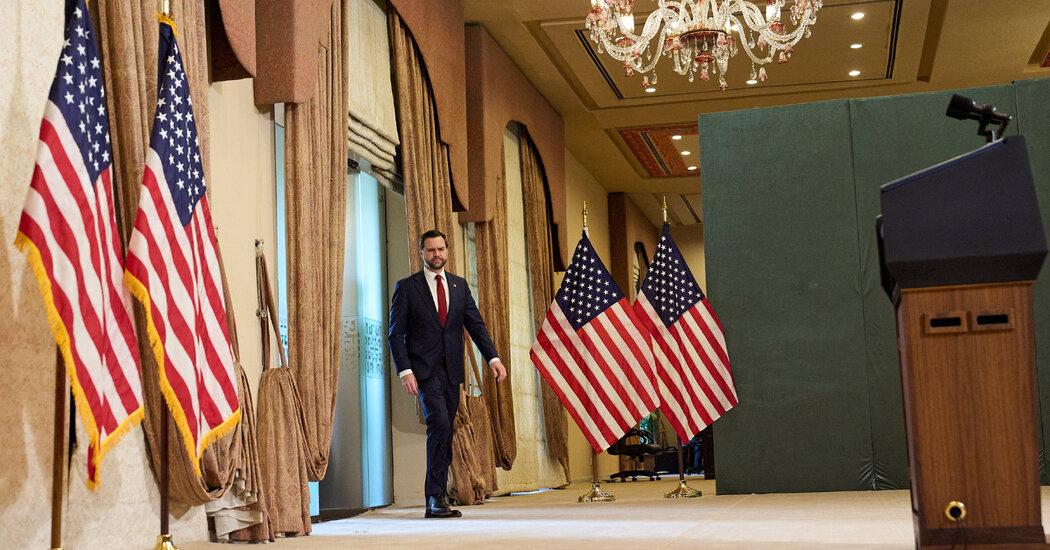
Trump Warns U.S. Will Resume Bombing If Iran Talks Fail Before Ceasefire Deadline
11 sources compared

Reuters/Ipsos Poll Finds 36% Approve Trump’s Job Performance Amid Iran War And Pope Feud
10 sources compared

Iran’s Judiciary Chief Mohseni-Eje’i Warns US-Israeli War Coalition May Strike Again
11 sources compared

Trump Says U.S. Expects a Great Deal With Iran, Won’t Extend Ceasefire Deadline
25 sources compared