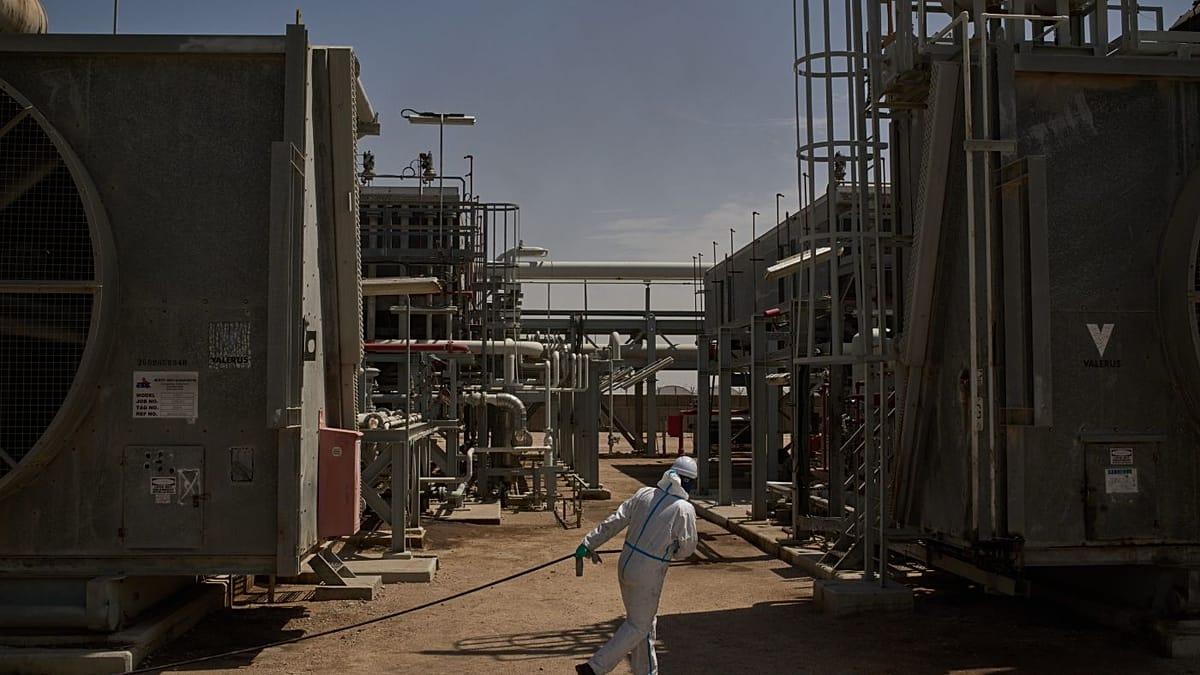
Iran President Masoud Pezeshkian Says US Naval Blockade Is Doomed To Fail
Key Takeaways
- Masoud Pezeshkian says the U.S. naval blockade of Iranian ports is doomed to fail.
- He argues the blockade violates international law and destabilizes the Gulf.
- Iran warns of escalation and possible military retaliation against U.S. pressure.
Blockade and Retaliation
Iran’s President Masoud Pezeshkian said on Thursday that a US naval blockade of Iranian ports is “doomed to fail,” warning that maritime restrictions would violate international law and deepen instability in the Persian Gulf.
“United States President Donald Trump says Washington’s blockade of Iranian ports has been a success, urging Tehran to “just give up” as pressure mounts in a deepening standoff over the Strait of Hormuz”
In his statement, Pezeshkian said, “Any attempt to impose a maritime blockade or restrictions is contrary to international law … and is doomed to fail,” adding that such measures would be “a source of tension and a disruption to lasting stability in the Persian Gulf.”

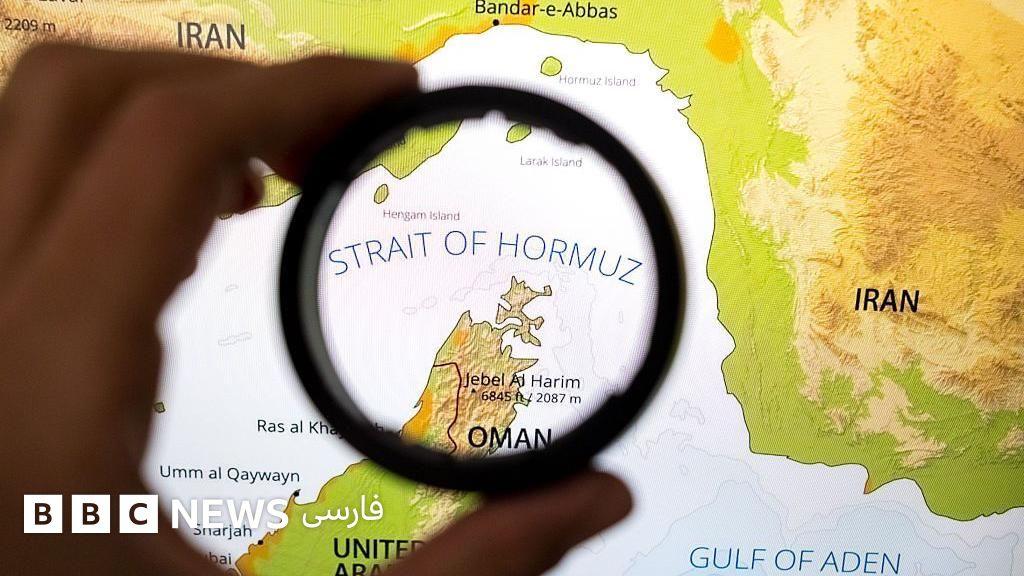
The US imposed the naval blockade on April 13, days after a ceasefire paused its war with Iran, and Tehran has kept the strategic Strait of Hormuz closed while warning of potential retaliation if the blockade continues.
Mohsen Rezaei, a military adviser to Iran’s supreme leader, reiterated the warning, stating, “We will not tolerate the naval blockade. If it continues, Iran will respond.”
Rezaei cautioned that a new round of conflict could result in US ships being sunk and soldiers killed, and he said Iran could capture a large number of US personnel if war resumes.
Iran’s stance was echoed elsewhere in the reporting, with a separate account quoting Pezeshkian warning the blockade initiated on April 13 would be “a disruption to lasting stability in the Persian Gulf.”
US Planning and Energy Shock
As Iran rejects the blockade, US officials and media accounts describe Washington preparing for a longer economic squeeze while also weighing military options.
NBC News reported that President Donald Trump will be briefed Thursday on options for the way ahead in the Strait of Hormuz and on the ground in Iran, and that Adm. Brad Cooper, the commander of U.S. Central Command, will brief Trump and his senior national security team while updating them on the continued blockade of Iran’s ports.
The same report said energy prices surged to their highest point in years, with Brent crude rising to “more than $126 a barrel at one point overnight” before falling back to around $114 a barrel early Thursday, and it said US gas prices rose to an average of “$4.30 a gallon Thursday.”
NBC News also said Trump told reporters the blockade is working well, quoting him: “The power of the blockade is incredible. They’re not getting any money from oil, and hopefully it can be worked out very soon,” and it added that Trump said, “Iran is dying to make a deal.”
CNN described Trump’s approach as a strategy to inflict “as much economic pain on Iran as possible” to force Tehran back to the negotiating table “without having to resume military strikes,” while also citing US officials’ view that Iran’s economy could only survive for another “few weeks, if not days.”
In parallel, Al Jazeera’s reporting framed the standoff as entering day 62, with the outlet noting oil prices above $120 a barrel and US petrol prices at a four-year high as pressure mounts.
Iran’s Counter-Narrative
Iran’s political and parliamentary messaging challenges the premise that the blockade will force concessions, while Iranian officials argue the pressure is not translating into immediate operational collapse.
“Locked in a standoff with Iran that will break only when economic pain is no longer tolerable, President Donald Trump may have to maintain his naval blockade against Iran for weeks — forcing serious economic consequences on the world”
Al Jazeera reported that Parliament Speaker Mohammad Bagher Ghalibaf dismissed the US campaign as ineffective, saying no oil wells have “exploded” under the US blockade and arguing the measures have only driven up global prices.
Ghalibaf also said Iran’s storage has not reached capacity and accused US officials, including Treasury Secretary Scott Bessent, of acting on “junk advice” over the policy.
In the same Al Jazeera account, the outlet said the military described its restraint so far as “intended to give diplomacy a chance,” contrasting with US claims of blockade success.
Another report quoted Pezeshkian warning that the Persian Gulf “is not an arena for imposing unilateral foreign will” and that its security “can only be ensured through the cooperation of its littoral states,” while also describing a legislative plan addressing maritime restrictions as in its final stages.
Türkiye Today added that a senior unnamed security official told Press TV that Iran’s armed forces would respond to the US blockade with a practical and “unprecedented action,” and it said Iran’s supreme leader’s military adviser Mohsen Rezaei warned that Iran may “resort to confrontation to break it.”
Numbers, Storage, and Timeframes
Multiple outlets describe a narrowing window for Iran’s oil storage and a debate over how long the blockade can be sustained, with figures tied to days and weeks.
Al Jazeera said US cutting off exports will eventually push Iran’s storage to capacity, forcing output to stop, and it added that analysts say remaining storage may cover only about “20 days of output.”

The same Al Jazeera account said any cuts are likely to be gradual, with a higher chance of acceleration into May, and it cited a senior crude oil analyst at Kpler, Muyu Xu, noting the timeline.
Gulf News framed the question as how long the US blockade of Iranian ports and the Strait of Hormuz can last, describing Washington’s strategy as shifting toward a prolonged economic squeeze and quoting US officials’ intelligence suggesting Tehran may only withstand the blockade for “weeks, if not days,” according to CNN.
New York Post reported that experts estimate Iran has at most “12 to 22 days of oil storage left,” and it said the regime has about “two to three weeks left” before it’s forced to curb production.
Türkiye Today reported that CENTCOM announced “42 ships had been turned back,” with “69 million barrels of Iranian oil, worth an estimated $6 billion,” stranded aboard “41 tankers.”
Stakes, Costs, and Next Steps
The dispute is framed as carrying escalating stakes for both global energy markets and US domestic politics, while officials and lawmakers debate war powers and costs.
“Iran warned that the US naval blockade is “doomed to fail,” as tensions escalate and Washington considers new military action, according to Al Arabiya English”
Al Jazeera’s day-62 briefing said tensions are rippling through global markets, sending oil prices above $120 a barrel and driving US petrol prices to a four-year high, and it also listed negotiation sticking points including the US blockade and the release of “$20bn in Iranian assets,” alongside Tehran’s demand for “$270bn in war reparations.”
In the US, Al Jazeera reported that Defense Secretary Pete Hegseth was asked during a congressional exchange about the cost of 60 days of conflict and replied that it was estimated at less than “$25bn so far.”
France 24 reported that Hegseth clashed with Democratic lawmakers in Congress and said that for War Powers Resolution purposes, the United States’ hostilities with Iran that started in February have “terminated,” while also noting that a midnight legal deadline loomed for Trump to secure congressional authorisation for the war.
DW reported that Hegseth argued the conflict paused when Trump announced a ceasefire, saying, “We are in a ceasefire right now, which our understanding means the 60-day clock pauses, or stops, in a ceasefire,” and it added that it was not clear whether the White House would seek authorization.
Reuters-cited reporting in DW said senior US military leaders would brief Trump later on Thursday, naming Admiral Brad Cooper and General Dan Caine, and it said the briefing was expected to focus on actions that could compel Iran to negotiate.
More on Iran
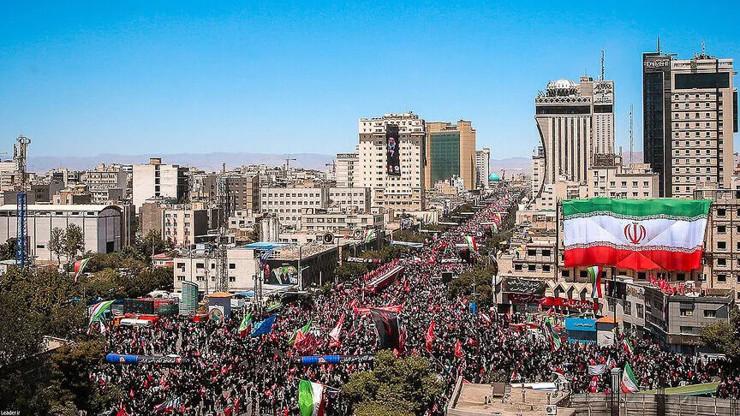
Israeli Strike Kills Ayatollah Ali Khamenei, Buried at Imam Reza Shrine in Mashhad
19 sources compared
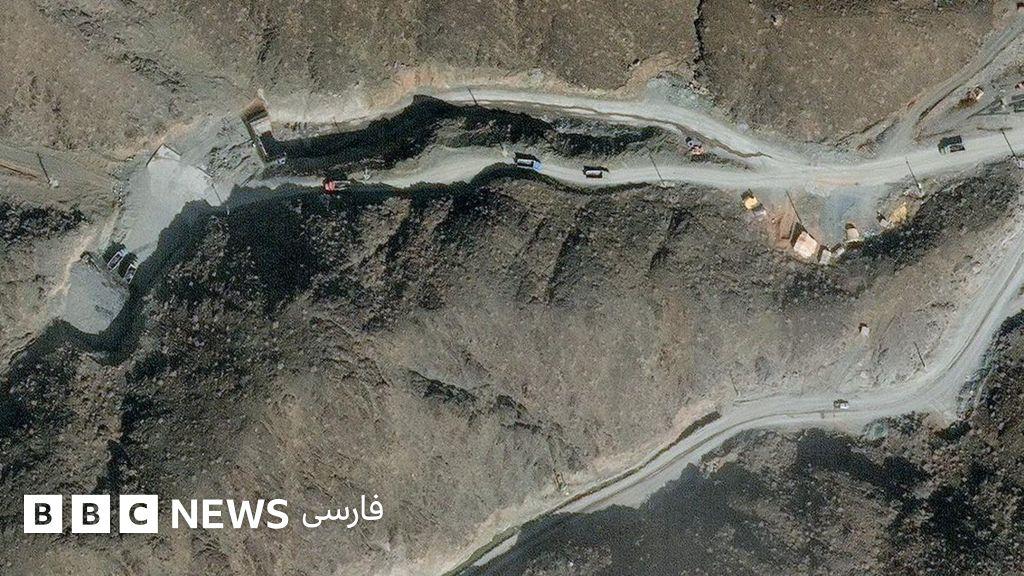
Iran Attempts To Restore Nuclear Sites Damaged In US And Israel Strikes, CNN Satellite Images Show
15 sources compared
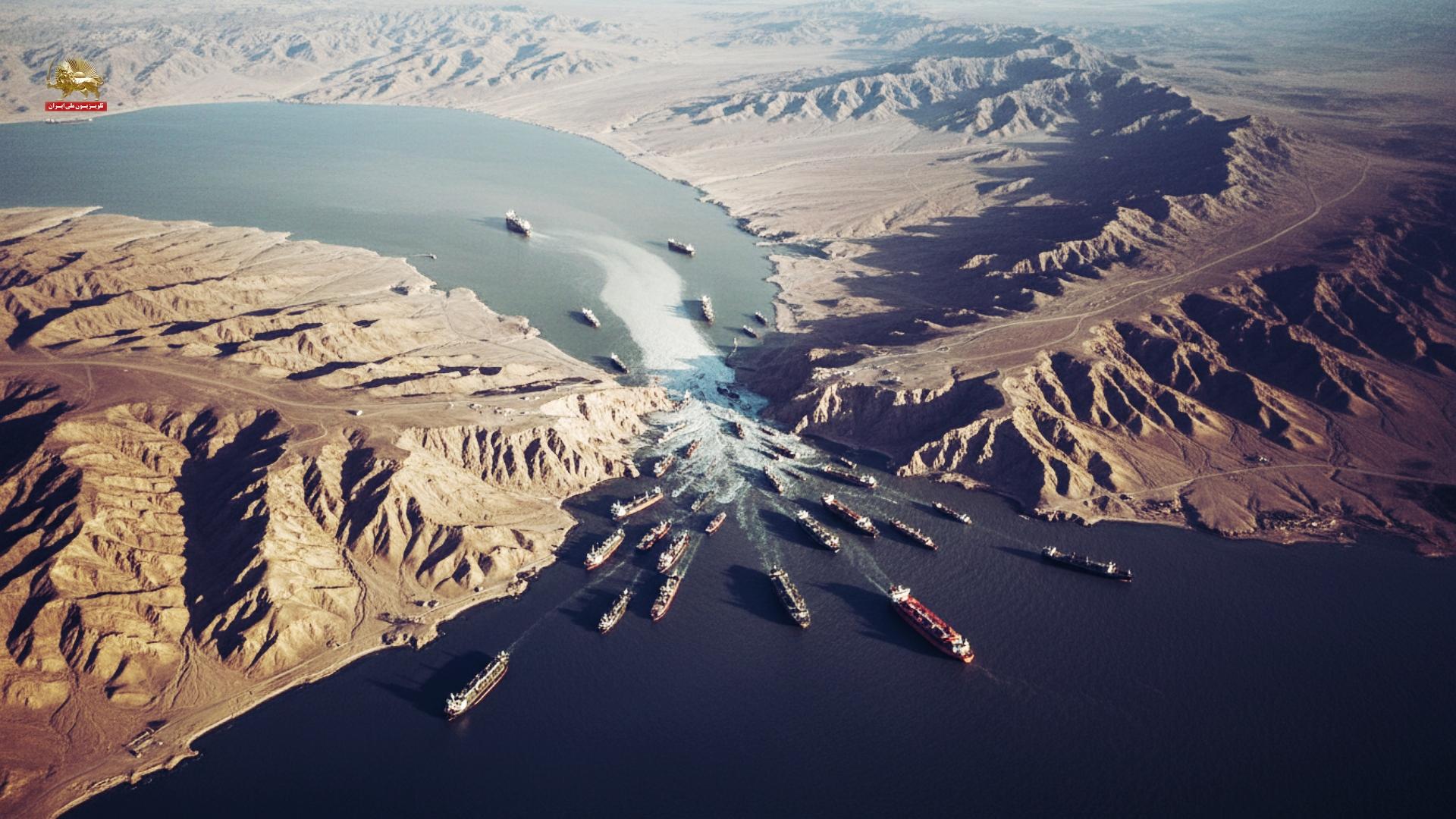
Abbas Araghchi and Prince Faisal Bin Farhan Discuss Regional Developments After US Attacks
11 sources compared

Trump Says U.S. Agreed to Continue Iran Talks, Ceasefire Is Over
19 sources compared