Full story
Hormuz transit bill
Iran is pushing legislation to bar US and Israeli ships from transiting the Strait of Hormuz, with a bill being reviewed by the National Security Committee of Iran's parliament (Majlis) on the 6th, according to Iran's state-run Fars news agency.
“is pushing legislation to ban US and Israeli ships from passing through the Strait of Hormuz”
Under the bill, vessels carrying Israel-related military and civilian cargo, as well as ships involved in military action against Iran and pro-Iran forces such as the "Axis of Resistance," would be subject to a passage ban, and countries deemed to have harmed Iran would be unable to pass through the strait until damages are paid.
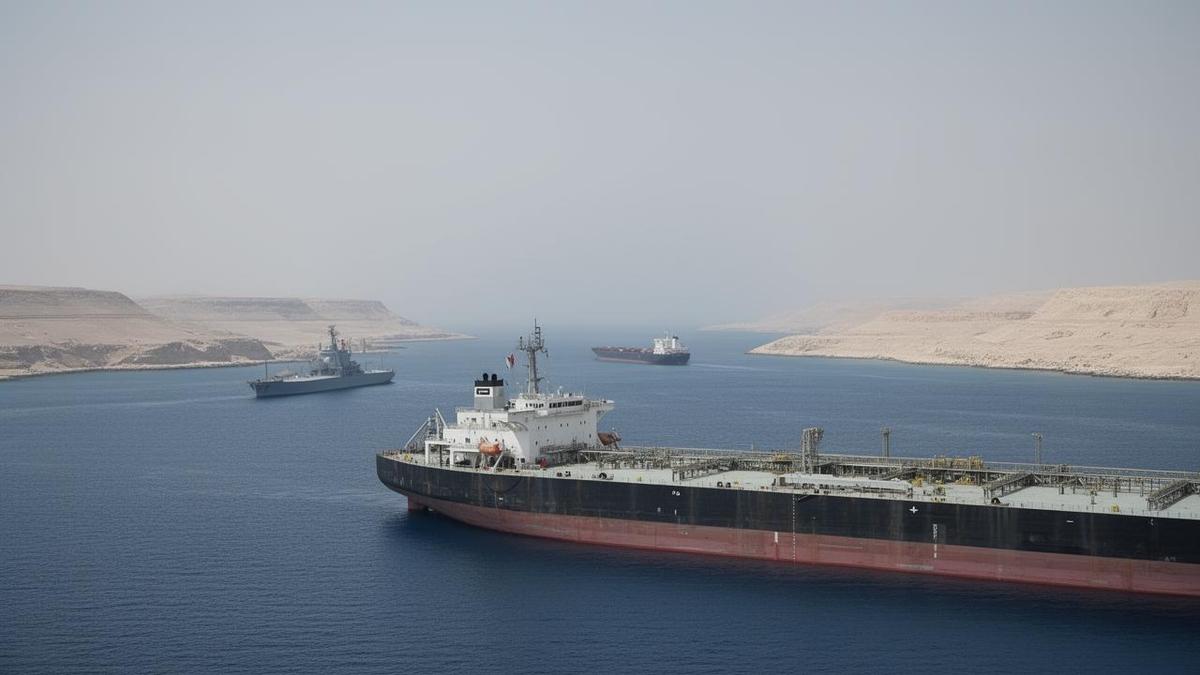
The bill also includes a provision to impose a fine of up to 20% of the value of the cargo carried by ships that violate these rules, while Iran and Oman are negotiating a strait management arrangement that Fars says would have Iran manage ships entering and jointly manage ships exiting.
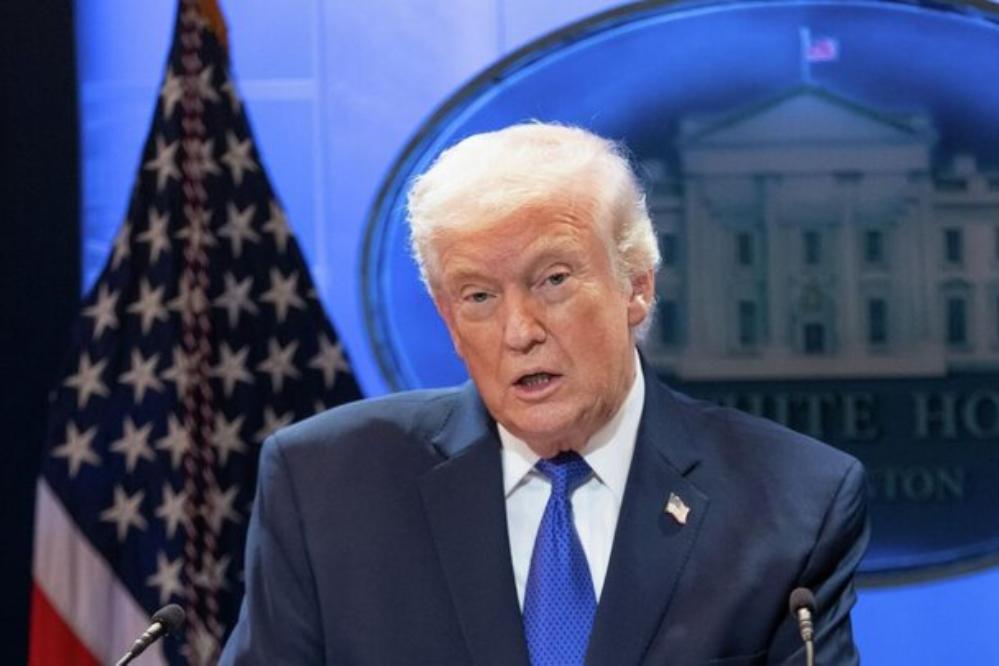
On the same day, Brent crude rose 3.8% to $82.49 per barrel as markets weighed the risk of selectively allowed passage, and President Trump argued at the White House, "The day will come again when oil prices fall."
Oman talks and US pushback
Iran and Oman are moving closer to agreeing a new system for managing traffic through the waterway, with a draft bill before Iran’s parliament that would prohibit vessels belonging to the US, Israel and other countries Tehran considers hostile from using the strait.
The proposals would also block military and civilian cargoes linked to Israel and potentially prevent countries or individuals accused of damaging Iran from transiting until compensation had been paid, with violations attracting fines of up to 20% of the value of a vessel’s cargo.

Washington has made clear that compulsory payments or Iranian approval for transit would be unacceptable, and a U.S. official told NPR on condition of anonymity, "meaning no approvals or permissions and no tolls or charges."
NPR also reported that President Trump later said the U.S. currently controls the strait through its naval blockade on Iran, while the NPR account placed the war’s start at Feb. 28 and said the Strait of Hormuz was open for shipping until then.
In the same NPR reporting, Iran said it was finalizing an agreement on shipping routes with Oman, with Foreign Ministry quotes saying ships would enter through the strait's northern corridor near the Iranian coast and exit through the southern corridor near the Omani coast.
Market stakes and wider risk
Oil prices extended gains amid further concerns around the opening of the Strait of Hormuz, as Iran, working with Oman, suggested banning vessels deemed hostile from the strait and heavily fining those which violated the proposed rules.
“Brent crude futures rose 80 cents, or 0.97%, to $83.29 a barrel”
Shafaq News said Brent crude futures rose 80 cents, or 0.97%, to $83.29 a barrel by 0303 GMT, while U.S. West Texas Intermediate futures rose 64 cents, or 0.83%, to $77.93.
Rystad Energy vice president of commodities market – oil Lin Ye said the proximate trigger was Iran's published draft plan for Hormuz transit conditions, adding, "That's not the market pricing in a bad deal, it's pricing in confirmation".
Vandana Hari, founder of oil market analysis provider Vanda Insights, said the week’s signals drove a "roller-coaster ride in market sentiment" but left the market "in the dark as to what needs to happen for the agreement to be clinched," as the proposed fees and sanctions constraints remained unresolved.
Meanwhile, the Shafaq News report tied the broader regional risk to Yemen’s Houthis, who said they carried out missile and drone attacks on "Saudi deployments" in Marib and Hadramout in Yemen on Thursday, as Trump told reporters he believed the war would be over soon.