Iran Readies “New Surprises” as U.S.-Iran Ceasefire Nears Expiration
Key Takeaways
- Ceasefire edging toward expiration; Islamabad talks reportedly to resume between U.S. and Iran.
- Iran signals readiness for escalation with new surprises and full combat alert.
- Israel doubts prospects of Iran deal and prefers resuming hostilities.
Ceasefire nears expiry
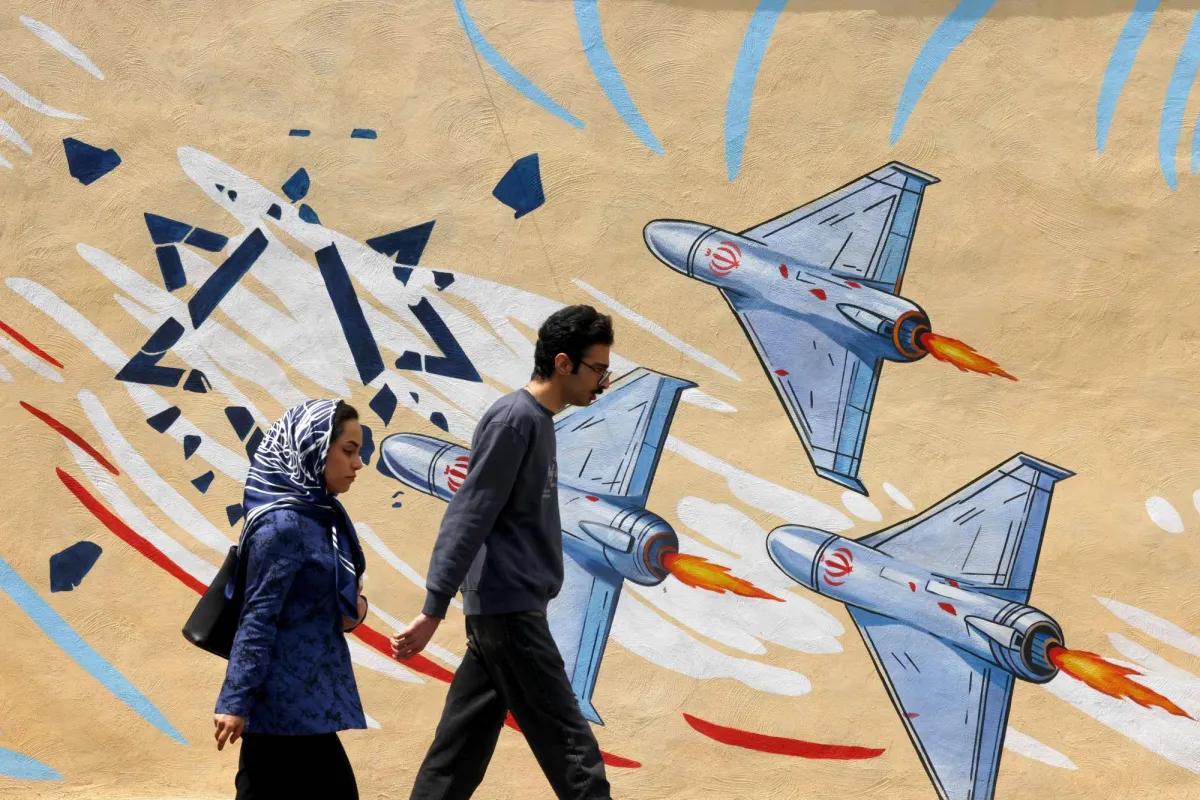
As a two-week ceasefire between Iran and the United States nears its end, Iranian-aligned outlets say Tehran has prepared for renewed fighting and is readying “new surprises” for any “new round of combat.”
“Fifty days into the U”
PressTV reported that “Iran is fully prepared for the possibility of a new war and has prepared new surprises for a potential new round of combat,” citing Tasnim News Agency and “informed sources.”

WANA News Agency similarly said that “what has been described as U.S. ‘excessive demands,’ along with the announcement of a naval blockade, has obstructed the formation of renewed negotiations,” while Iran prepared “new surprises” and “new target lists.”
The Times of Israel described the diplomatic uncertainty around the ceasefire’s end, saying Israel is doubtful that a deal will be reached and that Iran has yet to decide whether it will attend a second round of talks in Islamabad before the current ceasefire ends.
The Washington Post framed the deadline as a timing cliff, saying the two-week ceasefire “was set to expire at 0000 GMT Wednesday (8 p.m. ET Tuesday.)”.
CNBC added that the ceasefire is “set to expire on Tuesday,” and described the operational environment around the Strait of Hormuz as shipping disruptions and attacks pushed the truce toward a brink.
Across the reporting, the core theme is that the ceasefire’s final hours are approaching while both sides prepare for what comes next.
Blockade and demands
Multiple outlets tie the approach of the ceasefire deadline to disputes over U.S. maritime actions and negotiating conditions.
PressTV said “the US naval blockade announcements and Washington’s excessive demands have prevented the formation of new negotiations as the agreed ceasefire period nears its end,” and it quoted Tasnim’s framing that Iran has prepared for “any new round of imposed war.”
WANA News Agency echoed that “U.S. ‘excessive demands,’ along with the announcement of a naval blockade, has obstructed the formation of renewed negotiations,” and added that over the past two weeks Iran considered renewed conflict “a serious scenario.”
Roya News Agency reported that Iran would not allow vessels to pass through the Strait of Hormuz “unless guarantees are provided to fully lift what they described as a maritime blockade on Iran,” and it said the remarks came as the ceasefire deadline neared its “final hours.”
CNBC described the operational escalation in the same maritime arena, saying Tehran reclaimed control of the choke point after Trump refused to end the U.S. naval blockade of Iranian ports, and that shipping traffic in the Gulf “stalled once again” after vessels came under fire mid-passage.
CNBC also said the U.S. Navy fired on and seized an Iranian container ship in the Gulf of Oman, and that Trump called Iran’s actions “a ‘total violation’ of the truce.”
In the diplomatic thread, Palestine Chronicle’s live blog said Iran had not confirmed participation in Pakistan-mediated talks and insisted “negotiations cannot proceed while the US maritime blockade remains in place.”
Talks in Islamabad
While Iranian-aligned reporting emphasizes preparation for war, other sources focus on the negotiation track in Pakistan’s capital and the uncertainty around Iran’s participation.
“MENU Latest Headlines [ ‘Chief of All Cowards’: Amnesty Slams EU as Spain Pushes to Review Israel Agreement [ April 21, 2026 ] ](https://www”
The Times of Israel said Israel is doubtful that a deal will be reached between Iran and the United States and that “We and the Americans are coordinated and ready to resume the war immediately,” quoting a senior security official speaking to Kan public broadcaster.
It added that Iran is “yet to decide whether it will attend the second round of talks in Islamabad before the current two-week ceasefire ends,” and it described Israel and the U.S. preparing since the ceasefire began, including “conducting exercises involving fighter jets and refueling tankers across the Middle East.”
The Washington Post said Pakistan’s capital stands prepared for possible new talks between Tehran and Washington, and it noted that “Neither the U.S. nor Iran have publicly confirmed timing of any new talks or plans to extend the ceasefire.”
Palestine Chronicle’s live blog reported that “US delegation arrives in Islamabad as Iran has not yet confirmed participation,” and it said talks were proceeding “unilaterally so far” with Pakistan facilitating despite the absence of confirmed Iranian participation.
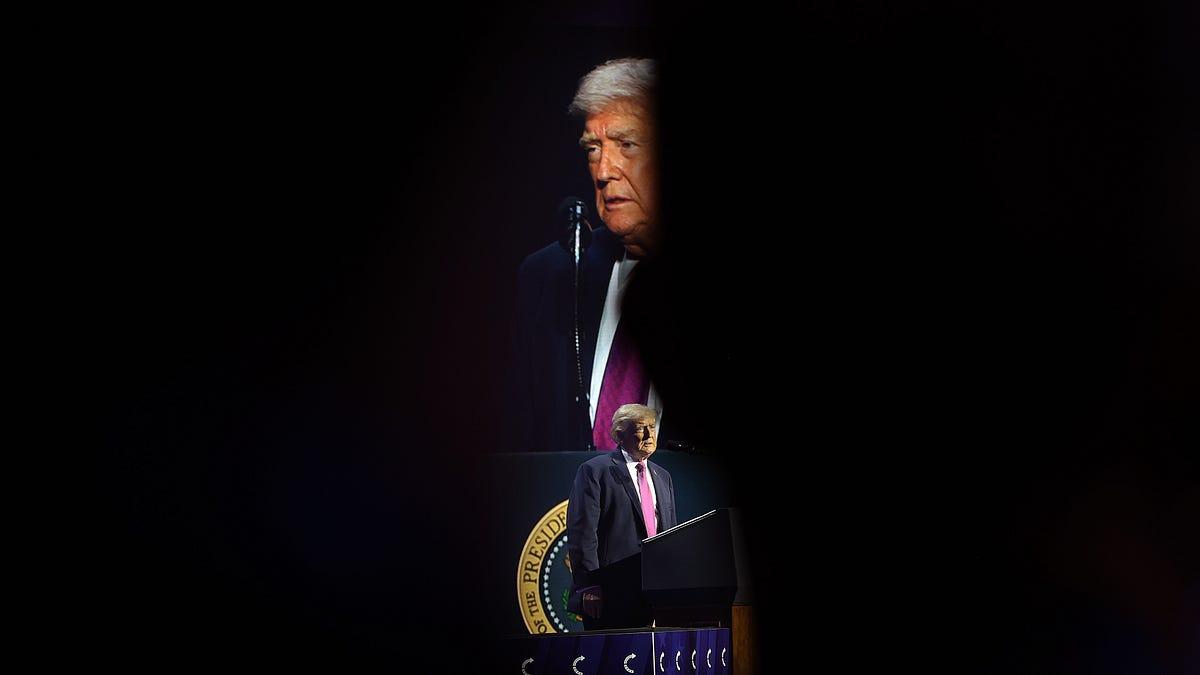
CNBC said Trump told that American and Iranian negotiators would resume talks in Islamabad on Monday, while Iranian Foreign Ministry spokesperson Esmaeil Baqaei said there was “no plan for a second round of negotiations with the U.S. for now,” per Reuters.
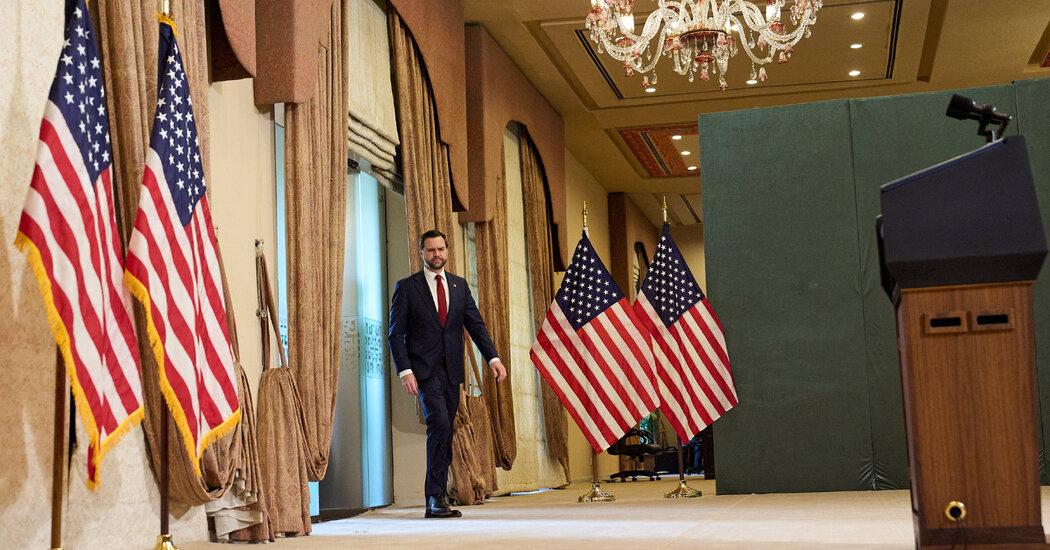
CNBC also described the first round’s failure, saying the first round of U.S.-Iran talks on April 12 between Vice President JD Vance and Iranian Foreign Minister Abbas Araghchi “failed to yield an agreement,” and it reported that Washington proposed “a 20-year pause on Iranian uranium enrichment” while Iranian leaders rejected it in favor of “five years.”
Military preparations and targets
Beyond diplomacy, the sources describe military readiness, target planning, and maritime enforcement as the ceasefire deadline approaches.
PressTV said Iran has “taken the possibility of renewed war seriously” over the past two weeks and that “some military movements and new target lists have been prepared for this purpose,” adding that Iran is ready to create “another hell” for Americans and Israelis “from the very beginning of any potential new war.”
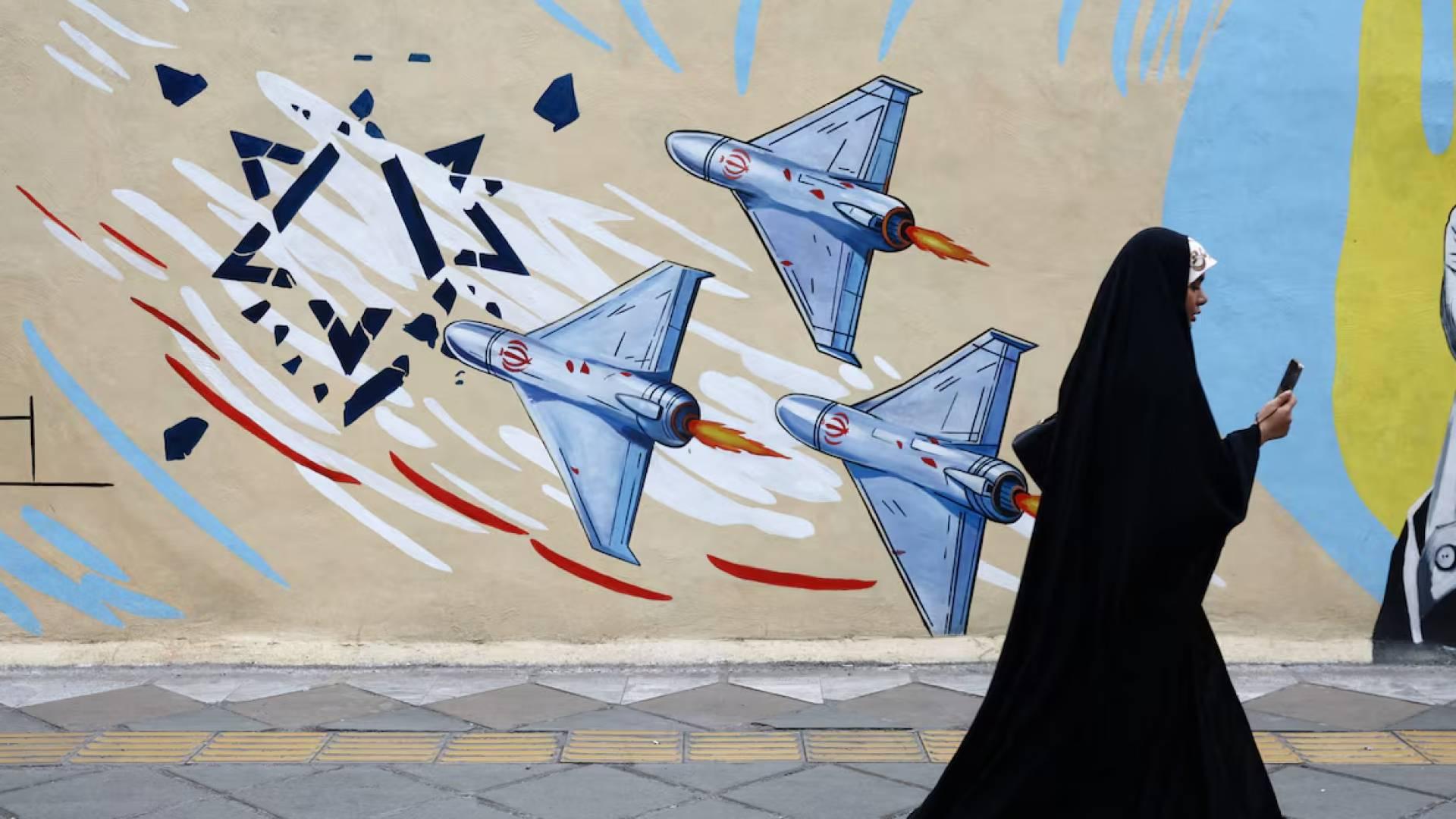
WANA News Agency similarly said certain military repositionings were carried out and “new target lists have been prepared,” and it quoted Mohammad Bagher Ghalibaf writing that “Trump, by imposing a blockade and violating the ceasefire, seeks to turn the negotiating table into a table of surrender or to justify renewed warmongering.”
The Times of Israel described Israeli and U.S. preparation for war resumption, saying joint plans and a target bank were approved during the visit of CENTCOM chief Adm. Brad Cooper to Israel last week, including strikes on “national and energy infrastructure sites across Iran.”
It further said these attacks would be intended to pressure Iran to agree to relinquish its nuclear program and enriched uranium.
Roya News Agency added a maritime dimension, reporting that maritime movement is under stricter monitoring by Iran’s Islamic Revolutionary Guard Corps navy and that “vessels will not be allowed to pass through the Strait of Hormuz” without guarantees to lift the blockade as Tehran describes it.
CNBC described the immediate operational consequences of this contest, saying the Strait of Hormuz was “effectively closed for nearly two months,” and that “13 million barrels a day of production remains shut-in,” while vessels were fired upon mid-passage and forced to withdraw.
Divergent framing and stakes
The sources diverge sharply in how they frame the same underlying confrontation, especially around whether negotiations are viable and what the next phase should look like.
“Note: AI technology was used to generate this article’s audio”
PressTV and WANA News Agency present U.S. actions as the obstacle, saying “the US naval blockade announcements and Washington’s excessive demands have prevented the formation of new negotiations,” while WANA says Iran has prepared “new cards on the battlefield” and rejects “negotiations under the shadow of threat.”

CNBC, by contrast, centers the negotiation mechanics and the economic stakes, reporting that Washington proposed “a 20-year pause on Iranian uranium enrichment” and that Iranian leaders rejected it in favor of “five years,” while also warning that the Strait of Hormuz is “effectively closed for nearly two months” and that “13 million barrels a day of production remains shut-in.”
The Times of Israel frames Israel’s posture as coordinated readiness, quoting a senior security official saying “We and the Americans are coordinated and ready to resume the war immediately,” and it describes target planning for “national and energy infrastructure sites across Iran.”
Palestine Chronicle’s live blog emphasizes Iran’s conditions for engagement, stating Tehran has not confirmed participation and that “negotiations cannot proceed while the US maritime blockade remains in place,” while also reporting that talks are proceeding “unilaterally so far.”
In the political analysis from Al-Sharq al-Awsat, Meir Ben-Shabat argues that “restarting the fighting, or the talks breaking out, is better than any agreement,” and he warns that if Trump carries out threats, the attack would shift toward striking “the state’s ability to perform its functions,” including “the power grid, energy infrastructure, central bridges and critical traffic arteries.”
The Washington Post and CNBC both stress the timing of the ceasefire’s end, with the Washington Post saying it expires at “0000 GMT Wednesday (8 p.m. ET Tuesday.)” and CNBC saying it is “set to expire on Tuesday,” but they do so while highlighting different consequences—diplomatic uncertainty versus market and shipping disruption.
More on Iran
Trump Warns U.S. Will Resume Bombing If Iran Talks Fail Before Ceasefire Deadline
11 sources compared

Reuters/Ipsos Poll Finds 36% Approve Trump’s Job Performance Amid Iran War And Pope Feud
10 sources compared

Iran’s Judiciary Chief Mohseni-Eje’i Warns US-Israeli War Coalition May Strike Again
11 sources compared

Trump Says U.S. Expects a Great Deal With Iran, Won’t Extend Ceasefire Deadline
25 sources compared