Iran Refuses To Confirm Talks In Islamabad As U.S. Seizure Intensifies Threats
Key Takeaways
- Iran refuses to confirm talks with the United States in Islamabad.
- The U.S. seized an Iranian vessel, Tehran vows retaliation and questions the talks.
- Iran and Pakistan hold repeated talks on ceasefire, with Pakistan urging continued consultations.
Ceasefire nears expiry
As a two-week U.S.-Iran ceasefire nears its end, Iran and the United States have sent sharply mixed signals about whether they will reach a deal in Islamabad.
The New York Times reported that Iran’s Foreign Ministry spokesman Ismail Baghei refused to confirm whether Iran would participate in the second round of talks to be held this week in Islamabad, saying, "That's their own business."

The same report said President Masoud Pezeshkian warned that Americans "want Iran to surrender. The Iranian people will not yield to force," while also saying there is a "deep historical mistrust" between the United States and Iran and that war did not serve either side’s interests.
The WSJ said the U.S. and Iran plan to hold peace talks in Islamabad this week as the end of the ceasefire looms, adding that a White House official said President Trump isn’t inclined to extend the deadline past Wednesday evening when it expires.
CNBC described the moment as a second attempt at reaching a peace deal with each side raising stakes ahead of a shaky ceasefire’s expiry.
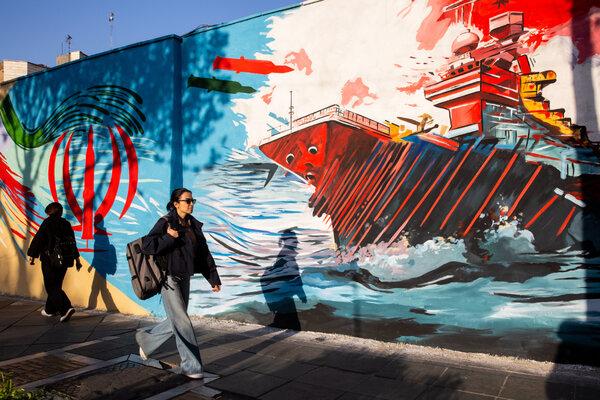
Against that backdrop, multiple outlets tied the negotiation window to the Strait of Hormuz, where the U.S. continues to blockade and where the seizure of an Iranian-flagged cargo ship has intensified threats.
CNN reported that Vice President JD Vance and top U.S. officials are expected to leave for Pakistan today ahead of a potential second round, while Iran’s Foreign Ministry called for the release of the Iranian cargo vessel seized by the US Navy and said Iran has vowed to retaliate for the seizure.
Ship seizure and blockade
The immediate flashpoint feeding into the diplomacy has been the U.S. seizure of an Iranian-flagged cargo ship near the Strait of Hormuz and the surrounding blockade dispute.
CNN said Iran’s Foreign Ministry called for the release of the Iranian cargo vessel seized by the US Navy on Sunday, as well as “its sailors, crew and their families,” and added that Iran has vowed to retaliate for the seizure.
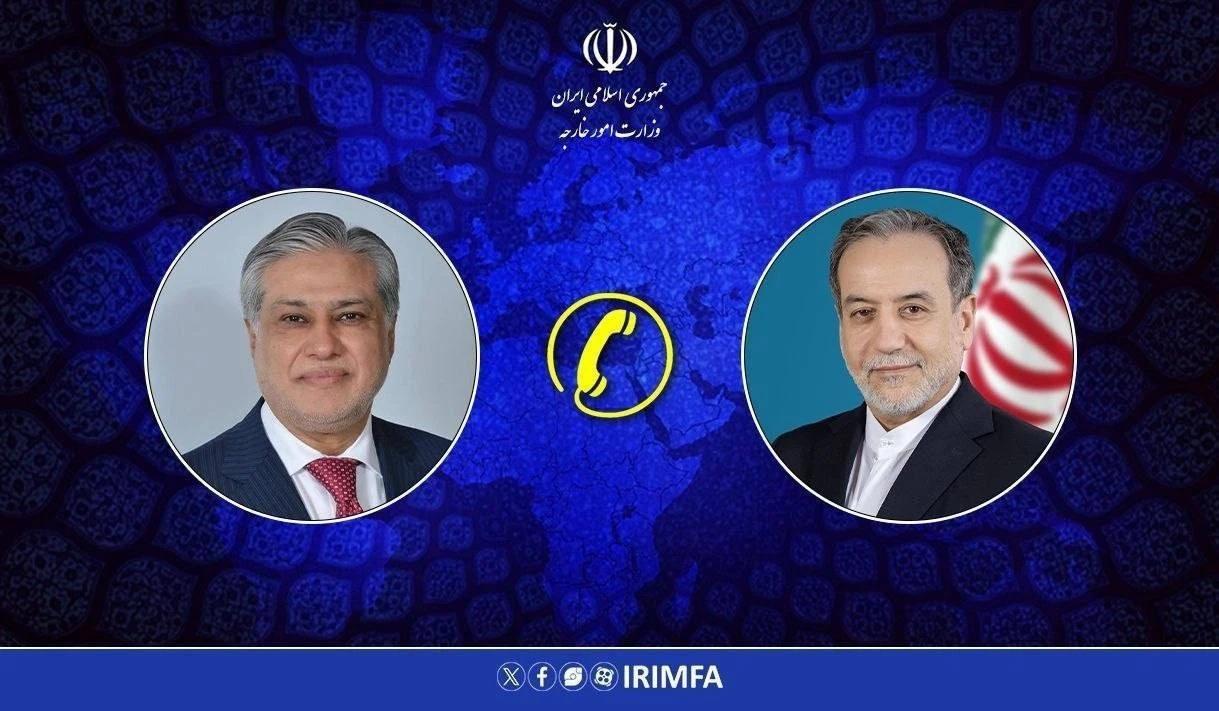
NBC News reported that Iran’s military vowed to retaliate after the U.S. Navy fired on and seized an Iranian-flagged cargo ship near the Strait of Hormuz as part of the American military blockade, while also saying Iran’s Foreign Ministry said "no decision has been made" on whether to hold new talks.
The BBC said the talks take place against the backdrop of the Strait of Hormuz, which the US continues to blockade, as well as the seizing of an Iranian-flagged cargo ship on Sunday.
In the New York Times account, the ceasefire’s tight timeline and the U.S. posture were linked to earlier threats, including Trump’s reaffirming the sea blockade and insisting Washington will gain Iran’s nuclear stockpile in any deal.
The Guardian’s framing of the wider conflict also emphasized that the U.S. and Iran have been at an intense impasse over marine traffic through the Strait of Hormuz, with Trump vowing to keep in place a blockade of Iranian ports and Tehran reasserting military control of the crucial waterway.
NBC News also described how the Iranian foreign ministry condemned the U.S. seizure of the Touska commercial vessel as “piracy” and an “act of aggression” against Iran and demanded the crew be immediately released, while stating the seizure near Iran’s coast in the Sea of Oman was “another clear breach” of the two-week U.S.-Iran ceasefire, which expires Wednesday.
Hardliners vs diplomacy
Iran’s internal political pressures and the U.S. coercive posture are portrayed by the New York Times as the reason for Iran’s “mixed signals” as talks approach.
The New York Times reported that Iranian officials privately indicated they were preparing to resume peace talks with the United States, but in public their stance was cautious and sometimes combative, accusing the White House of jeopardizing the diplomatic process.
It said Iran’s leaders distrust Washington deeply, but also recognize that reaching an agreement is crucial to alleviating the country’s severe economic crisis, while trying to signal to U.S. officials that if President Trump continues his loud rhetoric they will not enter negotiations to strengthen their negotiating hand.
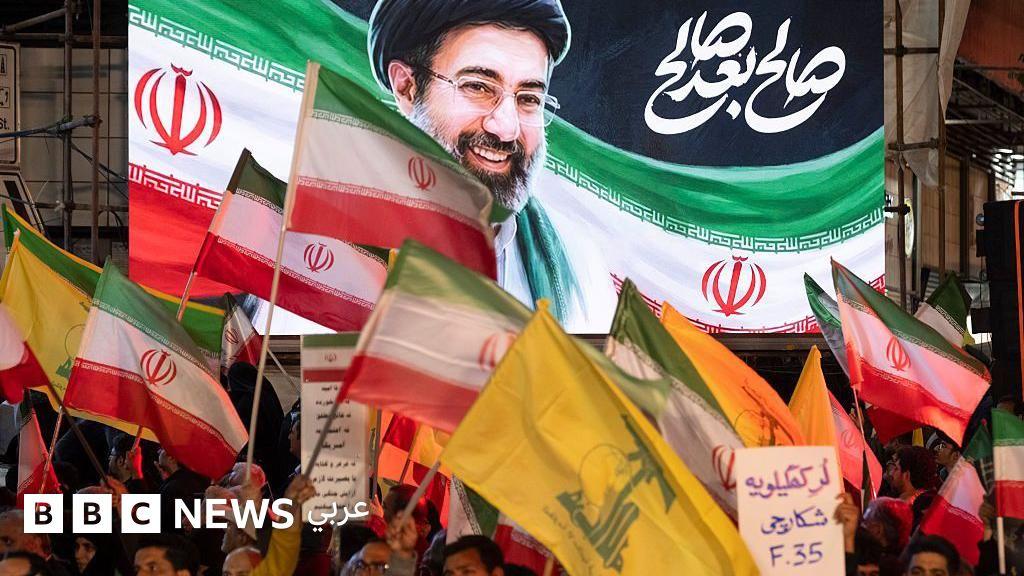
The report quoted Tehran security expert Hamid Reza Aziz, who said hardliners were rallying supporters in cities across Iran almost every night, waving rifles and shouting slogans against surrender, and described the core support base as “very hardline and ideologically driven, highly sensitive to any signs of concession.”
Aziz also said another pressure comes from Donald Trump and his willingness to persist with his coercive diplomatic posture, pointing to last weekend’s sequence when Iran’s Foreign Minister Abbas Araghchi announced Iran would reopen the Hormuz Strait and Trump announced the U.S. naval blockade would continue.
The New York Times added that less than an hour later, Trump’s announcement was followed by Iranian forces renewing the blockade of the Hormuz Strait.
It also quoted Amwajmedia.com regional news editor Mohammad Ali Shabani saying, "I think Iranians do want to reach an agreement, but Trump is too blunt—he simply wants a public victory," and Tehran University political scientist Sasan Karimi saying, 'Negotiation delegates don't even know whether they will be attacked while on the plane,' and 'They don't want to fall into traps, nor to bear pressure in negotiations, whether it's time limits or preconditions. In this situation, Iranians would rather choose war.'
Competing narratives on talks
Different outlets portray the same negotiation moment through contrasting lenses, with some emphasizing uncertainty about participation while others highlight preparations and leadership roles.
The BBC said there is a growing sense that talks in Islamabad will take place but still no confirmation from either side, while also reporting that an Iranian foreign ministry spokesperson said Iran has "no plans for the next round" of talks.
The WSJ described confusion over Tehran’s participation as rampant, saying it suggested earlier that Iranian officials might skip the discussions and that its top negotiator said it doesn’t accept negotiations “under the shadow of threats.”
CNBC similarly said Iran has repeatedly denied that it will participate, while also reporting that a delegation from Tehran plans to travel to Islamabad on Tuesday for talks, citing The New York Times and two Iranian officials.
The Guardian, by contrast, reported that JD Vance is expected to fly to Islamabad at the head of a U.S. diplomatic delegation on Tuesday if Iran agrees to further talks, and said one senior Iranian official told Reuters that Tehran was “positively reviewing” its participation.
The Guardian also said Ghalibaf later stated that Iran would not accept negotiations with the US while under threat, adding in the post on X early on Tuesday that “we have prepared to reveal new cards on the battlefield”.
The New York Times added another layer of ambiguity by saying several officials privately disclosed that Iran still planned to send a delegation to Pakistan, and that if Vice President Vance also attends, it would be led by Iran's influential parliamentary speaker Mohammad Bagher Kalibaf.
What happens next
The stakes of the next round are described in the sources as both immediate and existential, with threats of renewed attacks and a hard deadline tied to the ceasefire.
CNN quoted Malcolm Davis, Senior Analyst in Defence Strategy with the Australian Strategic Policy Institute in Canberra, saying he’s not hopeful the U.S. and Iran will come to a deal during a possible second round of negotiations in Islamabad this week because “the divide between what both countries want is too great,” and warning that if talks are inconclusive the U.S. has two main options: continue its naval blockade of the Strait of Hormuz or “go back to war fighting mode.”
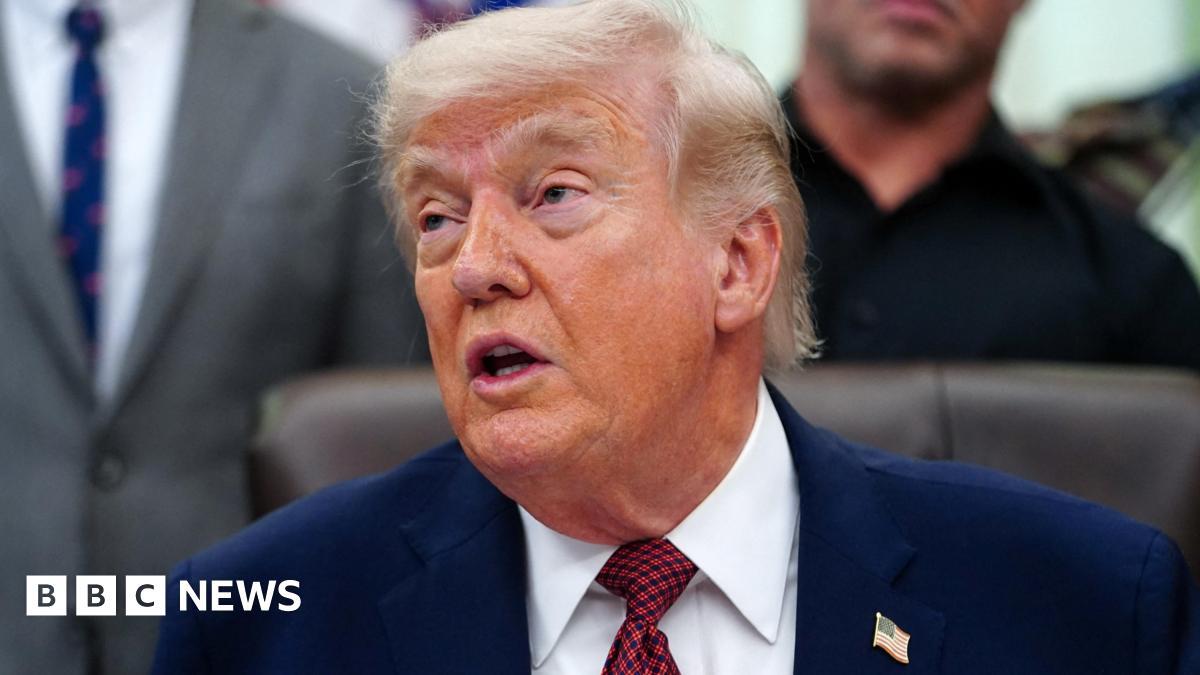
NBC News said Trump threatened to “knock out every single Power Plant, and every single Bridge, in Iran” if there is no deal, and it also reported that the ceasefire expires Wednesday.
CNBC added that Trump said it is “This is the last chance to achieve an agreement before the ceasefire expires,” and that he is unlikely to extend the Iran ceasefire beyond Wednesday evening Washington time, while also saying “I’m not going to be rushed into making a bad deal. We’ve got all the time in the world.”
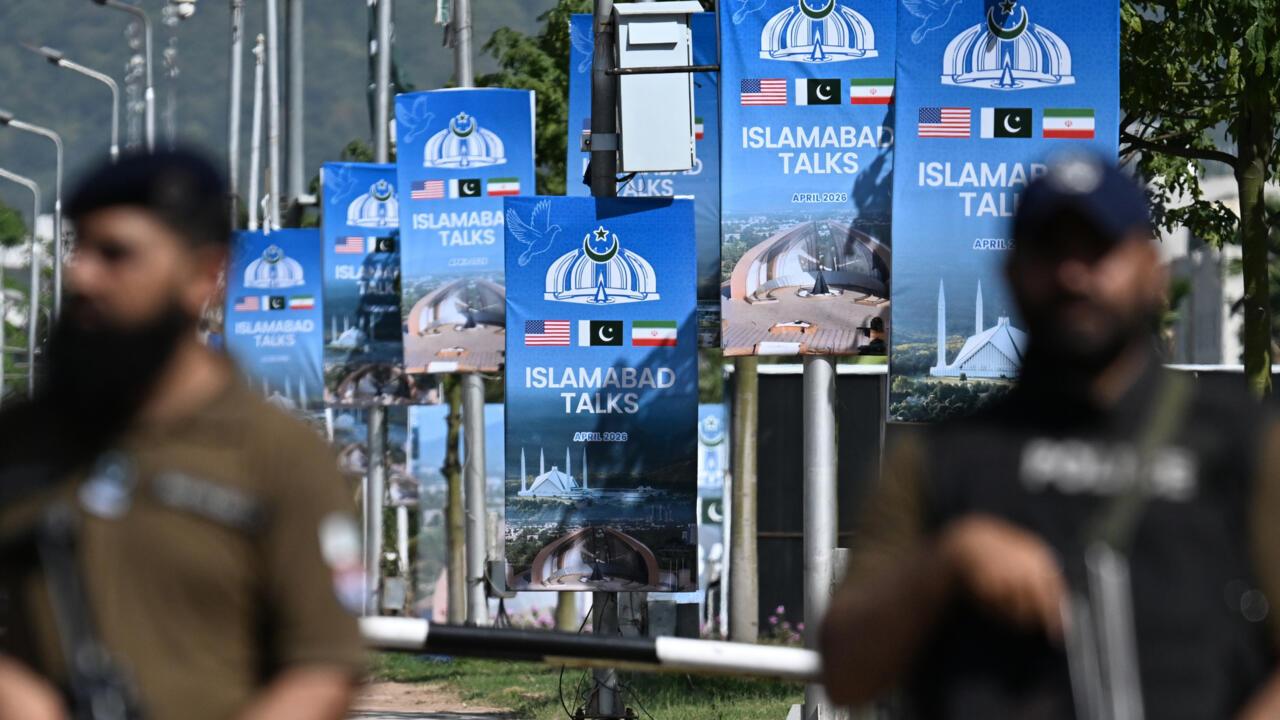
The Guardian reported that Pakistan has been preparing for possible negotiations since Sunday, setting up a security lockdown and suspending public transport in the capital, while Islamabad’s electricity board promised that power cuts would be suspended while negotiations continue.
The Guardian also reported that power cuts lasting six to seven hours a day have become typical in cities across Pakistan due to oil and gas shortages caused by the double closure of the strait of Hormuz by Iran and the US.
On the Iranian side, the New York Times said Pezeshkian warned that Americans “want Iran to surrender. The Iranian people will not yield to force,” and it also quoted Sasan Karimi saying, 'In this situation, Iranians would rather choose war.'
More on Iran
JD Vance Leads U.S. Delegation to Islamabad as U.S.-Iran Ceasefire Expires
13 sources compared
Trump Says He Faces No Pressure as U.S. Seizes Iranian Vessel Before Ceasefire Expiry Wednesday
26 sources compared
Iran Warns It Will Respond Decisively If U.S. Violates Ceasefire Before Talks in Pakistan
18 sources compared

Trump Threatens Iran With Bombs as U.S.-Iran Ceasefire Expires Wednesday
29 sources compared