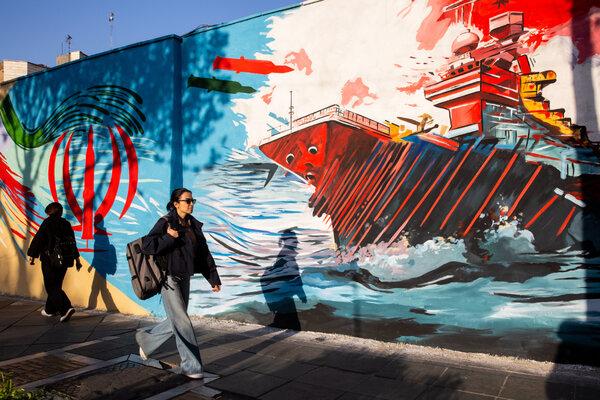
Trump Says He Faces No Pressure as U.S. Seizes Iranian Vessel Before Ceasefire Expiry Wednesday
Key Takeaways
- Trump says he is not under pressure to strike an Iran deal before ceasefire deadline.
- U.S. forces seized an Iranian vessel as the ceasefire deadline neared; Iran demands its release.
- Pakistan talks continue; Vance expected to depart for Islamabad; deal status unclear.
Ceasefire and talks loom
The Iran war and the prospect of renewed U.S.-Iran peace talks tightened Monday as President Donald Trump said he was "under no pressure whatsoever" to make a deal with Iran while the status of negotiations remained unclear.
Trump also said the intensified fighting over the weekend included U.S. forces firing on and then seizing an Iranian vessel, and he linked the diplomatic uncertainty to Tehran refusing to accept diplomacy amid the ongoing U.S. blockade of its ports and exports.

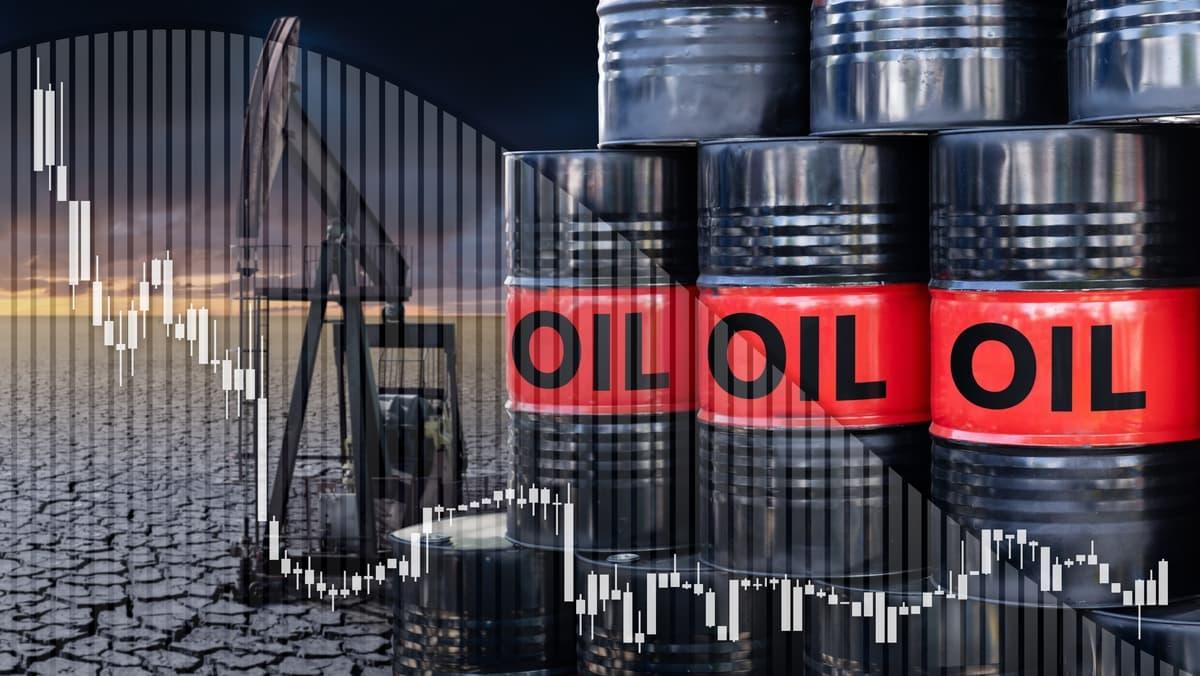
With the U.S.-Iran ceasefire set to expire Wednesday, uncertainty over when the strait might reopen was pushing global oil prices back up and weighing on U.S. stocks, according to CBS News.
Trump predicted on the John Fredericks radio show that Iran would negotiate, saying, "if they don't, they're going to see problems like they've never seen before."
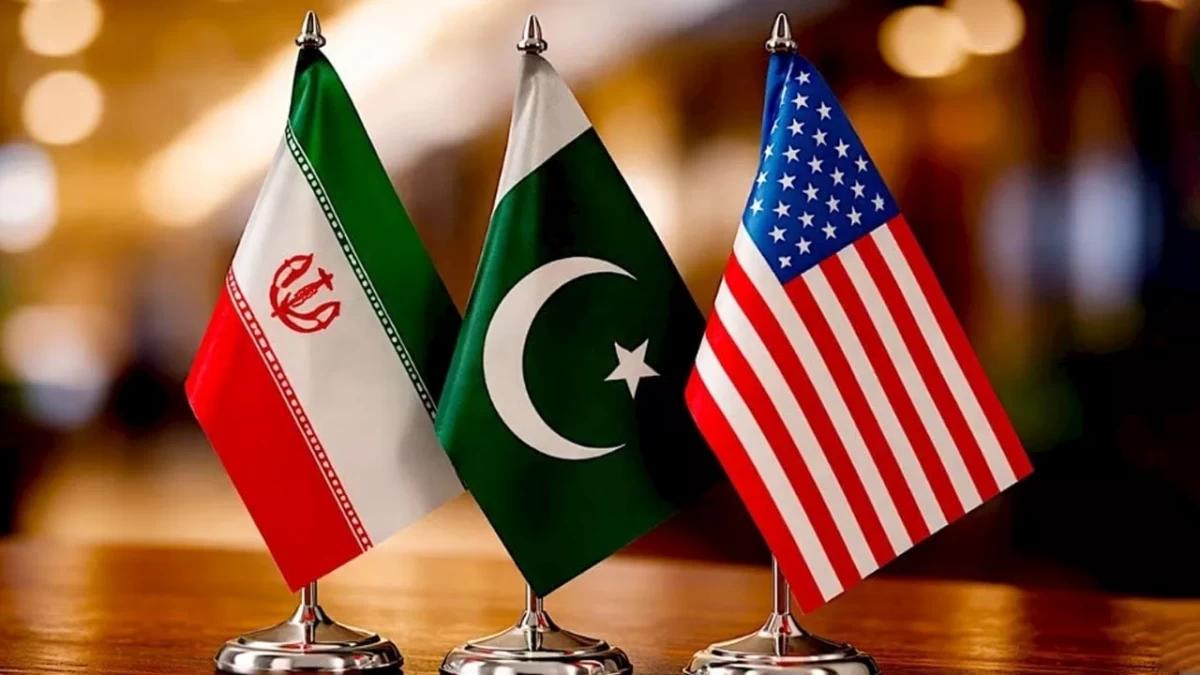
He also reiterated that he believes the Iran war is "very close to being over" and said his Vice President JD Vance, senior envoy Steve Witkoff, and son-in-law Jared Kushner would travel to Pakistan for another possible round of U.S.-Iran peace talks.
The Guardian reported that Iran’s senior commander Ali Abdollahi warned Tehran would respond decisively to renewed hostile action and said Iran would not allow Donald Trump to “create false narratives over the situation on the ground.”
In parallel, the New York Times reported that Vance was expected to return to Islamabad as the end of the two-week U.S.-Iran cease-fire drew near, while Iran had not said whether its negotiators would attend.
The same New York Times update also said the U.S. Navy had turned back 27 ships as part of its blockade of Iranian ports, underscoring how the maritime standoff remained central to the diplomatic timetable.
Iran’s stance and internal pressures
Iran’s public posture toward the next round of talks remained inconsistent as officials and leaders weighed threats of renewed conflict against the need to keep diplomacy alive.
The New York Times reported that Iran’s foreign ministry spokesman Esmail Baghaei called a possible U.S. delegation trip to Pakistan “their own business” when asked about reports of a U.S. delegation planning to travel to Pakistan.
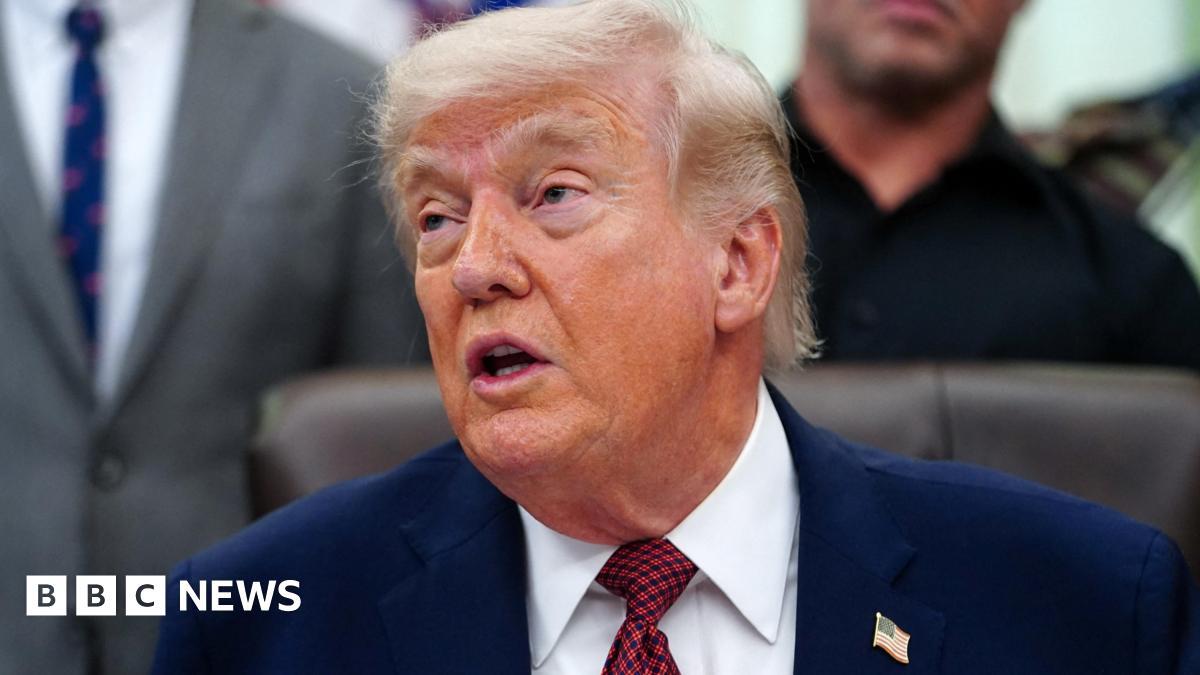
It also said Mohammad Bagher Ghalibaf, the speaker of Iran’s parliament, told reporters on Monday that Iran would not attend under threats from the United States, while President Masoud Pezeshkian warned on social media that Iranians would not “submit to force.”
In a separate report from the 纽约时报中文网, Iranian Foreign Ministry spokesperson Ismael Baghei refused to confirm whether Iran would attend the second round of talks in Islamabad, saying, "That’s their own affair."
The Chinese-language report added that Baghei said Iranian officials "have not seen any signs of serious commitment from the United States to reaching an agreement."
It also described Pezeshkian as wavering between caution and combative messaging, noting that he said there was a "deep historical mistrust" between Iran and the United States and warning that Americans "want Iran to surrender. Iranians will not yield to force."
The same report said officials privately revealed Iran still planned to send a delegation to Pakistan and that if Vice President Vance also attended, it would be led by Mohammad Bagher Kalibaf.
It further quoted Hamid Reza Azizi, a security issues expert at the German Institute for International and Security Affairs (SWP), saying Iran’s heated rhetoric reflected pressures from domestic hardliners and from Donald Trump’s coercive approach.
U.S. threats and maritime seizure
As the ceasefire deadline approached, the U.S. and Iran traded accusations and warnings that centered on maritime pressure and the seizure of an Iranian cargo ship.
“What to know about the Iran war today: - President Trump said Monday he was "under no pressure whatsoever" to make a deal with Iran after the regime said it has with Mr”
CNN reported that Iran’s Foreign Ministry called for the release of the Iranian cargo vessel seized by the US Navy on Sunday, as well as “its sailors, crew and their families,” and it said Iran vowed to retaliate for the seizure.
CNN also said Trump stated the ceasefire with Iran ends “Wednesday evening Washington time,” adding it’s “highly unlikely” he would extend it if a deal is not reached before then.
The CNN account described the U.S. Navy firing on and seizing the Iranian-flagged ship Sunday after it tried to get past the U.S. naval blockade in the Gulf of Oman, and it said Iran’s Foreign Ministry called the seizure “extremely dangerous” and “criminal” in a Tuesday statement.
In the same CNN report, Iran said the cargo was worth “millions,” without specifying what the cargo was, and it insisted, “It is also clear that full responsibility for any further escalation in the region lies with the United States.”
The CBS News update similarly tied the intensified weekend to U.S. forces firing on and then seizing an Iranian vessel, while noting Tehran refused to accept diplomacy amid the ongoing U.S. blockade of its ports and exports.
The New York Times described a tense calm in the Strait of Hormuz on Monday, a day after the U.S. Navy seized and boarded an Iranian cargo ship in the nearby Arabian Sea, and it said the United States and Iran remained at an impasse over marine traffic through the strait.
NBC News added that Iran condemned the U.S. seizure of an Iranian cargo ship, demanding its immediate release and vowing retaliation, and it said the American naval blockade had added to tensions around the crucial Strait of Hormuz.
Iran’s “new cards” and readiness
Iran’s leadership and military commanders framed the period ahead of the ceasefire expiration as a readiness test, warning that any renewed hostile action would trigger an immediate response while insisting the U.S. was shaping narratives.
The Guardian quoted Ali Abdollahi, commander of the Khatam al-Anbiya Central Headquarters, saying Iran’s armed forces were ready to deliver an “immediate and decisive response” to any renewed hostile action by its adversaries.

The Guardian also reported Abdollahi said Tehran had the upper hand militarily, including in the management of the strait of Hormuz, and would not allow Donald Trump to “create false narratives over the situation on the ground.”
NBC News similarly said Iran’s top negotiator warned that Tehran had prepared “new cards on the battlefield,” as it signaled ahead of the ceasefire deadline that it was ready if the war resumed.
NBC News also reported that Iran’s armed forces promised a “decisive” and “immediate” response to any renewed attacks from the U.S. or Israel.
In the same NBC News live update, the report said Iran’s judiciary chief Gholam-Hossein Mohseni-Ejei told Mehr News that the possibility of the enemy resuming attacks was not low and that Iran must be 100% prepared.
NBC News also quoted Mohseni-Ejei saying the American regime’s blockade of Iran’s ports and coastlines, as well as its seizure of an Iranian commercial vessel in the waters of the Oman Sea, was a violation of the ceasefire and an example of a war crime.
NBC News further quoted Maj. Gen. Abdollahi saying the armed forces would not allow misuse or false and misleading narratives about the situation on the ground, especially regarding the management and control of the Strait of Hormuz, and it referred to Trump as “lying and delusional.”
Energy stakes and global impact
The dispute over Iran and the Strait of Hormuz carried immediate energy and economic stakes as multiple outlets connected the conflict to global markets and shipping.
CBS News said uncertainty over when the strait might reopen was pushing global oil prices back up and weighing on U.S. stocks, linking the ceasefire uncertainty to market volatility.

NBC News reported that the war in Iran was causing the biggest energy crisis in history, quoting Fatih Birol of the International Energy Agency as saying, “This is indeed the biggest crisis in history,” and adding that the crisis was already huge when combining “the petrol crisis and the gas crisis with Russia.”
NBC News also said the war choked up maritime traffic in the Strait of Hormuz, calling it a conduit for a fifth of global oil and liquefied natural gas flows, and it said the conflict came on top of Russia’s war with Ukraine, which had severed Russian gas supplies to Europe.
In the same NBC News update, it quoted Birol as saying earlier this month he viewed the current situation in global energy markets as worse than previous crises in 1973, 1979 and 2022 combined.
The San Juan Daily Star report tied the diplomatic uncertainty to the Strait of Hormuz as well, saying the two-week truce that went into effect April 8 was being tested in the Strait of Hormuz, a vital waterway for oil and gas that Iran has sought to control, prompting the United States to blockade Iranian ports.
It also said a U.S. Navy destroyer fired on an Iranian cargo ship Sunday after it defied that blockade, and it said Trump said U.S. forces seized it.
The Guardian, meanwhile, reported that Trump saw the resumption of shipping levels in the strait of Hormuz to pre-war levels as a priority, and it said he threatened to resume bombing if an agreement was not reached by Wednesday’s deadline.
More on Iran
Iran Refuses Talks in Islamabad, Warns US and Israel of Response After Strait of Hormuz Seizure
31 sources compared
Iran Warns It Will Respond Decisively If U.S. Violates Ceasefire Before Talks in Pakistan
18 sources compared
Trump Says He Faces No Pressure as U.S. Seizes Iranian Vessel Near Strait of Hormuz
25 sources compared

Trump’s Iran War Accelerates U.S. Alliance Breakup With The World
11 sources compared