Trump Says He Faces No Pressure as U.S. Seizes Iranian Vessel Near Strait of Hormuz
Key Takeaways
- U.S. seizes Iranian cargo ship in the Strait of Hormuz; Iran vows retaliation.
- Trump says he is not under pressure to strike a deal with Iran.
- A second round of US-Iran talks is anticipated in Pakistan before the ceasefire deadline.
Ceasefire, talks, and threats
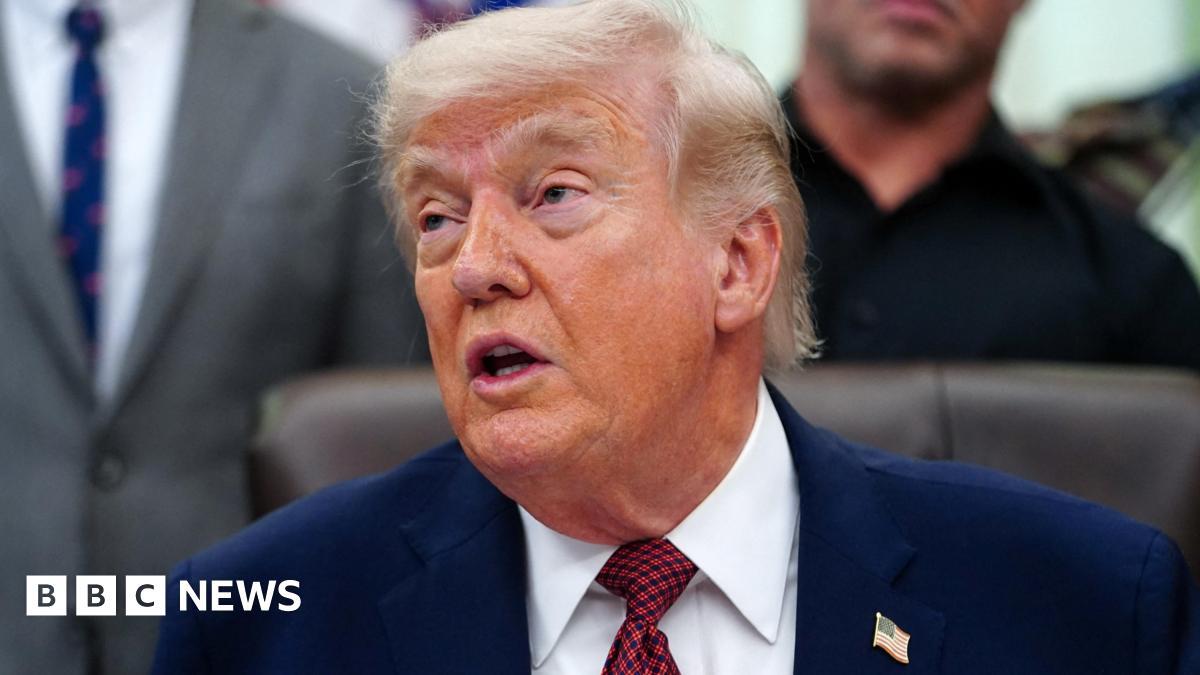
As a U.S.-Iran ceasefire deadline approached, President Donald Trump said Monday that he was "under no pressure whatsoever" to make a deal with Iran, even as the status of peace talks remained unclear.
CBS News reported that Trump said he was "under no pressure whatsoever" after the regime said it has with Mr. Trump's top three negotiators, including Vice President JD Vance.

The intensified fighting over the weekend included U.S. forces firing on and then seizing an Iranian vessel, while Tehran refused to accept diplomacy amid the ongoing U.S. blockade of its ports and exports, according to CBS News.
NBC News said Iran’s military vowed to retaliate after the U.S. Navy fired on and seized an Iranian-flagged cargo ship near the Strait of Hormuz as part of the American military blockade.
NBC News also reported that Trump threatened to "knock out every single Power Plant, and every single Bridge, in Iran" if there is no deal.
CNN reported that Iran’s Foreign Ministry called for the release of the Iranian cargo vessel seized by the US Navy on Sunday, as well as “its sailors, crew and their families,” and that Iran has vowed to retaliate for the seizure.
With the ceasefire set to expire Wednesday, uncertainty over whether the strait might reopen was pushing global oil prices back up and weighing on U.S. stocks, CBS News reported.
Seized ship and blockade
The dispute sharpened around the seizure of an Iranian-flagged cargo vessel as the U.S. maintained a blockade near the Strait of Hormuz.
CNN reported that the U.S. Navy fired on and seized the Iranian-flagged ship Sunday after it tried to get past the US naval blockade in the Gulf of Oman, according to President Donald Trump.
CNN added that footage released by the military showed a guided-missile destroyer firing on the vessel and Marines rappelling from helicopters onto its deck.
NBC News said the Iranian foreign ministry condemned the U.S. seizure of an Iranian-flagged cargo ship, describing it as “piracy” and an “act of aggression” against Iran and demanding the crew be immediately released.
NBC News further reported that the ministry called the Sunday night seizure of the Touska commercial vessel an “illegal and brutal act” that “constitutes piracy and a terrorist action.”
NBC News also quoted the Iranian foreign ministry saying it had brought the matter to the attention of the United Nations and that “Clearly, full responsibility for any further escalation in the region lies with America,” it said.
In parallel, the BBC reported that the talks took place against the backdrop of the Strait of Hormuz, which the US continues to blockade, as well as the seizing of an Iranian-flagged cargo ship on Sunday.
Iran rejects talks under threats
Iran’s stance toward negotiations hardened as the ceasefire deadline neared, with Iranian officials insisting they would not bargain under pressure.
“Live updates: US-Iran talks in question as ceasefire is set to expire Pakistani authorities have begun tightening security in the capital, Islamabad, ahead of a possible second round of ceasefire talks between the United States and Iran”
AP News reported that Mohammed Bagher Qalibaf, Iran’s chief negotiator and parliament speaker, wrote in a post on X early Tuesday that “We do not accept negotiations under the shadow of threats,” and the Islamic Republic has been preparing “to reveal new cards on the battlefield.”
News18 likewise said Iran rejected negotiations “under the shadow of threats,” with Ghalibaf accusing Trump of turning peace talks into a “table of surrender” amid US blockade.
CNN reported that Gholamhossein Mohseni Ejei, Head of Iran’s judiciary, said Tehran must “maintain 100% readiness” in case the US launches new attacks, according to a video posted by Iranian state-affiliated media Fars.
CNN also reported that in a separate video posted by Fars, Ejei said Iran will respond to the US seizure of the Iranian-flagged cargo ship in the Gulf of Oman Sunday, calling it a “violation” of the ceasefire.
The Guardian’s briefing described Tehran’s mistrust, saying “Iran’s foreign ministry spokesperson” had said the US demands were “unserious,” and it quoted Esmail Baghaei saying “Iran thinks it’s winning,” while Patrick Wintour told the Guardian that the strait of Hormuz is an “incredible asset” because it has “seized up so much of the world economy.”
The BBC reported that on the Iranian side, an Iranian foreign ministry spokesperson said Iran has "no plans for the next round" of talks, while President Masoud Pezeshkian said "every rational and diplomatic route should be used to reduce tensions".
What talks would cover
Even as the parties argued over whether negotiations should proceed, multiple outlets described the issues likely to be at stake in any second round.
The Guardian’s briefing said two main issues need to be unlocked in talks, beginning with “the longstanding nuclear dispute: what happens to Iran’s stockpile of highly enriched uranium? and will Iran retain the right to enrich uranium on its own soil?”

It added that “There’s a debate over how long there should be a suspension of that – mainly whether it would be for five years, or more like 20.”
The Guardian also stated that Iran is still believed to possess around 440kg of uranium enriched to about 60%.
CBS News reported that Trump said recovering Iran's uranium would be "long" and "difficult" and quoted his Truth Social post about “Operation Midnight Hammer” and “Nuclear Dust sites in Iran.”
CNN quoted Malcolm Davis saying there is “no easy path toward success” and that he’s not hopeful for a deal in Islamabad because “the divide between what both countries want is too great.”
CBS News also said Trump warned that if Iran does not negotiate, “they're going to see problems like they've never seen before,” and that he believes the Iran war is "very close to being over."
Oil markets and security
As diplomacy remained uncertain, markets and security planning reflected the stakes of the Strait of Hormuz standoff.
“There's a growing sense that talks between Iran and the US in Islamabad will take place, chief international correspondent Lyse Doucet reports, but still no confirmation from either side”
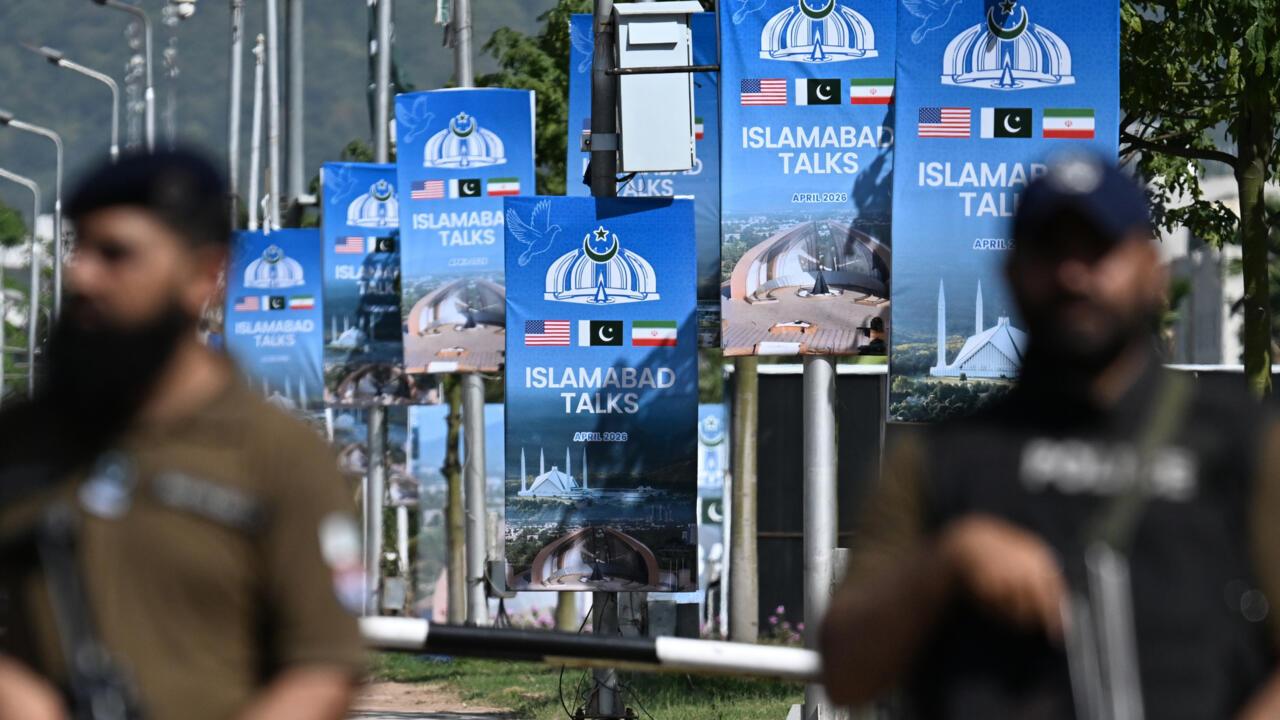
The Associated Press reported that Pakistani authorities began tightening security in Islamabad ahead of a possible second round of ceasefire talks between the United States and Iran, with witnesses and officials saying thousands of security personnel deployed across the capital.
AP said security arrangements appeared stricter than those put in place during the first round of talks held in the capital on April 11 and 12.
AP also reported that Iran state TV issued an on-screen alert saying that “no delegation from Iran has visited Islamabad ... so far” as speculation about possible talks with the United States grew.
NBC News reported that the price of oil jumped sharply and stock futures tumbled as renewed tensions over the critical Strait of Hormuz trade route added to days of dramatic ups and downs.
صحیفة عاجل reported that oil prices slipped as expectations grew for peace talks this week that would allow more supply to flow from the Middle East, and it gave specific figures including Brent crude futures falling to $94.53 a barrel and WTI May futures falling to $88.07 a barrel.
مجله رواد الأعمال reported similar figures and cited Citi analysts saying they leaned toward signing a memorandum of understanding or extending the ceasefire this week.
More on Iran
JD Vance Leads U.S. Delegation to Islamabad as U.S.-Iran Ceasefire Expires
13 sources compared
Trump Says He Faces No Pressure as U.S. Seizes Iranian Vessel Before Ceasefire Expiry Wednesday
26 sources compared
Iran Warns It Will Respond Decisively If U.S. Violates Ceasefire Before Talks in Pakistan
18 sources compared

Trump Threatens Iran With Bombs as U.S.-Iran Ceasefire Expires Wednesday
29 sources compared