Yemen10 September, 20262 min read
Iran Rejects Rubio’s Yemen Proxy Claims, Says Ansarallah Takes Orders From No One
This article is an automated aggregation of coverage from news outlets. Our editorials offer in-depth analysis curated by the NewsCord team.
Ansarallah are independent Yemeni actors, not proxies for Iran. Iran says Rubio's claim is false; Houthis take orders from no one.

7 outlets told this the same way.
Rubio vs Ansarallah
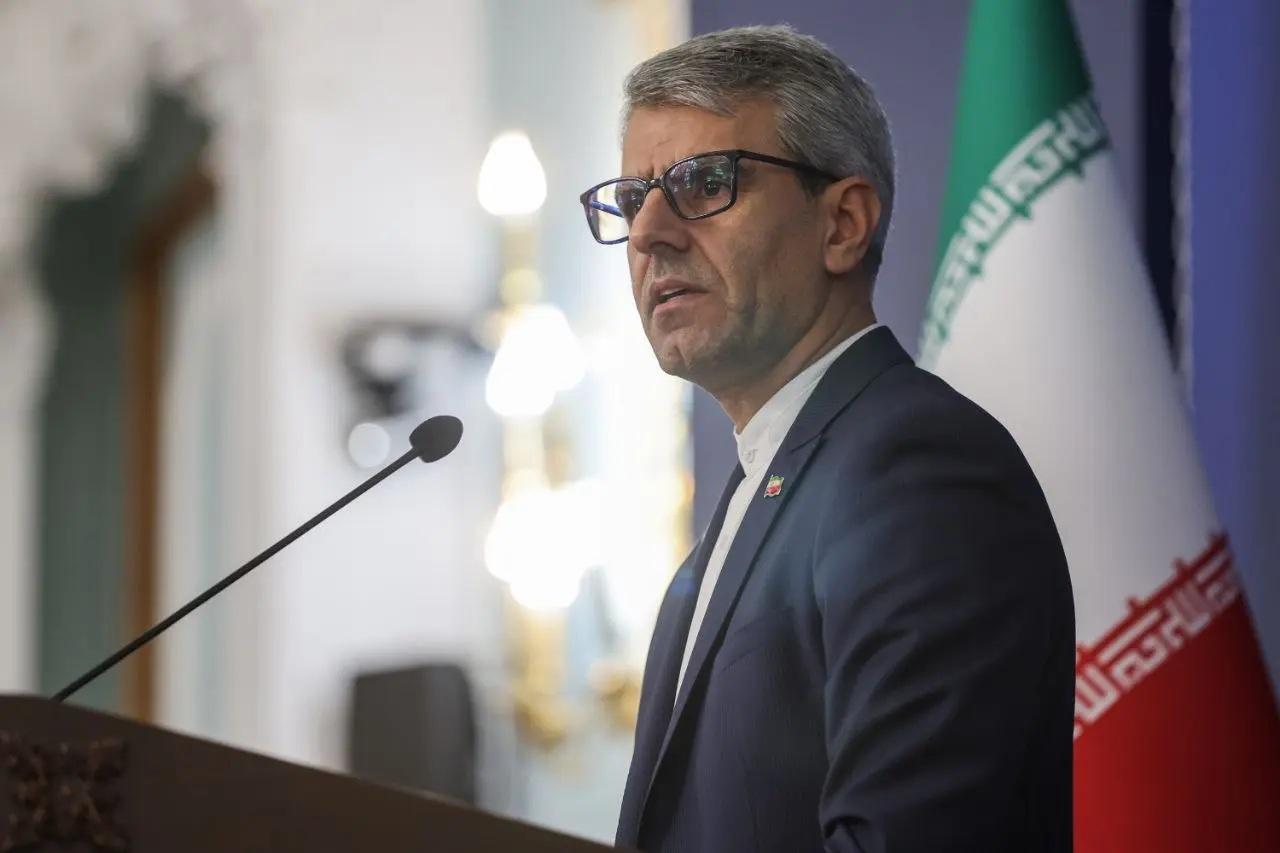
Iranian Foreign Ministry spokesperson Esmail Baghaei rejected US Secretary of State Marco Rubio’s remarks on Yemen, saying in a post on X that “Ansarallah is an independent Yemeni actor that makes its own decisions; it takes orders from no one and acts as nobody’s proxy.” Baghaei argued that “The roots of instability in the region lie in US military interventions and hegemonic policies,” linking the dispute to what the sources describe as US involvement in the 2015 Saudi-led war and siege.
The exchange follows Rubio’s Tuesday comments blaming Iran for Yemeni strikes on Saudi Arabia, where he said “the Iranian hand” was behind attacks launched by Yemeni forces against Saudi targets. In response to the same US framing, Baghaei said peace in Yemen “cannot be imposed through bombs and external pressure,” adding that it “begins with genuine negotiations based on the roadmap agreed by the parties.”
US allegations and rebuttal
PressTV and نورنیوز both describe Baghaei’s rebuttal as a rejection of “rehashed Yemen remarks” and renewed US allegations against the Islamic Republic concerning Yemen. Baghaei’s post on X, as quoted by multiple outlets, repeats that “Rubio’s lies cannot replace facts,” while insisting that Ansarallah takes orders from no one and acts as nobody’s proxy.
The News18 account places Rubio’s Tuesday claim in context of escalation between the Houthis and the Saudi-led coalition, and it quotes Rubio saying there was clearly an “Iranian hand” behind the latest Houthi attacks on Saudi Arabia. In the same News18 framing, Baghaei argued that “Peace in Yemen cannot be imposed through bombs and external pressure,” and said it should instead begin with “genuine negotiations” based on a roadmap agreed by the parties.
Negotiations and regional stakes
Baghaei’s statements, as carried by The Tribune and Middle East Eye, tie the path forward for Yemen to ending external intervention and treating the group as independent rather than a proxy.
The Tribune reports Baghaei saying “Peace in Yemen cannot be imposed through bombs and external pressure. It begins with genuine negotiations based on the roadmap agreed by the parties,” while also urging Washington to withdraw its military involvement if it seeks stability.
The Tribune also recounts Rubio’s remarks to reporters before departing for South America, including that “The Houthis, in many ways, are agents and proxies of the Iranians,” and that “Behind some of this is clearly the Iranian hand.”
As described in The Tribune’s account of the broader conflict, Saudi Arabian officials reported Houthi strikes targeting civilian and economic sites across Abha, Khamis Mushait, Jizan, and Najran, resulting in at least 73 civilian injuries, and the coalition spokesman Major-General Turki al-Maliki condemned the strikes as a “dangerous escalation” and a “blatant violation” of Saudi sovereignty.