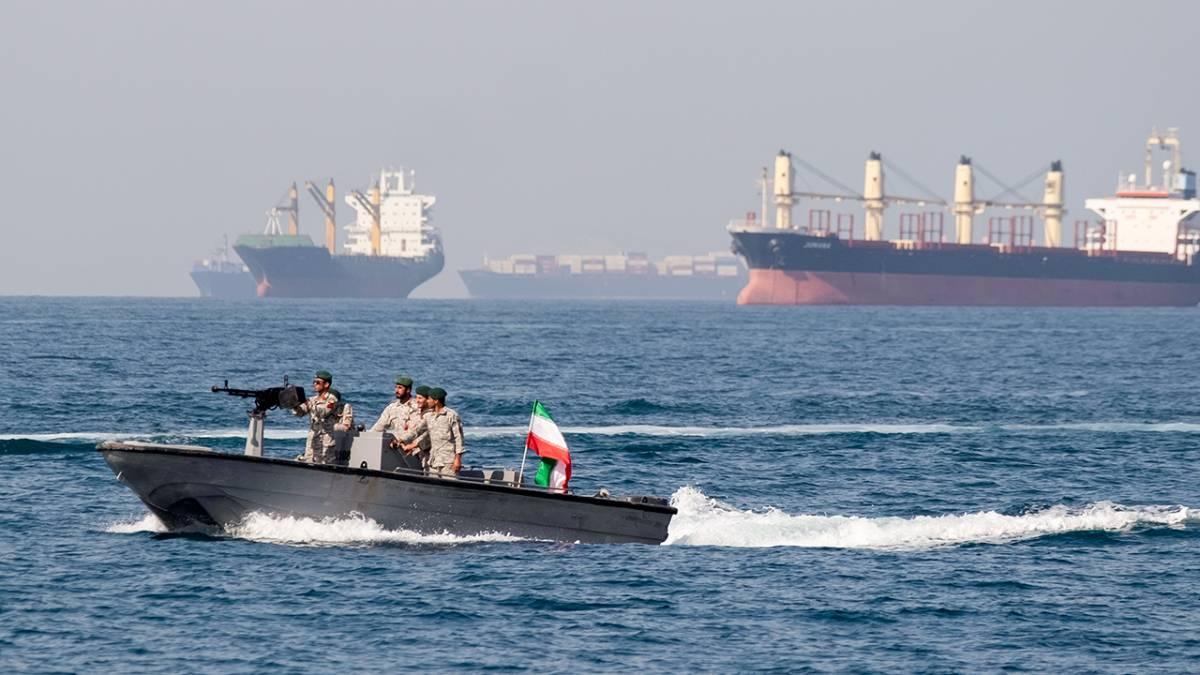
Oil Prices Rise as Iran and the United States Keep Strait of Hormuz Under Blockade Conditions
Key Takeaways
- Oil prices rose as Hormuz tensions persisted, Brent up ~3%, WTI near $100.
- Iran offered to reopen Hormuz if the US lifts the blockade and ends the war.
- Trump discussed the Hormuz proposal with top aides, signaling ongoing deliberations.
Hormuz blockade and oil shocks
The Strait of Hormuz disruption has driven oil prices higher and tightened global fuel supplies as Iran and the United States keep the waterway under blockade conditions, with the risk that the crisis “mutates into generalized scarcity” growing “with each passing day.”
El País describes how “Japan's refineries are starting to run dry” because “With no crude from the Persian Gulf, on which a double blockade—by Tehran and Washington—hangs,” and it says the “closure of the Strait of Hormuz has been wreaking havoc for weeks across the world.”
The ING Think analysis puts the scale of the chokepoint at “roughly 20m b/d of oil moving through the strait prior to the war,” and says that “around 14m b/d of oil supply is currently disrupted.”
It also states that “Over the first 2 months of the conflict, around 850m barrels of supply have been lost,” and that “Clearly, the disruption grows every day that passes without a resolution.”
Al Jazeera reports that “Oil prices are continuing to climb” and gives a specific benchmark move: “Brent crude… rose 3 percent on Tuesday,” with “Brent stood at $111.49 per barrel as of 07:30 GMT.”
CNBC adds another set of market figures, saying “West Texas Intermediate futures jumped more than 3% to close at $99.93 per barrel” and “Brent futures advanced nearly 3% to settle at $111.26.”
Together, the accounts show a sustained disruption in flows through the strait and a market response measured in both percentage moves and dollar-per-barrel levels.
Timeline, talks, and failed reopening
The disruption is tied to a sequence of strikes and stalled negotiations, with multiple outlets describing how attempts to reopen the Strait of Hormuz have not held.
El País says “With Islamabad talks stalling and the US and Iranian delegations playing cat and mouse, the world economy holds its breath,” and it adds that “the announcement of reopening the Strait by the Revolutionary Guard, ten days ago, died less than 24 hours later.”

ING Think frames the conflict’s start point as “Eight weeks have now passed since US and Israeli strikes on Iran,” and it links those strikes to “the ongoing blockade of the Strait of Hormuz.”
It also notes that “In our base case, we initially assumed that we would start to see a gradual resumption of flows through the Strait of Hormuz in April,” but that “this has clearly not materialised.”
Al Jazeera reports that “Oil prices are continuing to climb despite Iran’s proposal to end its blockade of the Strait of Hormuz in exchange for deferring nuclear negotiations with the United States,” and it says “The latest rise came as Iranian Foreign Minister Abbas Araghchi shared proposals to reopen the strait with interlocutor Pakistan amid stalled peace negotiations between Washington and Tehran.”
CNBC similarly describes the proposal and the response, saying “Trump… is dissatisfied with Iran's proposal to reopen the Strait of Hormuz,” and it adds that “Iran has offered offered to reopen the strait if the U.S. lifts its naval blockade.”
Quartz provides a separate escalation detail, saying Trump “was scrapping plans to dispatch special envoy Steve Witkoff and Jared Kushner to Pakistan for ceasefire negotiations,” and it quotes Trump’s Truth Social message: “Too much time wasted on traveling, too much work!” and “If they want to talk, all they have to do is call!!!”
CNN adds that “Peace talks have stalled ahead of the war’s two-month mark,” and it reports that “President Donald Trump canceled the US envoy to Islamabad at the last minute on Saturday after Iran refused to hold direct talks.”
Across these accounts, the same core pattern emerges: proposals and planned diplomacy are repeatedly interrupted, while the strait remains disrupted and prices remain elevated.
Threats, conditions, and officials’ quotes
The dispute over Hormuz is expressed through explicit conditions and hostile statements from both sides, with officials tying reopening to broader political demands.
“Oil prices are continuing to climb despite Iran’s proposal to end its blockade of the Strait of Hormuz in exchange for deferring nuclear negotiations with the United States”
CNN reports that an Iranian official warned the strait would not return to normal, quoting that the Strait of Hormuz will “under no circumstances” return to its previous state, and it says Iran’s president Masoud Pezeshkian told Pakistani Prime Minister Shehbaz Sharif that ongoing US actions were “undermining trust and complicating paths to dialogue.”
CNN also says Pezeshkian stated Tehran would not enter “forced negotiations” with the US and that the “American naval blockade at Iranian ports would need to end before reaching an agreement.”
CNBC adds a US skepticism framing, quoting Secretary of State Marco Rubio’s criticism: “That's not opening the straits. Those are international waterways. They cannot normalize, nor can we tolerate them trying to normalize, a system in which the Iranians decide who gets to use an international waterway and how much you have to pay them to use it.”
CNBC also reports that “Trump told his advisors that he is not satisfied with Iran's proposal to open the Strait of Hormuz and end the war,” and it notes that “It was not clear why exactly the president did not like Iran's offer.”
El País describes the Iranian rationale for using Hormuz as leverage, writing that “the ayatollah regime chose to play its strongest card” and that it was “a way to warn the world of the potential consequences of a measure.”
It further says the closure “not only takes out of play a fifth of the oil and gas the world consumes,” and it describes how “the second closure, Donald Trump’s, has completely changed the situation.”
In parallel, CNN quotes Iran’s Deputy Parliament Speaker Ali Nikzad saying, “We realized if we place our foot on the throat of the Strait of Hormuz and Bab al-Mandab, 25% of the world’s economy would be affected.”
Across these accounts, the same waterway is treated as a bargaining instrument, with each side attaching reopening to demands about nuclear negotiations, naval blockade, and control of access.
Shipping numbers and market mechanics
The disruption is also quantified through shipping traffic and through the time it would take for flows to normalize, even if a deal were reached.
Al Jazeera says Iran’s threats against commercial shipping have reduced maritime traffic “to a trickle over the past two months,” and it provides a daily comparison: “Only eight vessels crossed the strait on Sunday, down from 19 transits the previous day,” based on “ship tracking data monitored by maritime intelligence platform Windward.”

It adds that “Before the US and Israel launched their war on Iran on February 28, an average of 129 vessels passed the strait each day, according to the United Nations Trade and Development (UNCTAD).”
CNBC similarly emphasizes that “Energy flows through the Strait of Hormuz — which carries about a fifth of the world's oil and liquefied natural gas — remain severely disrupted,” and it cites a figure from Andy Lipow: “roughly 20 million barrels per day of crude, fuels and petrochemicals affected.”
CNBC also warns that even an immediate end to hostilities would not restore normal conditions quickly, saying “it will likely take months for energy flows to return to normal,” and it attributes the timeline to clearing mines, easing tanker congestion, and restarting production and refining.
It estimates that “he estimated it would take at least four to six months for oil markets to stabilize,” and it adds a specific price sensitivity: “If the conflict ended tomorrow, crude oil prices are estimated to drop $10 per barrel.”
ING Think likewise warns that “it’s important not just to look at crude oil prices,” pointing to “product cracks” and saying “gas oil and jet fuel prices are up 102% and 120%, respectively.”
It also estimates “demand destruction in the region of 1.6m b/d,” while arguing that it “would be insufficient if supply disruptions persist.”
In El País, the same mechanism is described as a global bottleneck, saying the closure has tightened “the supply of kerosene (for airplanes), fuel oil (for ships, especially) and diesel (essential for farming and road transport) in Asia and Europe.”
Taken together, the sources portray a system where fewer transits and damaged logistics translate into sustained price pressure and delayed stabilization.
Forecasts, scenarios, and consequences
The sources converge on the idea that prices and market conditions will remain stressed even if the strait reopens, with multiple forecasts and scenario-based risks.
ING Think says it has “revised higher our oil price forecasts as peace talks between the US and Iran stall,” and it updates its base case for when flows might return, assuming “oil flows through the Strait of Hormuz will slowly start resuming in May and June, and remain below pre-war levels for most of the year.”
It provides specific Brent averages, stating that “ICE Brent averaging $104/bbl ($96 previously) over 2Q26” and “Brent averaging $92/bbl ($88/bbl previously) over 4Q26.”
It also describes an upside risk scenario where “a near full closure of the Strait of Hormuz persisting through May” would “likely see Brent finding a floor above $100/bbl for the remainder of the year.”
The same analysis warns of a more severe downside path, saying “a more significant risk lies in a renewed escalation that could nearly halt oil supply through the end of the second quarter,” and it adds that “Saudi crude shipments via the Red Sea and UAE exports from Fujairah would also be disrupted.”
Al Jazeera adds a near-term market consequence, reporting that “Oil prices are continuing to climb” even after Iran’s proposal, and it ties the climb to “traders’ concerns about the blockade of the waterway critical for global fuel supplies.”
CNBC provides a stabilization estimate and a price effect, saying that even if hostilities ended immediately, “prices are likely to remain elevated in the interim as inventories approach critical levels,” and it reiterates that “If the conflict ended tomorrow, crude oil prices are estimated to drop $10 per barrel.”
El País frames the stakes as a global economic breath-holding moment, saying “With Islamabad talks stalling… the world economy holds its breath,” and it quotes the head of the International Energy Agency, Fatih Birol, describing the crisis as “the greatest in history, bigger than all previous ones combined.”
CNN adds a domestic consumer consequence by reporting that “A gallon of gas cost an average of $4.10 on Sunday, according to AAA data,” and it says prices are “up about 27% since the start of the war.”
Finally, El País notes that “the closure of Hormuz bears its name” and that the measure takes out “a fifth of the oil and gas the world consumes,” while also affecting “refined kerosene,” “diesel,” and “fuel oil,” linking the stakes directly to energy products.
More on Iran
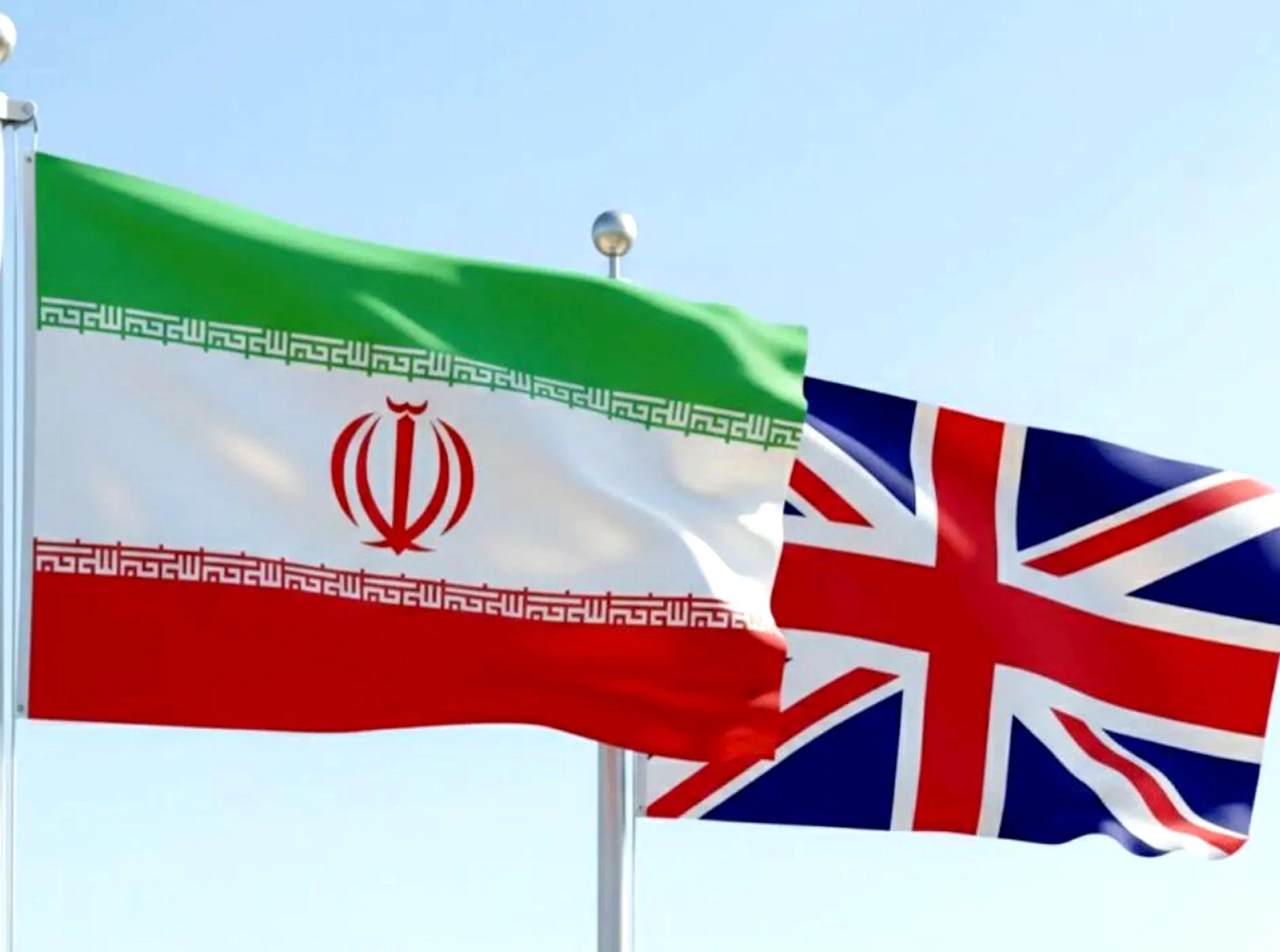
Britain Summons Iran’s Ambassador in London Over Unacceptable Inflammatory Embassy Social Media Posts
10 sources compared

Donald Trump Hosts King Charles and Queen Camilla at White House State Dinner
33 sources compared
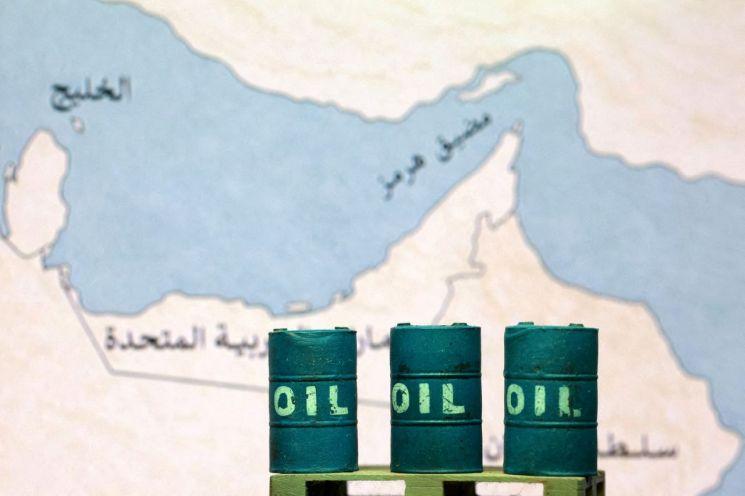
Japanese-Owned Idemitsu Maru Tanker Transits Strait of Hormuz With Iranian Permission
17 sources compared
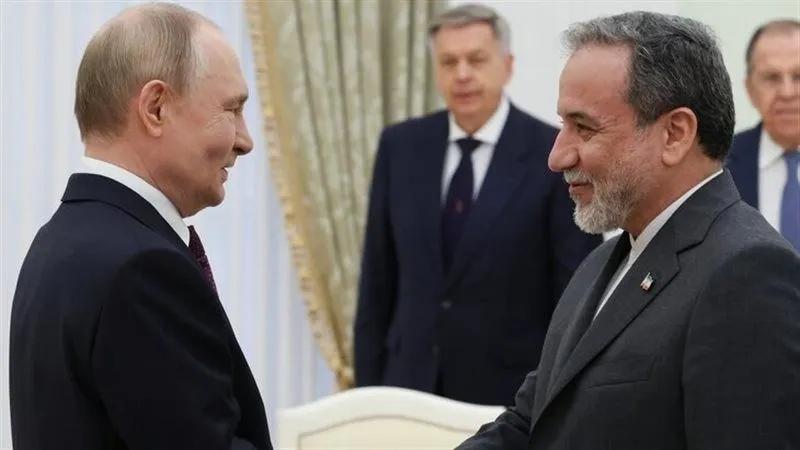
Putin Pledges Support for Iran as Abbas Araghchi Meets Him in St. Petersburg
30 sources compared