
Iran Reopens Imam Khomeini International Airport and Mehrabad Airport in Tehran
Key Takeaways
- Tehran's Imam Khomeini and Mehrabad airports resumed passenger flights.
- Iran's airspace partially reopened to international and domestic flights.
- Phase three restores Tehran's airports under a four-stage reopening.
Airports Reopen in Tehran
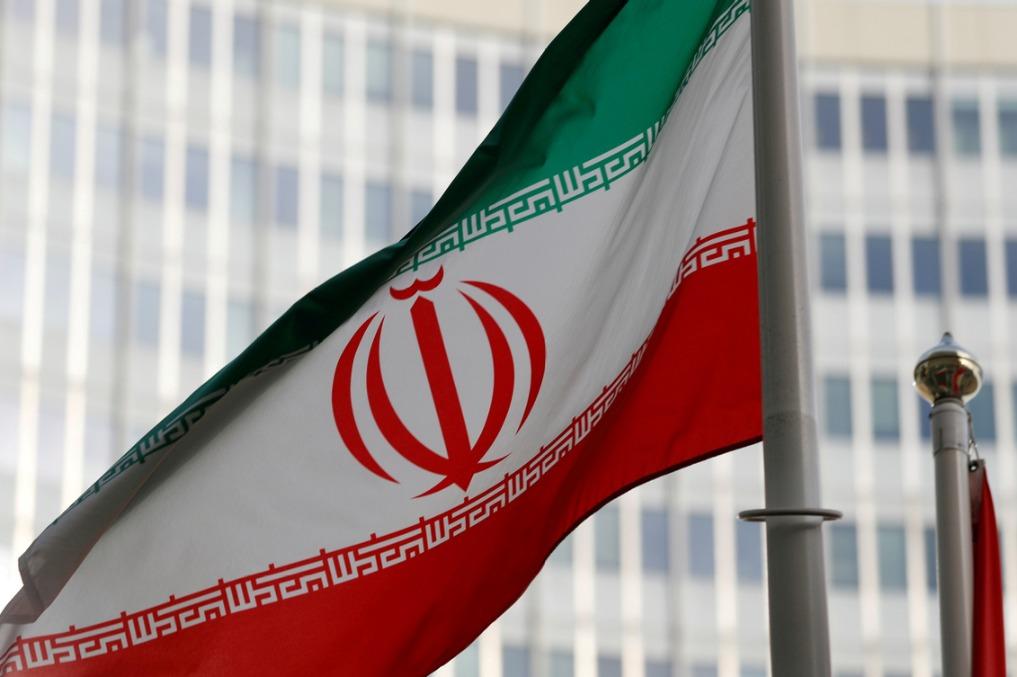
Iran reopened its two main airports in the capital Tehran on Monday, according to Iranian aviation authorities cited by multiple outlets.
Global Times, citing Iran’s ISNA News Agency, said the two airports are “the Imam Khomeini International Airport and Mehrabad Airport,” and reported that “10 other airports across Iran will become operational from Saturday.”

The Times of Israel likewise reported that “Authorization for passenger flights at Imam Khomeini International Airport and Mehrabad Airport has been issued” from Monday, quoting the Civil Aviation Organization via ISNA.
WANA News Agency described the same two airports and said passenger flights “starting April 20, 2026” resumed as part of a phased reopening, while also stating that “beginning Saturday, April 25, passenger flights will restart at 10 additional airports across the country.”
WANA further listed additional airports expected to be included in the Saturday expansion, including “Urmia, Kermanshah, Abadan, Shiraz, Kerman, Rasht, Yazd, Zahedan, Gorgan, and Birjand.”
The WANA report also said “Mashhad Airport has already returned to operation and resumed services as of today,” and concluded that “a total of 13 airports across Iran are expected to be operational by Saturday.”
Across the coverage, the reopening is explicitly tied to the Civil Aviation Organization’s authorization and coordination measures, with Global Times attributing the decision to Iran’s Civil Aviation Organization and WANA describing “necessary coordination measures.”
Phased Reopening and Flight Rules
Multiple reports describe Iran’s reopening as a phased process that begins with limited operations and expands to additional airports and routes.
Türkiye Today said Iran’s aviation authority planned reopening “in four phases,” with the “first phase will allow transit flights to resume,” the “second phase” involving “flights from airports in eastern Iran,” and the “third phase” restoring operations at “Mehrabad and Imam Khomeini airports,” while the “fourth and final phase” would include “flights from airports in western Iran.”
VOI.id similarly reported that “Iran's airspace will reopen in four phases,” stating that the first phase allows “the resumption of transit flights,” the second phase covers “airports in eastern Iran,” the third phase restores “Mehrabad and Imam Khomeini airports,” and the fourth phase includes “airports in the western part of the country.”
In VOI.id, a deputy head of the Civil Aviation Organization warned that “Ticket sales are currently suspended, and people should pay attention to official announcements to learn the latest status of the airports and ticket purchase options.”
Türkiye Today also said “Airline ticket sales are currently suspended,” and cited IRIB for a deputy director of the Civil Aviation Organization saying people should pay attention to official announcements for “ticket purchase options.”
The Moscow Times’ report on Russia’s Rosaviatsia adds a parallel timeline for international access, saying Rosaviatsia announced that “Transit flights and direct flights to airports within Iran may now resume, provided that all directives from Iranian aviation authorities are strictly observed.”
It also said Iran’s Civil Aviation Organization issued permission for international passenger flights at “Mashhad Airport in the country’s northeast starting Monday,” while Rosaviatsia previously said Iranian airspace would remain closed until “May 15.”
Damage Claims and Fleet Numbers
Alongside the reopening announcements, Iranian aviation officials and industry figures described the condition of airport capacity and aircraft after the recent conflict.
Türkiye Today reported that “About 95% of Iran’s airport capacity remained intact after U.S. and Israeli attacks,” citing the Iranian Airlines Association, and said the association also confirmed that “more than 20 passenger aircraft were significantly damaged.”
The outlet quoted Maqsoud Asadi Samani, head of the Iranian Airlines Association, saying that reports suggesting “between 40 and 60 aircraft were damaged” “do not reflect reality,” and that “no more than 20 passenger planes were seriously damaged.”
Türkiye Today also stated that “Iran has between 250 and 300 passenger aircraft,” with “around 150 in service before the attacks and the remainder grounded for technical reasons,” and added that “After removing the damaged aircraft, we now have 130 active planes.”
The same report tied these claims to the reopening preparations, saying the announcement came as Iran prepares to reopen its airspace to commercial flights.
VOI.id provided additional context for why the reopening is happening, stating that “On February 28, the United States and Israel conducted a joint attack on Iran,” and that “Tehran retaliated with attacks on Israel and other regional countries hosting American assets.”
VOI.id also said “The fighting has been halted since April 8, when Pakistan brokered a two-week ceasefire,” and described talks in Pakistan and another session in Islamabad.
International Flight Resumption and Coordination
Russia’s civil aviation authority announced a policy shift that would allow flights to Iran and ticket sales for routes involving the United Arab Emirates, framing the change as conditional on Iranian directives.
The Moscow Times reported that “Russia’s civil aviation authority Rosaviatsia announced Monday that airlines will once again be allowed to make flights to Iran and sell tickets for flights to and from the United Arab Emirates,” and quoted Rosaviatsia saying, “Transit flights and direct flights to airports within Iran may now resume, provided that all directives from Iranian aviation authorities are strictly observed.”

It said Rosaviatsia had previously stated that “Iranian airspace would remain closed until May 15” and had urged Russian carriers to suspend “UAE ticket sales until further notice,” without explaining the reason for the Monday change.
The Moscow Times added that Rosaviatsia said the decision to resume flights and ticket sales was made “in coordination with the transportation authorities and Russia’s Foreign Ministry.”
The report also described an earlier step in the same broader aviation policy, saying that “Following temporary ceasefire agreements in the wars in Iran and Lebanon, Rosaviatsia on Thursday said it would allow daytime flights to and from Israel until at least May 15.”
In parallel, Türkiye Today and VOI.id described Iran’s own staged reopening, with transit flights first and Tehran’s airports later, and both reports emphasized that ticket sales were suspended and passengers should rely on official announcements.
The Moscow Times also noted that Iran’s Civil Aviation Organization had issued permission for international passenger flights at Mashhad Airport “starting Monday,” aligning with the idea that eastern airports could return earlier in the sequence.
What Comes Next for Air Travel
The reopening announcements are accompanied by guidance about how passengers should buy tickets and monitor airport status, while the broader conflict context remains present in the reporting.
Türkiye Today and VOI.id both emphasize that “Airline ticket sales are currently suspended” and that passengers should “pay attention to official announcements” for “ticket purchase options,” with VOI.id quoting the deputy head of the Civil Aviation Organization saying “Ticket sales are currently suspended, and people should pay attention to official announcements to learn the latest status of the airports and ticket purchase options.”
WANA News Agency similarly instructed passengers to “purchase tickets only through authorized websites listed on its official portal,” and urged the public to “rely exclusively on its official announcements for updates regarding the operational status of other airports.”
WANA’s timeline sets an immediate next step for domestic expansion, saying that “beginning Saturday, April 25, passenger flights will restart at 10 additional airports across the country,” and it specified the list of airports including “Urmia” and “Birjand.”
Global Times also said “10 other airports across Iran will become operational from Saturday,” while The Times of Israel framed the Monday reopening as authorization for passenger flights at “Imam Khomeini International Airport and Mehrabad Airport” with additional airports becoming possible “from Saturday.”
Beyond domestic operations, the Moscow Times described how Rosaviatsia’s policy change allows “Transit flights and direct flights to airports within Iran” under Iranian directives, and it placed the earlier closure window in context by referencing that Rosaviatsia had said airspace would remain closed until “May 15.”
The conflict backdrop in VOI.id ties the aviation reopening to ceasefire timing, stating “The fighting has been halted since April 8, when Pakistan brokered a two-week ceasefire,” and noting that “efforts continue to hold another session in Islamabad.”
More on Iran
Trump Warns U.S. Will Resume Bombing If Iran Talks Fail Before Ceasefire Deadline
11 sources compared

Reuters/Ipsos Poll Finds 36% Approve Trump’s Job Performance Amid Iran War And Pope Feud
10 sources compared

Iran’s Judiciary Chief Mohseni-Eje’i Warns US-Israeli War Coalition May Strike Again
11 sources compared

Trump Says U.S. Expects a Great Deal With Iran, Won’t Extend Ceasefire Deadline
25 sources compared